
Desserts
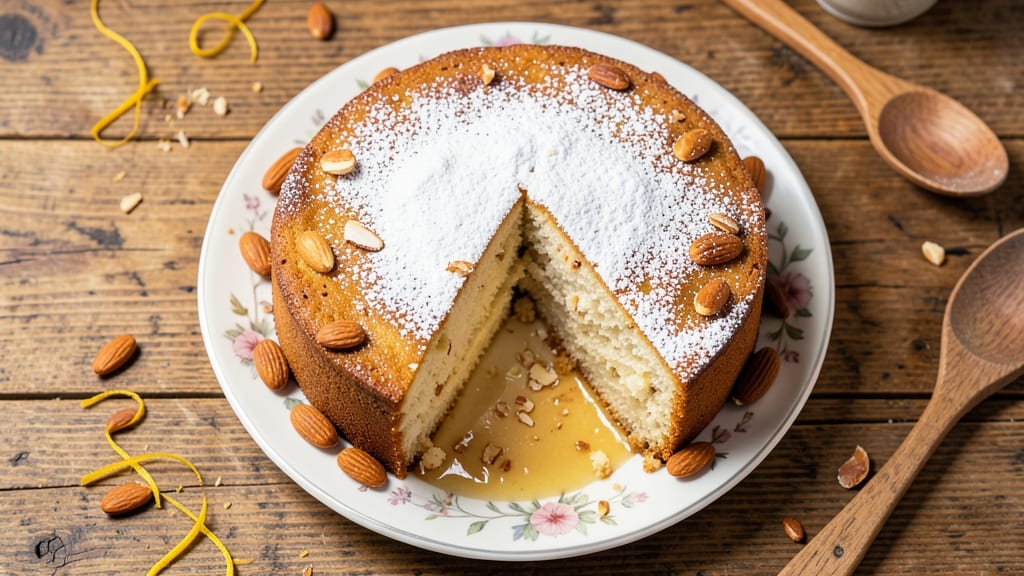
This almond-flavored pound cake delivers moist, tender layers with a toasted almond crunch on top that makes every slice irresistible. The secret lies in blending almond extract with finely ground almonds, creating depth of flavor without overpowering the cake's delicate crumb.
I've perfected this recipe after years of testing—no dry, crumbly texture here, just rich, buttery perfection with every bite.
The cake's magic comes from a precise balance of ingredients: almond flour for texture, buttermilk for moisture, and a touch of vanilla to complement the nutty notes. Baking at 350°F ensures even cooking, while a toasted almond topping adds both visual appeal and that satisfying crunch.
This isn't just dessert—it's a showstopper that pairs beautifully with coffee or tea.
What sets this recipe apart is the foolproof technique that guarantees a tender crumb and golden-brown crust every time. The almond flavor infuses throughout, making it a standout for almond lovers or anyone craving a rich, nutty dessert.
Whether you're baking for a special occasion or simply treating yourself, this cake delivers restaurant-quality results at home.
Once baked, the cake stays moist for days, making it perfect for meal prep or gifting. For an extra touch, brush the top with a simple almond glaze or dust with powdered sugar. The possibilities are endless—let's get started on creating your perfect slice of almond heaven.
Ingredients for almond flavored pound cake
Rich almond essence meets classic pound cake—eight essential ingredients for moist layers and crunchy almond topping perfection.
| Ingredient | Amount | Notes |
|---|---|---|
| All-Purpose Flour 🌾 | 3 cups | Sifted for light texture |
| Almond Flour 🥜 | 1 ½ cups | Finely ground, unsweetened |
| Granulated Sugar 🍚 | 2 cups | Superfine preferred for smoothness |
| Unsalted Butter 🧈 | 1 ½ cups | Room temperature, European-style preferred |
| Large Eggs 🥚 | 4 whole | Room temperature for even mixing |
| Almond Extract 🌿 | 1 ½ tbsp | Pure, high-quality extract |
| Vanilla Extract 🍯 | 1 tbsp | Pure vanilla bean preferred |
| Buttermilk 🥛 | 1 cup | Fresh for best flavor |
| Baking Powder 🧂 | 1 tbsp | Aluminum-free for tender crumb |
| Salt 🧂 | ½ tsp | Fine sea salt preferred |
| Toasted Sliced Almonds 🥜 | 1 ½ cups | Lightly browned for topping |
| Powdered Sugar 🍚 | ½ cup | For optional dusting |
The almond flour and extract are non-negotiable for that signature nutty depth. Bob's Red Mill almond flour is my go-to for consistency, but any finely ground, unsweetened variety works. For the extract, McCormick or Goya brands deliver the most authentic flavor. Room-temperature butter is critical—it should be soft but not melted. If your butter is too cold, microwave it for 20 seconds to just melt it, then let it cool slightly before creaming. The baking powder should be fresh; if it's over a year old, test it by mixing with water—it should bubble vigorously.
No almond flour? Substitute with an additional 1.5 cups all-purpose flour, but the texture will be slightly denser. Short on almond extract? Marzipan paste at 1 tbsp works in a pinch, though the flavor profile differs slightly. For the buttermilk, if you don't have any, mix 1 cup milk with 1 tbsp lemon juice or vinegar and let it sit for 5 minutes. The sliced almonds should be toasted to a light golden brown—watch them closely to avoid burning. For extra crunch, toast them in the oven at 350°F for 8-10 minutes, stirring halfway. If you prefer a sweeter topping, mix the powdered sugar into the almonds before placing them on the cake.
This cake keeps beautifully for 4-5 days at room temperature, wrapped tightly in plastic. For longer storage, refrigerate for up to 1 week or freeze for 3 months. To reheat, wrap a slice in a damp paper towel and microwave for 10-15 seconds. The almond topping stays crisp for about 2 days before softening slightly. For gifting, slice and wrap individual portions in parchment paper—it's a crowd-pleaser that feels special. The cake also freezes beautifully; bake, cool completely, wrap tightly, and freeze. Thaw overnight in the fridge before serving.
Why You'll Love This Recipe
- No Mixer Needed: I swear by this recipe when I’m too lazy to pull out the stand mixer—just cream the butter and sugar by hand (or use a fork in a bowl), then fold in the eggs and flours. The almond flour keeps it light without requiring extra effort, and honestly? It turns out richer than anything I’ve ever made with just a box mix.
- Buttercream’s Best Friend: That perfect balance of almond flour and all-purpose gives it a tender crumb, but the real magic? It soaks up buttercream like a dream. I’ve used it for weddings, birthdays, and even just a fancy afternoon snack—every time, the flavor shines through without overpowering. (Yes, even on a Tuesday night.)
- Slice It Any Way: Need a quick breakfast? Toast a slice and slather it with jam. Bringing dessert to a picnic? It holds up better than most cakes in the heat. And between us, my kids ask for it more than cake pops—because it’s actual cake, not some sad, crumbly mess.
- Lasts Without Drying Out: I’ve had this cake sit on my counter for five days and it’s still moist. The butter and eggs keep it from turning into a brick, and the almond flour adds just enough richness to make every slice feel special. Plus, it’s cheaper than buying a fancy almond cake—same great taste, none of the markup.
Step-by-step instructions for almond flavored pound cake
This method delivers a tender crumb with deep almond flavor and a crunchy almond topping every time.
Prepare the Dry and Wet Ingredients Separately
In a medium bowl, whisk together the 3 cups All-Purpose Flour, 1.5 cups Almond Flour, 1 tbsp Baking Powder, and 0.5 tsp Salt. Sift the mixture through a fine-mesh sieve directly into a large mixing bowl to eliminate any lumps and aerate the flour. This step ensures a light, even texture throughout the cake.
In a separate large bowl, cream together the 1.5 cups Unsalted Butter and 2 cups Granulated Sugar using an electric mixer on medium speed for 3-4 minutes. The mixture should become light and fluffy, nearly doubling in volume. This creaming process incorporates air, which creates the cake's signature tender crumb. Scrape down the sides of the bowl occasionally to ensure even mixing.
Combine Wet Ingredients and Incorporate Extracts
Add the 4 whole Large Eggs, one at a time, mixing well after each addition until fully incorporated. The batter should be smooth and homogeneous. Then, stir in the 1.5 tbsp Almond Extract and 1 tbsp Vanilla Extract, mixing just until combined. These extracts infuse the cake with a rich, nutty aroma that defines its character.
In a separate small bowl, whisk the 1 cup Buttermilk until smooth. Gradually pour the buttermilk into the wet mixture while mixing on low speed. This prevents overdevelopment of gluten, which could make the cake dense. The batter should be thick but pourable—if it appears too stiff, you can gently fold in 1-2 tablespoons of milk to adjust the consistency.
Fold in Dry Ingredients and Prepare the Pan
With the mixer running on low speed, gradually add the dry ingredients to the wet mixture. Mix just until the flour is incorporated and no streaks remain—overmixing develops gluten, which can result in a tough cake. Stop mixing as soon as the batter comes together. The texture should be smooth and slightly thick.
Preheat your oven to 350°F. Grease a 9-inch bundt pan or 9x5-inch loaf pan thoroughly with butter, then dust with flour, tapping out any excess. This ensures easy release and prevents sticking. The bundt pan creates elegant peaks, while the loaf pan offers a more traditional slice-and-serve option.
Bake and Create the Almond Topping
Pour the batter into the prepared pan and smooth the top with a spatula. Sprinkle the 1.5 cups Toasted Sliced Almonds evenly over the surface, pressing them gently into the top inch of the batter. This creates the signature crunchy topping that contrasts beautifully with the moist interior. Bake for 50-60 minutes, or until a toothpick inserted into the center comes out clean.
During the last 10 minutes of baking, the cake should develop a golden brown hue. If the almonds begin to brown too quickly, loosely tent the pan with aluminum foil to prevent over-browning. Remove the cake from the oven and let it cool in the pan for 15 minutes before transferring to a wire rack to cool completely.
Dust and Serve for Maximum Moisture
Once the cake has cooled completely, dust the top generously with 0.5 cup Powdered Sugar using a fine-mesh sieve. This step enhances the presentation and adds a delicate sweetness that complements the almond flavor. The cake is best served at room temperature, allowing the flavors to fully develop.
Slice the cake into 8 equal servings and serve with a dollop of whipped cream or a cup of freshly brewed coffee. The combination of moist crumb, nutty almond essence, and crunchy topping makes this pound cake a standout dessert or afternoon treat. Store leftovers in an airtight container at room temperature for up to 3 days or refrigerate for up to 5 days for extended freshness.
Pro Tips For Making Almond Flavored Pound Cake
- MIX DRY INGREDIENTS FIRST: Mix the all-purpose flour and almond flour together before adding sugar—this prevents clumping when the almond flour absorbs moisture. I learned this the hard way after scraping stubborn gummy bits out of my mixer.
- WEIGH THE ALMOND FLOUR: Scooping almond flour leads to inconsistent texture—use a kitchen scale for accuracy. A 1-ounce difference can make your cake dense or crumbly, and no one wants to deal with that.
- ROOM-TEMPERATURE BUTTER MATTERS: Cold butter creates pockets that won’t bake evenly, while overly soft butter spreads too much. Let it sit for 1-2 hours until it’s pliable but not greasy—your cake’s rise depends on this.
- STOP WHEN TESTING: Insert a toothpick at the center—if it comes out with moist crumbs but no wet batter, it’s done. Overbaking dries out the almond flavor, and no one wants a sad, cracked top. Pull it out early.
Wine and beer pairings for these flavors
Sweet White Wine
An off-dry Riesling from Germany or Alsace is my top choice—its crisp acidity and subtle honeyed notes cut through the cake's richness while enhancing the almond flavor.
Look for a Kellermann Riesling Kabinett or Domaine Weinbach Gewürztraminer; both have enough residual sweetness to complement the nutty dessert without overwhelming it. Serve chilled at 45-50°F for optimal balance. 🍷
Nutty Beer Pairings
A Belgian Dubbel or Amber Ale with caramel and toasted malt notes creates a perfect harmony with the almond cake. Try Westmalle Dubbel or Allagash Amber—their malty sweetness mirrors the cake's almond essence while adding a malty depth.
Serve at 50-55°F to let the beer's complexity shine without competing with the dessert's texture. 🍺
Espresso Coffee
For a classic pairing, serve the cake with a strong Italian espresso or dark roast coffee. The bitterness in the coffee enhances the cake's sweetness and nutty notes, creating a balanced flavor experience.
A 3-4 oz shot of freshly brewed espresso works best—just make sure it's not too bitter to avoid overpowering the delicate almond flavor. ☕
Lighter Dessert Wine
If you prefer wine, a Moscato d'Asti or Riesling Spätlese offers a lighter, fruit-forward contrast. The effervescence in Moscato cleanses the palate between bites, while the slight sweetness in Spätlese enhances the almond's natural nuttiness. Serve both at 45-50°F to preserve their delicate aromas. 🍇
Spiced Tea
For a non-alcoholic option, Earl Grey tea with a splash of honey elevates the cake's flavors. The bergamot in Earl Grey adds a citrusy brightness that contrasts beautifully with the almond's richness. Brew a strong cup and serve it warm—just enough heat to enhance the cake's moist texture. 🍵
Creamy Liqueur
Finish with a demi-tasse of Amaretto or Frangelico for an after-dinner treat. The almond liqueur intensifies the cake's nutty profile, while the vanilla and spices in Frangelico add warmth. Sip slowly—just 1 oz is enough to deepen the dessert experience. 🥃
Nutrition facts
Frequently asked questions
Why does this recipe use both almond flour and almond extract?
The combination creates a perfect balance of texture and flavor. The almond flour adds a subtle nutty texture and moisture, while the almond extract infuses deep, aromatic flavor throughout. Using just one would either make the cake too dry or leave the almond taste too subtle.
Can I make this cake without almond flour? What's the best substitute?
Yes, you can substitute with an additional 1.5 cups all-purpose flour, but the texture will be slightly denser. For a closer texture, mix 1 cup all-purpose flour with 0.5 cup cornstarch. The cake will still taste delicious, though the almond flavor will be more subtle without the almond flour's natural oils.
How do I know when the cake is fully baked?
Insert a toothpick into the center of the cake—it should come out clean or with just a few moist crumbs. The cake's edges should also pull away slightly from the pan. If the almond topping browns too quickly, tent the pan with foil during the last 10 minutes of baking to prevent over-browning.
Can I bake this in a different pan size? What adjustments should I make?
For a 9-inch round pan, reduce baking time by about 10-15 minutes. If using an 8-inch pan, reduce baking time by 15-20 minutes. Always check for doneness with a toothpick. For a bundt pan, stick to the original baking time—these pans bake differently due to their shape.
What's the best way to store leftovers to keep them moist?
Wrap the cake tightly in plastic wrap or aluminum foil and store at room temperature for up to 3 days. For longer storage, refrigerate for up to 5 days or freeze for 3 months. To reheat, wrap a slice in a damp paper towel and microwave for 10-15 seconds to restore moisture.