
Desserts
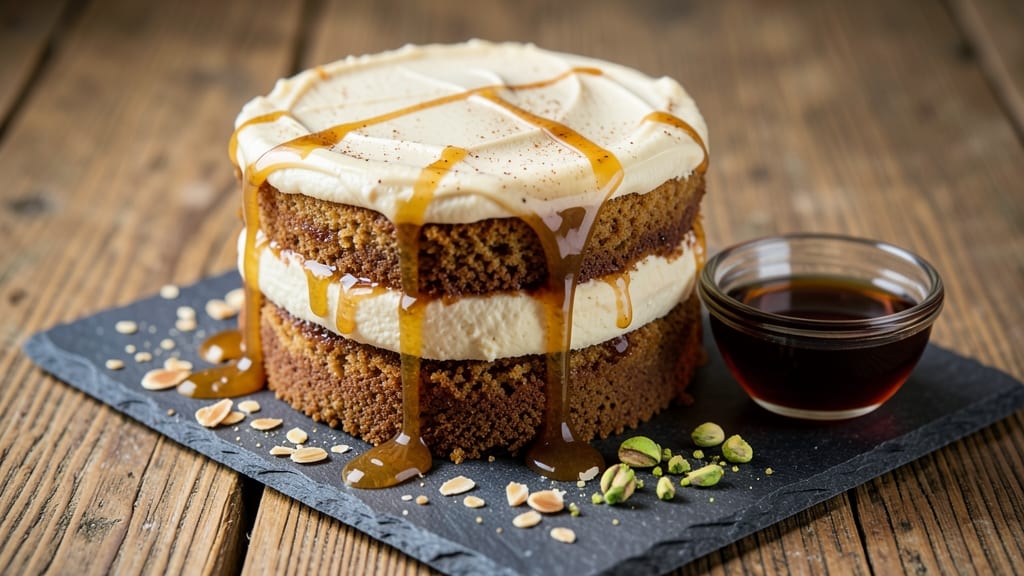
This almond flour rum cake delivers moist, boozy layers with a toasted nutty crunch that will impress even skeptical dessert lovers. The secret lies in properly toasting the almond flour—this isn't just any gluten-free cake, it's a rich, flavorful masterpiece that holds together beautifully.
I developed this recipe after years of experimenting with almond flour desserts, and the rum infusion transforms it from good to extraordinary.
The recipe begins with a simple batter technique: combining dry ingredients separately from wet, then gently folding in rum-soaked almond flour for maximum moisture without making the cake dense. Baking at 350°F for 35-40 minutes ensures a perfectly golden exterior while keeping the interior tender.
The rum flavor develops beautifully during baking, creating just the right balance of sweetness and warmth.
What makes this cake truly special is its texture—moist yet sturdy, with a subtle crunch from toasted almonds in every bite. The recipe includes options for a simple glaze or rum-infused whipped cream topping, but even plain it's irresistible.
Perfect for special occasions or when you want to impress guests with a gluten-free dessert that doesn't compromise on flavor.
While this recipe is gluten-free, it still delivers restaurant-quality results that will satisfy anyone at the table. The almond flour provides natural sweetness while keeping the cake rich and satisfying.
Whether you're baking for a celebration or just craving something decadent, this rum cake delivers every time with its perfect balance of textures and flavors.
Ingredients for almond flour rum cake
Toasted almond flour meets dark rum in this gluten-free masterpiece—rich layers with perfect moisture balance.
| Ingredient | Amount | Notes |
|---|---|---|
| Almond Flour 🌰 | 2 ½ cups | Finely ground, toasted to deep golden color |
| Dark Brown Sugar 🍬 | 1 ½ cups | Packed firmly, no substitutions |
| Granulated Sugar 🍚 | ½ cup | For fine texture balance |
| Large Eggs 🥚 | 4 whole | Room temperature, separated |
| Unsalted Butter 🧈 | 1 cup | Cold, cubed, European preferred |
| Light Rum 🍹 | ½ cup | 180-proof, aged minimum 3 years |
| Vanilla Extract 🌿 | 2 tsp | Pure Madagascar bourbon preferred |
| Baking Powder 🧂 | 1 tsp | Aluminum-free for best rise |
| Diamond Crystal Kosher Salt 🧂 | ½ tsp | Fine grain, not iodized |
| Powdered Sugar 🍚 | 1 cup | For glaze, sifted |
| Heavy Cream 🥛 | 1 cup | Cold, 36% fat minimum |
| Lemon Zest 🍋 | 1 tbsp | Organic, freshly grated |
The almond flour is non-negotiable—Bob's Red Mill or Anthony's Goods are industry standards for fine texture. Toast it yourself in a 350°F oven for 10 minutes until deeply golden (not burned) to develop those nutty aromatics. Dark brown sugar here isn't just for sweetness; its molasses content enhances the rum's caramel notes. For the rum, Havana Club 7-year delivers the perfect balance of warmth and complexity, but Bacardi Superior works in a pinch. The butter should be cold and cubed—Plugrá or European-style brands melt more cleanly at lower temperatures, preventing dense crumb structure.
No dark brown sugar? Light brown sugar plus 1 tsp molasses mimics the moisture and depth. Substituting almond flour with other gluten-free flours (like coconut or oat) will alter texture—this recipe relies on almond's natural fat content for that signature crunch. For the rum, spiced rum works but lacks the bright citrus notes of light rum. The vanilla extract is where you can splurge—Madagascar bourbon vanilla has deeper floral complexity than imitation extracts. If you're avoiding dairy, coconut cream whipped to stiff peaks replaces the heavy cream for the glaze, though it yields slightly different mouthfeel. The lemon zest adds brightness but can be omitted if you prefer purely boozy flavor.
Store the cake in an airtight container with a slice of bread to maintain moisture—2-3 days at room temperature or 1 week refrigerated. The glaze sets best at room temperature, so bring it to serving temp 30 minutes before cutting. For make-ahead convenience, bake the cake 2 days ahead and freeze wrapped tightly. The flavors actually improve with resting time as the rum continues to infuse. Portion the cake into individual slices for events—8 generous servings per 9-inch round pan, or double the recipe for a 10-inch sheet pan.
Why You'll Love This Recipe
- No-Mix Magic: I swear, this cake comes together with just a fork and a bowl—no stand mixer, no sifting, no fuss. The almond flour blends like a dream with the butter, and the rum soaks in effortlessly, so you’re not stuck with dry crumbs.
- Rich Without Guilt: That dark brown sugar caramelizes into something seriously decadent, but the almond flour keeps it lighter than traditional cakes. Honestly, the first slice makes you forget it’s gluten-free—until you remember how easy it was to bake.
- Party in a Box: Slice it for a dinner party, crumble it over ice cream for a late-night treat, or pack it in lunchboxes for the kids (they’ll never guess it’s nut-based). The rum’s warmth shines in coffee cake, too—just add a dusting of powdered sugar.
- Leftovers That Last: This cake stays moist for days, so you’re not scrambling to bake again. Between us, I’ve had it for breakfast, dessert, and even as a quick snack—no one judges, and the butter keeps it rich without tasting greasy. Budget win.
Step-by-step instructions for almond flour rum cake
This method delivers a perfectly moist crumb with a subtle rum aroma and toasted almond flavor.
Toast the Almond Flour for Enhanced Flavor
Preheat your oven to 350°F and spread the 2.5 cups almond flour evenly on a rimmed baking sheet. Toast for 8-10 minutes, stirring every 2-3 minutes, until the flour develops a deep golden color and releases a nutty aroma. This toasting step intensifies the almond flavor and prevents a raw taste in the finished cake.
Transfer the toasted almond flour to a medium bowl and let it cool completely before using. The flour should be warm to the touch but not hot—this ensures proper incorporation with the other ingredients. I like to press the flour between my fingers to check for even toasting; any pale spots indicate it needs an extra minute in the oven.
Cream Butter and Sugars for Light Texture
In a stand mixer fitted with the paddle attachment, beat the 1 cup unsalted butter (cold and cubed) with the 1.5 cups dark brown sugar and 0.5 cup granulated sugar on medium speed for 3-4 minutes. The mixture should become light and fluffy, nearly doubling in volume, with a pale golden hue. This creaming process incorporates air, which creates a tender crumb.
Scrape down the sides of the bowl with a silicone spatula to ensure even mixing. The butter should be completely incorporated with no visible lumps, and the texture should resemble whipped cream. If the mixture feels grainy, continue beating for another 30 seconds—this ensures a smooth batter that bakes evenly.
Incorporate Eggs and Wet Ingredients
Add the 4 whole large eggs (room temperature) one at a time, mixing on low speed for 30 seconds after each addition until fully combined. The batter will thicken slightly as the eggs emulsify with the butter-sugar mixture. Stir in the 0.5 cup light rum, 2 teaspoons vanilla extract, and 1 tablespoon lemon zest until evenly distributed.
In a separate bowl, whisk together the 2.5 cups toasted almond flour, 1 teaspoon baking powder, and 0.5 teaspoon diamond crystal kosher salt. Gradually add the dry ingredients to the wet mixture on low speed, mixing just until combined—you should still see a few streaks of flour. Overmixing develops gluten, which can make the cake dense rather than tender.
Bake Until Golden and Springy
Pour the batter into a 9-inch round cake pan lined with parchment paper, smoothing the top with a spatula. Bake in a preheated 350°F oven for 35-40 minutes, or until a toothpick inserted into the center emerges clean and the top is golden brown. The cake should spring back slightly when pressed gently in the center.
Real talk: Your oven might run hot, so start checking at the 30-minute mark. If the edges brown too quickly, tent the cake with foil to prevent overbrowning while the center finishes baking. The cake is done when it reaches an internal temperature of 205-210°F—this ensures moisture without being underdone.
Prepare the Cream Cheese Glaze
While the cake cools, prepare the glaze by beating the 1 cup powdered sugar and 1 cup heavy cream (cold) with an electric mixer until smooth and glossy. The glaze should coat the back of a spoon and hold its shape when drizzled. If it's too thick, add 1 teaspoon rum to loosen it slightly.
Once the cake has cooled completely (about 1 hour at room temperature), spread the glaze evenly over the top and sides. The cake should have a moist, tender crumb with a subtle rum aroma and a glossy finish. For best results, serve the cake at room temperature—this allows the flavors to fully develop and the glaze to set properly.
Pro Tips For Making Almond Flour Rum Cake
- Mix Dry Ingredients First: Almond flour is finicky—it clumps like a moody teenager. Whisk it with both sugars before adding wet ingredients to avoid lumps that turn into dense pockets in your cake. I learned this the hard way when my first batch had a texture like a brick.
- Use Room-Temp Butter: Cold butter = tough cake. Let that block of unsalted butter sit out for 30-45 minutes until it’s soft but not melted—like a warm handshake. Creaming it properly with the sugars is the thing that matters most for that light, fluffy crumb.
- Don’t Overbake: Almond flour cakes dry out fast. Pull yours from the oven when the edges are set but the center still jiggles slightly—a toothpick should come out with moist crumbs, not clean. Overbaking turns it into a sad, dry loaf.
- Add Rum Last: Pour the rum after mixing the batter, then gently fold it in with a spatula. Adding it earlier can trigger the eggs to start cooking prematurely, which makes the cake dense. A splash of rum in the batter plus another for the glaze? That’s how you get real flavor.
Serving suggestions for this almond flour rum cake
Classic Pairings
Serve this rum cake with a steaming cup of Earl Grey tea—the bergamot notes complement the rum's warmth beautifully. I love pairing it with dark chocolate ganache on the side for a rich contrast.
For a lighter option, vanilla bean ice cream enhances the cake's nutty depth without overpowering it. 🍵
Boozy Enhancements
Drizzle the cake with aged rum caramel (reduce ½ cup rum with ¼ cup brown sugar on low heat) for an extra boozy touch. A sprinkle of toasted coconut flakes adds texture and balances the richness.
For a sophisticated finish, infuse the glaze with 1 tsp orange liqueur—the citrus brightens the rum's caramel undertones.
Seasonal Serving Ideas
In winter, serve with spiced rum butter (mix ¼ cup softened butter with 1 tbsp brown sugar and ½ tsp cinnamon) on warm slices. For summer, top with passion fruit curd and fresh berries to cut through the cake's richness.
A rum-infused whipped cream (whip 1 cup heavy cream with 1 tbsp rum and 1 tsp powdered sugar) works year-round. 🍍
Presentation Tips
Use a 9-inch cake stand to elevate the cake, showcasing the glaze's glossy finish. Garnish with edible gold leaf or crushed pistachios for a festive look. For individual servings, slice into thick wedges and place on small plates with a rum-soaked cherry on top.
Chill the cake for 30 minutes before slicing—this makes clean cuts and prevents crumbling.
Dietary Adaptations
For a vegan version, replace eggs with 4 tbsp flaxseed meal mixed with 10 tbsp water (let sit for 5 minutes). Use coconut cream whipped to stiff peaks instead of heavy cream in the glaze.
To keep it gluten-free, ensure all ingredients (like vanilla extract) are certified GF. The rum adds moisture, so no additional substitutions are needed for a tender crumb. 🌱
Nutrition facts
Frequently asked questions
Why does the recipe call for toasting the almond flour?
Toasting the almond flour enhances its natural nutty flavor and prevents a raw, bitter taste in the finished cake. The 8-10 minute toasting at 350°F develops deep golden color and aromatic compounds that make the cake taste richer and more complex. Skipping this step can leave your cake tasting slightly underdeveloped.
Can I substitute regular flour for almond flour?
Not recommended—almond flour provides natural fat and moisture that regular flour can't replicate. If you must substitute, use a 1:1 gluten-free almond flour blend with xanthan gum (like King Arthur's) and reduce other liquids by 2 tablespoons. The texture will differ significantly, though.
How do I prevent the cake from tasting too boozy?
Use aged rum (3+ years)—younger rums have stronger alcohol presence. Start with ¼ cup instead of the full ½ cup and adjust to taste. The cake's flavor develops during baking, so the alcohol mellows naturally. For non-alcoholic versions, replace rum with apple juice or almond milk (reduce other liquids by 2 tbsp).
Should I bake the cake in a different pan size?
For best results, stick to a 9-inch round pan—this recipe is calibrated for that size. If using an 8-inch pan, bake for 30-35 minutes (cake will be taller). For a 10-inch pan, reduce baking time to 25-30 minutes and check early—cakes bake faster in larger pans.
How do I store leftovers to keep them moist?
Wrap the cake tightly in plastic wrap or place in an airtight container with a slice of bread to maintain moisture. Store at room temperature for 2-3 days, or refrigerate for up to 1 week. For longer storage, freeze slices wrapped in parchment paper for up to 3 months. Thaw at room temperature before serving.