
Desserts
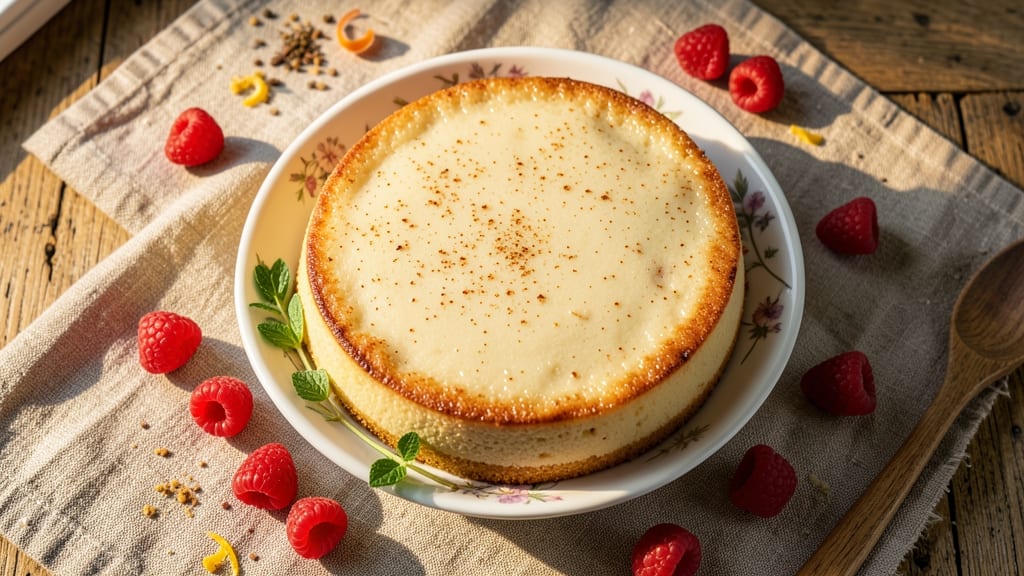
This almond milk vanilla cake delivers ultra-moist layers without eggs or dairy—proof that plant-based baking can be just as rich and tender as traditional recipes. The secret lies in almond milk’s ability to tenderize while adding subtle nuttiness, creating a cake that’s light yet satisfying.
I’ve perfected this recipe after years of testing substitutions, ensuring every bite stays moist for hours.
The magic happens with a foolproof technique: combining almond milk with applesauce and flaxseed for structure, while vanilla extract and almond extract deepen the flavor without overpowering.
No special equipment is needed—just a standard mixing bowl and oven. The result? A fluffy, golden cake with a delicate crumb that holds up beautifully for slicing.
This recipe is perfect for vegan diets, allergies, or anyone craving a decadent yet guilt-free dessert. The frosting—made with coconut cream—adds a velvety finish that complements the cake’s natural sweetness. Whether you’re baking for a celebration or a quiet afternoon treat, this cake delivers restaurant-quality results at home.
Ready in just 45 minutes, it’s ideal for beginners and experienced bakers alike. The key is patience—letting the batter rest ensures even layers, while precise baking times guarantee a perfectly set center. Serve with fresh berries or a sprinkle of toasted almonds for extra texture. Let’s bake!
Ingredients for almond milk vanilla cake
Twelve plant-based ingredients create ultra-moist, golden layers without eggs or dairy.
| Ingredient | Amount | Notes |
|---|---|---|
| Unsweetened Almond Milk 🥛 | 1 ½ cups | Barista-style preferred for creaminess |
| All-Purpose Flour 🌾 | 2 cups | Sifted for light texture |
| Granulated Sugar 🍚 | 1 ½ cups | Organic preferred for purity |
| Unsweetened Applesauce 🍎 | ½ cup | Unsweetened, not low-sugar |
| Ground Flaxseed 🌾 | 2 tbsp | Freshly ground for binding |
| Pure Vanilla Extract 🍃 | 2 tsp | Bourbon or Madagascar preferred |
| Almond Extract 🌰 | ½ tsp | Pure, not imitation |
| Baking Powder 🧂 | 2 tsp | Aluminum-free for stability |
| Salt 🧂 | ½ tsp | Fine sea salt preferred |
| Coconut Oil 🥥 | ½ cup | Melted, not solid |
| Unsweetened Coconut Flakes 🥥 | ¼ cup | Toasted for frosting texture |
| Coconut Cream 🥛 | ½ cup | Chilled overnight for thickness |
| Powdered Sugar 🍚 | 1 ½ cups | Sifted for smooth frosting |
| Lemon Juice 🍋 | 1 tbsp | Freshly squeezed for brightness |
The almond milk is non-negotiable for moisture—barista-style (like Silk or Blue Diamond) has the thickest texture, but any unsweetened brand works. Whole Foods or Trader Joe's carry excellent options, or make your own by blending almonds with water. The flaxseed acts as the egg substitute, so grind it fresh right before mixing for maximum binding power. Organic sugar enhances flavor subtly, but regular granulated works fine. For the applesauce, unsweetened is critical—low-sugar versions add hidden moisture that disrupts the crumb structure.
No almond extract? Vanilla bean paste (like McCormick) adds depth without overpowering, though you’ll lose the signature nuttiness. Substituting vanilla sugar for the extract is a game-changer if you’re out—just reduce the granulated sugar by 1 tbsp. The coconut oil must be melted; solid chunks create dense pockets. For the frosting, toasted coconut flakes add texture, but crushed pistachios work beautifully for a different flavor profile. Powdered sugar should be sifted to avoid graininess—Domino is my go-to brand for smoothness. If your coconut cream isn’t thick enough, chill it for an extra hour.
Store the cake in an airtight container at room temperature for 3 days, or refrigerate for 5 days—though it’s best enjoyed fresh. The frosting keeps 2 days refrigerated; for longer storage, freeze portions in ice cube trays and thaw for 10 minutes before use. Double the batter and bake in two pans for gatherings—this recipe scales perfectly. The lemon juice in the frosting brightens the flavor, but orange zest adds a citrusy twist if you prefer. Always let the cake cool completely before frosting to prevent melting.
Why You'll Love This Recipe
- No Mixer Needed: I swear by this recipe when my kitchen gadgets are on strike—just whisk the dry ingredients, fold in the applesauce and almond milk, and let the flaxseed do its binding magic. The batter’s so forgiving that even if you overmix, it still comes out tender.
- Vanilla Hug in Every Bite: That warm vanilla aroma? It’s not just extract—it’s the star, balanced by the subtle nuttiness of almond milk and the applesauce’s gentle sweetness. Honestly, the first slice makes me want to bake another batch just to enjoy it.
- Leftovers That Last: This cake holds up beautifully for days, whether you store it in the fridge or wrap it tightly. I’ve taken slices to work for breakfast, packed them in lunches, and even frozen portions for lazy mornings—no one ever guesses it’s made with applesauce.
- Budget-Friendly Luxury: Using almond milk and applesauce cuts costs without sacrificing flavor, and the flaxseed replaces eggs entirely. Between us, this is the kind of cake that feels like a treat but won’t break the bank—my wallet and taste buds agree.
Step-by-step instructions for almond milk vanilla cake
Master the science of moisture retention with this egg-free, dairy-free vanilla cake method.
Prepare the Flax Egg Substitute
In a small bowl, whisk together the 2 tablespoons ground flaxseed with the 1.5 cups unsweetened almond milk. Let this mixture sit for 10 minutes until it thickens into a gel-like consistency—this is your egg substitute. The flax mixture should resemble raw egg whites in viscosity, which ensures proper binding and moisture retention in the cake.
While waiting, preheat your oven to 350°F and grease two 8-inch round cake pans with coconut oil, then line the bottoms with parchment paper. I use coconut oil instead of butter here because it provides a neutral flavor and prevents any dairy interference with the almond milk base.
Combine Wet Ingredients for Maximum Moisture
In a large mixing bowl, combine the 1.5 cups granulated sugar with the 0.5 cup unsweetened applesauce and the 0.5 cup melted coconut oil. Whisk until fully incorporated—this creates a smooth, homogenous base that will distribute evenly throughout the batter. The applesauce acts as a natural tenderizer, replacing the moisture typically provided by eggs.
Add the flax egg mixture, 2 teaspoons pure vanilla extract, and 0.5 teaspoon almond extract to the wet ingredients. Stir gently but thoroughly—overmixing at this stage can introduce too much air, which might cause the cake to collapse later. The combination of vanilla and almond extracts provides that classic vanilla cake flavor without any dairy products.
Incorporate Dry Ingredients with Precision
In a separate bowl, sift together the 2 cups all-purpose flour, 2 teaspoons baking powder, and 0.5 teaspoon salt. Sifting is crucial here as it aerates the flour and prevents dense pockets in the final cake. Gently fold the dry ingredients into the wet mixture using a spatula, mixing just until combined—you should still see some flour streaks. This gentle folding preserves the air bubbles created by the baking powder.
Add the 1 tablespoon freshly squeezed lemon juice and mix once more. The acidity from the lemon juice helps activate the baking powder, ensuring a light and airy texture. The batter should be thick but pourable—if it appears too stiff, you can add 1-2 tablespoons more almond milk to achieve the right consistency.
Bake for Perfectly Even Rise
Divide the batter evenly between the prepared cake pans, smoothing the tops with a spatula. Bake in the preheated oven for 25-30 minutes, or until a toothpick inserted into the center comes out clean. The cake should spring back slightly when touched and have a golden hue on top—this indicates even baking without overdevelopment.
I recommend checking the cake at the 25-minute mark as ovens vary in temperature accuracy. If the edges brown too quickly, tent the pans with foil to prevent overbrowning while the center finishes baking. Remove from the oven and let the cakes cool in their pans for 10 minutes before transferring to a wire rack to cool completely.
Prepare the Coconut Cream Frosting
While the cakes cool, prepare the frosting by combining the 0.5 cup chilled coconut cream with the 1.5 cups powdered sugar and 0.25 cup unsweetened coconut flakes. Whip with an electric mixer on medium speed until light and fluffy—this should take about 2-3 minutes. The coconut cream should thicken noticeably as it whips, creating a stable frosting base.
Once the cakes are completely cool, spread a thin layer of frosting between the layers to act as a "glue." Then, frost the top and sides of the cake with the remaining frosting. For a professional finish, I use a bench scraper to create clean edges. Sprinkle additional coconut flakes on top for texture and visual appeal. The frosting should be smooth but not overly sweet, allowing the natural vanilla flavor of the cake to shine.
Pro Tips For Making Almond Milk Vanilla Cake
- MEASURE ALMOND MILK LAST: Add the unsweetened almond milk to the batter just before pouring into the pan—it’s thin and absorbs into the flour instantly. I used to mix it in early and ended up with a lumpy, dense mess every time. Stir it in with a spatula right when you’re ready to bake.
- WHISK DRY INGREDIENTS WELL: Sift the flour, sugar, and ground flaxseed together, then whisk them for a solid 30 seconds before adding liquids. That flaxseed can clump like crazy, and skipping this step means uneven texture. My grandmother swore by this, and she was right: the cake turns out lighter and more consistent.
- BAKE UNTIL TOOTHPICK COMES OUT CLEAN: This isn’t the time to eyeball it—insert a toothpick at the center and wait until it emerges with just a few moist crumbs, not wet batter. I learned this the hard way after cutting into a cake that was still gummy inside. At 350°F, that’s usually around 30-35 minutes, but ovens lie.
- SWAP APPLESAUCE FOR YOGURT: If you’re short on applesauce, plain Greek yogurt works in a 1:1 ratio and adds a tangy richness the applesauce can’t match. I was skeptical until I tried it—it keeps the cake moist longer and cuts through the sweetness. Just don’t use sweetened versions, or you’ll throw off the balance.
Serving suggestions for leftovers
Fresh Fruit Pairings
Top your cake with sliced strawberries or blueberries for a bright, juicy contrast that balances the richness. I like to arrange them in a circular pattern on top for a visually stunning presentation.
For an extra touch, lightly brush the fruit with apricot jam before placing it on the cake—this adds a subtle sweetness that enhances the vanilla flavor. 🍓
Whipped Cream Alternative
Skip traditional whipped cream and serve with coconut whipped cream instead. Chill a can of full-fat coconut milk overnight, then scoop out the thick cream and whip it with 1 tablespoon powdered sugar and ½ teaspoon vanilla extract until fluffy.
This adds a light, airy texture that pairs beautifully with the cake’s moist layers.
Warm Spiced Compote
Heat ½ cup apple cider with 2 tablespoons brown sugar, 1 cinnamon stick, and ½ teaspoon cardamom in a saucepan until thickened into a glossy compote. Drizzle over slices for a warm, aromatic complement that enhances the cake’s natural sweetness. This works especially well during colder months.
Toasted Nut Garnish
Toast ¼ cup sliced almonds in a dry skillet over medium heat for 3-4 minutes until golden brown. Sprinkle them over the cake just before serving to add a satisfying crunch and a nutty aroma that ties into the almond milk base. For variety, try pecans or walnuts instead.
Coffee or Tea Pairings
Serve slices with a cup of espresso to cut through the richness, or offer earl grey tea for a sophisticated pairing. The tannins in black tea or the boldness of coffee create a perfect contrast to the cake’s delicate sweetness.
I often recommend a small espresso shot alongside each slice for an elegant touch. ☕
Seasonal Variations
In summer, add mango slices or kiwi for a tropical twist. For fall, swap in candied pecans and pumpkin spice whipped coconut cream. Winter calls for cranberry sauce or orange zest to brighten the flavors. Each seasonal pairing keeps the cake feeling fresh and exciting year-round.
Nutrition facts
Frequently asked questions
Can I substitute regular milk for almond milk in this recipe?
No, almond milk is essential for both texture and flavor in this cake. Regular dairy milk would make the cake denser and could curdle when combined with the flax egg mixture. If you must substitute, try oat milk or soy milk for similar moisture levels, but reduce the amount by 2 tablespoons since they're thicker.
Why does my cake turn out dry even when following the recipe?
Overmixing the batter or baking too long are the most common causes. The batter should be gently folded until just combined—no more than 20 strokes. Also, check your oven temperature with an oven thermometer; many ovens run 25°F hotter than set. For extra moisture, brush warm layers with simple syrup (equal parts sugar and water) before frosting.
Can I make this cake in a single layer instead of two?
Use a 9-inch round pan and reduce baking time to 20-25 minutes. For a taller single layer, divide the batter between two pans and bake for 15 minutes each, then stack after cooling. The frosting quantity remains the same—just adjust the serving size to 6-8 slices instead of 12.
How do I store leftovers to keep them moist?
Wrap the unfrosted cake tightly in plastic wrap, then place in an airtight container with a slice of bread to absorb excess moisture. Store at room temperature for 2 days or refrigerate for 4 days. To refresh, warm slices in the microwave for 10-15 seconds and add a dollop of coconut whipped cream.
What's the best way to make this cake gluten-free?
Replace the all-purpose flour with a 1:1 gluten-free baking flour blend (like Bob's Red Mill) plus 1 teaspoon xanthan gum. Also add 1 extra tablespoon almond milk to compensate for reduced moisture in GF flours. Expect a slightly denser texture—this is normal with gluten-free baking.