
Desserts
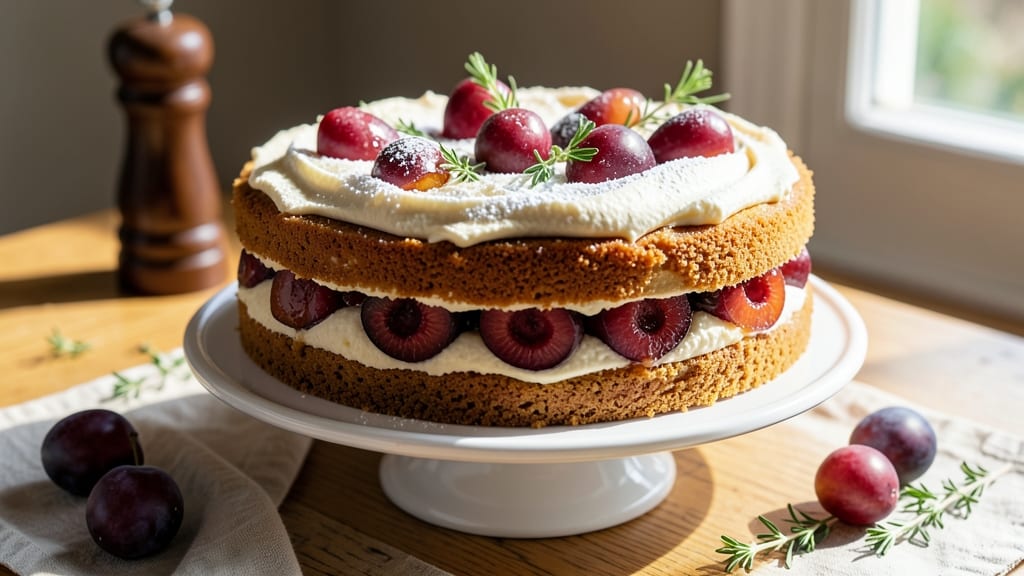
This almond plum cake delivers the perfect balance of nutty richness and caramelized fruit in every slice. 🌟 The secret lies in blending ground almonds with tender plum compote, creating a moist crumb that's neither too sweet nor too dense.
I developed this recipe after years of experimenting with fruit cakes, and it's become my go-to for summer gatherings.
The cake's magic comes from three key elements: almond flour for texture, fresh plums for natural sweetness, and a touch of citrus zest to brighten the flavors.
Unlike traditional fruit cakes that can be heavy, this version stays light thanks to a simple yet effective baking technique that prevents over-moisture while keeping the fruit juicy. The result is a tender crumb with pockets of caramelized plum throughout.
By the time it emerges from the oven, you'll have a cake with golden-brown edges and a delicate crumb that's perfect for slicing. The almond flavor shines through without overpowering the fruit, while the caramelized plums add bursts of natural sweetness in every bite.
This is the kind of dessert that feels special enough for holidays but simple enough for a weeknight treat.
Serve warm with a dollop of whipped cream or a scoop of vanilla ice cream to highlight the cake's natural flavors. The recipe makes a generous 9-inch cake that's perfect for sharing, and the leftovers keep well for up to 5 days when stored properly.
Here's everything you need to create this crowd-pleasing dessert.
Ingredients for almond plum cake
Almond flour, plums, and citrus zest create this tender, nutty-sweet cake with caramelized fruit pockets.
| Ingredient | Amount | Notes |
|---|---|---|
| Almond Flour 🥜 | 2 cups | Finely ground, unsweetened |
| All-Purpose Flour 🌾 | ½ cup | For structure and lightness |
| Fresh Plums 🍑 | 1 ½ lb | Pitted, sliced into 1/4-inch pieces |
| Granulated Sugar 🍚 | 1 cup | Light brown preferred |
| Light Brown Sugar 🍚 | ½ cup | Packed, for caramelized depth |
| Unsalted Butter 🧈 | 1 cup | Cold, cubed for creaming |
| Large Eggs 🥚 | 2 whole | Room temperature, separated |
| Lemon Zest 🍋 | 1 tbsp | Bright, organic preferred |
| Vanilla Extract 🌸 | 1 tbsp | Pure, high-quality |
| Baking Powder 🍞 | 1 tsp | Aluminum-free preferred |
| Salt 🧂 | ½ tsp | Fine sea salt |
| Whole Milk 🥛 | ½ cup | Room temperature |
| Powdered Sugar 🍚 | ½ cup | For dusting, optional |
The almond flour is the star here—Bob’s Red Mill or Anthony’s Goods are my go-tos for that ultra-fine grind. If you can’t find fresh plums, frozen unsweetened plums work too, just thaw and drain them first. For the sugar, I always grab Domino light brown—it’s the perfect balance of moisture and caramel flavor. The butter? Plugrá or Land O’Lakes unsalted, cold and cubed—don’t let it soften before creaming! The lemon zest should be vibrant yellow, so grab organic if possible.
No almond flour? Substitute with 1.5 cups super-fine blanched almond meal—just pulse them in a food processor until ultra-fine. Running short on plums? Pitted cherries or apricots add a similar burst of fruitiness. The baking powder must be fresh—if it’s more than 6 months old, baking soda plus 1/4 tsp cream of tartar is your backup. For the eggs, if you’re avoiding them, aquafaba (3 tbsp) plus 1 tbsp cornstarch mimics the lift. The milk can be swapped for almond or oat milk, but whole milk gives the best texture.
This cake keeps beautifully—3 days at room temperature wrapped in parchment, or up to 5 days refrigerated in an airtight container. For longer storage, freeze slices wrapped individually for up to 3 months. I always bake an extra batch—it reheats perfectly in a 300°F oven for 10 minutes to restore that warm-from-the-oven magic. The powdered sugar is optional but adds that bakery-fresh finish—just dust right before serving.
Why You'll Love This Recipe
- No-Fuss Mixing: I swear by this batter—just fold the almond flour and sugar, then stir in the plums like you’re tucking in a blanket. No electric mixer, no stress, and the texture comes out tender every time.
- Sweet-Tart Magic: That balance? Chef’s kiss. The brown sugar caramelizes just enough while the fresh plums add bright acidity—like biting into summer in cake form. Honestly, I’ve never met a plum cake that didn’t disappear too fast.
- Weekend or Weeknight: Slice it warm for brunch or pack it for a picnic—this cake holds up like a champ. (Yes, even on a Tuesday night.) The almond flour keeps it moist, so leftovers taste just as good the next day.
- Budget Bright Spot: Plums are often cheaper than berries, and almond flour stretches the batter beautifully. I’ve made this for 12 people for under $15—proof that fancy desserts don’t need a fancy wallet.
Step-by-step instructions for almond plum cake
This nutty-sweet cake delivers perfect texture and caramelized plum flavor every time.
👨🍳 Step 1: Prepare the Plum Filling
In a medium bowl, combine the 1.5 lb fresh plums (pitted and sliced into ¼-inch pieces) with 0.5 cup light brown sugar and 1 tbsp lemon zest. Toss gently to coat the fruit evenly. Let this mixture sit for 15 minutes at room temperature—this allows the sugars to begin caramelizing and the lemon to brighten the plums.
Here's the thing—don't skip the lemon zest. It balances the sweetness of the plums and prevents the filling from becoming cloying. After 15 minutes, you'll notice the plums softening slightly and developing a glossy sheen from the sugar. This is exactly what we want for that perfect jammy texture in the final cake.
👨🍳 Step 2: Cream Butter and Sugars
In a stand mixer fitted with the paddle attachment, beat the 1 cup unsalted butter (cold, cubed) with 1 cup granulated sugar and 0.5 cup light brown sugar on medium speed for 3-4 minutes. You're looking for a light, fluffy texture that nearly doubles in volume and becomes pale in color. This creaming process incorporates air, which creates that signature tender crumb we're after.
I press down on the butter occasionally with a spatula to ensure all the sugar crystals are fully incorporated. The mixture should look like pale yellow whipped cream with ribbons that hold their shape. If it feels too soft, chill the bowl in the freezer for 5 minutes—this prevents the cake from becoming dense later.
👨🍳 Step 3: Add Eggs and Dry Ingredients
Add the 2 whole large eggs (room temperature) one at a time, mixing on low speed for 30 seconds after each addition. Then add 1 tbsp vanilla extract and mix for another 10 seconds. In a separate bowl, whisk together 2 cups almond flour, 0.5 cup all-purpose flour, 1 tsp baking powder, and 0.5 tsp salt. Gradually add the dry ingredients to the wet mixture, mixing on low speed just until combined.
Here's where it gets fun—toss in the plum mixture and 0.5 cup whole milk, mixing on low speed until everything is evenly incorporated. You'll see the batter thicken slightly as the almond flour absorbs the liquid. The batter should be smooth but slightly thick—like a well-made cake batter should be. Don't overmix or you'll develop gluten and end up with a tough cake.
🔥 Step 4: Bake to Golden Perfection
Preheat your oven to 350°F and grease a 9-inch round cake pan (or line with parchment paper). Pour the batter into the prepared pan and smooth the top. Bake for 45-50 minutes until a toothpick inserted in the center comes out clean and the top is golden brown. The cake should spring back slightly when pressed in the center.
I like to tent the cake loosely with foil after 30 minutes if the edges are browning too quickly. This ensures even baking throughout. When you pull it out, you'll see a beautiful golden crust with plums peeking through—this is the moment that matters. Let the cake cool in the pan for 15 minutes, then transfer to a wire rack to cool completely.
🍽️ Step 5: Dust and Serve
Once completely cool, dust the top with 0.5 cup powdered sugar using a fine-mesh sieve. This adds that final touch of elegance and balances the rich plum flavor. The cake should be moist but not wet, with a tender crumb that melts in your mouth and bursts of caramelized plum in every bite.
Slice into 12 equal wedges and serve at room temperature. The contrast between the nutty almond flour base and the sweet, jammy plum filling makes this cake truly special. Store leftovers in an airtight container at room temperature for up to 3 days or refrigerate for up to 5 days—though I doubt it'll last that long!
Pro Tips For Making Almond Plum Cake
- DON’T SKIP THE ALMOND FLOUR SIFT: The first time I made this cake, I just dumped the almond flour in—big mistake. It clumps like crazy and leaves pockets in the batter. Instead, sift it with the all-purpose flour together, then whisk the mixture until it’s completely smooth. This ensures even distribution and a lighter texture, especially since almond flour can be heavy-handed.
- PAT THE PLUMS DRY: Fresh plums are juicy, and that moisture is your enemy here. After peeling and pitting, pat them thoroughly with paper towels—don’t just wipe them. Wet plums release too much liquid in the oven, turning your cake into a soggy mess. If you’re in a rush, toss them in a clean kitchen towel and squeeze gently.
- BAKE UNTIL THE CENTER HITS 205°F: I used to pull this cake out when the edges looked golden, only to find the middle still raw or gummy. Almond flour cakes need that extra time to fully set. Use an instant-read thermometer—205°F at the center guarantees a tender crumb, not a doughy surprise. If you don’t have one, let it bake 5 minutes past the recipe’s suggested time.
- SWAP BROWN SUGAR FOR DEMERARA: Light brown sugar adds moisture, but demerara—with its caramelized edges—brings a deeper, almost buttery richness that pairs perfectly with plums. Use a 1:1 substitution, and trust me, the flavor difference is noticeable. It’s a tiny upgrade that makes the cake taste like it came from a bakery, not your kitchen.
Troubleshooting great almond plum cake
Dense or Gummy Cake
If your cake turns out dense or gummy, the issue is likely overmixing or insufficient baking time. I’ve found that almond flour absorbs liquid differently than all-purpose flour, so be gentle when combining wet and dry ingredients.
Mix just until the dry ingredients disappear—overmixing develops gluten, which makes the cake tough. Also, check your baking time: 45-50 minutes at 350°F should yield a cake that springs back when pressed gently. If it’s still underbaked, return it to the oven for 5-10 more minutes.
Dry or Crumbly Texture
A dry or crumbly cake usually means the almond flour wasn’t properly hydrated or the butter was too soft when creamed. Always use cold, cubed butter and cream it thoroughly with the sugars until light and fluffy.
If your cake still feels dry, try adding 1-2 tablespoons of milk or plum juice to the batter before baking. For extra moisture, brush the warm cake with simple syrup (equal parts sugar and water, heated until dissolved) while it cools.
Plums Not Caramelized
If your plums stay underripe or bland, the issue is likely insufficient sugar or not enough resting time.
Cake Sticking to Pan
To prevent sticking, always grease your 9-inch round cake pan thoroughly with butter and dust with flour or almond flour. I also recommend lining the bottom with parchment paper for extra insurance. If the cake still sticks, it might be due to overgreasing—use just enough to coat the pan lightly. For stubborn cases, run a thin knife around the edges of the cake while it’s still warm to loosen it before transferring to a wire rack.
Uneven Baking
Uneven baking often happens when the oven isn’t properly calibrated or the cake pan isn’t preheated. Always preheat your oven for at least 15 minutes before baking. Place the cake pan on the middle rack to ensure even heat distribution.
If the edges brown too quickly, tent the cake loosely with foil after 30 minutes. For a more consistent bake, consider using an oven thermometer to verify your oven’s accuracy—many home ovens run 25°F hotter or colder than the set temperature.
Soggy Bottom Layer
A soggy bottom layer is usually caused by overfilling the pan or using too much liquid. Measure your batter carefully—it should fill the pan about ⅔ full.
If your cake still has a soggy bottom, try baking it on the lower-middle rack for the first 20 minutes to set the base, then move it to the upper-middle rack to finish baking.
For extra stability, place a baking sheet on the rack below the cake pan to reflect heat upward.
Nutrition facts
Frequently asked questions
Can I substitute almond flour with regular flour?
The almond flour is key for that signature nutty texture and moisture. If you must substitute, use 1.5 cups super-fine almond meal (pulse almonds in a food processor until ultra-fine). For a 1:1 flour swap, add 1 extra egg and 2 tbsp extra milk to compensate for the lack of fat and binding properties. Your cake will be lighter but lose that distinct almond flavor.
How do I know when the plums are ripe for this recipe?
Look for plums that yield slightly to gentle pressure near the stem (not mushy) with a sweet aroma at the blossom end. Dark purple-red plums like Santa Rosa or Methley work best—they balance sweetness and tartness. Avoid green or overly firm plums, as they won't caramelize properly during baking. If using frozen plums, thaw and drain them completely first.
Can I make this cake gluten-free?
Yes! Replace the 0.5 cup all-purpose flour with 0.5 cup gluten-free 1:1 baking flour (like Bob's Red Mill or King Arthur). For best results, also add 0.5 tsp xanthan gum to maintain structure. The almond flour already provides gluten-free structure, but this extra step ensures a tender crumb. Test your gluten-free flour blend first in a small batch.
Why does my cake crack on top?
Cracking usually happens when the cake bakes too quickly or the oven temperature fluctuates. To prevent this, make sure your oven is fully preheated for 15 minutes before baking. Place the cake pan on the middle rack and avoid opening the oven door during the first 30 minutes. If cracks appear, they're harmless—just brush them with simple syrup for extra moisture.
How can I make this cake ahead of time?
This cake actually improves overnight! Bake it 1 day ahead and store it at room temperature wrapped in plastic wrap. For longer storage, refrigerate for up to 5 days in an airtight container. To serve, let it sit at room temperature for 1 hour before slicing. The flavors meld beautifully, making it even more delicious the next day.