
Desserts
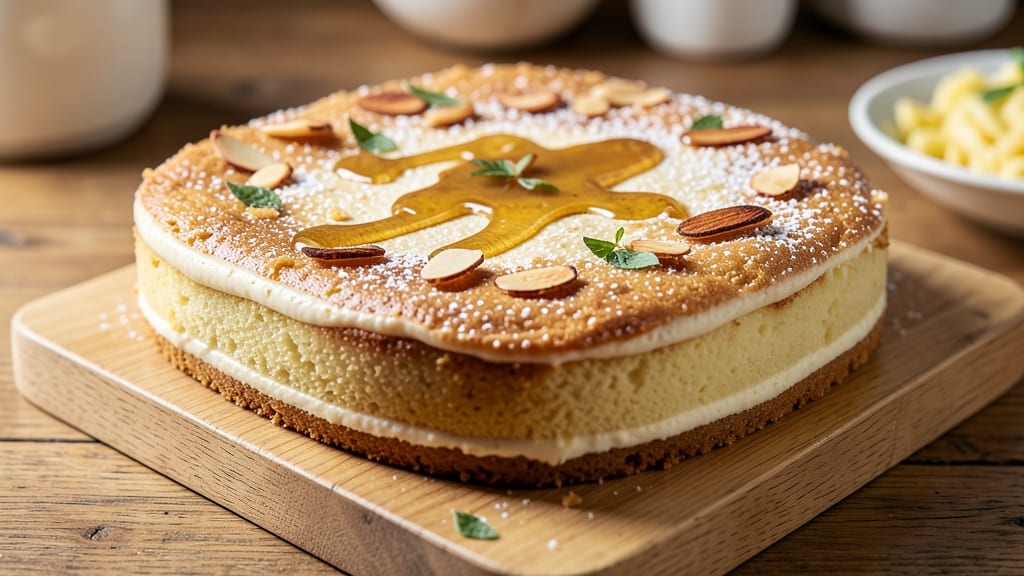
Marion's Kitchen's almond sheet cake delivers layers of nutty vanilla perfection that's impossible to resist. 💛 The secret lies in almond flour and extract, which infuse every bite with rich, toasty flavor while keeping the texture tender yet sturdy enough to slice cleanly.
This recipe transforms a simple sheet pan into a showstopping dessert that's perfect for celebrations or satisfying cravings.
What makes this almond sheet cake special is its foolproof method—no fancy equipment required, just a standard 9x13-inch pan and basic baking techniques. The almond flavor comes through beautifully without overpowering the delicate vanilla notes, creating a harmonious balance that's both sophisticated and comforting.
Baking time is carefully timed to ensure a golden top and moist interior.
Once out of the oven, you'll have a tender, slightly crisp-edged cake that's ready for frosting or serving as-is with fresh berries. The almond essence permeates every layer, making each slice a flavorful experience.
Whether you're hosting a dinner party or simply craving something indulgent, this sheet cake delivers restaurant-quality results at home.
For extra flair, dust with powdered sugar or drizzle with melted chocolate before serving. The recipe scales easily for larger gatherings, and leftovers keep well for up to three days. Here's how to create Marion's Kitchen's signature almond sheet cake that will have everyone asking for seconds.
Ingredients for almond sheet cake recipe marion's kitchen
Almond flour and extract create the signature nutty vanilla flavor in this tender sheet cake.
| Ingredient | Amount | Notes |
|---|---|---|
| Almond Flour 🌰 | 2 ½ cups | Finely ground, unsweetened |
| All-Purpose Flour 🌾 | ½ cup | For structural support |
| Granulated Sugar 🍚 | 1 ½ cups | White or light brown |
| Almond Extract 🌿 | 1 tbsp | Pure, high-quality extract |
| Vanilla Extract 💛 | 1 tbsp | Pure vanilla preferred |
| Unsalted Butter 🧈 | 1 cup | Cold, cubed for creaming |
| Large Eggs 🥚 | 3 whole | Room temperature |
| Baking Powder 🍞 | 2 tsp | Diamond Crystal preferred |
| Salt 🧂 | ½ tsp | Fine sea salt |
| Milk 🥛 | ½ cup | Whole milk preferred |
| Powdered Sugar 🍚 | 1 cup | For dusting (optional) |
| Fresh Berries 🍓 | 1 ½ cups | For garnish (optional) |
The almond flour is the heart of this recipe—look for finely ground, unsweetened almond flour at specialty stores like Whole Foods or Trader Joe's for the best texture. Bob's Red Mill brand is a reliable choice if you're shopping online. Freshness matters here: almond flour oxidizes quickly, so store it in an airtight container in the freezer for up to 6 months. The vanilla and almond extracts should be pure, high-quality brands—McCormick or Goya are solid options. For the butter, Plugrá or Land O'Lakes unsalted work well, but European-style butter like President adds extra richness if you're willing to splurge.
No almond flour? Substitute with 2 cups of all-purpose flour plus 1 cup of ground almonds (blend your own for best texture), though the flavor will differ slightly. Vanilla bean paste can replace vanilla extract if you prefer a more complex flavor profile. For the eggs, room temperature is key—they'll blend more smoothly. If you're avoiding dairy, vegan butter works in a pinch, though texture may vary. The milk can be swapped for oat or almond milk for a lighter option, though whole milk yields the best results. Diamond Crystal baking powder is preferred over Aluminum-free brands for proper rise—it's a subtle but noticeable difference.
This cake keeps beautifully for 3-4 days at room temperature, wrapped tightly in plastic. For longer storage, freeze individual slices for up to 3 months—just thaw at room temperature before serving. The optional powdered sugar or berries add a restaurant-worthy finish, but the cake is delicious on its own. Portion before freezing if you plan to store it, as thawed cake can become slightly crumbly. For best results, let the cake cool completely before slicing—this ensures clean cuts and prevents crumbling.
Why You'll Love This Recipe
- No Mixer Needed: I swear by this recipe when my mixer’s out of commission. The almond flour and all-purpose blend comes together with just a whisk—no standing at the counter for 10 minutes. Honestly, the cake’s so tender, you’d never guess it didn’t get a full beat.
- Marion’s Magic Flavor: That almond extract and vanilla combo? It’s like a warm hug in cake form. The almond flour gives it a subtly nutty depth, while the sugar keeps it from tasting like you’re eating flour. (Yes, even on a Tuesday night.)
- Sheet Pan Simplicity: One pan, one bowl, done. No layers, no fuss—just slide it in the oven and forget about it. I’ve made this for birthday cakes, potlucks, and even as a last-minute dessert when friends dropped by. It’s my go-to for any occasion without the drama.
- Budget-Friendly Luxury: Almond flour can be pricey, but this recipe uses just enough to make it special without breaking the bank. The rest is basic pantry stuff, and leftovers? They freeze like a dream for when you’re too lazy to bake again. (Spoiler: You’ll be back in the kitchen.)
Step-by-step instructions for almond sheet cake
Here's how to create Marion's Kitchen's signature nutty, moist layers with perfect texture.
🍳 Step 1: Cream Butter and Sugar for Light Texture
In a stand mixer fitted with the paddle attachment, beat the 1 cup unsalted butter (cold, cubed) and 1.5 cups granulated sugar on medium speed for 3-4 minutes. The mixture should become pale and fluffy, nearly doubling in volume. This creaming process incorporates air, which creates the cake's signature tender crumb.
I press the paddle against the bowl occasionally to ensure all the butter is fully incorporated. You'll know it's ready when the mixture leaves clean streaks on the sides of the bowl and looks like light, airy whipped cream. This step is critical—under-creaming leads to dense cake, while over-creaming adds too much gluten.
👨🍳 Step 2: Add Eggs and Extracts for Flavor Development
Add the 3 whole large eggs, one at a time, mixing on low speed for 30 seconds after each addition until fully incorporated. Then add the 1 tablespoon almond extract and 1 tablespoon vanilla extract, mixing for another 30 seconds to combine. The mixture will look slightly curdled, but that's normal.
Here's where the magic happens: the extracts infuse the batter with their distinct aromas. I like to press my finger into the mixture to check for proper emulsification—it should hold its shape without being too thick. If the batter looks too stiff, add 1 tablespoon of the 0.5 cup milk to loosen it slightly while maintaining good structure.
👨🍳 Step 3: Combine Dry Ingredients for Even Distribution
In a separate bowl, whisk together the 2.5 cups almond flour, 0.5 cup all-purpose flour, 2 teaspoons baking powder, and 0.5 teaspoon salt. Sift the mixture directly into the wet ingredients while mixing on low speed for 30-45 seconds until just combined. You should still see small flour streaks—this prevents overdevelopment of gluten.
I use a silicone spatula to gently fold in any stubborn dry spots. The almond flour gives this cake its signature nutty flavor and moist texture, while the all-purpose flour provides the structural support needed for proper rise. Don't overmix—this is where many sheet cakes go wrong and end up tough instead of tender.
🥘 Step 4: Prepare and Bake the Cake Layers
Preheat your oven to 350°F and line two 11x17-inch jelly roll pans with parchment paper. Divide the batter evenly between the pans, spreading it into ¼-inch thick layers using an offset spatula. Tap the pans gently on the counter to release any air bubbles.
Bake for 12-15 minutes until the edges are golden brown and a toothpick inserted in the center comes out clean. I rotate the pans halfway through baking for even heat distribution. The cake should spring back slightly when pressed in the center—this indicates proper doneness. Remove from the oven and let cool in the pans for 5 minutes before transferring to a wire rack.
⏰ Step 5: Assemble and Dust with Powdered Sugar
Once completely cool, place one cake layer on a serving tray and spread a thin layer of powdered sugar (about ¼ cup) over the surface using a fine-mesh sieve. Top with the second layer and dust the top layer with the remaining powdered sugar. The berries are optional but add beautiful color contrast—arrange 1.5 cups fresh berries decoratively around the edges.
This cake keeps well at room temperature for 3 days or can be refrigerated for up to 5 days. For best texture, serve at room temperature. The almond flour base gives it a naturally moist crumb that stays tender even when sliced. The vanilla-almond flavor combination makes this a showstopper for any occasion.
Pro Tips For Making Almond Sheet Cake Recipe Marion'S Kitchen
- Sift the Almond Flour First: I learned this the hard way—skipping it means dense, uneven cake. Pulse almond flour in a food processor for 30 seconds before mixing to break up clumps, then sift it with the all-purpose flour. This lightens the texture and prevents a gritty bite, especially when using store-bought almond flour that’s packed tightly.
- Weigh Your Sugar Precisely: Granulated sugar in this recipe isn’t just sweetness—it’s structure. Use a kitchen scale for the 1½ cups; scooping by volume leads to dry spots or a gummy center. Pack the sugar lightly into the measuring cup (tap it once on the counter) to match the recipe’s intent, but don’t overdo it—this cake needs air, not compression.
- Bake Until the Center Springs: The almond extract makes this cake almost foolproof, but resist the urge to pull it early. Insert a toothpick at the center—it should come out with moist crumbs, not wet batter. If it’s dry but the edges are golden, tent foil loosely and bake 2–3 more minutes; underbaking turns the middle gummy, and no one wants that.
- Toast the Almond Flour (Optional Upgrade): Sounds weird, but it works: Spread 1 cup of almond flour on a baking sheet and toast at 350°F for 5–7 minutes until it smells nutty and deepens in color. Cool completely before mixing—this adds a subtle caramelized richness that cuts through the sweetness. Skip this if you’re short on time, but your future self will notice the difference.
Creative variations of these flavors
Citrus Twist Variation
Brighten the classic almond flavor with 1 tablespoon lemon or orange zest added to the dry ingredients. The citrus cuts through the richness while adding a refreshing contrast.
I like to use organic Meyer lemons for their natural sweetness—just ½ teaspoon zest per tablespoon of almond extract enhances the flavor without overpowering. Pair with a simple honey glaze (mix ¼ cup powdered sugar with 1 tablespoon honey and 1 teaspoon lemon juice) for a modern twist. 🍋
Chocolate-Dipped Layers
For a decadent twist, spread a thin layer of melted dark chocolate (about ½ cup) between the cake layers. Use 70% cacao chocolate for depth—it complements the almond without dominating. After baking, let the chocolate cool slightly before assembling to prevent melting.
Top with toasted almond slices for added texture and a nod to the cake’s signature flavor. This version feels like a luxurious dessert but keeps the same easy prep. 🍫
Spiced Chai Infusion
Transform this cake into a cozy seasonal treat by adding 1 teaspoon ground cinnamon, ½ teaspoon cardamom, and ¼ teaspoon cloves to the dry ingredients. The spices pair beautifully with the almond and vanilla, creating a warm, aromatic profile.
I recommend using Whole Foods 365 spice blends for consistency. Serve with a chai-spiced whipped cream (whip ½ cup heavy cream with ½ teaspoon cinnamon and 1 teaspoon vanilla) for a comforting finish. ✨
Coconut-Almond Fusion
Swap ½ cup of the almond flour for ½ cup toasted coconut flour to add a tropical twist. The coconut enhances the nutty notes while introducing a subtle sweetness. For extra flair, toast ½ cup unsweetened coconut flakes and sprinkle them over the top layer before baking.
This variation works especially well with mango slices as a garnish, balancing the richness with fresh fruit. 🥥
Espresso-Almond Boost
For coffee lovers, stir 1 tablespoon instant espresso powder into the dry ingredients. The espresso deepens the almond flavor and adds a subtle bitterness that balances the sweetness. I use Starbucks Via for its smooth, dissolved texture.
Pair with a vanilla bean glaze (mix ½ cup powdered sugar with 1 tablespoon vanilla bean paste and 1 teaspoon milk) for a sophisticated touch. This version is a crowd-pleaser for dessert lovers who enjoy bold flavors. ☕
Nutrition facts
Frequently asked questions
Can I make this almond sheet cake in a 9x13-inch pan instead of two 11x17-inch pans?
Yes, but you'll need to adjust the baking time and method. Spread the batter into a ¼-inch thick layer in the 9x13-inch pan and bake at 350°F for 20-25 minutes. The cake will be thicker, so check doneness with a toothpick at 20 minutes. For best results, bake it as two thin layers in the larger pans—this ensures even cooking and prevents a dense center.
How do I store leftover almond sheet cake?
Wrap the cake tightly in plastic wrap and store at room temperature for up to 3 days. For longer storage, slice the cake and freeze individual portions in airtight containers for up to 3 months. Thaw overnight in the refrigerator before serving. The almond flour keeps the cake moist even after freezing, but avoid refrigerating longer than necessary to prevent drying.
What's the secret to getting the perfect almond flavor?
The key is using high-quality almond extract and freshly ground almond flour. Use 1 tablespoon almond extract (no more—it can become overpowering) and ensure your almond flour is finely ground and unsweetened. Toasting the almond flour for 5 minutes at 350°F before mixing enhances the nutty aroma without adding sweetness.
Can I substitute almond flour with regular flour?
You can try, but the texture and flavor will change. Replace 2.5 cups almond flour with 2 cups all-purpose flour plus 1 cup ground almonds (blend your own for best texture). The cake will be lighter but less moist. For a closer match, add 2 tablespoons extra milk to compensate for the lack of fat in regular flour.
Why did my cake turn out dense instead of tender?
Overmixing the batter or overbaking are the most common causes. Ensure you mix the dry ingredients just until combined (small flour streaks should remain) and bake until a toothpick comes out clean but not dry. Also, don't skip the 5-minute rest in the pan after baking—this helps the cake set properly. If the oven runs hot, reduce the temperature to 340°F for more even cooking.