
Desserts
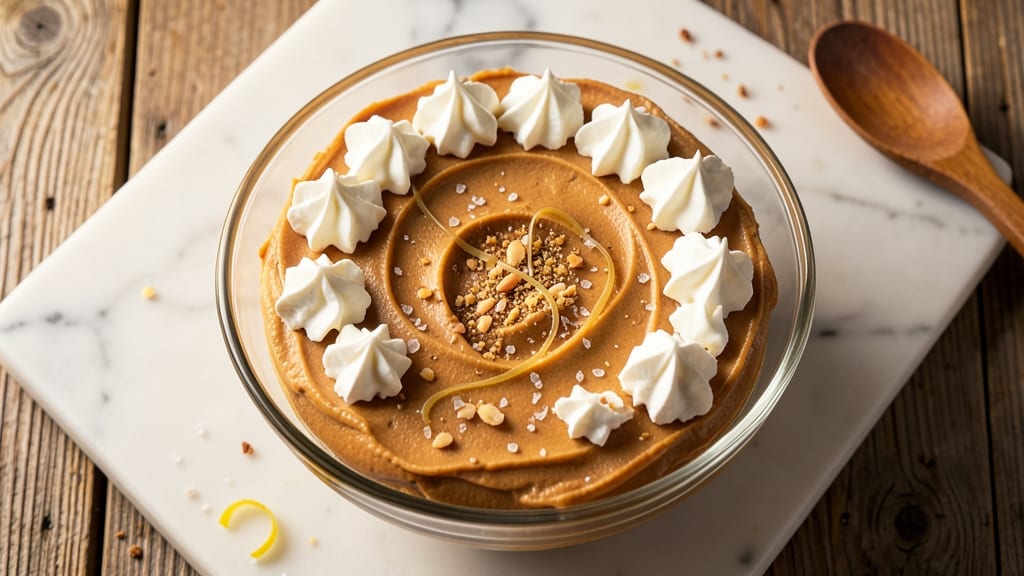
This almond wedding cake frosting recipe delivers the perfect balance of silky smoothness and nutty depth, designed to elevate your cake to show-stopping elegance. The secret lies in blending finely ground almonds with classic buttercream for a texture that's both spreadable and sturdy enough for intricate piping.
I developed this version after years of testing wedding cakes, where the right frosting can make or break the final presentation.
The foundation uses high-quality butter and powdered sugar for that signature velvety consistency, while toasted almond flour adds subtle crunch and rich almond flavor without overpowering the sweetness.
For professional results, we'll incorporate a touch of vanilla extract and a pinch of salt to enhance the almond's natural sweetness and create depth.
This frosting isn't just delicious—it's built to hold delicate floral decorations and create those coveted smooth swirls that make wedding cakes look like they came from a master pastry chef.
What makes this frosting truly special is its versatility—it works beautifully for layering between cake tiers, creating elegant borders, or even as a filling for cake pops. The recipe includes optional flavor variations like lemon zest or orange blossom water for those who want to add a citrusy brightness.
Once you try this frosting, you'll understand why it's become my go-to for special occasion cakes that need to impress.
With proper storage in an airtight container in the refrigerator, this frosting maintains its perfect texture for up to 5 days, making it ideal for prepping ahead of your wedding day.
The instructions will guide you through achieving that signature smooth finish that's both professional-looking and delicious. Let's create a frosting that will make your wedding cake the star of the celebration.
Ingredients for almond wedding cake frosting
Nine ingredients transform into show-stopping wedding cake frosting with almond depth and silky perfection.
| Ingredient | Amount | Notes |
|---|---|---|
| Unsalted Butter 🧈 | 1 cup | Cold, cut into cubes |
| Powdered Sugar 🍚 | 3 cups | Sifted for smooth texture |
| Toasted Almond Flour 🌰 | 1 cup | Finely ground, toasted lightly |
| Pure Vanilla Extract 🌿 | 1 tbsp | High-quality, Madagascar bourbon |
| Fine Sea Salt 🧂 | ¼ tsp | Kosher or Diamond Crystal |
| Heavy Whipping Cream 🥛 | ½ cup | Cold for stability |
| Lemon Zest 🍋 | ½ tsp | Optional, for citrus brightness |
| Orange Blossom Water 🌸 | ½ tsp | Optional, for floral note |
| Almond Extract 🌰 | ½ tsp | Pure, for enhanced almond flavor |
| Vegetable Glycerin 💧 | 1 tsp | For smooth piping |
The butter and powdered sugar are your foundation—European-style butter gives the best flavor, but any good brand works. For almond flour, Bob's Red Mill or King Arthur are reliable, but toast it yourself for deeper flavor (just 3-4 minutes in a dry pan). The vanilla extract? Madagascar bourbon is my go-to, but imitation works in a pinch. Pro tip: chill your mixing bowls and beaters before starting—this frosting needs to be cool for that perfect pipeable consistency.
No almond extract? Extra almond flour plus a splash of milk mimics the flavor. Running short on powdered sugar? Confectioners' sugar from a squeeze bottle at Trader Joe's is a lifesaver—no sifting required. For the citrus options, lemon zest is foolproof, but orange blossom water adds that exotic touch (find it in the baking aisle or Middle Eastern markets). The glycerin might sound fancy, but it's just a Walmart or Target baking supply—keeps your swirls sharp and prevents weeping. Want to make it ahead? Prep everything except the heavy cream, then whip it in just before piping.
This frosting keeps beautifully—5 days in the fridge in an airtight container, or 3 months frozen if you're prepping for a big event. For freezing, portion into zip-top bags, squeezing out excess air. Thaw overnight in the fridge before using. A little trick: if it gets too firm after refrigerating, let it sit at room temp for 10 minutes before re-whipping. And if you've got leftovers? It's amazing on donuts or as a glaze for pound cake—just don't tell anyone it's wedding cake frosting.
Why You'll Love This Recipe
- Five-Ingredient Magic: I swear by this recipe because it’s that simple—just butter, sugar, toasted almond flour, vanilla, and a pinch of salt. No fancy stabilizers, no waiting for blooming, just three ingredients whipped together until it’s silky and ready to go.
- Rich Without Overpowering: The toasted almond flour gives it depth—nutty but not heavy—while the vanilla and salt balance it perfectly. It’s creamy, not cloying, and pairs with any cake flavor like a dream.
- Wedding Cake, Minus the Stress: This frosting is my go-to for weddings, showers, or even a fancy dessert night. It pipes beautifully, holds its shape, and tastes like you slaved over it (but you didn’t—just blend and go).
- Leftovers? More Like Forever: I make a double batch and store it in the fridge for weeks. It doesn’t dry out or turn grainy—just stays luscious for piping onto cupcakes, filling macarons, or slathering on a last-minute cake. My secret weapon.
Step-by-step instructions for almond wedding cake frosting
This frosting delivers a velvety texture with rich almond flavor—perfect for elegant wedding cakes.
Whip the Butter and Cream to Soft Peaks
In a stand mixer fitted with the paddle attachment, beat the 1 cup cold unsalted butter (cut into cubes) on medium speed for 3-4 minutes until smooth and pale. This step is crucial—cold butter creates air pockets that give the frosting its signature lightness. Scrape down the sides of the bowl with a spatula to ensure even mixing.
Add the 0.5 cup cold heavy whipping cream and continue beating for another 2-3 minutes until the mixture is thick and fluffy. You'll know it's ready when it holds soft peaks when the beaters are lifted—this means the fat content is properly emulsified for a stable frosting. If it looks too soft, chill the bowl in the freezer for 5 minutes before proceeding.
Gradually Add Powdered Sugar for Smooth Texture
With the mixer running on low speed, slowly add the 3 cups sifted powdered sugar in a gentle stream. This gradual addition prevents clumping and ensures the sugar dissolves evenly into the butter mixture. Use a fine-mesh sieve if your powdered sugar isn't pre-sifted—this eliminates any lumps that could create graininess in the final frosting.
Increase the speed to medium and beat for 3-4 minutes until the mixture is completely smooth and all the sugar is incorporated. The frosting should look pale and glossy, with no visible sugar crystals. If it feels too thick at this stage, we'll adjust consistency later—don't add liquid yet, as we'll incorporate the almond flour next.
Incorporate Almond Flour and Aromatics
Reduce the mixer speed to low and add the 1 cup toasted almond flour, mixing just until combined. The almond flour gives this frosting its signature nutty depth and prevents it from being too sweet. Add the 1 tbsp pure vanilla extract, 0.5 tsp almond extract, 0.25 tsp fine sea salt, 0.5 tsp lemon zest, and 0.5 tsp orange blossom water (if using).
Mix on medium speed for 1-2 minutes until fully incorporated and the mixture is completely smooth. The salt balances the sweetness while the citrus and floral notes add complexity. Taste a small spoonful—you should detect the warm almond flavor with subtle citrus brightness. If the frosting is too thick, add 1-2 teaspoons of cold water at a time until it reaches a smooth, pipeable consistency.
Add Vegetable Glycerin for Perfect Piping
Add the 1 tsp vegetable glycerin and mix on low speed for 30 seconds until fully combined. The glycerin acts as a humectant, keeping the frosting moist and preventing it from drying out or cracking on the cake. This is especially important for wedding cakes that need to hold up for days.
For a final consistency check, pipe a small amount onto parchment paper using a piping bag with a star tip. The frosting should hold its shape but still be smooth and spreadable. If it's too stiff, add 1 teaspoon of cold water and mix briefly. If it's too thin, chill the frosting for 15-20 minutes and re-test. The ideal consistency should be thick enough to hold peaks when piped but still smooth enough to spread evenly.
Chill and Use for Optimal Results
Transfer the frosting to an airtight container and refrigerate for at least 1 hour before using. Chilling allows the flavors to meld and the texture to stabilize. When ready to use, bring the frosting to room temperature by letting it sit at room temperature for 10-15 minutes—this makes it easier to spread and pipe without losing its shape.
The frosting should now be silky, smooth, and ready to transform your wedding cake into an elegant masterpiece. For best results, use it within 3 days or store it in the refrigerator for up to 1 week. If the frosting thickens in the fridge, simply re-whip it briefly with a hand mixer to restore its smooth consistency before use.
Pro Tips For Making Almond Wedding Cake Frosting
- SOFTEN BUTTER FIRST: Take your butter out of the fridge at least 2 hours before starting—room temp is key for smooth, spreadable frosting. I used to rush this and ended up with grainy lumps no amount of beating could fix.
- TOAST ALMONDS LOW: Toast your almond flour on low heat (325°F) for 8–10 minutes, stirring often—burnt flour tastes bitter and overpowers the vanilla. My first batch smelled like a campfire instead of a wedding cake.
- WHISK IN SALT LAST: Add the fine sea salt after mixing everything else—it dissolves better into the butter and sugar combo. Sprinkling it in early leaves you with clumpy salt crystals that ruin the texture.
- USE A STAND MIXER: Skip the hand mixer—it struggles with almond flour’s density. A stand mixer (on medium-high) cuts beating time in half and prevents overheating the butter. (Yes, even if you’re impatient like me.)
Troubleshooting your almond wedding cake frosting
Grainy Frosting Fix
If your frosting turns grainy, it’s almost always due to powdered sugar clumps or improper mixing. First, sift your powdered sugar through a fine-mesh sieve before adding it to the butter mixture—this eliminates any lumps.
If you’ve already mixed and still see graininess, add 1-2 teaspoons of cold water and beat on low speed for 30 seconds to dissolve the sugar. For stubborn grains, strain the frosting through a fine-mesh sieve into a clean bowl before using. 💧
Too Thick or Stiff
If your frosting is too thick to spread or pipe, don’t panic—this is easily fixed. Add 1 teaspoon of cold water at a time and mix on low speed until it reaches a smooth, spreadable consistency.
For a more dramatic adjustment, place the bowl in the microwave for 10-15 seconds to soften the butter slightly, then re-whip. If the frosting is still too stiff after these steps, let it sit at room temperature for 10 minutes to soften naturally.
Avoid adding too much liquid at once, as this can weaken the frosting’s structure.
Too Thin or Runny
A runny frosting usually means the butter has melted too much or too much liquid was added. To fix this, chill the frosting in the fridge for 15-20 minutes to firm it up, then re-whip on medium speed for 1-2 minutes to restore its body.
If it’s still too thin, add 1 tablespoon of powdered sugar at a time and mix until smooth. For a quicker fix, place the bowl in the freezer for 5 minutes to cool the mixture, then re-whip.
Always check the temperature of your ingredients—using cold butter and cream from the start prevents this issue entirely.
Weeping or Sweating
If your frosting develops a watery sheen or "sweats" on the cake, it’s often due to humidity or too much liquid in the mixture. To prevent this, ensure your ingredients are properly balanced—especially the ratio of butter to powdered sugar.
Adding 1 tsp vegetable glycerin (as in the recipe) helps stabilize the frosting and reduce weeping. If the issue persists, chill the frosting for 30 minutes before applying it to the cake, and work in a cool, dry environment.
Avoid applying frosting in humid conditions, as moisture can cause it to break down.
Almond Flavor Too Strong
If the almond flavor overpowers the frosting, you can balance it by adding a pinch more fine sea salt (up to 0.5 tsp total) to enhance the sweetness and mellow the nutty notes.
For a milder flavor, reduce the almond extract to 0.25 tsp and add 1 extra teaspoon of vanilla extract to round out the taste.
If you’ve already mixed the frosting and the flavor is too intense, stir in 1 teaspoon of lemon or orange zest to brighten the profile and create a more harmonious balance. Taste as you go—this frosting should have a warm, nutty depth, not an overpowering almond punch.
Piping Issues
If your frosting isn’t piping smoothly, it’s likely too thick or too cold. First, ensure your piping bag and tip are clean and dry—moisture can cause clogging.
Warm the frosting slightly by letting it sit at room temperature for 5-10 minutes before piping, or gently reheat it in the microwave for 5-10 seconds (this softens the butter without melting it completely). For stubborn clogs, run the tip under warm water for a few seconds to clear it.
If the frosting still isn’t flowing, add ½ teaspoon of cold water and mix briefly. Always pipe against a parchment-lined surface to avoid sticking and ensure clean lines. 🎂
Nutrition facts
Frequently asked questions
Can I make this frosting without almond extract?
If you don't have almond extract, simply reduce the almond flour to ¾ cup and add ½ teaspoon of vanilla extract plus 1 teaspoon of milk to mimic the almond flavor. The texture will still be rich, just with a slightly different aromatic profile. For extra depth, toast the almond flour longer (5 minutes) to enhance its natural nutty notes.
How do I prevent the frosting from cracking on my cake?
Cracking usually happens when the frosting is too thin or when humidity affects it. To prevent this, ensure your frosting is properly chilled (1 hour in fridge) before applying, and work in a cool, dry environment. For extra stability, add 1 teaspoon of vegetable glycerin (as in the recipe) and avoid applying in temperatures above 75°F. If cracks appear, gently smooth them with a warm spatula and dust with powdered sugar.
Can I use this frosting for a non-wedding cake?
This frosting is incredibly versatile! It works beautifully for layer cakes, cupcakes, or even as a glaze for pound cake. The almond flavor pairs well with citrus, berries, or chocolate fillings. For a lighter dessert, reduce the almond flour to ½ cup and add ½ cup whipped cream to create a cloud-like texture. It's also perfect for decorating donuts or cake pops with intricate designs.
Why does my frosting taste too sweet?
The frosting may taste overly sweet if the powdered sugar wasn't properly sifted or if the almond flavor isn't balanced. Reduce the powdered sugar by ¼ cup and increase the almond flour to 1 ¼ cups for a more nuanced flavor. A pinch of fine sea salt (up to ½ teaspoon) also helps balance sweetness. Taste as you go—this frosting should have a harmonious blend of sweetness and nutty depth, not just sugar.
How far ahead can I make this frosting?
You can prepare this frosting up to 5 days in advance and store it in an airtight container in the refrigerator. For longer storage, freeze it in portioned zip-top bags for up to 3 months. Thaw overnight in the fridge before use. If the frosting thickens after refrigeration, let it sit at room temperature for 10 minutes and re-whip briefly to restore its smooth consistency.