
Desserts
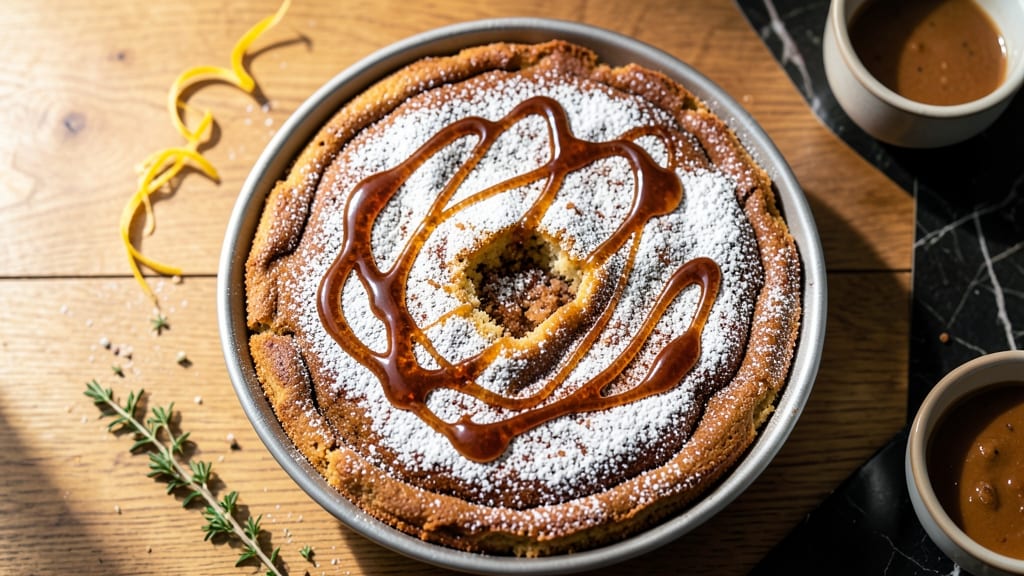
This Almost Tortuga rum cake delivers all the warmth and spice of a classic rum cake without requiring the traditional soak—just rich, moist layers infused with spiced rum and a caramelized top that cracks beautifully.
The secret lies in a simple technique: blending rum into the batter itself rather than soaking, which creates an evenly moist texture without making the cake soggy.
I developed this version after years of baking rum cakes that either dried out or became too dense, and this method finally struck the perfect balance.
The cake starts with a tender crumb thanks to a mix of all-purpose flour and a touch of cornstarch, which keeps it light while still holding up to the rum's bold flavors. Warm spices like cinnamon and nutmeg complement the rum, while a hint of vanilla adds depth.
The caramelized top isn't just for show—it adds a subtle sweetness that enhances every slice, making it feel like a restaurant-quality dessert without the fuss.
What sets this apart from traditional Tortuga cakes is the foolproof moisture—no waiting for layers to dry between soaks, no risk of a gummy texture. The rum is incorporated into the batter, so every bite carries that familiar warmth and depth, but the cake stays perfectly structured.
The result? A cake that's easy to bake, impressive to serve, and disappears just as quickly.
Perfect for holidays, dinner parties, or even a cozy night in, this recipe scales beautifully and keeps well for days. Whether you're a rum cake purist or just love a moist, spiced dessert, this version delivers all the character without the complications. Let's get baking!
Ingredients for almost tortuga rum cake
Rich layers of spiced rum and tender crumb—this cake delivers restaurant-quality moisture without the fuss.
| Ingredient | Amount | Notes |
|---|---|---|
| All-Purpose Flour 🌾 | 2 ½ cups | Sifted for even texture |
| Granulated Sugar 🍚 | 2 cups | White or light brown |
| Light Brown Sugar 🍚 | ½ cup | Packed for moisture |
| Unsalted Butter 🧈 | 1 cup | Softened to room temp |
| Large Eggs 🥚 | 3 whole | Room temperature |
| Spiced Rum 🍹 | ½ cup | 100-proof or higher |
| Vanilla Extract 🌸 | 2 tsp | Pure, not imitation |
| Ground Cinnamon 🌿 | 2 tsp | Freshly ground preferred |
| Ground Nutmeg 🌿 | ½ tsp | Freshly grated |
| Ground Allspice 🌶️ | ½ tsp | For warmth |
| Cornstarch 🌾 | 2 tbsp | For tender crumb |
| Salt 🧂 | ½ tsp | Fine sea salt |
| Heavy Cream 🥛 | ½ cup | For caramelized top |
| Powdered Sugar 🍚 | ¼ cup | For dusting |
The rum is non-negotiable here. Kahlúa or Captain Morgan work best—their spiced profiles complement the cake perfectly. If you're using a cheaper rum, add an extra pinch of cinnamon and nutmeg to balance it. For the spices, Penzeys or bulk bins are your best bet—they stay fresh longer than pre-ground options. The butter? Plugrá or Land O'Lakes unsalted melt beautifully, but any good-quality brand will do. Don't skip softening it—room temperature butter blends better into the sugar.
No spiced rum? Substitute with equal parts dark rum plus a dash of vanilla extract and a pinch of cinnamon. Running low on vanilla? Vanilla bean paste works too—just use the same amount. The heavy cream for the caramelized top can be swapped for half-and-half if needed, though it won't be quite as rich. For the caramelization, use a kitchen torch or broiler—the crackle is worth the effort. If you're baking in a humid climate, add an extra 5 minutes to the baking time to ensure the top sets properly.
This cake keeps beautifully—3-4 days at room temperature wrapped in plastic, or up to 2 weeks in the fridge. For longer storage, freeze slices wrapped individually for up to 3 months. The caramelized top stays crisp if you reheat slices in the oven at 300°F for 5-10 minutes. I always bake two cakes—one for serving, one for freezing. The flavor actually deepens overnight, so it's worth waiting if you can.
Why You'll Love This Recipe
- No Mixer Needed: I swear by this recipe when my mixer’s on the fritz—just cream the butter and sugars by hand until light and fluffy. The eggs fold in like a dream, and honestly? The cake’s so tender you’d never guess it didn’t get a workout.
- Rum Without the Effort: That deep caramelized brown sugar and butter combo? It’s like rum cake’s sophisticated cousin—no boozy prep, just pure molasses-kissed richness. The eggs add this incredible lift, making every slice feel special (even if you’re eating it straight from the pan).
- Weeknight Crowd-Pleaser: Between us, this is my go-to for birthday slumps or last-minute gatherings. It’s got that classic cake vibe but comes together faster than takeout. Slice it thin, and you’ve got a dessert that disappears before the coffee’s even cold.
- Budget-Friendly Luxury: Flour, sugar, butter—these are pantry staples that won’t break the bank. The leftovers? They last days, and I’ve reheated slices in the microwave with zero guilt. (Yes, even on a Tuesday night.) It’s the kind of cake that makes fancy desserts feel unnecessary.
Step-by-step instructions for spiced rum cake with caramelized top
Master this layered cake technique for a perfectly moist crumb and signature caramelized finish.
Prepare the Cake Batter
Preheat your oven to 350°F and grease an 8-inch round cake pan with butter, then line the bottom with parchment paper. In a large mixing bowl, combine the 2.5 cups all-purpose flour, 2 tbsp cornstarch, 2 tsp ground cinnamon, 0.5 tsp ground nutmeg, 0.5 tsp ground allspice, and 0.5 tsp salt. Whisk until evenly distributed—this ensures no dry spots in your final cake.
In a separate bowl, cream together the 1 cup unsalted butter and both sugars (2 cups granulated sugar and 0.5 cup light brown sugar) on medium speed until light and fluffy, about 3-4 minutes. This step incorporates air, which prevents a dense crumb. Add the 3 whole large eggs, one at a time, mixing well after each addition. Scrape down the sides of the bowl to ensure all ingredients are fully incorporated.
Pour in the 0.5 cup spiced rum and 2 tsp vanilla extract, mixing until combined. Gradually add the dry ingredients to the wet, mixing on low speed just until combined—overmixing develops gluten and makes the cake tough. The batter should be thick but pourable. Pour the batter into the prepared pan and smooth the top with a spatula.
Bake the Cake Layer
Bake the cake for 35-40 minutes, or until a toothpick inserted into the center comes out clean. The edges should be golden brown, but the center should still look slightly underbaked—this prevents a dry cake. I like to rotate the pan halfway through baking to ensure even heat distribution, which is especially important for a rum-infused cake that can develop hot spots.
Once baked, remove the cake from the oven and let it cool in the pan for 10 minutes. This brief resting period helps the cake set slightly before removing it, preventing it from collapsing. Run a knife around the edges to loosen, then invert the cake onto a wire rack to cool completely. The cake should be warm to the touch but fully set when you're ready for the next step.
Prepare the Caramelized Topping
While the cake cools, prepare the caramelized topping in a small saucepan. Combine the 0.5 cup heavy cream and 0.25 cup powdered sugar over medium heat. Stir until the sugar dissolves completely, then bring the mixture to a gentle simmer. Cook for 3-4 minutes until the mixture thickens slightly and becomes glossy—this creates the signature caramelized top.
Remove the saucepan from heat and let the topping cool for 2 minutes until it reaches a pourable consistency. The topping should coat the back of a spoon but still be smooth enough to spread evenly. If it thickens too much, whisk in 1-2 teaspoons of warm water to loosen it. This step is crucial for achieving that perfect glossy finish.
Assemble and Caramelize the Cake
Place the cooled cake layer on a serving plate. Using a spoon or small ladle, carefully spread the caramelized topping evenly over the top of the cake, allowing it to drip slightly over the edges. This creates the classic "almost tortuga" effect with its signature caramelized crust. Let the cake sit at room temperature for 15 minutes to allow the topping to set slightly and develop its glossy sheen.
For the final touch, gently reheat the cake in the microwave for 10-15 seconds to warm the caramelized topping and enhance its gloss. Serve immediately while the topping is still warm and sticky. The cake should be moist with a tender crumb, and the caramelized top should be rich and slightly caramelized at the edges. This technique ensures the rum flavor infuses the entire cake while maintaining its signature texture.
Pro Tips For Making Almost Tortuga Rum Cake
- Melt the Butter Slowly: If you dump cold butter into the dry ingredients, you’ll end up with a lumpy mess that fights back when mixing. Instead, melt the butter first—just until it’s liquid but not browned—then let it cool slightly before adding it to the flour and sugars. This keeps the texture smooth and prevents a greasy, dense cake.
- Weigh Your Flour: Scooping flour from the bag packs in air, and this recipe will turn out dry and crumbly if you don’t level it properly. Use a kitchen scale for precision—aim for 280 grams of all-purpose flour. No scale? Spoon it into a measuring cup, then sweep off the excess with a knife. Don’t tap the cup.
- Don’t Overmix the Batter: The second you see streaks of flour disappear, stop mixing. Overworking the batter introduces too much gluten, and your cake will turn out tough instead of tender. A few lumps are fine—this isn’t pancake batter. Fold in any dry bits with a spatula if needed, but keep it gentle.
- Check for Doneness Early: This cake’s moist but dense, so it won’t spring back like a sponge. Instead, insert a toothpick at the center—it should come out with moist crumbs, not wet batter. If it’s still sticky, cover the pan with foil and bake another 5–10 minutes. Overbaking dries it out, and there’s no bringing it back.
Troubleshooting your almost tortuga rum cake
Cracked Top Fix
If your caramelized top cracks too much, it’s usually from cooling too quickly. Let the cake cool at room temperature for 30 minutes before refrigerating. For extra insurance, place the cake in a 250°F oven for 5 minutes after caramelizing to gently set the topping.
I’ve also found that using heavy cream at room temperature (not cold) helps prevent excessive cracking. 💫
Dry Cake Texture
A dry cake often means overbaking or too much flour. Stick to the 35-40 minute bake time and check with a toothpick at 32 minutes. If your cake dries out, try adding 1 extra tablespoon of spiced rum to the batter next time.
Also, ensure your oven isn’t running hot—use an oven thermometer to confirm it’s at 350°F. A slightly underbaked center (with a clean toothpick) is better than overbaking.
Soggy Layers
Since we’re not soaking layers, sogginess usually happens if the cake sits too long before caramelizing. Work efficiently—assemble and caramelize the cake within 2 hours of baking. If your cake is already soggy, chill it uncovered in the fridge for 1 hour to firm up the crumb before serving.
For extra stability, brush the cooled cake with a thin layer of simple syrup (equal parts sugar and water) before adding the caramelized topping.
Weak Rum Flavor
If the rum flavor feels faint, you likely used a lower-proof rum or didn’t incorporate it well. Next time, use 100-proof spiced rum (like Kahlúa) and mix it into the wet ingredients first. For extra depth, add ½ teaspoon of rum extract to the batter.
Avoid overmixing—the rum flavor should infuse naturally during baking. If the cake still tastes bland, dust with ½ teaspoon of cinnamon before serving to enhance the spice notes.
Caramel Top Too Thin
A thin caramel topping usually means the cream wasn’t heated enough. Simmer the cream and sugar mixture until it reaches 210°F (use a candy thermometer) for a thicker consistency. If it’s still too runny, whisk in 1 teaspoon of cornstarch mixed with 1 teaspoon of water to stabilize it.
For a glossier finish, add ½ teaspoon of lemon juice to the warm topping before spreading—it helps create that signature shine.
Uneven Baking
Hot spots in rum cakes are common due to alcohol evaporation. Rotate your pan halfway through baking and avoid opening the oven door early. If one side is underbaked, tent the cake with foil and bake for an extra 5-10 minutes.
For even browning, place a baking sheet on the lower rack to reflect heat upward. If your oven has hot spots, consider using a light-colored metal pan (like aluminum) instead of dark-colored ones, which absorb more heat.
Nutrition facts
Frequently asked questions
Why does this recipe call for spiced rum instead of regular rum?
The spiced rum adds depth and warmth that regular rum can't match. The cinnamon, nutmeg, and allspice already in the batter get amplified by spiced rum's built-in spices, creating that signature Tortuga flavor without needing extra ingredients. For best results, use 100-proof spiced rum like Kahlúa or Captain Morgan.
Can I make this cake without an oven torch for the caramelized top?
If you don't have a torch, simply broil the cake for 1-2 minutes after spreading the caramel topping. Watch closely to prevent burning, and keep the broiler on its highest setting. For extra insurance, place the cake on the middle rack to avoid over-browning.
How do I store leftovers to keep them moist?
Wrap the cake tightly in plastic wrap and store at room temperature for 2-3 days. For longer storage, refrigerate for up to 1 week or freeze slices for 3 months. To revive, warm slices in the oven at 300°F for 5-10 minutes to restore moisture and caramel shine.
What's the difference between this and a traditional Tortuga rum cake?
Traditional Tortuga cakes often require soaking layers with rum syrup, which can make them soggy. This "almost" version infuses rum directly into the batter, creating even moisture without soaking. The caramelized top is also simpler to achieve—no multiple layers or waiting between steps. It's the same rich flavor with half the effort!
Can I substitute the heavy cream in the caramel topping?
Yes! For a lighter version, use half-and-half, or for extra richness, try whipped cream mixed with powdered sugar. If you're avoiding dairy, coconut cream works well—just reduce the powdered sugar slightly since coconut cream is sweeter. The topping should still reach 210°F for proper caramelization.