
Desserts
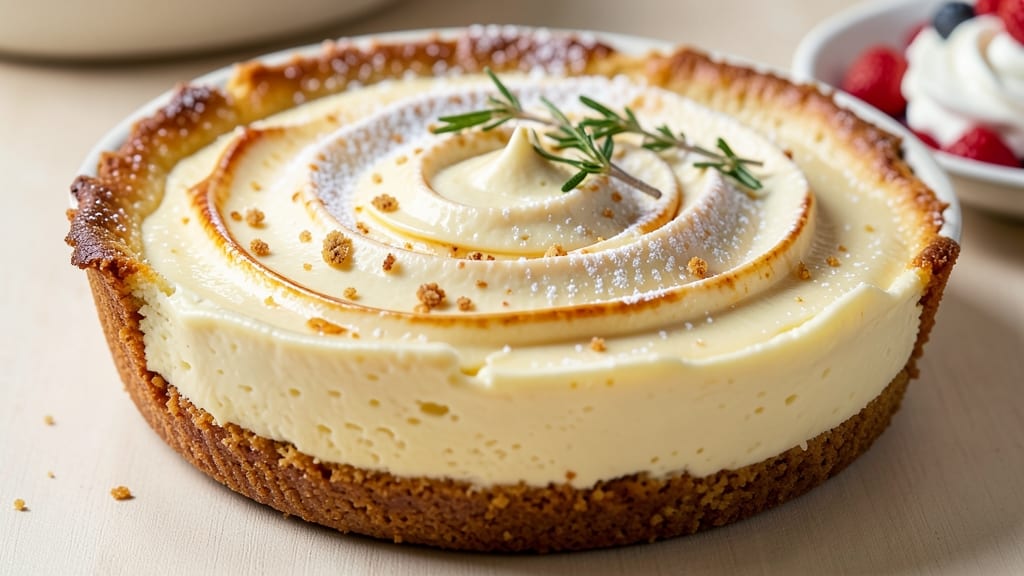
Alton Brown's sour cream cheesecake recipe delivers no-bake stability with a velvety texture that defies traditional baking rules. The secret lies in sour cream's magic—it keeps the filling luscious while preventing cracks, and the silky swirls make every slice look like a masterpiece.
This isn't your average cheesecake; it's a foolproof dessert that requires no oven, no stress, and no experience to nail.
What sets this recipe apart is the technique: a crispy graham cracker crust baked just enough to hold its shape, followed by a filling that sets perfectly in the fridge.
The sour cream base creates that signature creamy, almost custard-like texture, while the swirls of lemon curd or berry compote add a bright, tangy contrast. No wonder this has become a favorite for gatherings—it's elegant, effortless, and always impresses.
By the time you're done, you'll have a cheesecake that's smooth, dense, and rich without being overly sweet. The no-bake method means no risk of sinking or overbaking, and the sour cream ensures it stays moist for days.
Whether you're serving it at a dinner party or enjoying a slice on a lazy afternoon, this recipe delivers restaurant-quality results with minimal effort.
The best part? You can customize it with your favorite flavors—add a layer of caramelized peaches, a swirl of raspberry jam, or a sprinkle of toasted nuts for extra texture. Let's get started on this game-changing dessert that proves you don't need an oven to create something extraordinary.
Ingredients for alton brown sour cream cheesecake
Twelve ingredients for a crowd-pleasing dessert that needs no oven, no stress, and no experience.
| Ingredient | Amount | Notes |
|---|---|---|
| Full-Fat Sour Cream 🧀 | 1 ½ cups | Room temperature preferred |
| Large Eggs 🥚 | 4 whole | Room temperature for blending |
| Cream Cheese (Full-Fat) 🧀 | 32 oz | Room temperature, block preferred |
| Granulated Sugar 🍚 | 1 ½ cups | Superfine preferred for smoothness |
| Graham Cracker Crumbs 🍪 | 2 cups | Finely crushed, no large pieces |
| Unsalted Butter 🧈 | ½ cup | Melted for crust binding |
| Vanilla Extract 🌿 | 2 tsp | Pure vanilla preferred |
| Lemon Juice 🍋 | ½ cup | Freshly squeezed for brightness |
| Heavy Whipping Cream 🥛 | 1 cup | Chilled for swirls |
| Salt 🧂 | ½ tsp | Fine sea salt preferred |
| Lemon Curd (Optional) 🍋 | 1 cup | Store-bought or homemade |
| Blueberries (Optional) 🫐 | 1 ½ cups | Fresh or frozen, no sugar added |
The sour cream and cream cheese are the stars here—both need to be room temperature for a silky texture. Kroger's or Whole Foods carry the full-fat versions that work best. Skip the low-fat stuff—it won't give you that signature velvety consistency. For the graham crackers, I always buy the Honey Maid brand—they crush perfectly and don't turn to dust. The vanilla extract? McCormick's pure vanilla is my go-to, but any good-quality brand works. If you're feeling fancy, add a pinch of vanilla bean paste to the filling for extra depth.
No sour cream? Full-fat Greek yogurt works in a pinch, but the texture won't be identical. Running short on eggs? Flax eggs (1 tbsp ground flax + 3 tbsp water = 1 egg) can substitute, though the cheesecake might be slightly denser. For the lemon juice, freshly squeezed is non-negotiable—bottled just won't cut it. The optional lemon curd? Trader Joe's has an amazing one, or you can make your own in 10 minutes. If you're using blueberries, toss them with 1 tbsp sugar and let them sit for 15 minutes before folding—they'll release their juices and make those gorgeous swirls.
This cheesecake is a no-bake miracle—it actually tastes better the next day as everything settles. Store it in the fridge for up to 5 days, covered with plastic wrap. For the crust, press it into the pan and chill for 30 minutes before adding the filling—this prevents crumbling. The filling sets in about 4 hours in the fridge, but it's worth waiting. If you're making it ahead, assemble the crust and filling up to 24 hours early, then finish with the swirls right before serving. The blueberries or lemon curd can be added right before chilling, so they stay vibrant.
Why You'll Love This Recipe
- No Mixing Madness: I swear by this recipe because it’s one bowl—no food processor, no whisking until my arm gives out. Just fold the sour cream and cream cheese until it’s almost smooth, then eggs go in last. That’s it. The texture? Silky, not grainy, and the graham crust? Crunchy without being sandy.
- Creamy Edge, Crunchy Soul: Here’s what sold me—the full-fat sour cream makes it rich but not heavy, while the graham crust stays crisp even after days in the fridge. That contrast? Chef’s kiss. Plus, the sugar caramelizes just enough to give it a subtle depth—like a hug in dessert form.
- Weeknight Wonder: Between us, this is my go-to for potlucks, last-minute dinner parties, or when I’m too tired to bake. Serve it plain, top with berries, or drizzle with honey—it always disappears. Honestly, I’ve even packed slices for lunch the next day (yes, even on a Tuesday).
- Leftovers? Please.: This recipe makes a full 9-inch cake, so you’ll have slices for days. The sour cream keeps it moist longer than your average cheesecake, and the crust stays intact—no soggy bottoms here. I’ll be real: I’ve reheated portions in the microwave for 10 seconds, and no one’s complained. (My secret weapon.)
Step-by-step instructions for alton Brown's sour cream cheesecake
Here's the method for a stable, no-bake cheesecake with creamy texture and perfect swirls.
Prepare the Crust with Melted Butter
Preheat your oven to 350°F and spread the 2 cups graham cracker crumbs evenly across the bottom of a 9-inch springform pan. This forms a solid base that won't crumble when you remove the cheesecake later. In a small saucepan, melt the 0.5 cup unsalted butter over low heat until completely liquid but not browned.
Pour the melted butter evenly over the crumbs and press down gently with a spatula to fully saturate the crust. Bake for 10 minutes until the edges are lightly golden. Let it cool completely before adding the filling—this prevents the crust from getting soggy when the cheesecake sets.
Blend the Cheesecake Filling
In a large mixing bowl, combine the 1.5 cups full-fat sour cream, 4 whole large eggs, 32 oz full-fat cream cheese (at room temperature), and 1.5 cups granulated sugar. Use a hand mixer or stand mixer to beat on medium speed for 3-4 minutes until completely smooth and creamy. The mixture should be thick but still pourable.
Add the 2 tsp vanilla extract, 0.5 cup lemon juice, and 0.5 tsp salt, then mix again for 1 minute until fully incorporated. This step is crucial for a silky texture—don't skip blending the cream cheese until fully smooth, or you'll end up with lumps in your cheesecake.
Create the Swirls and Assemble
In a separate bowl, whip the 1 cup chilled heavy whipping cream until it forms stiff peaks. Gently fold in the 1 cup lemon curd (if using) and 1.5 cups blueberries (if using) with a spatula, being careful not to deflate the cream. This creates the beautiful swirls that make this cheesecake special.
Pour about half of the cheesecake filling into the prepared crust, spreading it evenly. Drop spoonfuls of the whipped cream mixture over the filling, then carefully swirl with a knife to create marbled patterns. Top with the remaining filling and gently swirl again to blend the colors.
Chill for Perfect Stability
Cover the cheesecake tightly with plastic wrap and refrigerate for at least 8 hours, preferably overnight. This long chilling time is what makes this cheesecake stable enough to slice cleanly without crumbling. The cold temperature allows the filling to set properly while maintaining that creamy texture.
When ready to serve, run a knife around the edge of the pan to loosen it, then release the springform clamp. Slide a spatula under the cheesecake and lift it out of the pan. Serve chilled with fresh berries or a dusting of powdered sugar for a beautiful presentation.
Pro Tips For Making Alton Brown Sour Cream Cheesecake
- Chill the Cream Cheese: DESCRIPTION:
- Whisk Eggs Separately: DESCRIPTION:
- Skip the Overmixed Crust: DESCRIPTION:
- Water Bath, Not Steam Bath: DESCRIPTION:
Troubleshooting perfect results
Crust Too Crumbly
If your graham cracker crust falls apart when handling, the butter might not be fully melted or the crumbs weren't pressed down enough. I recommend melting the 0.5 cup butter in a microwave-safe bowl for 30-second intervals until completely liquid (about 1 minute total).
Then, press the crumbs firmly into the pan using the bottom of a measuring cup for even distribution. Chill the crust for 15 minutes before adding filling to set it properly. 🧈
Filling Too Thin
A runny filling usually means the cream cheese wasn't blended smooth enough or the eggs weren't at room temperature. First, ensure your 32 oz cream cheese is fully softened (press it lightly—it should dent but not crumble).
Then, beat all ingredients on medium-high speed for an extra 2 minutes until completely smooth. If it's still too thin, add 1-2 tbsp graham cracker crumbs from the crust to thicken it. 🥚
Cracks in the Top
Cheesecakes crack when they set too quickly or if the oven isn't properly preheated. Since this is a no-bake version, cracks are rare, but they can happen if you don't chill it long enough. Always refrigerate for the full 8 hours (overnight is best).
To prevent cracks, tap the pan gently on the countertop 3-4 times before chilling to release air bubbles. If cracks appear, cover them with whipped cream or lemon curd swirls—they'll disappear when sliced! 🍋
Swirls Not Holding
If your blueberry or lemon curd swirls sink to the bottom, the whipped cream wasn't stiff enough or you overmixed the filling. For the cream, chill your bowl and beaters for 10 minutes before whipping. Use a spatula to gently fold the cream into the filling (don't mix vigorously).
If the swirls still sink, reduce the amount of lemon curd or blueberries by 2 tbsp and add more whipped cream to lighten the mixture. 🫐
Cheesecake Too Dense
Density often comes from overmixing or using cold ingredients. Ensure your sour cream and cream cheese are at room temperature (they should feel slightly warm to the touch). Mix on medium speed just until combined—overmixing incorporates too much air, which can make the texture heavy.
If it's still dense, add 1 tbsp lemon juice to lighten it slightly. For extra fluffiness, fold in 1-2 tbsp whipped cream at the end. 💪
Crust Getting Soggy
A soggy crust happens when the filling isn't fully set or the crust wasn't baked long enough. Always bake the crust for the full 10 minutes at 350°F until the edges are golden. Let it cool completely before adding the filling, and press it firmly into the pan.
If the crust still gets soggy, add a thin layer of jam or fruit compote between the crust and filling to act as a barrier. 🍪
Nutrition facts
Frequently asked questions
Why does sour cream make this cheesecake different from traditional recipes?
The sour cream creates a silky, creamy texture that's richer and more stable than regular cheesecake. It adds moisture while preventing cracks during chilling. The tanginess also balances the sweetness perfectly, giving it that signature bright flavor.
Can I make this cheesecake ahead of time?
Assemble the crust and filling up to 24 hours in advance, then add the swirls right before serving. The longer it chills, the smoother and more stable it becomes. Just cover it tightly with plastic wrap to prevent drying.
What's the best way to serve this cheesecake?
Garnish with fresh berries, a drizzle of caramel sauce, or a dusting of powdered sugar for extra flair. For a restaurant touch, add a dollop of whipped cream and a mint leaf. Serve chilled—it's perfect for dinner parties or potlucks!
Can I substitute Greek yogurt for sour cream?
Yes, but the texture will be slightly different. Use 1.5 cups full-fat Greek yogurt and add 1 tbsp lemon juice to mimic the tang. The result will be denser but still delicious. For the best results, stick with sour cream for that signature creamy consistency.
Why does the recipe call for room-temperature ingredients?
Room-temperature ingredients blend smoother, preventing lumps in the filling. The cream cheese should dent when pressed, and the eggs should feel slightly warm. Cold ingredients can cause separation or a grainy texture. Let them sit for 30-60 minutes before mixing.