
Desserts
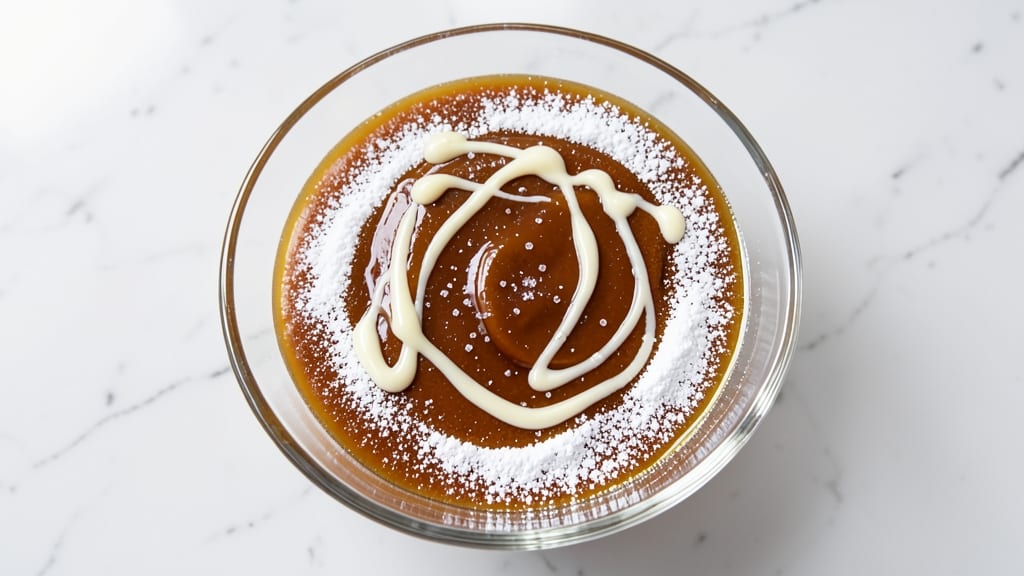
This amaretto glaze transforms ordinary cakes into decadent masterpieces with its rich, nutty depth and glossy finish. The perfect balance of sweetness and almond flavor—thanks to the amaretto—creates a moist, flavorful layer that soaks into every crumb.
I developed this recipe after testing countless variations to ensure the right consistency: thick enough to cling but thin enough to drip beautifully.
The secret lies in the ratio of powdered sugar to amaretto—too much liquor makes it runny, too little dulls the flavor. A touch of butter adds richness while keeping the glaze smooth and spreadable.
This version works perfectly over vanilla, sponge, or pound cakes, enhancing their natural moisture without overpowering them.
What you’ll achieve is a cake that’s not just visually stunning but packed with layers of flavor—each bite delivers that signature amaretto warmth paired with the cake’s texture. The glaze sets just enough to hold its shape but remains tender, ensuring every forkful is moist and delicious.
Use this glaze for birthdays, holidays, or any celebration where you want to impress. The best part? It comes together in just 5 minutes, with no cooking required. Let’s make your cake unforgettable.
Ingredients for amaretto cake glaze
Seven simple ingredients for a show-stopping glaze that drips like liquid gold.
| Ingredient | Amount | Notes |
|---|---|---|
| Powdered Sugar 🍚 | 2 cups | Sifted for smooth texture |
| Amaretto Liquor 🍸 | ½ cup | High-quality, almond-flavored |
| Unsalted Butter 🧈 | 2 tbsp | Softened for easy mixing |
| Heavy Cream 🥛 | ¼ cup | Cold for proper consistency |
| Vanilla Extract 🌿 | ½ tsp | Pure, high-quality extract |
| Pinch of Salt 🧂 | ⅛ tsp | Balances sweetness |
| Almond Extract 🌰 | ¼ tsp | Enhances nutty flavor |
The powdered sugar is your base—sift it before measuring to avoid lumps, or the glaze will look cloudy. Amaretto makes all the difference here, so grab a good brand like Disaronno—the stronger the almond flavor, the better. Butter adds that velvety richness, but don’t melt it—softened is key for a smooth finish. If you're worried about the glaze being too thin, the cold heavy cream helps thicken it just right. I always double-check the butter's temperature—it should be soft enough to press with a finger but not greasy.
No amaretto? Almond extract plus a splash of almond syrup gets you close, though it won’t have that same boozy depth. Short on butter? Coconut oil works in a pinch, but it’ll give a slightly different texture. The vanilla and almond extracts are non-negotiable for that signature flavor—imitation extracts won’t cut it. If you’re making this ahead, store the dry ingredients separately until ready to use. The glaze keeps well in the fridge for up to 2 weeks once mixed, so you can prep early. Just remember: the ratio of sugar to liquor is everything—too much liquor makes it runny, too little makes it taste flat.
This glaze is best used within 24 hours of mixing for peak shine and flavor. If you’ve made extra, store it in an airtight container in the fridge—cover the surface with plastic wrap to prevent a skin from forming. To use, let it sit at room temperature for 10 minutes before drizzling over your cake. It’ll set beautifully at room temperature, giving you that perfect glossy finish. For extra drama, chill the cake with the glaze on top for 30 minutes before serving—it’ll look like a professional bakery did it.
Why You'll Love This Recipe
- Three-Ingredient Whip: I swear by this glaze—the butter and cream melt together so smoothly, and the powdered sugar dissolves without a lump in sight. Honestly, it’s the kind of recipe where you just know it’ll work, no stress involved.
- Almond-Kissed Magic: That amaretto brings a nutty, boozy warmth that cuts through the sweetness just right. The vanilla ties it all together—like a cozy hug for your taste buds, but make it dessert.
- Party in a Jar: This glaze keeps beautifully in the fridge for up to a week, so I drizzle it on cupcakes for birthdays, frost layer cakes for holidays, or even glaze store-bought cookies when I’m in a pinch. Versatile enough to play dress-up with any treat.
- Budget Luxury: A splash of amaretto and a stick of butter make this feel fancy, but the cost? Ridiculously low. Between us, I’ve used this glaze on everything from sheet-cake desserts to single servings—no waste, all flavor.
Step-by-step instructions for amaretto glaze
Here's how to create a silky, boozy glaze that'll make your cake layers shine.
Sift the Powdered Sugar for Smooth Texture
Place the 2 cups Powdered Sugar in a fine-mesh sieve and gently sift it into a medium mixing bowl. This step is crucial—it prevents lumps in your glaze and ensures a perfectly smooth finish. Tap the sieve gently against the bowl to break up any stubborn clumps that might form during sifting.
Once sifted, make a small well in the center of the powdered sugar. This creates space for the other ingredients and makes mixing easier. You'll see the sugar settle into a mound with a depression in the middle—this is your starting point for building the glaze.
Whisk in Butter and Cream for Stability
Add the 2 tbsp Unsalted Butter and 0.25 cup Heavy Cream to the well you created. The butter should be softened but not melted—it should hold its shape when pressed. Use a hand mixer or whisk to combine these ingredients with the powdered sugar on low speed for about 30 seconds.
You're looking to create a loose, pourable consistency at this stage. The butter helps stabilize the glaze while the cold cream adds richness. If you notice the mixture becoming too thick, don't worry—it will loosen up as we add the liquids. This initial step builds the foundation for that perfect balance of texture and flavor.
Add Liquids and Extracts for Flavor
Pour in the 0.5 cup Amaretto Liquor and mix on medium speed for 1-2 minutes until the glaze becomes smooth and glossy. The alcohol will help dissolve the powdered sugar completely. Add the 0.5 tsp Vanilla Extract, 0.25 tsp Almond Extract, and 0.125 tsp Pinch of Salt, mixing for another 30 seconds to fully incorporate.
Here's where the magic happens—the amaretto brings that signature nutty flavor while the extracts deepen the aromatic profile. The salt might seem like a tiny amount, but it's essential for balancing all the sweetness. You'll know it's ready when the glaze looks like liquid velvet with no visible streaks of powdered sugar.
Adjust Consistency for Perfect Pour
Taste the glaze and adjust the consistency as needed. For a thicker glaze suitable for dipping layers, let it sit for 5-10 minutes—it will naturally thicken slightly. If it's too thin for your liking, whisk in 1-2 tablespoons more Powdered Sugar until you reach your desired consistency. For a thinner glaze perfect for drizzling, add 1-2 teaspoons of Amaretto Liquor or Heavy Cream.
This is your chance to customize the glaze to your specific needs. Remember that the glaze will thicken slightly as it cools, so err on the side of slightly thinner consistency if you're planning to drizzle. The ideal glaze should be thick enough to coat the back of a spoon but still flow smoothly when poured.
Pro Tips For Making Amaretto Cake Glaze
- Warm the Cream First: The butter and powdered sugar will clump like a stubborn toddler if you dump cold cream in. Microwave the heavy cream for 10–15 seconds or warm it slightly in a saucepan—just until it’s lukewarm to the touch. This ensures a silky glaze instead of a lumpy mess.
- Use Room-Temp Butter: Cold butter in this glaze turns it into a greasy, uneven spread. Let the unsalted butter sit out for 20–30 minutes before whipping it into the sugar. If you’re in a rush, grate it instead—it melts faster and blends smoother.
- Measure Amaretto Precisely: Too much liquor makes the glaze drinkable; too little leaves it tasting like vanilla frosting. Stick to 1–2 tablespoons for a standard cake, then adjust by taste. Use a measuring spoon, not a casual splash—this isn’t a cocktail.
- Strain the Glaze: Powdered sugar loves to hide grit like a sneaky guest. After mixing, strain the glaze through a fine-mesh sieve into your bowl. It’s tedious, but the result is a flawless, professional finish—no one wants to bite into a sugar grain.
Best sauces and condiments for this dish
Classic Amaretto Glaze
This signature glaze uses Disaronno amaretto for its rich almond flavor and smooth texture. The 2:1 ratio of powdered sugar to amaretto creates a perfect balance—sweet enough to complement cakes but not overpowering.
I always use high-quality amaretto because the flavor makes all the difference. For an extra touch of elegance, add a few drops of almond extract to intensify that nutty aroma. 🍸
The glaze sets beautifully at room temperature, giving your cake that restaurant-quality shine. It works perfectly over vanilla, sponge, or pound cakes, enhancing their natural moisture without making them soggy. The 2 tbsp unsalted butter adds richness while keeping the glaze smooth and spreadable.
For best results, let the glaze sit for 10 minutes before drizzling—this helps it thicken slightly for a more professional finish.
Spiced Amaretto Glaze
Add warmth to your glaze by incorporating ½ tsp cinnamon and ¼ tsp nutmeg into the powdered sugar before mixing. These spices complement the amaretto beautifully, creating a cozy, autumnal flavor profile. I love using this variation for holiday cakes or when I want to add a little extra depth.
The spices dissolve seamlessly into the glaze, so you won’t have any gritty textures. 🌶️
For an even more aromatic twist, infuse the ½ cup amaretto with a 1-inch cinnamon stick and 2 whole cloves for 10 minutes before using. This step adds a subtle spiced note that pairs perfectly with the nutty sweetness.
Just strain the amaretto before mixing it into the glaze to avoid any unwanted bits.
Chocolate-Dipped Glaze
Elevate your cake layers by dipping the bottoms in melted dark chocolate before adding the amaretto glaze. This creates a decadent contrast between the rich chocolate and the nutty amaretto.
Use 60-70% dark chocolate for a balance of bitterness and sweetness. Let the chocolate set slightly before drizzling the glaze on top for a stunning layered effect. 🍫
For an extra touch of luxury, sprinkle crushed pistachios or toasted almonds over the chocolate layer before adding the glaze. The crunch adds texture while the nuts enhance the amaretto’s flavor. This variation is perfect for special occasions when you want to impress your guests with a show-stopping dessert.
Coffee-Infused Glaze
Add a bold twist by infusing the glaze with 1 tbsp instant espresso powder dissolved in the ½ cup amaretto. This creates a sophisticated flavor combination that works beautifully with chocolate cakes or even red velvet.
The coffee enhances the amaretto’s depth while adding a subtle bitterness that balances the sweetness. Let the mixture sit for 5 minutes to allow the flavors to meld before mixing it into the glaze. ☕
For an even stronger coffee flavor, steep 1 tbsp finely ground coffee in the ½ cup amaretto for 10 minutes before straining and using it in the glaze. This method adds a richer, more complex coffee note that pairs perfectly with the nutty amaretto.
It’s a great option if you love coffee-flavored desserts but want to keep the amaretto as the star.
Nutrition facts
Frequently asked questions
Can I make this glaze without amaretto?
Yes, but the flavor will be different! Replace the ½ cup amaretto with ½ cup almond syrup plus ½ tsp almond extract for a similar nutty taste. For a lighter version, use ½ cup heavy cream with 1 tsp almond extract, though it won’t have the boozy depth. The texture will still be smooth, but the signature amaretto aroma will be missing.
How do I fix a glaze that's too runny?
If your glaze is too thin, whisk in 1-2 tablespoons powdered sugar at a time until it thickens to your desired consistency. For a quicker fix, let it sit at room temperature for 10-15 minutes—it will naturally thicken as it cools. If you need it thicker immediately, chill the bowl in the fridge for 5 minutes before using. The key is patience: a slightly thinner glaze will set beautifully when drizzled over cake.
Can I use this glaze on non-cake desserts?
This glaze works wonderfully on cupcakes, cookies, or even pancakes for a boozy breakfast treat. For cookies, let them cool completely first—the glaze needs a stable surface to adhere properly. You can also drizzle it over ice cream or panna cotta for an elegant dessert topping. Just adjust the quantity based on the surface area of your dessert.
How long does the glaze keep before using?
The glaze stays fresh in the fridge for up to 2 weeks when stored in an airtight container. For best results, let it sit at room temperature for 10 minutes before using—this helps it reach the perfect pouring consistency. If you notice a skin forming on top, simply whisk it back together. For longer storage, you can freeze the glaze for up to 3 months, though the texture may change slightly after thawing.
Why did my glaze turn grainy?
Graininess usually happens when powdered sugar isn't sifted properly or when the glaze sits too long before using. Always sift the powdered sugar first, and mix the glaze just before applying. If it's already grainy, strain it through a fine-mesh sieve to remove any lumps. For future batches, keep the glaze at room temperature while working to prevent premature thickening. A smooth glaze starts with proper prep!