
Desserts
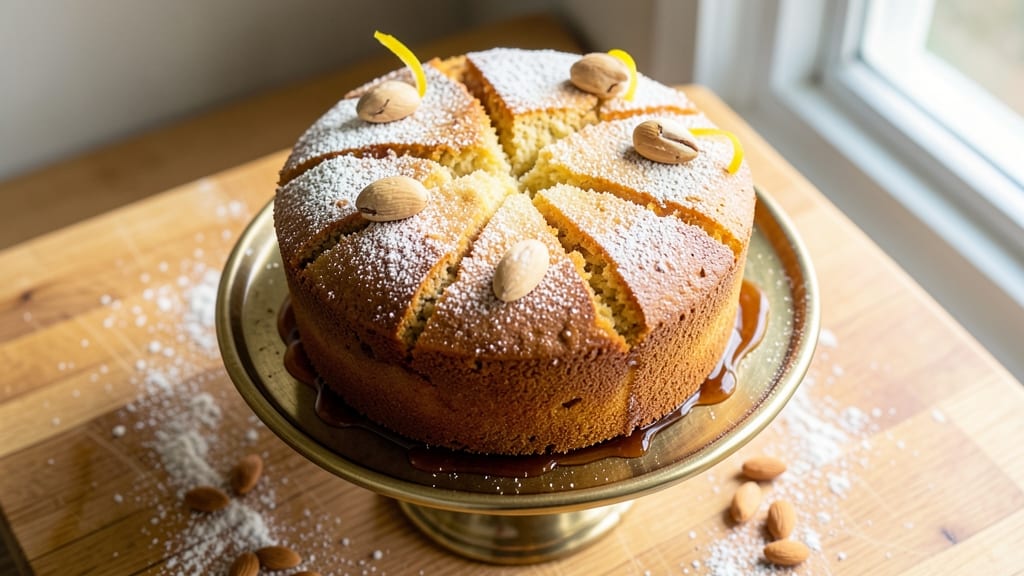
This amaretto sour cake recipe delivers a perfect marriage of rich vanilla layers and tangy cream cheese frosting, elevated by the warm, nutty depth of amaretto. The secret lies in balancing the cake's subtle boozy notes with bright citrus—just enough lemon zest to cut through the sweetness without overpowering it.
I developed this recipe after years of experimenting with boozy desserts, and it's become a crowd-pleaser at every gathering.
The cake itself is moist and tender, thanks to a simple vanilla base that absorbs the amaretto beautifully without becoming overpowering. The tangy cream cheese frosting adds a sophisticated contrast, while a hint of lemon juice keeps the flavors fresh.
Baking time is straightforward—just 350°F for 25-30 minutes—but the real magic happens in the assembly, where layers of flavor come together.
What you'll end up with is a dessert that's elegant yet approachable, with a golden, perfectly domed top and a texture that's light yet rich. The amaretto infuses the cake with a subtle, nutty warmth, while the cream cheese frosting provides a velvety finish that balances the sweetness.
It's the kind of cake that feels special enough for a celebration but simple enough for a weeknight treat.
Serve it with a dollop of whipped cream or a citrus glaze for extra flair, and watch it disappear quickly. Here's everything you need to bring this boozy, tangy masterpiece to life—no advanced baking skills required, just patience and attention to detail. Let's get started!
Ingredients for amaretto sour cake
Eight servings of boozy, citrus-kissed cake magic—just these ingredients.
| Ingredient | Amount | Notes |
|---|---|---|
| All-Purpose Flour 🌾 | 2 ½ cups | Sifted for light texture |
| Granulated Sugar 🍚 | 1 ½ cups | Superfine for smoothness |
| Amaretto Liqueur 🍷 | ½ cup | High-quality brand preferred |
| Unsalted Butter 🧈 | 1 cup | Room temperature, full-fat |
| Large Eggs 🥚 | 4 whole | Room temperature for even baking |
| Vanilla Extract 🌿 | 2 tsp | Pure extract, not imitation |
| Lemon Zest 🍋 | 1 tbsp | Fresh, bright zest only |
| Lemon Juice 🍋 | 1 tbsp | Freshly squeezed |
| Baking Powder 🧂 | 2 tsp | Aluminum-free preferred |
| Salt 🧂 | ½ tsp | Fine sea salt |
| Cream Cheese 🧀 | 8 oz | Room temperature, full-fat |
| Powdered Sugar 🍚 | 3 cups | Sifted for smooth frosting |
| Heavy Whipping Cream 🥛 | 1 cup | Cold for whipping |
| Vanilla Bean Paste 🌿 | 1 tsp | For extra vanilla flavor |
The amaretto is non-negotiable here—Disaronno or Galletti are my go-tos, but any quality brand works. The lemon zest needs to be fresh; organic lemons from the grocery store's produce section have the brightest flavor. For the flour, King Arthur or a similar high-protein brand ensures that tender crumb. Room-temperature butter is key—microwave 40 seconds to soften if needed. The cream cheese should be full-fat for the richest frosting, and Philadelphia is my go-to brand when I'm in a hurry.
No amaretto? Substitute 0.5 cup almond extract—it's close, but not identical. Short on lemon zest? Double the lemon juice for brightness. The vanilla extract can be swapped for 1 vanilla bean scraped if you've got it. For the frosting, if you're avoiding dairy, use coconut cream instead of heavy whipping cream, but the texture will be slightly different. The powdered sugar should be sifted—Trader Joe's has a great affordable option in a squeeze bottle that's perfect for this.
The cake layers keep 2 days wrapped at room temperature, but honestly, they're best eaten fresh. The frosting can be made 1 day ahead and stored in the fridge—just whip it back up before assembling. For extra flair, dust with powdered sugar or add a lemon glaze. The cake freezes beautifully too—wrap tightly and freeze for up to 3 months. I always make a double batch because it disappears fast—trust me.
Why You'll Love This Recipe
- No Mixer Needed: I swear by this recipe when I’m in a rush—just cream butter and sugar by hand, fold in the flour, and let the amaretto do the work. The eggs bind everything together without fuss, and honestly? It’s the kind of cake you can make while watching a movie.
- Almond-Kissed Magic: That amaretto liqueur isn’t just an add-in—it’s the star. The nutty, boozy depth cuts through the richness of the butter, while the sour tang from the lemon (if you add it) balances it perfectly. It’s like dessert in every bite, but with cake structure that actually holds.
- Weekend Brunch Hero: This cake is my go-to for lazy mornings or when friends drop by unannounced. Serve it warm with whipped cream, or slice it cold for a boozy dessert that feels special without requiring effort. (Yes, even on a Tuesday night.)
- Budget-Friendly Indulgence: You’re using pantry staples—flour, sugar, butter—that stretch far, and a single bottle of amaretto makes multiple batches. The eggs add richness without breaking the bank, and leftovers? They disappear faster than you can say “second slice.”
Step-by-step instructions for amaretto sour cake
Follow this method and you'll get a perfectly layered cake with a boozy vanilla flavor and tangy cream cheese frosting every time.
Cream Butter and Sugar Together
In a large mixing bowl, combine the 1 cup unsalted butter and 1.5 cups granulated sugar. Using an electric mixer on medium speed, beat these together for about 3-4 minutes until the mixture is light and fluffy. You'll see it nearly double in volume and turn pale in color—this is what creates that tender cake texture.
Here's the thing—room temperature butter is crucial. If it's too cold, it won't cream properly, and if it's too soft, you'll end up with a greasy cake. Press the butter between two sheets of wax paper and let it sit at room temperature for about 30 minutes before starting. You want it to be soft enough to leave a slight indent when pressed with your finger.
Add Eggs and Wet Ingredients
Add the 4 whole large eggs, one at a time, mixing well after each addition. Then stir in the 0.5 cup amaretto liqueur, 2 teaspoons vanilla extract, 1 tablespoon lemon zest, and 1 tablespoon lemon juice. Mix on low speed just until everything is combined—you don't want to overmix or the cake will be tough.
This is where the cake gets its signature flavors. The amaretto adds that nutty, boozy depth, while the lemon zest and juice bring a bright, tangy contrast. I always use freshly squeezed lemon juice because bottled juice lacks that vibrant freshness. Mix these wet ingredients in gently so you don't incorporate too much air, which could cause the cake to collapse later.
Combine Dry Ingredients
In a separate bowl, whisk together the 2.5 cups all-purpose flour, 2 teaspoons baking powder, and 0.5 teaspoon salt. Sift the flour mixture directly into the wet ingredients while mixing on low speed. Once combined, mix just until no flour streaks remain—about 20-30 seconds. Overmixing develops gluten, which makes the cake dense instead of light and tender.
Here's a pro tip: I like to use a rubber spatula to gently fold in the flour mixture. This helps prevent overmixing while ensuring everything is evenly incorporated. The batter should be smooth but slightly thick—if it looks too thin, you might have added too much liquid. The cake will still bake up fine, but the texture might be slightly denser.
Bake the Cake Layers
Preheat your oven to 350°F and grease two 8-inch round cake pans. Line the bottoms with parchment paper circles to prevent sticking. Divide the batter evenly between the two pans. Bake for 25-30 minutes, or until a toothpick inserted into the center comes out clean. The edges should be golden brown, but the tops might still look slightly underdone—don't worry, they'll firm up as they cool.
I always rotate the pans halfway through baking to ensure even cooking. If you notice the edges browning too quickly, tent the pans with aluminum foil. The cake is done when it springs back gently when touched in the center. Let the cakes cool in the pans for 10 minutes, then transfer them to a wire rack to cool completely before assembling.
Make the Cream Cheese Frosting
In a large mixing bowl, beat the 8 ounces cream cheese and 1 cup unsalted butter together on medium speed until smooth and creamy. Add the 3 cups powdered sugar, 1 cup heavy whipping cream, 2 teaspoons vanilla extract, and 1 teaspoon vanilla bean paste. Beat on high speed until light and fluffy, about 3-4 minutes. The frosting should be thick enough to hold its shape but still spreadable.
This frosting is the star of the cake. The tangy cream cheese balances the sweetness of the cake, while the vanilla bean paste adds an extra layer of depth. Make sure all your ingredients are at room temperature—cold cream cheese won't blend smoothly. If the frosting is too thick, add a splash of heavy whipping cream to loosen it up.
Assemble and Frost the Cake
Once the cake layers are completely cool, level the tops if needed. Place one layer on a cake stand or plate and spread a generous layer of frosting on top. Place the second layer on top of the frosting and spread another layer of frosting over the entire cake. Use a spatula to smooth the sides and create a clean finish. Chill the cake in the refrigerator for at least 1 hour before serving to allow the frosting to set.
For an extra touch, you can dust the top with powdered sugar or garnish with lemon zest. The cake keeps well in the fridge for up to 5 days, though I promise it won't last that long. This cake is perfect for celebrations, dessert nights, or whenever you need a little pick-me-up with a boozy twist.
Pro Tips For Making Amaretto Sour Cake
- Measure Liquor Precisely: Amaretto’s alcohol burns off during baking, but too much and your cake turns dense. Use a kitchen scale for ¼ cup (60ml)—I learned this after a batch tasted like booze-soaked cardboard. If you’re eyeballing, fill a shot glass to the rim.
- Cream Butter and Sugar Slowly: Dump cold butter into warm sugar and whip on medium-high for 2–3 minutes before adding eggs. This traps air without melting the butter prematurely—my first attempt with room-temp butter left me with a flat, sad cake.
- Don’t Overmix the Batter: Fold in dry ingredients just until combined; lumps are fine. Overworking it develops gluten, and your cake will turn tough. I used to beat like I was kneading dough—now I stop when the flour disappears.
- Test Doneness with a Toothpick: The cake should pull out with moist crumbs, not wet batter. If it’s sticky, bake another 5–8 minutes—amaretto’s moisture tricks you into underbaking. I’ve pulled cakes too soon, thinking they were done, only to end up with a gummy center.
Essential equipment for amaretto sour cake
Stand Mixer Must-Have
For this recipe, a stand mixer with a paddle attachment is my absolute go-to. The KitchenAid Artisan Series handles the butter-and-sugar creaming effortlessly, and its dough hook comes in handy for mixing the frosting.
If you're on a budget, the Cuisinart SM-50BC delivers similar power for less. Avoid hand mixers—they struggle with the dense cake batter and frosting. 💛
Precision Tools
A digital kitchen scale (like the OXO Good Grips) ensures accurate measurements for the flour and powdered sugar, which are critical for texture. For lemon zest, a microplane (I use Bar-Keeps) gives you fine, even strips without the bitter pith.
A toothpick is essential for testing doneness—insert it into the center of the cake, and if it comes out clean, you're golden.
Baking Essentials
Two 8-inch round cake pans with removable bottoms (like Wilton Perfect Results) prevent sticking and make leveling the cake layers easier. A spatula set with both offset and straight-edged options helps spread frosting smoothly.
For assembly, a cake turntable (or even a lazy Susan) makes rotating the cake effortless while frosting.
Mixing Gear
A rubber spatula (I love OXO Good Grips) is perfect for folding dry ingredients into the batter gently. For the frosting, a hand mixer (like KitchenAid KHM5210) works if you don’t have a stand mixer, but it takes a bit more elbow grease.
A sifter (such as OXO Good Grips) ensures your flour and powdered sugar are lump-free for a silky texture.
Optional Extras
For a showstopping finish, a powdered sugar sifter (like Trifecta) creates a flawless dusting. A pastry bag with a star tip lets you pipe decorative swirls on top.
If you’re feeling fancy, a cake leveler (or even a serrated knife) ensures perfectly even layers. These extras aren’t mandatory, but they elevate the presentation to restaurant-quality. ✨
Nutrition facts
Frequently asked questions
Can I substitute amaretto with another liqueur?
Yes, but the flavor will change! For a similar nutty profile, try 0.5 cup almond extract or frangipane liqueur. If you prefer fruit notes, use 0.5 cup orange liqueur (like Cointreau) or 0.3 cup Grand Marnier. Just reduce any additional liquid in the recipe by 2 tablespoons to maintain proper batter consistency.
Why does my cake sink in the middle?
This usually happens from overmixing or opening the oven too soon. Mix just until combined (about 20-30 seconds after flour is incorporated) and avoid peeking at the cake while baking. If it does sink, try baking at 325°F next time for a slower rise, or check your oven calibration with an oven thermometer.
How do I make this a single-layer cake?
Simply use one 9-inch round pan instead of two 8-inch pans and reduce baking time to 20-25 minutes. For a taller cake, bake in a 9x13-inch pan for 30-35 minutes. The frosting quantity stays the same, but you'll need about 1.5 cups instead of 2 cups to cover a single layer properly.
Can I make this cake gluten-free?
Replace the 2.5 cups all-purpose flour with 2.5 cups gluten-free 1:1 baking flour blend (like Bob's Red Mill). Add 1 teaspoon xanthan gum to improve texture. Keep all other ingredients identical, but expect a slightly denser crumb. Chill the batter 30 minutes before baking for best results.
What's the best way to store leftovers?
Store the assembled cake in an airtight container in the fridge for up to 5 days. For longer storage, wrap each layer individually in plastic wrap, then place the whole cake in a freezer bag. Thaw overnight in the fridge before serving. The frosting may soften slightly when chilled—let it sit at room temperature 10 minutes before serving.