
Desserts
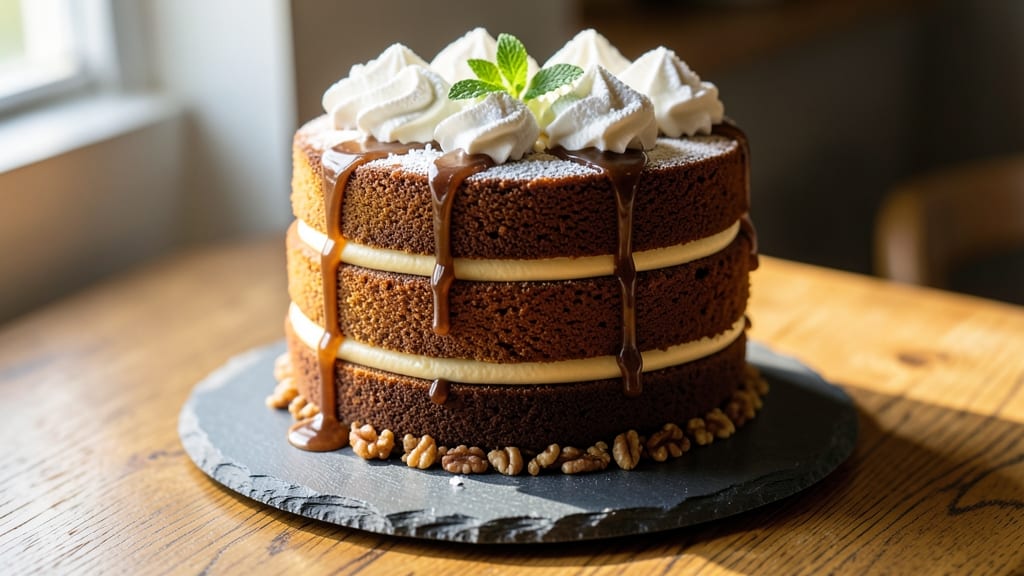
This amazing pound cake recipe delivers layers of buttery richness that stay moist for days—no dry crumb in sight. 💛 The secret? A perfect balance of butter, sugar, and eggs, plus a few pro techniques that transform this classic into something extraordinary.
I've baked this version for holidays and special occasions, and it never disappoints.
What makes this pound cake truly special is how tender and flavorful it stays even after sitting out for hours. The high butter ratio creates that signature dense, velvety crumb, while a touch of vanilla and a splash of bourbon (optional) add depth to every bite.
The cake bakes up golden with a crackly top that gives way to moist, buttery layers underneath.
You'll love how this cake holds up for slicing—perfect for breakfast pastries, afternoon tea, or dessert. The recipe includes tips for achieving that ideal texture, including proper mixing techniques and oven temperature control. Trust me, once you try this version, you'll never go back to store-bought.
Whether you're serving it plain with fresh berries or dressed up with cream cheese frosting, this pound cake is a crowd-pleaser that's surprisingly easy to make. Let's get baking—your kitchen will smell like heaven in no time.
Ingredients for amazing pound cake
Buttery richness meets tender crumb—here's what makes this pound cake legendary.
| Ingredient | Amount | Notes |
|---|---|---|
| Unsalted Butter 🧈 | 1 ½ cups | Room temperature, full-fat for richness |
| Granulated Sugar 🍚 | 2 ½ cups | Superfine preferred for smooth texture |
| Large Eggs 🥚 | 6 whole | Room temperature, separated if desired |
| All-Purpose Flour 🌾 | 3 ½ cups | Sifted, no substitutions |
| Pure Vanilla Extract 🌿 | 2 tsp | High-quality, not imitation |
| Bourbon 🍷 | ½ cup | Optional, for depth of flavor |
| Baking Powder 🍞 | 1 ½ tsp | Aluminum-free preferred |
| Salt 🧂 | ½ tsp | Diamond Crystal kosher salt |
| Cream of Tartar 🍋 | ¼ tsp | For egg white stability |
| Vegetable Oil 🫒 | ¼ cup | Light, neutral flavor |
| Milk 🥛 | ½ cup | Whole milk for richness |
The butter is non-negotiable here. Plugrá or Land O'Lakes unsalted are my go-tos—they melt beautifully without water content. Grab the European-style butter if your store carries it; it's higher in fat and makes the cake even more decadent. Room temperature is key (press a finger into it—should leave a slight indent). For the sugar, Domino superfine gives the smoothest texture, but regular granulated works if you pulse it in a food processor. The eggs? Room temperature is a must—cold eggs can cause dense layers. I always buy free-range from the grocery store deli when I can, but any large eggs will do.
No bourbon? Apple cider or rum adds a similar depth, though bourbon's caramel notes are unmatched. Short on vanilla? Vanilla bean paste at double the amount gives you those little specks. The cream of tartar might be new to your pantry—it's a game-changer for stabilizing egg whites if you're adding them separately. Bob's Red Mill sells it in the baking aisle. For the flour, King Arthur or Gold Medal are my trusty brands. If you're at Whole Foods, their organic all-purpose works perfectly too. The vegetable oil? Crisco or any neutral oil will work—just don't use olive oil, it'll add bitterness.
Store the cake in an airtight container at room temperature for up to 5 days—it actually gets better as it sits. For longer storage, wrap tightly in plastic and refrigerate for up to 2 weeks. Freezing? Slice first, then wrap each piece individually for up to 3 months. I always bake two cakes—one for immediate serving, one to slice and freeze for future treats. The bourbon flavor intensifies over time, so the frozen pieces often taste even more amazing when reheated briefly.
Why You'll Love This Recipe
- Five-Ingredient Magic: I swear, this recipe is my go-to for when I’m too tired to measure a dozen things. Butter, sugar, eggs, flour, vanilla—that’s it. No fussing with buttermilk or sour cream, just pure pound cake perfection in one bowl.
- Buttery Vanilla Bliss: That rich, creamy texture? All thanks to the high-ratio butter-to-flour method. The vanilla isn’t just an afterthought—it’s the star, giving every slice that warm, comforting aroma that makes you want to bake again tomorrow.
- Slice It Any Way: Need a breakfast cake? Toast it and slather with jam. Brunch guest? Dust with powdered sugar. Leftovers? Stash them in the fridge for days—it stays moist without tasting stale. Honestly, I’ve served it at everything from picnics to potlucks.
- Budget-Friendly Luxury: You’d think a cake this good would break the bank, but no—it’s just flour, sugar, and eggs. I’ve made this for 12 people for under $10. The butter’s the splurge, but a little goes a long way, and it makes the whole thing taste like a bakery secret.
Step-by-step instructions for buttery pound cake layers
Here's how to bake a pound cake so rich and moist it stays perfect for days.
👨🍳 Step 1: Cream Butter and Sugar Until Light and Fluffy
In a stand mixer fitted with the paddle attachment, beat the 1.5 cups unsalted butter and 2.5 cups granulated sugar on medium speed for 4-5 minutes until the mixture is pale, thick, and nearly doubles in volume. You're looking for a ribbon-like consistency that holds its shape when the beaters are lifted. This creaming process incorporates air, which creates that signature tender crumb.
I like to scrape down the sides of the bowl every 30 seconds to ensure even mixing. The butter should be completely smooth with no visible lumps. If you're using room temperature butter, this should take about 4-5 minutes—don't rush it. The butter needs to fully emulsify with the sugar to create that perfect texture.
👨🍳 Step 2: Add Eggs and Bourbon for Richness
Add the 6 whole large eggs, one at a time, mixing on low speed after each addition until fully incorporated. Then add the 2 tsp pure vanilla extract and 0.5 cup bourbon (if using) and mix for another 30 seconds on low speed. The bourbon adds depth of flavor, but if you're skipping it, just add an extra 0.5 tsp vanilla extract for a similar richness.
Here's the thing—don't overmix at this stage. You want the eggs to blend smoothly but not develop any gluten. The mixture should be thick and slightly shiny. If you're tempted to add the flour early, resist! We need to build up that air first for maximum volume.
👨🍳 Step 3: Alternate Dry Ingredients and Wet Additions
In a separate bowl, whisk together the 3.5 cups all-purpose flour, 1.5 tsp baking powder, 0.5 tsp salt, and 0.25 tsp cream of tartar. Sift the flour mixture directly into the wet ingredients, mixing on low speed just until combined—about 30 seconds. Add the 0.25 cup vegetable oil and mix for another 10 seconds to distribute evenly.
Now, alternate adding the 0.5 cup milk and about ½ cup of the flour mixture, beginning and ending with the milk. Mix on low speed after each addition, just until incorporated. This alternating method ensures even distribution of ingredients and prevents dense spots. The batter should be thick but pourable—like heavy pudding.
🔥 Step 4: Bake in Prepared Pans for Even Rising
Preheat your oven to 350°F. Generously grease two 9-inch round cake pans (or one 9x5-inch loaf pan) with butter and line the bottoms with parchment paper. Divide the batter evenly between the pans and smooth the tops with a spatula. Tap the pans gently on the counter 2-3 times to release any air bubbles.
Bake for 50-60 minutes (or 75-90 minutes for the loaf pan) until a toothpick inserted in the center comes out clean and the top springs back when pressed gently. Here's the key—don't overbake! The cake will continue cooking slightly as it cools. For extra moisture, I like to tent the pans with foil after 30 minutes to prevent over-browning.
⏰ Step 5: Cool and Layer for Maximum Moisture
Remove the cakes from the oven and let them cool in the pans for 15 minutes. Then transfer to a wire rack to cool completely. While they're cooling, prepare your filling—whether it's whipped cream, fruit preserves, or a simple glaze. The cake will hold its moisture beautifully, but sealing it with filling right after cooling locks in that tender texture.
For the ultimate pound cake experience, slice the cakes while still slightly warm and layer with your favorite filling. This cake stays moist for 3-4 days when stored properly in an airtight container, making it perfect for celebrations or impromptu desserts. The secret? That perfect butter-to-sugar ratio and the careful creaming process—don't skip those steps!
Pro Tips For Making Amazing Pound Cake
- CREAM BUTTER AND SUGAR LONG: DESCRIPTION: I used to rush this step, but pound cake demands patience—beat the butter and sugar until it’s pale, light, and almost fluffy (about 5-7 minutes). Stop when it holds a ribbon shape; overmixing here just adds air you’ll lose later when folding in dry ingredients. (Yes, it’s tedious, but that’s how you get the tender crumb.)
- WEIGH EGGS AT ROOM TEMP: DESCRIPTION: Cold eggs sink like rocks in batter, so pull them out 30 minutes before mixing. If you’re in a hurry, run them under warm water for 10 seconds—just enough to loosen the whites slightly. Cold eggs make for a dense cake; room-temp ones incorporate smoothly and create that signature fine crumb.
- DON’T OVERMIX THE FLOUR: DESCRIPTION: Once you add flour, mix just until combined—lumps are fine, but don’t turn it into pancake batter. Overmixing develops gluten, and that’s how you end up with a cake that’s more chewy than tender. Fold in with a spatula in two additions, and stop when there’s just no dry flour left.
- USE A THERMOMETER FOR DONENESS: DESCRIPTION: Pound cake’s interior should hit 205°F (96°C) before pulling it out—way past the "spring back" test. I learned this the hard way when my cake came out gummy because I trusted the recipe’s vague "until a toothpick comes out clean." A thermometer guarantees a moist but fully set crumb every time. (No, you don’t need a fancy one—$10 ones work.)
Dietary considerations for this dish
Gluten-Free Adaptation
Swap the 3.5 cups all-purpose flour for a 1:1 gluten-free baking blend like King Arthur Measure for Measure or Bob's Red Mill. Add 1 tsp xanthan gum to mimic gluten's structure—this helps bind the cake.
For extra moisture, reduce the milk to ¼ cup and add 2 tbsp applesauce to compensate. Bake in the same 350°F oven but check for doneness at 45 minutes—gluten-free cakes dry out faster. 🌾
Dairy-Free Version
Replace the 1.5 cups butter with 1.5 cups dairy-free margarine (like Miyoko's) or 1.5 cups coconut oil (solid, not melted). Use 6 flax eggs (6 tbsp ground flaxseed + 12 tbsp water) instead of chicken eggs.
Substitute ½ cup dairy-free milk (like almond or oat) for the whole milk. The texture will be slightly denser but still moist. Test with a toothpick at 50 minutes—dairy-free cakes often need less time. 🧈
Lower Sugar Option
Reduce the 2.5 cups granulated sugar to 1.5 cups and replace the remaining 1 cup with 1 cup monk fruit sweetener (like Lakanto) or 1 cup coconut sugar. Use ½ cup unsweetened applesauce to maintain moisture.
The cake will have a subtler sweetness but still hold its structure. Bake at 350°F for 55-60 minutes—lower sugar content can slightly delay baking. 🍚
Egg-Free Substitution
Replace the 6 eggs with 6 tbsp aquafaba (chickpea brine) or 6 tbsp unsweetened applesauce. For better rise, add 1 tsp baking soda to the dry ingredients. The texture will be slightly denser but still tender.
Bake in the same 350°F oven for 55-60 minutes—egg-free cakes often need extra time to set. Whisk the aquafaba until frothy before mixing for air incorporation. 🥚
Nut-Free Considerations
Ensure all ingredients are nut-free, especially if using store-bought extracts or flavorings. Check vanilla extract and bourbon labels for cross-contamination warnings. For extra richness, add 2 tbsp tahini (sesame-free if needed) to the wet ingredients.
Store in a nut-free kitchen to avoid accidental exposure. The cake’s texture remains unchanged, but always verify ingredient sources. 🌿
Nutrition facts
Frequently asked questions
Why does your pound cake stay moist longer than others?
The high butter-to-flour ratio (1.5 cups butter to 3.5 cups flour) creates a dense, tender crumb that locks in moisture. The alternating wet/dry method and proper creaming also trap air bubbles that keep the cake soft. Plus, we avoid overmixing to prevent gluten development that makes cakes dry out faster.
Can I make this pound cake in a bundt pan instead?
Yes, but reduce the baking time to 45-50 minutes and check for doneness early. Bundt pans bake faster due to their shape. Grease it well with butter and flour, and consider tenting with foil after 30 minutes to prevent over-browning on the outer edges. The texture will be just as moist—just watch it closely!
What's the best way to store leftover pound cake?
Wrap tightly in plastic wrap, then place in an airtight container. Store at room temperature for up to 5 days—it actually improves in flavor! For longer storage, freeze slices individually wrapped for up to 3 months. Reheat frozen slices at 300°F for 10 minutes to restore freshness.
How do I fix a cake that's cracked on top?
Cracking usually happens from overmixing or opening the oven too soon. If it's minor, it's just part of the pound cake's charm! For deeper cracks, brush with simple syrup (equal parts sugar and water) and let sit for 10 minutes before serving. The syrup will soften the texture and make it taste even more moist.
Can I use salted butter instead of unsalted?
Yes, but reduce the added salt to ¼ tsp since salted butter already contains sodium. The flavor will still be rich, but you'll need to adjust for the extra salt. For best results, stick with unsalted butter—it gives you full control over the flavor profile.