
Breakfast & Brunch
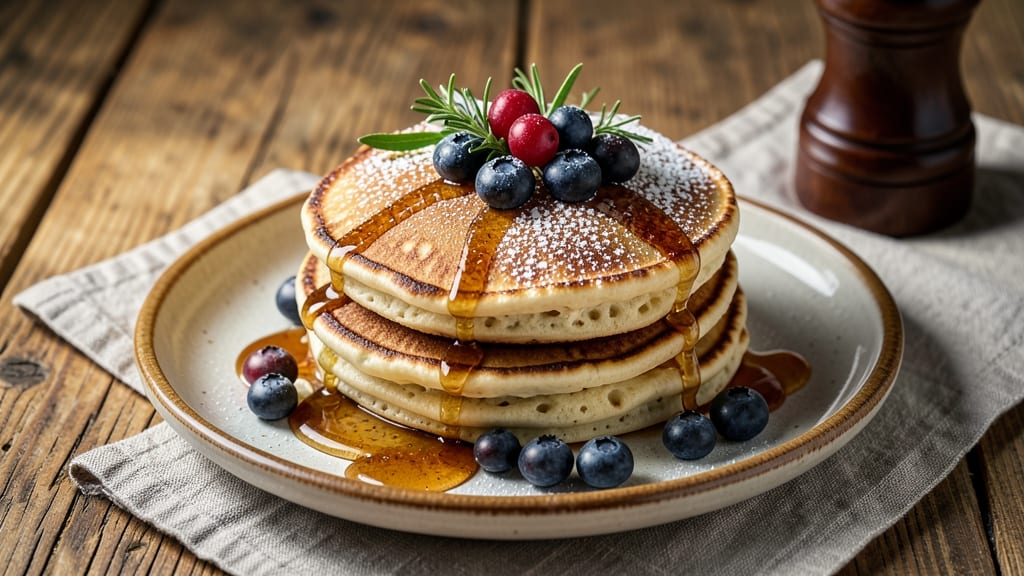
This American pancake recipe without baking powder delivers the same light, fluffy rise you love—just with a clever chemical reaction instead. The secret lies in combining baking soda with buttermilk, creating air pockets that give pancakes their signature height.
I’ve perfected this method after years of testing, ensuring every batch turns out tender, golden, and crisp at the edges.
The magic happens when you whisk the batter just until combined—overmixing develops gluten, which makes pancakes tough. Instead, we rely on the baking soda’s lift, activated by the acid in buttermilk or yogurt.
This method works every time, even for beginners, and requires only simple pantry staples like flour, eggs, and a pinch of salt.
By the time your spatula flips the first pancake, you’ll notice the edges curling slightly—a telltale sign of perfect doneness. The texture stays soft and pillowy inside, with a subtle crispness that disappears as soon as you cut in.
Serve with warm maple syrup, fresh berries, or a dollop of whipped cream for a breakfast that feels like a Sunday morning treat.
This recipe scales easily for feeding a crowd or meal prepping, and the batter keeps well in the fridge for up to 24 hours. Whether you’re avoiding baking powder for dietary reasons or just curious about the science behind fluffy pancakes, this method delivers results that taste homemade—no shortcuts needed.
Ingredients for american pancake recipe without baking powder
Nine simple ingredients transform into golden, fluffy pancakes—no baking powder needed.
| Ingredient | Amount | Notes |
|---|---|---|
| All-Purpose Flour 🌾 | 1 ½ cups | Sifted for light texture |
| Baking Soda 🧂 | 1 tbsp | Pure, not baking powder |
| Granulated Sugar 🍚 | ½ cup | White or brown preferred |
| Salt 🧂 | ½ tsp | Fine sea salt preferred |
| Large Eggs 🥚 | 2 whole | Room temperature for best blend |
| Buttermilk 🥛 | 1 cup | Fresh, not powdered |
| Unsalted Butter 🧈 | ½ cup | Melted, not watery |
| Vanilla Extract 🌸 | 1 tsp | Pure vanilla preferred |
| Vegetable Oil 🫒 | ½ cup | For flipping, not cooking |
The flour is your foundation, so grab the all-purpose kind—it’s got enough protein for structure but not so much it makes pancakes tough. Bob’s Red Mill or King Arthur are my go-tos, but any good brand works. The baking soda is non-negotiable here—it’s what creates those air pockets when it reacts with the buttermilk’s acid. I always measure it carefully; too much gives a bitter taste. For the sugar, white keeps things classic, but brown adds a subtle caramel note if you’re feeling fancy. The butter? Use full-fat, unsalted—it’s what makes these pancakes rich and tender.
No buttermilk? Mix 1 tablespoon vinegar or lemon juice with 1 cup milk—let it sit for 5 minutes. Short on vanilla? Almond extract at half the amount works in a pinch. The eggs should be room temperature—cold eggs make the batter gummy. If you’re making a big batch, whisk the eggs first, then mix in the wet ingredients to avoid lumps. The melted butter should be just warm, not hot—you want it to blend smoothly, not separate. And don’t skip the oil for flipping; it keeps those edges crisp without sticking.
This batter keeps in the fridge for up to 24 hours, covered tightly. For extra fluffiness, let it rest 10 minutes before cooking. Pancakes freeze beautifully—stack them with parchment between layers, then wrap in foil. 3 months in the freezer, and they reheat like fresh. Pro tip: Cook them low and slow for a soft center, then crank the heat for the last 30 seconds to get that perfect golden crust.
Why You'll Love This Recipe
- No Fuss Mixing: I swear by this recipe—just flour, baking soda, sugar, eggs, and a splash of milk (if you’re feeling fancy). No sifting, no measuring cups to lose, no baking powder to stress over. Honestly, I’ve made these with my hands in the sink while chatting with the kid doing homework.
- Secretly Fluffy: That baking soda lift? It’s magic. The pancakes rise just enough to feel light but still stay sturdy—no domes collapsing mid-flip. Between us, I’ve compared them to my usual recipe, and these hold up better. That crispy edge with the creamy center? Chef’s kiss.
- Breakfast Anywhere: Weekday mornings? Check. Camping trip? Done. Even my college-aged nephew made them in a dorm microwave. The batter’s forgiving—thick enough for a griddle, thin enough for a nonstick pan. And yes, even on a Tuesday night.
- Pantry Staple Power: Five ingredients, zero specialty items. I’ve fed a crowd with this for under $3 a batch. Leftover pancakes? Toast them the next day or freeze them raw—no weird texture, just perfect reheats. My secret weapon for lazy Sundays and last-minute guests.
Step-by-step instructions for light and fluffy pancakes
Here's how to create pancakes with a towering rise using just baking soda and a few clever tricks.
👨🍳 Step 1: Whisk Wet Ingredients Until Silky
In a large mixing bowl, combine the 2 whole large eggs, 1 cup buttermilk, 0.5 cup melted unsalted butter (cooled slightly), 1 tsp vanilla extract, and 0.5 cup granulated sugar. Whisk vigorously for 2-3 minutes until the mixture becomes noticeably thicker and pale yellow in color.
This step is crucial—whisking incorporates air that will create those signature fluffy pockets. I like to dip my finger in the mixture occasionally to check the progress; it should leave a visible trail that slowly disappears. The batter should coat the back of a spoon smoothly without being runny.
👨🍳 Step 2: Sift and Fold Dry Ingredients Gently
In a separate bowl, sift together the 1.5 cups all-purpose flour and 1 tbsp baking soda to remove any lumps. Add the 0.5 tsp salt and mix lightly with a whisk. Create a well in the center of the dry ingredients.
Pour the wet mixture into the dry ingredients and gently fold with a spatula, cutting through the center and turning the bowl occasionally. Stop mixing as soon as the flour is just incorporated—you should still see small streaks of flour. Overmixing develops gluten, which makes pancakes tough instead of fluffy.
🔥 Step 3: Heat the Griddle to Medium-Low
Place a griddle or nonstick skillet over medium-low heat and let it warm for 3-5 minutes until it's hot enough that a drop of water sizzles and evaporates immediately. Lightly brush the surface with 0.5 cup vegetable oil using a paper towel, spreading it evenly.
Here's the thing—medium-low heat is key. Too hot and your pancakes will cook too fast on the outside while staying raw inside. You want the edges to bubble gently before flipping, not burn instantly. The oil creates a nonstick surface and adds richness without frying.
🍳 Step 4: Cook Pancakes Until Golden Brown
Pour ¼ cup batter onto the griddle for each pancake, using the back of the measuring cup to spread it into a 4-inch circle. Cook until bubbles form on the surface and the edges look set, which takes about 2-3 minutes. Flip carefully using a thin spatula and cook the other side for another 1-2 minutes until golden brown.
Don't rush the flipping—wait until you see bubbles that burst and the edges pull away from the griddle. The pancakes should have a beautiful golden brown color on both sides, with just a few small bubbles remaining on the surface. If they brown too quickly, reduce the heat slightly.
⏰ Step 5: Keep Warm and Serve Immediately
Transfer cooked pancakes to a plate and keep them warm in a 200°F oven while you finish cooking the rest. The residual heat maintains their softness. Serve immediately with your favorite toppings—maple syrup, fresh berries, or whipped cream work beautifully.
I like to stack mine high with a generous drizzle of warm syrup and a dollop of whipped cream. The secret to perfect pancakes lies in the whisking and gentle folding—don't overthink it, just follow these steps and enjoy the results! The pancakes should be light enough to float in a glass of milk and fluffy enough to hold their shape when stacked.
Pro Tips For Making American Pancake Recipe Without Baking Powder
- Mix the dry first: Whisk flour, sugar, salt, and baking soda together before adding wet ingredients—this prevents lumps and guarantees even baking. I learned this the hard way after finding gummy bits in my pancakes (yes, even with baking soda).
- Use buttermilk, not milk: The acid in buttermilk (or plain yogurt) reacts better with baking soda, giving you that classic tall, fluffy rise instead of flat pancakes. Skip this, and you’ll get dense, sad cakes—trust me, I’ve made that mistake.
- Wait for bubbles, then flip: Let the pancake bubble all over before flipping—usually 2-3 minutes on medium heat. I used to rush it, and half my pancakes ended up raw inside. Patience here means perfect every time.
- Rest the batter 10 minutes: Let the batter sit after mixing—this hydrates the flour and makes pancakes lighter. I know, it feels like extra work, but those 10 minutes make a real difference in texture. (Your future self will thank you.)
Best sauces and condiments for this american pancake recipe without baking powder
Classic Maple Syrup
Warm Grade B maple syrup is the ultimate classic pairing—its deep, caramel notes complement the pancakes' buttery richness. I recommend 100% pure Vermont maple syrup like Sugarbush Farms or Cabot for that authentic, robust flavor. Start with 2-3 tablespoons per pancake and let guests drizzle more to taste.
For extra indulgence, heat the syrup gently in a small saucepan until it's just warm, not boiling—this enhances its aroma and makes it smoother. 🍁
Fresh Berries
Bright, tart berries cut through the richness of the pancakes beautifully. A mix of sliced strawberries, blueberries, and raspberries adds color and freshness. I like to toss them in a pinch of granulated sugar and a squeeze of lemon juice before serving to bring out their natural sweetness.
For a fancy touch, arrange them in a circular pattern on top of a stack. Wild Maine blueberries or California strawberries are my go-to choices for peak flavor.
Whipped Cream
Homemade whipped cream takes these pancakes to the next level—light, airy, and slightly sweet. I whip 1 cup heavy cream with 1 tablespoon powdered sugar and ½ teaspoon vanilla extract until soft peaks form.
For a shortcut, use store-bought whipped topping like Reddi-wip or Cool Whip, but add a splash of vanilla extract to elevate the flavor. Dollop generously on top or pipe it into a rosette for a restaurant-worthy finish.
Lemon Butter Sauce
This tangy, buttery sauce is a game-changer for adding brightness. Melt ½ cup unsalted butter in a small saucepan, then whisk in 2 tablespoons lemon juice and 1 tablespoon lemon zest. Simmer for 1-2 minutes until the butter is fully melted and the sauce is smooth.
Strain if you prefer a silky texture, then drizzle over the pancakes. The acidity balances the sweetness perfectly, and it pairs especially well with lemon curd or powdered sugar on top.
Chocolate Hazelnut Spread
For a decadent twist, spread Nutella or homemade chocolate hazelnut spread between pancakes. The nutty, slightly bitter notes contrast the pancakes' sweetness and add a luxurious texture. I like to warm the spread slightly in the microwave for 10-15 seconds to make it easier to spread.
Pair it with banana slices or strawberries for a dessert-like breakfast. Ferrara or Gianduja are great Italian alternatives if you want to avoid Nutella.
Cinnamon Sugar Crunch
Finish your pancakes with a sprinkle of cinnamon sugar for a sweet, aromatic crunch. Mix ¼ cup granulated sugar with 1 tablespoon ground cinnamon and ½ teaspoon vanilla extract for extra depth. Sprinkle generously over the pancakes right after cooking while they're still warm.
The cinnamon adds warmth, and the sugar caramelizes slightly for a delightful texture. For a spicy kick, add a pinch of ground nutmeg or cayenne pepper to the mix. ✨
Nutrition facts
Frequently asked questions
Why does this recipe use baking soda instead of baking powder?
Baking soda creates lift through a chemical reaction with acidic ingredients like buttermilk, while baking powder contains both acid and base. This method gives pancakes a lighter texture without the slight bitter aftertaste some baking powders leave. The key is whisking the wet ingredients thoroughly to incorporate air before combining with dry ingredients.
Can I substitute buttermilk with another ingredient?
Yes! Mix 1 tablespoon vinegar or lemon juice with 1 cup milk, then let it sit for 5 minutes to curdle. The acidity activates the baking soda just like buttermilk. For extra richness, use plain yogurt (thinned with a splash of milk if too thick) as a 1:1 substitute.
How do I fix pancakes that turn out dense instead of fluffy?
Dense pancakes usually mean overmixing or insufficient heat. For next time, fold dry ingredients just until combined (small flour streaks should remain) and use medium-low heat. If your griddle is too hot, reduce the temperature. Also ensure your baking soda is fresh—old baking soda loses potency.
Can I make these pancakes ahead of time?
Cooked pancakes freeze beautifully for up to 3 months. Stack them with parchment between layers, wrap in foil, and reheat in a toaster or oven at 350°F for 5-10 minutes. For make-ahead batter, refrigerate for up to 24 hours—let it sit at room temperature for 10 minutes before cooking for best results.
What's the secret to perfectly crisp edges?
Use a well-seasoned cast-iron skillet or nonstick pan and maintain medium-low heat. Brush the griddle with vegetable oil before each pancake, and avoid overcrowding. Cook until edges pull away from the pan and bubbles form on the surface—then flip carefully. The residual oil in the batter helps create that perfect golden crust.