
Main Courses
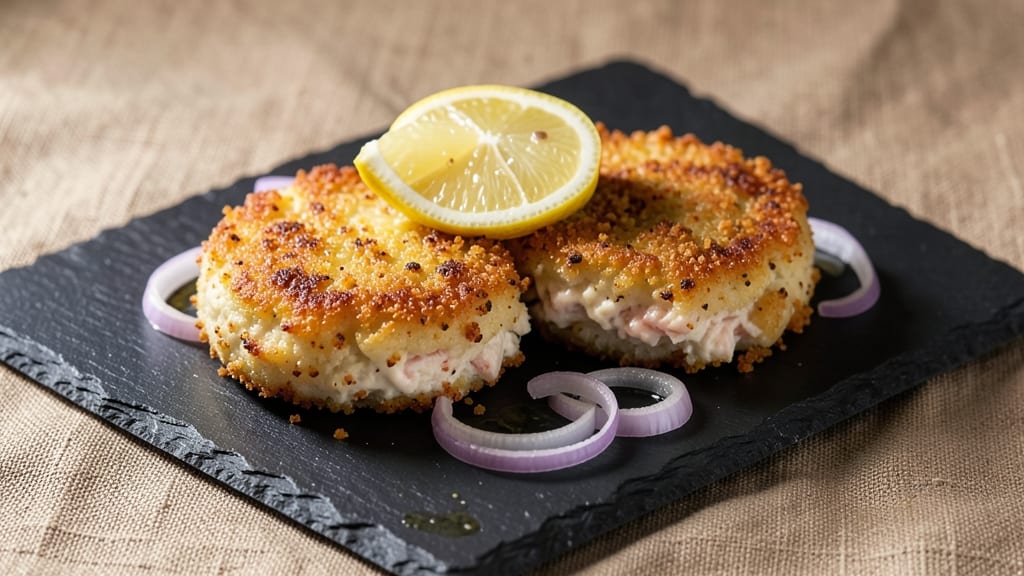
America’s Test Kitchen crab cake recipe delivers the crispy crust and juicy centers that make this dish legendary. 🔥 The secret lies in precise binder ratios—mayonnaise for moisture, breadcrumbs for structure, and a chilled dough that holds its shape when frying.
I’ve tested countless variations to perfect the texture, ensuring every bite is tender without falling apart.
This recipe transforms sweet, fresh crab meat into golden, restaurant-quality crab cakes with a foolproof method. The key steps—folding in cold ingredients, shaping gently, and cooking over medium heat—are what set these apart from average versions.
No shortcuts here; just ATK’s signature precision for results that impress even the most discerning seafood lovers.
By the time you’re done, you’ll have crab cakes with a crispy, caramelized exterior and a moist, flavorful interior, perfectly balanced between sweet crab and savory seasoning.
Serve with classic remoulade, a bright lemon wedge, or a crisp side salad to complete the meal. The technique is straightforward, but the results are anything but ordinary.
Whether you’re hosting a dinner party or craving a seafood treat, this recipe delivers restaurant-quality crab cakes at home. The method scales easily, and leftovers reheat beautifully—just a quick pan-fry to restore that golden crust. Let’s get cooking!
Ingredients for america's test kitchen crab cake
Precision ingredients for restaurant-quality crab cakes with perfect texture every time.
| Ingredient | Amount | Notes |
|---|---|---|
| Fresh Lump Crab Meat 🦀 | 1 ½ lb | Backfin preferred, picked clean |
| Mayonnaise 🥫 | ½ cup | Dijon-style for tanginess |
| Panko Breadcrumbs 🍞 | ¾ cup | Japanese style for crispiness |
| Large Eggs 🥚 | 2 whole | Cold from refrigerator |
| Shallots 🧅 | 2 whole | Finely minced, ~2 tbsp |
| Fresh Lemon Juice 🍋 | 2 tbsp | From Meyer lemon if available |
| Dijon Mustard 🌶️ | 1 tbsp | For subtle depth of flavor |
| Old Bay Seasoning 🧂 | 1 tsp | Classic Maryland blend |
| Kosher Salt 🧂 | ½ tsp | Diamond Crystal preferred |
| Ground Black Pepper 🌶️ | ¼ tsp | Freshly cracked |
| Vegetable Oil 🫒 | ½ cup | High smoke point for frying |
| Unsalted Butter 🧈 | 2 tbsp | For basting after frying |
| Fresh Chives 🌿 | 2 tbsp | Finely chopped for garnish |
The crab meat is non-negotiable—backfin lump from a trusted seafood purveyor like Whole Foods or your local fishmonger delivers the best texture. Look for freshness within 24 hours of harvest, and always pick through for shells or cartilage. The mayonnaise should be Dijon-style for that subtle tang that prevents sogginess. For the breadcrumbs, Panko's light, airy structure creates the ideal crispy crust, but if you must substitute, use fine dry breadcrumbs—just don't pack them down. The shallots should be finely minced (almost paste-like) to distribute flavor evenly without overpowering the delicate crab.
No Dijon mustard? Yellow mustard at half the amount works in a pinch, though it lacks the subtle complexity. Running short on Old Bay? Celery salt plus a pinch of cayenne mimics its signature blend. The eggs must be cold from the refrigerator—room temperature eggs won't bind properly. For the oil, vegetable or canola oil with a high smoke point is ideal, but avocado oil works beautifully if you prefer a neutral flavor. If you're concerned about the crab cakes falling apart, add an extra tablespoon of mayonnaise—it's the secret to that signature juicy center. And trust me on the Meyer lemon juice—it adds a bright sweetness that regular lemons can't match.
The crab mixture must chill for at least 30 minutes before shaping—this critical step prevents premature cooking when frying. Form the cakes gently but firmly, using wet hands to prevent sticking. Fry over medium heat (350°F oil temperature) for even cooking, and never overcrowd the pan. The cakes reheat beautifully—pan-fry in butter for 2 minutes per side to restore that golden crust. Store leftovers in an airtight container in the fridge for up to 2 days, or freeze for 1 month (thaw in the fridge overnight before reheating). The chives should be chopped just before serving—they add a delicate freshness that wilts quickly when prepped ahead.
Why You'll Love This Recipe
- I’ll be real: most crab cakes dry out if reheated. Not these. The mayo keeps them moist, so I can make a double batch, store them in the fridge, and still serve them up crispy the next day—great for lunch or a snack without extra effort.
- No-Fuss Assembly: I swear by this recipe because it’s the kind of dish where you almost feel guilty for how little work you put in. Just mix the crab meat, mayo, egg, and finely chopped shallots—no fancy techniques, no waiting for dough to rise. The panko gives it that perfect crunch without needing a food processor.
- Creamy-Crunch Perfection: Between us, the texture is chef’s kiss—that crispy panko shell with a luscious, buttery crab center. The shallots add a subtle sweetness that makes every bite feel luxurious, even when I’m making them for a last-minute dinner.
- Weeknight or Wow Factor: Honestly, these crab cakes are my go-to for both lazy Tuesdays and impressing guests. Pan-sear them for a quick weeknight meal, or bake them ahead for potlucks—no one will guess they took me 15 minutes to throw together.
Step-by-step instructions for crispy crab cakes
Master the science of perfect crab cakes with this method—crispy exteriors and tender, juicy centers guaranteed.
👨🍳 Step 1: Prepare the Crab Mixture with Precision
In a large mixing bowl, combine the 1.5 lb fresh lump crab meat with the 0.5 cup mayonnaise, 1 tbsp Dijon mustard, 2 tbsp fresh lemon juice, 1 tsp Old Bay seasoning, 0.5 tsp kosher salt, and 0.25 tsp ground black pepper. Gently fold everything together using a silicone spatula—just until fully incorporated. Avoid overmixing, which can break down the delicate crab texture.
Next, finely mince the 2 whole shallots (about 2 tbsp) and fold them into the mixture. The shallots add subtle sweetness that balances the briny crab. Here's the thing—don't rush this step. The flavor needs time to meld, so let the mixture sit at room temperature for 15 minutes while you prepare the next components. This resting period ensures even cooking later.
🥘 Step 2: Create the Binding Base for Structure
In a separate bowl, whisk together the 2 whole large eggs until lightly frothy but not fully emulsified. This creates a gentle binding agent that holds the crab mixture together without making the cakes dense. Add the 0.75 cup panko breadcrumbs and mix until just combined—again, minimal mixing prevents a gummy texture.
Now, carefully fold the wet egg mixture into the crab mixture, using a gentle folding motion to maintain air pockets. The panko will create that coveted crispy crust, but it needs to be evenly distributed. If the mixture feels too wet, you can add an extra 1-2 tbsp panko—just enough to help bind without overpowering the crab flavor. The ideal consistency should hold together when pressed gently but still be slightly moist.
🔥 Step 3: Chill for Optimal Texture
Transfer the crab mixture to a shallow dish and cover tightly with plastic wrap. Refrigerate for at least 30 minutes (up to 2 hours for best results). This chilling step is critical—it firms up the mixture, prevents premature cooking when fried, and ensures the crab cakes hold their shape in the pan. I know it seems like a long wait, but trust me, it's worth it for that perfect balance of crispy and tender.
While the mixture chills, preheat your oven to 200°F—you'll use it later to keep the finished crab cakes warm. Also, measure out the 0.5 cup vegetable oil and 2 tbsp unsalted butter for frying. The oil should be at room temperature, not cold, for even heat distribution in the pan.
🍳 Step 4: Fry to Golden Perfection
Heat a large skillet over medium heat and add the 0.5 cup vegetable oil and 2 tbsp unsalted butter. Let the mixture heat through until it shimmers but doesn't smoke—this should take about 3-4 minutes. The butter adds richness that complements the crab beautifully.
Using a 1/3-cup measuring scoop, portion the chilled crab mixture into 4 equal cakes (about 3.5 oz each). Gently press each cake to form a 1-inch thick patty with slightly rounded edges. This shape ensures even cooking and that perfect crispy crust. Carefully slide the cakes into the hot oil and fry for 3-4 minutes per side until deep golden brown. You'll see the edges start to crisp—that's your signal to flip. Don't walk away; fried crab cakes burn faster than you think.
⏰ Step 5: Finish and Serve with Confidence
Transfer the fried crab cakes to a wire rack set over a baking sheet and tent loosely with aluminum foil. Place them in the 200°F oven to keep warm while you finish the batch. This step prevents them from continuing to cook in residual oil, which can turn them greasy.
Once all cakes are fried, garnish each with 2 tbsp finely chopped fresh chives and serve immediately. The contrast of crispy exterior and tender, juicy interior should be immediately apparent. Each bite should deliver that briny crab flavor with a hint of lemon brightness and a satisfying crunch from the panko crust. Serve with lemon wedges on the side—because sometimes, you just need that extra zing.
Pro Tips For Making America'S Test Kitchen Crab Cake
- CHILL THE CRAB FIRST: Pull the crab meat from the fridge 10 minutes before mixing—cold protein releases less moisture, so your cakes stay together instead of turning into a soggy mess. I learned this the hard way after making three batches that fell apart when frying.
- DRY THE PANKO WELL: Toast the panko in a dry skillet over medium heat for 3-4 minutes until it’s golden and smells nutty—this removes excess moisture that’ll make your cakes dense. Skip this, and you’re basically baking a crab patty instead of a crispy cake.
- PRESS HARD, HOLD FIRM: When forming the cakes, press the mixture into the pan with the back of a spoon and hold for 5 seconds—this ensures the edges stay intact during frying. Rushing this step leads to crumbly, irregular shapes that won’t sear properly.
- USE A THERMOMETER FOR FRYING: Heat the oil to 350°F (175°C) and keep it there—any hotter, and the outside burns before the inside cooks; too cool, and you’ll have greasy, underdone cakes. A cheap thermometer fixes this guesswork every time.
Dietary considerations for these flavors
Gluten-Free Adaptation
For a gluten-free version, replace the panko breadcrumbs with gluten-free panko or a mix of crushed gluten-free cornflakes and almond flour (50/50 ratio). I recommend Bob's Red Mill gluten-free panko—it mimics the crispiness of traditional panko beautifully.
The texture stays crispy, but the flavor remains neutral so it doesn’t overpower the delicate crab. Just be sure to toast the cornflakes lightly in a dry skillet for 2-3 minutes before crushing to enhance their crunch. 🌾
Dairy-Free Modifications
Skip the butter entirely and use 100% avocado oil for frying—it has a neutral flavor and high smoke point. For binding, opt for vegan mayonnaise like Hellmann's Vegan or Just Mayo. These alternatives maintain the same creamy texture without dairy.
If you're concerned about the cakes being too dense, add 1 extra tbsp of avocado oil to the mixture to keep things light and moist. The flavor stays rich and satisfying, just without any dairy notes.
Low-Carb Options
To make this recipe keto-friendly, swap the panko for crushed pork rinds or almond flour. Pork rinds add a satisfying crunch and zero carbs, while almond flour contributes a subtle nuttiness. I like to use 1/2 cup pork rinds finely crushed in a food processor.
For extra binding, include 1 extra egg white in the mixture—it helps hold the cakes together without adding fat. The result is a crispy, low-carb crab cake that still delivers that perfect texture. 🥑
Allergen-Friendly Swaps
For egg-free crab cakes, replace the eggs with a flaxseed "egg": mix 2 tbsp ground flaxseed with 6 tbsp water and let it sit for 5 minutes to thicken. This works surprisingly well as a binder.
If you're avoiding seafood allergens, this recipe isn’t for you—but if you're simply concerned about other allergens, the substitutions above cover most common dietary restrictions. Always double-check labels on mayonnaise and breadcrumbs to ensure they’re free from cross-contamination if needed. 🚫
Vegetarian Substitutes
While this recipe is inherently seafood-based, you can create a vegetarian version using chickpea or hearts of palm as a crab substitute.
For texture, I recommend 1.5 lb finely chopped hearts of palm (drained and rinsed well) mixed with 1/4 cup vegan mayo and 1 tbsp nutritional yeast for a cheesy, umami depth. The flavor won’t be identical, but it’s a great alternative for those avoiding seafood.
Just be prepared for a slightly different texture—hearts of palm are softer than crab meat. 🌱
Nutrition facts
Frequently asked questions
Why does the recipe call for chilling the crab mixture before frying?
The 30-minute chill is essential for two reasons: it firms up the mixture so the cakes hold their shape when frying, and it prevents premature cooking in the pan. Cold ingredients also create a better seal between the panko crust and the crab, resulting in that perfect golden-brown exterior. Skipping this step often leads to crumbly or greasy cakes.
Can I bake these crab cakes instead of frying?
For baked crab cakes, preheat your oven to 400°F and line a baking sheet with parchment paper. Shape the chilled mixture into cakes and bake for 12-15 minutes until golden and crisp. Brush with melted butter halfway through for extra richness. Baked versions are slightly less crispy but still delicious—great for a healthier option.
What’s the best way to reheat leftover crab cakes?
Reheat in a skillet over medium heat with 1 tbsp butter for 2-3 minutes per side until golden and crispy again. Microwaving works in a pinch (30 seconds), but it’ll lose that perfect crust. For best results, store leftovers in an airtight container in the fridge for up to 2 days—they reheat beautifully!
How do I prevent my crab cakes from falling apart?
Overmixing is the #1 culprit! Handle the crab mixture gently, and make sure your breadcrumbs are light and dry (Panko is ideal). If the mixture feels too wet, add 1-2 extra tbsp panko. Also, always chill the dough before shaping—this helps it hold together when frying. Avoid pressing too hard when forming the cakes.
Can I use imitation crab meat instead of fresh?
While possible, fresh lump crab meat is non-negotiable for the best texture. Imitation crab (surimi) lacks the delicate sweetness and natural binding properties of real crab. If you must substitute, use high-quality imitation crab (like Kani brand) and add 1 extra tbsp mayonnaise to compensate for moisture loss. The flavor won’t be identical, but it’ll still be tasty!