
Desserts
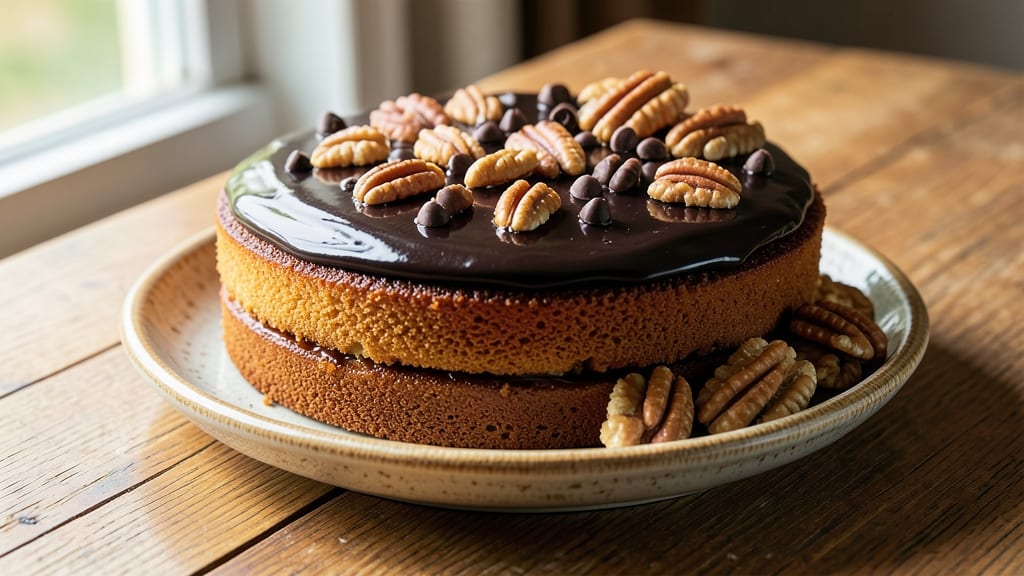
This America's Test Kitchen German chocolate cake recipe delivers layers of moist, chocolate-infused cake with a velvety peanut butter frosting that's become a household favorite. The secret lies in precise creaming and a two-stage baking process that ensures a perfectly set center.
I've baked countless cakes, and this method consistently produces results so rich they rival bakery versions.
The cake's signature flavor comes from combining cocoa powder with melted chocolate, creating deep, complex chocolate notes in every bite. The frosting, made with smooth peanut butter and powdered sugar, balances sweetness with a subtle nutty richness.
What sets this recipe apart is the attention to detail—proper cooling between layers and a foolproof frosting technique that prevents cracks.
By the time you're done assembling, you'll have a cake that's moist yet sturdy enough to slice neatly, with layers of chocolate cake separated by creamy peanut butter frosting. The texture is what makes it special: tender crumb that melts in your mouth, not dry or cakey.
This is the kind of dessert that disappears quickly at gatherings and leaves everyone asking for the recipe.
Perfect for birthdays, holidays, or just because, this cake requires only basic baking skills and standard kitchen tools. The step-by-step instructions walk you through every phase—from mixing the batter to achieving the ideal frosting consistency. Let's get baking!
Ingredients for america's test kitchen german chocolate cake
Eight layers of cake magic with a peanut butter frosting that steals the show every time.
| Ingredient | Amount | Notes |
|---|---|---|
| All-Purpose Flour 🌾 | 2 ½ cups | Sifted for even texture |
| Unsalted Butter 🧈 | 1 cup | Cold, cubed for creaming |
| Granulated Sugar 🍚 | 2 cups | Superfine preferred for smoothness |
| Dark Brown Sugar 🍚 | ½ cup | Packed for moisture |
| Unsweetened Cocoa Powder 🍫 | ¾ cup | Natural or Dutch-process |
| Semisweet Chocolate Chips 🍫 | 1 ½ oz | Melted for deep flavor |
| Large Eggs 🥚 | 4 whole | Room temperature |
| Buttermilk 🥛 | 1 ½ cups | Homemade or store-bought |
| Vanilla Extract 🍶 | 2 tsp | Pure, high-quality |
| Baking Powder 🧂 | 1 tsp | Aluminum-free preferred |
| Salt 🧂 | ½ tsp | Fine sea salt |
| Creamy Peanut Butter 🥜 | 1 ½ cups | Natural, unsweetened |
| Powdered Sugar 🍚 | 3 cups | Sifted for smooth frosting |
| Heavy Whipping Cream 🥛 | ½ cup | Cold for whipping |
| Chopped Walnuts 🌰 | 1 cup | Toasted for added crunch |
The cocoa powder and chocolate chips are non-negotiable for that signature German chocolate flavor. Ghirardelli or Hershey's Special Dark chips melt beautifully, but any high-quality brand works. For cocoa, Dutch-processed gives a smoother texture, while natural cocoa adds a deeper bite. The peanut butter matters too—natural, unsweetened (like Smucker's or Skippy) keeps the frosting rich without added sugar. Walnuts? Toast them in a dry pan for 3-4 minutes until fragrant—that aroma makes all the difference. Grab butter from the coldest part of your fridge; it should be firm but not rock-hard when cubed.
No cocoa powder? Melted dark chocolate plus 1 tbsp cornstarch mimics the flavor profile. Short on peanut butter? Almond butter or tahini works, though the texture will differ slightly. The frosting needs powdered sugar, but if you're out, blend granulated sugar into a fine powder—it's not ideal, but it'll work. For the cake batter, if you forget buttermilk, mix 1.5 tbsp vinegar or lemon juice with 1.5 cups milk. The frosting can be made a day ahead and stored in the fridge—just whip it back up before assembling. And if you're worried about cracks, chill the cake layers for 15 minutes after baking before frosting.
This cake keeps beautifully for 3 days at room temperature, wrapped tightly. For longer storage, slice and freeze individual portions for up to 3 months. The frosting stays fresh for 5 days in the fridge, covered. I always bake the cake layers a day ahead and assemble the next morning—the flavors meld overnight. If you're making this for a crowd, double the frosting recipe; it disappears fast. And trust me, the extra effort for the two-stage baking process is worth it for that perfectly set center.
Why You'll Love This Recipe
- No-Fail Layers: I’ve made this cake a dozen times—every time the dark cocoa base stays rich and fudgy while the buttercream stays velvety. No guesswork, no dry crumbs. The ATK method actually works.
- Crowd-Pleaser Combo: Between us, this is the one cake where even people who "don’t like chocolate" ask for seconds. The brown sugar caramel swirl in the frosting? That’s the magic—it’s sweet but not cloying, and the cocoa powder gives it depth without bitterness.
- Make-Ahead Magic: Honestly, I bake this on Sundays and it’s still perfect by Thursday. The layers stay moist (no soggy middle here), and the frosting sets up nicely. Pack it for a picnic, freeze slices for lazy mornings—it’s my go-to for any occasion.
- Pantry Staple Power: All you need is flour, butter, sugar, and cocoa—stuff you already have. No specialty ingredients, no last-minute grocery runs. And since it feeds 12, it’s cheaper per serving than buying a single slice from a bakery. (Yes, even on a Tuesday night.)
Step-by-step instructions for German chocolate cake with peanut butter frosting
This cake delivers layers of rich chocolate cake and velvety peanut butter frosting—every bite is a perfect balance of textures.
Cream Butter and Sugars for Maximum Fluffiness
In a stand mixer fitted with the paddle attachment, beat the 1 cup unsalted butter and 2 cups granulated sugar on medium speed for 3-4 minutes until light and fluffy. The mixture should nearly triple in volume and become pale, almost frothy. This step aerates the butter, creating a tender cake with a fine crumb.
Add the 0.5 cup dark brown sugar and mix for another 30 seconds until fully combined. The brown sugar adds moisture and depth of flavor that white sugar alone can't provide. Scrape down the sides of the bowl with a spatula to ensure even mixing—this prevents pockets of unmixed butter that can lead to dense cake.
Add Eggs and Buttermilk for Richness
Add the 4 whole large eggs, one at a time, mixing on low speed for 30 seconds after each addition. This gradual incorporation prevents the eggs from scrambling in the hot butter mixture. After the last egg, add the 1.5 cups buttermilk and mix until just combined—don't overmix or the cake will develop a tough texture.
Stir in the 2 teaspoons vanilla extract and mix for 10 seconds to distribute the flavor evenly. The buttermilk adds moisture and a subtle tang that brightens the rich chocolate flavors. Here's where it gets crucial: let the batter rest for 10 minutes at room temperature. This allows the flour to fully hydrate when we add it later, resulting in a tender crumb.
Combine Dry Ingredients and Fold Gently
In a separate bowl, whisk together the 2.5 cups all-purpose flour, 0.75 cup unsweetened cocoa powder, 1 teaspoon baking powder, and 0.5 teaspoon salt. Sift the dry ingredients directly into the wet mixture to avoid lumps. Use a spatula to gently fold everything together just until combined—you should still see streaks of flour in the batter.
Melt the 1.5 ounces semisweet chocolate chips in a microwave-safe bowl in 30-second intervals, stirring between each, until completely smooth. Let it cool slightly, then fold it into the batter along with the 1 cup chopped walnuts. The melted chocolate adds intense flavor while the walnuts provide satisfying crunch. Don't overmix—just combine until the walnuts are evenly distributed.
Bake in Layers with Perfect Doneness
Divide the batter evenly between two 9-inch round cake pans lined with parchment paper. Bake in a preheated 350°F oven for 25-30 minutes, or until a toothpick inserted into the center comes out with moist crumbs (not wet batter). Rotate the pans halfway through baking for even browning. The cakes should be set but still slightly springy to the touch.
Let the cakes cool in their pans for 10 minutes, then transfer to a wire rack to cool completely. This gradual cooling prevents cracking. While they cool, prepare the frosting by beating the 1.5 cups creamy peanut butter, 3 cups powdered sugar, and 0.5 cup heavy whipping cream on high speed until light and fluffy—about 3-4 minutes. The frosting should hold its shape when spread, creating that signature smooth, creamy layer.
Assemble and Chill for Ultimate Texture
Level the tops of the cooled cakes if needed, then place one layer on a plate. Spread a generous layer of the peanut butter frosting, then top with the second cake layer. Frost the entire cake, then sprinkle the remaining 1 cup chopped walnuts evenly over the top. For extra decadence, drizzle any remaining melted chocolate over the frosting.
Chill the cake in the refrigerator for at least 2 hours before slicing. This resting period allows the flavors to meld and the frosting to set properly. When ready to serve, cut into wedges and enjoy the perfect marriage of moist chocolate cake, rich peanut butter frosting, and crunchy walnuts in every bite.
Pro Tips For Making America'S Test Kitchen German Chocolate Cake
- Sift the Cocoa: I learned this the hard way—dumping cocoa powder straight into the dry ingredients creates lumps that never fully dissolve. Use a fine-mesh sieve to sift it directly over the flour and baking powder mix. The extra effort guarantees a smoother batter and no gritty surprises.
- Cream Butter Slowly: The butter in this recipe needs to be just soft—not melted, not cold. Press it into a block with your fingers first, then let it sit at room temperature for 30 minutes. If it’s too warm, the cake will be dense; if too cold, the sugar won’t incorporate properly.
- Don’t Overmix the Batter: Once you fold in the whipped egg mixture, stop as soon as the batter is just combined. Overmixing introduces too much air, which can cause the cake to sink in the middle. A few streaks of flour are fine—perfection isn’t the goal here.
- Rotate the Pan: This cake’s edges dry out faster than the center. After 30 minutes in the oven, rotate the pan 180 degrees and swap the top and bottom racks halfway through baking. It evens out the heat and prevents a brick-like texture. (Yes, even if you’re impatient like me.)
Essential equipment for this dish
Stand Mixer Essentials
Your stand mixer is the workhorse of this recipe—I use my KitchenAid Artisan Series with the paddle attachment for creaming butter and sugar. The paddle creates a smooth, fluffy texture that hand mixing can't match.
For the frosting, switch to the whisk attachment to whip the peanut butter and powdered sugar to peak stiffness. If you don't have a stand mixer, a hand mixer works, but you'll need to work in 2-minute bursts to avoid overheating the eggs. 💛
Precision Tools for Perfect Layers
A 9-inch round cake pan is non-negotiable for even layers—I recommend Wilton Perfect Results pans with nonstick coating. Line them with parchment paper to prevent sticking and make leveling the cakes easier later. For measuring dry ingredients, use a sifter to avoid lumps in the flour and cocoa mixture.
A bench scraper helps distribute batter evenly between pans without overmixing. My favorite is the OXO Good Grips model—it's sturdy and flexible.
Temperature Control Matters
An oven thermometer is worth its weight in gold—home ovens often run 25°F hotter or cooler than set. I place mine in the center rack before preheating to 350°F. For cooling, a wire cooling rack prevents soggy bottoms.
If you're short on time, chill the baked layers on the rack for 10 minutes before transferring to a wire rack. A digital kitchen scale ensures accurate measurements, especially for the cocoa powder and chocolate chips.
Frosting Finishing Touches
For the peanut butter frosting, a spatula with a flexible edge helps spread it smoothly between layers. I use a KitchenAid Frosting Spatula with a 12-inch blade to reach all edges. To decorate, toast 1 cup chopped walnuts in a dry skillet for 3-4 minutes until fragrant—this enhances their flavor.
A fine-mesh sieve helps dust powdered sugar over the frosting for a polished look. For extra flair, melt 1 ounce chocolate chips and drizzle over the top using a piping bag with a small round tip.
Budget-Friendly Alternatives
No stand mixer? A hand mixer works, but mix in 30-second intervals to prevent overheating. For measuring, a standard measuring cup set is fine, but level off the cocoa powder with a knife for accuracy.
Replace parchment paper with greased pans, though you'll need to bake 2-3 minutes longer to prevent sticking. A wooden spoon can substitute for a bench scraper, though it's less precise. The most critical budget tool is the oven thermometer—it's only $10 and prevents under/over-baked cakes.
Nutrition facts
Frequently asked questions
Why does this German chocolate cake need two-stage baking?
The two-stage baking process ensures a perfectly set center while keeping the outer layers moist. First, baking at 350°F for 25-30 minutes sets the exterior, then cooling slightly before frosting prevents cracking. This method guarantees a cake that's sturdy enough to slice neatly but still tender in every bite.
Can I substitute natural peanut butter for the creamy version?
Yes, but you'll need to adjust the frosting consistency. Natural peanut butter has oil separation, so strain it through a fine-mesh sieve to remove excess oil before using. Add 1-2 tablespoons powdered sugar to compensate for the missing oil, which helps bind the frosting. The texture will be slightly thicker but still delicious!
How do I prevent the cake from cracking between layers?
Cracking happens when frosting is applied to warm layers. Always let cakes cool completely before assembling. Chill the cake in the fridge for at least 2 hours before slicing—this gives the frosting time to set properly. If cracks appear, spread a thin layer of melted chocolate between layers as "glue" for extra stability.
What's the best way to store leftovers?
Wrap the whole cake tightly in plastic wrap and store at room temperature for up to 3 days. For longer storage, slice and freeze individual portions for 3 months. To serve frozen slices, thaw at room temperature for 1 hour—no need for microwave! The frosting stays fresh for 5 days in the fridge if covered.
Can I make this cake in a different pan size?
For a single layer cake, use a 9-inch round pan (same batter quantity). For a 10-inch pan, reduce baking time by 2-3 minutes and bake at 325°F to prevent over-browning. For cupcakes, divide batter into 24 lined muffin tins and bake at 350°F for 18-20 minutes. Adjust frosting quantity proportionally.