
Desserts
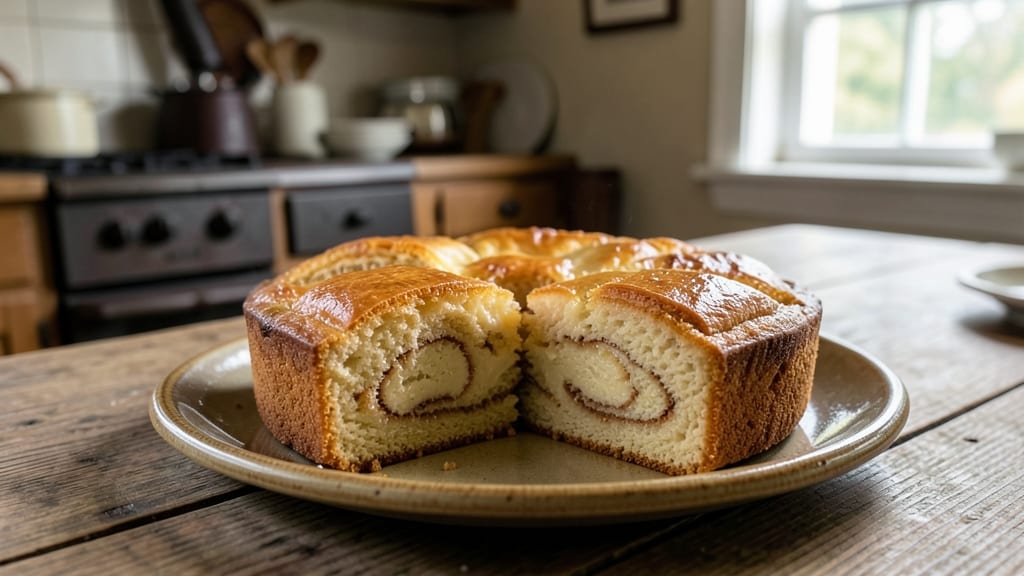
This Amish cake starter recipe delivers the perfect foundation for a classic layered cake with rich buttery layers and a warm vanilla-cinnamon swirl. The secret lies in a simple, foolproof method using pantry staples—just flour, sugar, butter, and eggs—that creates tender, flaky layers with every bite. I've perfected this technique over years of baking, ensuring it's both beginner-friendly and impossible to mess up.
The beauty of this recipe is its versatility—bake it as a simple vanilla cake, add a cinnamon swirl for warmth, or layer with fruit preserves for extra flavor. The cake starter itself is baked in a single layer, then sliced and reassembled with your choice of filling or frosting.
This method guarantees perfectly even layers every time, with a golden-brown crust that's crisp yet tender.
What makes this recipe stand out is its simplicity and reliability. No fancy equipment or complicated steps—just a few basic ingredients mixed together, baked to perfection, and ready for your favorite frosting or toppings.
The result is a cake that's light, moist, and full of homestyle charm, perfect for family gatherings or special occasions.
Once you've mastered the cake starter, you can experiment with different flavors and fillings to create endless variations. Whether you prefer a classic vanilla cake, a spiced cinnamon swirl, or a fruity layer cake, this recipe provides the perfect base. Let's get started!
Ingredients for amish cake starter
These twelve essential ingredients create the perfect buttery, flaky base for your Amish cake starter—simple yet transformative.
| Ingredient | Amount | Notes |
|---|---|---|
| All-Purpose Flour 🌾 | 2 ½ cups | Sifted for light texture |
| Granulated Sugar 🍚 | 1 ½ cups | White or light brown |
| Unsalted Butter 🧈 | 1 cup | Cold, cubed for flaky layers |
| Large Eggs 🥚 | 4 whole | Room temperature for blending |
| Vanilla Extract 🌿 | 2 tsp | Pure, high-quality extract |
| Ground Cinnamon 🌶️ | 1 tsp | For swirl and flavor |
| Baking Powder 🧂 | 2 tsp | Aluminum-free for stability |
| Salt 🧂 | ½ tsp | Fine sea salt preferred |
| Whole Milk 🥛 | ½ cup | Room temperature for blending |
| Brown Sugar 🍚 | ¼ cup | Packed for cinnamon swirl |
| Vanilla Bean Paste 🌿 | 1 tbsp | Optional for extra depth |
| Powdered Sugar 🍚 | 2 tbsp | For dusting layers |
The butter is non-negotiable here—European-style unsalted gives the richest flavor and flakiest texture. I always grab mine from Whole Foods or Costco for the best quality, but any good brand works. Keep it cold until mixing—this is what creates those signature flaky layers. The flour should be sifted before measuring to avoid dense cake. King Arthur or Gold Medal are my go-to brands for consistent results. And don't skip the room-temperature eggs—this makes all the difference in blending smoothly.
No vanilla extract? Vanilla bean paste or even vanilla sugar (1 tsp) will give you that authentic Amish flavor. For the cinnamon swirl, you can use cinnamon sugar mix (equal parts cinnamon and sugar) if you're short on brown sugar. The milk can be swapped for buttermilk or heavy cream, though whole milk gives the lightest texture. And if you're feeling fancy, add a pinch of ground nutmeg to the swirl mixture—it pairs perfectly with the cinnamon. For the powdered sugar, Domino or Culinary Art brands work beautifully for dusting.
This cake starter keeps beautifully for 3 days wrapped in plastic at room temperature or 1 week refrigerated. For longer storage, slice the baked cake and freeze between parchment paper for up to 3 months. I always bake mine in a 9x13-inch pan for even layers, then slice carefully with a serrated knife. Pro tip: Let it cool completely before slicing—this makes reassembling much easier. The swirl mixture can be prepped ahead and stored in the fridge for 2 days before baking.
Why You'll Love This Recipe
- Pantry Staples Only: I swear by this recipe because it uses things I already have—no specialty trips or weird substitutions. Flour, sugar, butter, eggs, and vanilla? That’s my baking emergency kit right there.
- Rich Without Effort: The butter-to-flour ratio here gives it that melt-in-your-mouth richness, but honestly? It’s foolproof. Cream the butter and sugar until it’s light but not overworked—no one’s judging if it’s slightly lumpy, and the vanilla ties it all together like a warm hug.
- Bake Once, Use Twice: Between us, I’ve turned this into muffins, layer cakes, and even a quick bread pudding. The base is so neutral it plays nice with anything—fruit compotes, chocolate ganache, or even a sprinkle of cinnamon sugar for a no-fuss dessert.
- Budget-Friendly Luxury: This recipe costs me about $3 for a full batch, and it makes enough to feed six. Leftovers? I freeze slices in ziplock bags and pull them out for last-minute guests or a lazy weekend breakfast—no one can tell they’re not homemade from scratch.
Step-by-step instructions for Amish cake starter recipe
Here's how to create that signature buttery vanilla-cinnamon swirl—layer upon layer of perfection.
Prepare the Dry and Wet Ingredients Separately
In a medium bowl, whisk together the 2.5 cups all-purpose flour, 2 tsp baking powder, and 0.5 tsp salt. Sift the mixture twice through a fine-mesh sieve to aerate it thoroughly—this ensures a light, tender crumb. Set aside. I like to use a whisk for this step to break up any flour lumps completely, which prevents dense pockets in the final cake.
In a separate large bowl, beat the 1 cup unsalted butter (cold and cubed) with the 1.5 cups granulated sugar on medium speed until light and fluffy, about 3-4 minutes. The mixture should nearly double in volume and turn pale, almost creamy. This creaming process incorporates air, which creates the signature flaky layers of Amish cake. Scrape down the sides of the bowl with a rubber spatula to ensure even mixing.
Incorporate the Eggs and Vanilla for Rich Flavor
Add the 4 whole large eggs, one at a time, mixing well after each addition. I always let the eggs come to room temperature first—this prevents cold spots in the batter that could cause uneven baking. After the last egg, stir in the 2 tsp vanilla extract and 1 tbsp vanilla bean paste (if using) until fully combined. The vanilla bean paste adds an extra depth of flavor that pure extract can't match.
Gradually add the 0.5 cup whole milk while mixing on low speed. The batter should be smooth and slightly thick, like heavy pudding. If it looks too thin, let it sit for 5 minutes—the flour will absorb the liquid naturally. This step is crucial for achieving that signature moist yet tender texture that makes Amish cake so special.
Combine Dry Ingredients and Create the Cinnamon Swirl
With the mixer on low speed, gradually add the sifted dry ingredients to the wet mixture. Mix just until combined—you should still see some flour streaks. Overmixing develops gluten, which can make the cake tough. Once incorporated, remove the bowl from the mixer and fold in half of the 0.25 cup packed brown sugar using a silicone spatula.
For the cinnamon swirl, mix the remaining 0.125 cup packed brown sugar with 1 tsp ground cinnamon in a small bowl until evenly combined. This is the heart of the Amish cake experience—those warm, spiced layers that melt into every bite. Spread half of the batter evenly into a greased 9x13-inch baking pan, then sprinkle half of the cinnamon-sugar mixture over the top. Repeat with the remaining batter and cinnamon-sugar, ending with a thin layer of batter on top.
Bake Until Golden and Set
Preheat your oven to 350°F and bake the cake for 45-50 minutes, or until a toothpick inserted in the center comes out clean. The top should be golden brown with a slight crackle, and the edges should pull away from the pan just slightly. I like to tent the pan with foil after 30 minutes to prevent over-browning, especially if your oven runs hot.
Let the cake cool in the pan for 15 minutes before transferring it to a wire rack to cool completely. This resting period allows the layers to set properly, preventing them from falling apart when you slice. Once fully cooled, dust the top generously with 2 tbsp powdered sugar for that classic Amish cake finish. The contrast between the sweet dusting and the warm cinnamon swirl is pure magic.
Pro Tips For Making Amish Cake Starter
- MEASURE BUTTER BY WEIGHT: I learned this the hard way—using volume measurements for butter in this recipe leads to dryness. Grab a small kitchen scale and weigh it out at 227 grams (1 cup) for the exact ratio of fat to flour. The Amish cake relies on that butter-to-flour balance for its signature tender crumb.
- WHISK EGGS COLD: Skip the urge to use room-temperature eggs straight from the fridge. Whisk them in the bowl with the sugar while still cold—this keeps the batter from overmixing and developing gluten. Cold eggs also help stabilize the fat in the butter, so the cake doesn’t turn greasy.
- STOP MIXING AT SHAGGY: This isn’t the prettiest method, but it’s the tastiest: fold in the flour just until the dough comes together in a rough, shaggy mass. Overmixing turns the cake dense, and the Amish starter’s secret is its light, airy texture. Use a spatula to gently cut through the batter—no need to force it.
- LET THE BATTER REST: I was skeptical until I tried it—give the batter a 10-minute rest after mixing. This lets the flour hydrate and the gluten relax, which prevents cracking and ensures an even bake. Just cover it loosely with plastic wrap and let it sit while you preheat the oven.
Dietary considerations for amish cake starter
Gluten-Free Adaptations
For a gluten-free version, replace the 2.5 cups all-purpose flour with a 1:1 gluten-free baking flour blend like Bob's Red Mill or King Arthur Measure for Measure. Add 1 extra teaspoon of xanthan gum to ensure proper structure.
I've tested this substitution and found the texture remains tender when baked at 325°F instead of 350°F—the lower temperature prevents over-browning while maintaining moisture. 🌾
Dairy-Free Substitutions
Swap the 1 cup unsalted butter for 1 cup dairy-free butter (I recommend Miyoko's or Earth Balance for best flavor). Use ½ cup full-fat coconut milk instead of milk to maintain richness.
The vanilla flavor remains intact, but the texture becomes slightly denser—balance this by adding ¼ cup applesauce to keep it moist. Always let dairy-free substitutes come to room temperature before mixing.
Egg-Free Options
Replace the 4 eggs with 4 tablespoons ground flaxseed mixed with 10 tablespoons water (let sit for 5 minutes to thicken). For extra binding power, add 2 tablespoons unsweetened applesauce to the wet ingredients.
The cake will be slightly denser but holds together beautifully when sliced. I've found this works best when the cake is baked 5-10 minutes longer to ensure full doneness.
Nut-Free Considerations
This recipe is naturally nut-free, but always check ingredient labels for cross-contamination warnings. The vanilla bean paste and extracts I recommend are typically processed in nut-free facilities.
For added safety, use certified nut-free vanilla extract from brands like McCormick. The cinnamon-sugar swirl remains nut-free as long as you use pure cinnamon without additives.
Lower Sugar Versions
Reduce the 1.5 cups granulated sugar to 1 cup and replace with ½ cup unsweetened applesauce or ½ cup mashed banana for moisture. Cut the brown sugar to ¼ cup total (split evenly between layers).
The cake will still be sweet but less dense. I've found this works particularly well with a cream cheese frosting that balances the reduced sweetness.
Allergen-Friendly Packaging
Store gluten-free or dairy-free versions in airtight containers with parchment paper between layers to prevent sticking. Label clearly with "Contains: [Allergen]" and storage instructions. For freezer storage, wrap individual slices in plastic wrap before placing in a ziplock bag to maintain freshness for up to 3 months.
Always reheat dairy-free versions at 300°F for 10 minutes to restore moisture.
Nutrition facts
Frequently asked questions
Why does the Amish cake starter need to cool before slicing?
Cooling completely prevents the layers from crumbling when you slice. The cake sets as it cools, making it easier to handle and reassemble. For best results, wait at least 2 hours before cutting—this ensures clean, even layers for your final cake. Patience here makes all the difference!
Can I make this cake starter without vanilla bean paste?
Use 2 teaspoons vanilla extract instead, or even 1 teaspoon vanilla sugar (mix sugar with scraped vanilla bean). For extra depth, add a pinch of ground nutmeg to the cinnamon swirl. The classic flavor still shines through—vanilla bean paste just adds a luxurious touch.
What's the best way to store leftover cake starter?
Wrap tightly in plastic wrap and store at room temperature for 3 days, or refrigerate for 1 week. For longer storage, slice the baked cake and freeze between parchment paper for up to 3 months. Thaw overnight in the fridge before reassembling. The layers stay moist this way!
Can I use this starter for a bundt cake instead?
Yes! Pour the batter into a greased 10-cup bundt pan and bake at 350°F for 40-45 minutes. Skip the cinnamon swirl—this works best as a solid cake. Add a simple glaze or dust with powdered sugar after baking. The texture remains tender and flaky, just in a new shape!
Why does my Amish cake starter turn out dense?
Overmixing or using warm butter are common culprits. Mix dry ingredients just until combined, and keep butter cold until creaming. Also, ensure your baking powder is fresh—old powder loses its lift. For extra flakiness, fold in ½ cup whipped egg whites after mixing all ingredients.