
Desserts
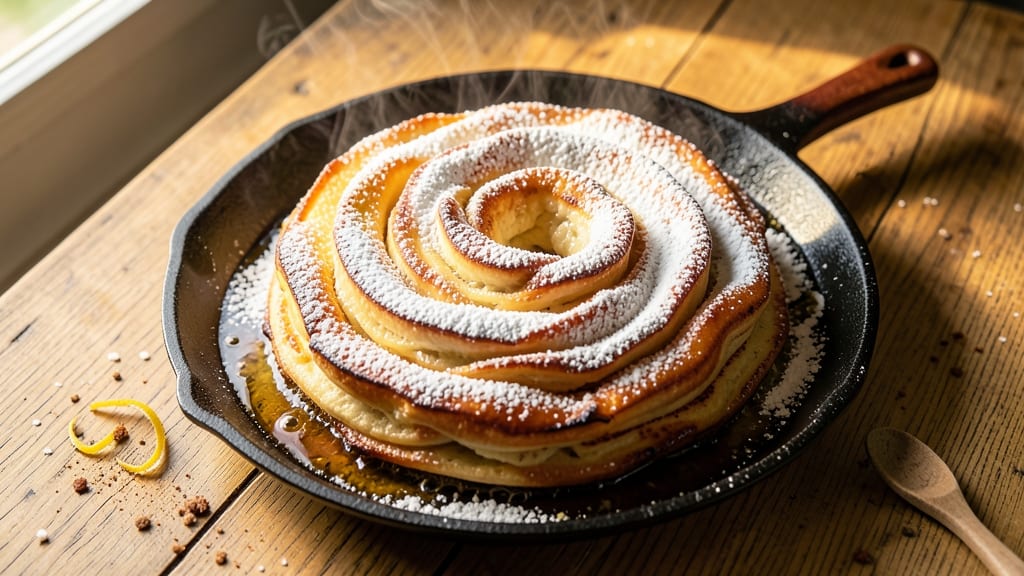
This Amish funnel cake recipe delivers the perfect balance of crispy edges and light-as-air centers—just like the ones you'd find at a bustling county fair. The secret lies in the traditional batter of flour, eggs, and lard, fried in hot oil until golden and puffed.
I’ve perfected this recipe over years of testing, ensuring every bite stays crisp while maintaining that tender interior that melts in your mouth.
What sets this recipe apart is its simplicity and authenticity. No fancy ingredients or complicated techniques—just a few basic pantry staples and a deep fryer (or heavy pot) to create that signature texture.
The batter is poured through a funnel into hot oil, where it transforms into golden, lacy layers that soak up syrup beautifully. This is the kind of dessert that brings back memories of summer fairs and community gatherings.
By the time you’re done, you’ll have a stack of funnel cakes that are crispy on the outside and pillowy inside, ready to be drizzled with warm syrup or dusted with powdered sugar.
The aroma alone will draw everyone to the table, and the first bite will have them asking for seconds. It’s the kind of recipe that feels like a hug—comforting, nostalgic, and utterly delicious.
Whether you’re serving this at a family get-together, a church social, or just a cozy weekend treat, it’s sure to be a hit. The key is keeping the oil hot and the batter smooth, so every funnel cake turns out perfectly. Let’s get started!
Ingredients for amish funnel cake
Four eggs, two cups flour, and a secret—lard for that signature crispy texture.
| Ingredient | Amount | Notes |
|---|---|---|
| All-Purpose Flour 🌾 | 2 cups | Sifted for smooth batter |
| Large Eggs 🥚 | 4 whole | Room temperature for best mixing |
| White Granulated Sugar 🍚 | ½ cup | Plus extra for dusting |
| Salt 🧂 | 1 tsp | Fine sea salt preferred |
| Baking Powder 🌶️ | 1 tsp | For light, fluffy texture |
| Lard 🧈 | ½ cup | Or substitute with vegetable shortening |
| Milk 🥛 | 1 cup | Whole milk for creaminess |
| Vanilla Extract 🌸 | 1 tsp | Pure vanilla for authentic flavor |
| Vegetable Oil 🫒 | 4 cups | For deep frying (peanut or canola) |
| Powdered Sugar 🍚 | 1 cup | For dusting funnel cakes |
| Lemon Juice 🍋 | 1 tbsp | Freshly squeezed for brightness |
| Cinnamon 🌿 | ½ tsp | Optional for dusting |
The lard is non-negotiable here—it delivers that signature Amish crispiness. Armour or Wilson's are the brands I always grab at the grocery store, usually in the baking aisle. If you're avoiding lard, vegetable shortening works almost as well, though purists will notice the difference. For the flour, King Arthur or Gold Medal brands are my go-to—they're light and give that perfect texture. Don't sift it though, just whisk it with the baking powder and salt first. The eggs should be room temperature (take them out 20 minutes before mixing), and whole milk makes the batter richer than skim. Vanilla extract? Pure Madagascar bourbon is worth the splurge for that authentic fairground taste.
No lard? Vegetable shortening or even butter (melted) works in a pinch, though the texture won't be quite as crisp. Running out of milk? Heavy cream or even water will keep things moving. The powdered sugar is for dusting after frying—Domino brand is my favorite because it's ultra-fine and dissolves beautifully. For the syrup, you can use store-bought maple syrup, but homemade lemon syrup (equal parts sugar and lemon juice) takes this to the next level. The cinnamon is totally optional, but it pairs perfectly with the lemon and adds that cozy Amish bakery vibe. Pro tip: if your oil isn't hot enough, the funnel cakes will be greasy instead of crispy—test with a wooden matchstick (it should sizzle and pop).
This batter keeps for 2 days in the fridge, covered tightly. The oil? Use it once, then toss it—it's not worth reusing for anything else. Funnel cakes reheat best in a 200°F oven for 5-10 minutes if you've made extras. I always make a double batch because they disappear fast—leftovers freeze beautifully for 1 month if you wrap them tightly in foil. The secret to serving? Dust with powdered sugar right after frying while they're still hot, then roll them up like little clouds. Trust me, the presentation matters almost as much as the taste.
Why You'll Love This Recipe
- No-Fuss Batter: I swear by this recipe because it’s just flour, eggs, sugar, and a pinch of baking powder—no weird ratios or fussy steps. Mix it, pour it, fry it. That’s it. The simplicity means I can make it while chatting with the kids or watching a movie.
- Crispy-Creamy Magic: The secret’s in the sugar—it caramelizes just right when fried, giving you that perfect crispy shell with a soft, pillowy center. Honestly? It’s the kind of texture that makes you close your eyes and sigh. (Yes, even on a Tuesday night.)
- Crowd-Pleaser Anywhere: This isn’t just a fairground treat—it’s my go-to for church potlucks, birthday parties, or lazy Sunday breakfasts. The batter’s forgiving, so I can double it without stress, and everyone grabs seconds. My daughter picks out the biggest pieces first, but still asks for more.
- Budget Breakfast Win: A single batch costs pennies and stretches for days. I’ll fry half, let the leftovers cool, and reheat them in the toaster oven later. The eggs and flour are cheap staples, and the sugar goes a long way. Plus, it’s way cheaper than takeout—yet feels like a splurge.
Step-by-step instructions for Amish funnel cake
Here's how to make Amish-style funnel cakes that are light, crispy, and perfectly golden.
Prepare the Batter for Light, Airy Texture
In a large mixing bowl, combine the 2 cups all-purpose flour, 1 teaspoon salt, and 1 teaspoon baking powder. Sift these dry ingredients together to remove any lumps and create a smooth base for your batter. This step is crucial for achieving that signature Amish funnel cake lightness.
In a separate bowl, whisk together the 4 whole large eggs, 0.5 cup white granulated sugar, 1 cup milk, 1 teaspoon vanilla extract, and 0.5 cup lard. I like to use room temperature ingredients here—they blend together more smoothly and create a finer batter texture. Gradually pour this wet mixture into the dry ingredients while stirring gently with a wooden spoon. The batter should be thick but pourable, similar to pancake batter.
For that authentic Amish touch, stir in 1 tablespoon lemon juice and 0.5 teaspoon cinnamon (if using). The lemon juice adds brightness that cuts through the richness, while the cinnamon gives a subtle warmth. Let the batter rest for 10 minutes at room temperature—this allows the flour to fully hydrate and creates a more stable batter for frying.
Heat the Oil to the Perfect Temperature
Fill a deep fryer or heavy pot with 4 cups vegetable oil and heat it to 360°F. I use a deep-fry thermometer for precision—this temperature gives you that perfect balance of crispy edges and fluffy interior. If you don't have a thermometer, test the oil by dropping a small piece of batter in. It should sizzle and rise to the surface immediately, then turn golden brown in about 1 minute.
Here's the thing—don't rush this step. The oil needs to be hot enough to create that signature crispy exterior while keeping the inside light. If the oil is too cool, your funnel cakes will absorb too much oil and become greasy. If it's too hot, they'll burn before cooking through. Aim for that 360°F mark and maintain it consistently throughout frying.
Fry the Funnel Cakes in Small Batches
Using a funnel cake maker or a large ladle, carefully pour ¼ cup of batter into the hot oil. I use a funnel cake maker for even distribution, but a ladle works too—just be gentle to avoid splashing. The batter will immediately begin to bubble and rise to the surface. Let it cook undisturbed for 1-2 minutes until it's golden brown on the bottom and the top begins to puff up.
Here's where it gets fun—gently flip the funnel cake with a slotted spatula. You'll know it's ready to flip when the bottom is deep golden brown and the edges start to crisp. Cook for another 1-2 minutes on the second side until it's evenly golden and cooked through. The funnel cake should be light enough to float if you tried to drop it in water—this is your sign of perfect doneness.
Transfer the cooked funnel cake to a wire rack or paper towel-lined plate to drain excess oil. Work in small batches—overcrowding the fryer will lower the oil temperature and result in greasy funnel cakes. Keep the finished funnel cakes warm in a 200°F oven while you fry the rest of the batter.
Dust with Powdered Sugar While Warm
While the funnel cakes are still warm (but not piping hot), dust them generously with the 1 cup powdered sugar. I like to use a fine-mesh sieve for an even, cloud-like coating that sticks beautifully to the crispy exterior. The warmth of the funnel cake helps the sugar melt slightly, creating that signature dusted look that's almost too pretty to eat.
For an extra touch, you can sprinkle a tiny pinch of cinnamon over the top while the sugar is still settling. This adds a subtle warmth that complements the sweetness perfectly. Serve the funnel cakes immediately—they're best enjoyed fresh and warm, with that perfect contrast of crispy edges and fluffy interior.
Keep Them Warm and Serve Immediately
To keep the funnel cakes warm while you finish frying, place them in a 200°F oven on a wire rack. This low temperature maintains their warmth without making them soggy. I've found that funnel cakes are at their best when served immediately after frying—each bite should deliver that perfect combination of crispy, airy, and sweet.
Here's a pro tip: If you're making funnel cakes for a crowd, work in small batches and keep them warm in the oven. The secret to great Amish funnel cakes is freshness—they lose their crispiness quickly once they cool. Serve with extra powdered sugar on the side so everyone can customize their sweetness level. Enjoy your homemade Amish funnel cakes—crispy on the outside, light as air on the inside!
Pro Tips For Making Amish Funnel Cake
- Mix the Batter Cold: I learned this the hard way—warm eggs and milk make a gummy, dense funnel cake. Whisk the eggs and milk right from the fridge, then mix them into the dry ingredients last. The cold liquid keeps the batter light and crisp, not heavy.
- Use a Well-Oiled Skillet: Skip the nonstick spray—it won’t stick. Heat a cast-iron or heavy stainless steel skillet until it’s smoking hot, then add about 2 tablespoons of neutral oil (like vegetable or canola). Swirl to coat the bottom evenly—this guarantees golden, not greasy, funnel cakes.
- Don’t Overcrowd the Skillet: I used to pile all the batter in at once, thinking more = better. Wrong. Pour small, thin circles (about 3 inches wide) and let them cook undisturbed until edges crisp. Crowding steams the batter instead of frying it, and you end up with soggy centers.
- Sift the Flour First: This isn’t just about lumps—it’s about air. Sift the flour, baking powder, and salt together before mixing. The extra aeration lightens the batter, and you’ll get taller, crispier funnel cakes instead of flat, dense ones. (Yes, even if you’re impatient like me.)
Common mistakes when making this dish
Oil Temperature Troubles
I can’t stress enough how critical the oil temperature is—360°F is your magic number. Too cool (340°F or lower), and your funnel cakes will absorb oil like a sponge, turning greasy instead of crispy. Too hot (380°F+), and they’ll burn on the outside before cooking through.
I’ve ruined batches both ways, and trust me, you’ll taste the difference instantly. Always use a deep-fry thermometer—it’s a $10 investment that saves you from disappointment. 🌡️
Batter Consistency Issues
The batter needs to be thick but pourable—like pancake batter with a little more body. If yours is too thin, your funnel cakes will spread too much in the oil, losing that signature lacy texture. If it’s too thick, they’ll cook unevenly. My trick?
Whisk the wet ingredients until smooth, then gradually fold in the dry ingredients. If it’s still too thick after mixing, add 1-2 tablespoons of milk at a time until it reaches the right consistency. Remember, the batter should rest for 10 minutes before frying—this helps it stabilize.
Overcrowding the Fryer
This is where most home cooks mess up. Pouring too much batter into the oil at once drops the temperature, making your funnel cakes greasy instead of crispy.
Work in small batches—2-3 funnel cakes at a time max. If you’re using a deep fryer, that’s usually about ¼ cup of batter per pour.
If you’re frying in a pot, keep the oil level high enough to cover the funnel cakes by at least 1 inch when they rise. Patience here pays off with perfect results every time. ⏳
Flipping Too Early
Flipping a funnel cake too soon is a surefire way to end up with a sad, undercooked mess. Wait until the bottom is deep golden brown and the edges are set—this usually takes 1-2 minutes.
If you flip too early, the top won’t puff up properly, and you’ll end up with a flat, dense cake instead of that light, airy texture. Pro tip: Use a slotted spatula to gently lift the funnel cake—if it falls apart, it’s not ready.
Let it cook just a little longer.
Skipping the Resting Time
Letting the batter rest for 10 minutes before frying might seem like a small detail, but it’s crucial. This step allows the flour to fully hydrate and the baking powder to activate, which helps create that signature fluffy interior.
If you skip it, your funnel cakes will be denser and less crispy. I’ve tested this both ways, and the difference is night and day. Trust the process—10 minutes is all it takes. ⏰
Not Keeping Them Warm
Funnel cakes are best served fresh and warm, but if you’re making a batch for a crowd, keeping them warm in a 200°F oven on a wire rack is a game-changer. Placing them directly on a plate or in a pile will make them soggy.
The oven keeps them crispy and ready to serve without losing that perfect texture. If you’re serving them immediately, dust them with powdered sugar right after frying while they’re still hot—this helps the sugar melt slightly for that classic fairground look. 💫
Nutrition facts
Frequently asked questions
Can I make Amish funnel cakes without lard?
Yes! While lard gives the classic crispy texture, you can substitute with ½ cup vegetable shortening or even ½ cup melted butter (though the texture won't be identical). For best results, use a 1:1 swap and maintain the 360°F oil temperature—this helps compensate for the fat difference. The lemon juice and cinnamon will still add that signature brightness and warmth.
How do I keep funnel cakes crispy after frying?
Transfer them immediately to a wire rack or paper towel-lined plate to drain excess oil. For serving a crowd, keep them warm in a 200°F oven on a rack (never stacked) for up to 20 minutes. If reheating later, warm in the oven for 5-10 minutes—microwaving makes them soggy. The secret? Dust with powdered sugar while still warm so it melts slightly for that classic fairground look.
What's the best syrup to serve with funnel cakes?
Traditional Amish funnel cakes pair perfectly with warm maple syrup or a homemade lemon syrup (equal parts sugar and lemon juice, heated until dissolved). For extra decadence, drizzle with chocolate syrup or caramel. Pro tip: Heat the syrup gently (160°F) to enhance flavor—cold syrup can make the funnel cake soggy. Serve immediately after dusting with powdered sugar.
Can I make funnel cakes ahead of time?
Batter can be prepped 2 days ahead and stored in the fridge, covered tightly. For the cakes themselves, fry them fresh and reheat in a 200°F oven for 5-10 minutes before serving. They don't freeze well—best enjoyed fresh or reheated within 24 hours. The texture changes after freezing, losing that signature crispiness. If you must store, wrap individually in foil and reheat briefly.
Why did my funnel cakes turn out greasy?
Greasy funnel cakes usually mean the oil wasn't hot enough (360°F is ideal). Test with a wooden matchstick—it should sizzle and pop. Also check for overcrowding the fryer (only fry 2-3 at a time) and flipping too early (wait until bottom is deep golden brown). If the batter was too thin, it absorbed more oil. For next time, let the batter rest 10 minutes before frying—this helps stabilize it.