
Desserts
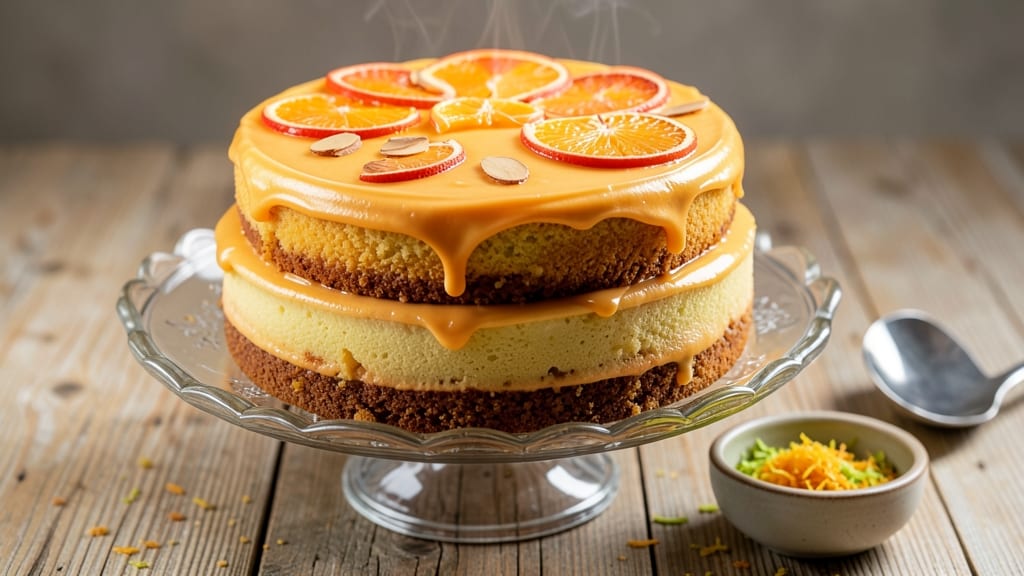
This Amish orange cake recipe delivers the perfect balance of tender, buttery layers and bright citrus flavor that's become a Midwestern classic. 🌟 The secret lies in a precise blend of flour, sugar, and fresh orange juice—no artificial substitutes—that creates a moist crumb with just the right citrus tang.
I've baked this recipe countless times, and it never fails to impress with its simple yet sophisticated taste.
The cake's signature comes from its three distinct layers—each one rich with butter and zested orange, separated by a light orange buttercream. This traditional approach ensures every slice delivers that signature Amish texture: tender enough to melt in your mouth but sturdy enough to hold the glaze.
The recipe uses basic pantry staples, making it accessible yet impressive for any occasion.
What makes this recipe truly special is the zesty orange glaze that drizzles over the top, adding a glossy finish and an extra burst of citrus flavor. The glaze isn't just for show—it enhances every bite, making this cake feel like a homemade treat rather than a store-bought one.
Baking at 350°F ensures even cooking, while the precise timing guarantees a perfectly domed cake that's ready to serve in just under an hour.
Whether you're serving this at a family gathering or simply treating yourself, this Amish orange cake delivers restaurant-quality results with minimal effort. The recipe scales easily, making it perfect for celebrations or everyday indulgence. Let's get started on creating this timeless dessert that's sure to become a favorite.
Ingredients for amish orange cake
Basic pantry staples meet bright citrus for this iconic three-layer cake.
| Ingredient | Amount | Notes |
|---|---|---|
| All-Purpose Flour 🌾 | 3 cups | Sifted for light texture |
| Granulated Sugar 🍚 | 2 ½ cups | White sugar preferred |
| Unsalted Butter 🧈 | 1 ½ cups | Room temperature, full-fat |
| Fresh Orange Juice 🍊 | 1 cup | From 3-4 medium oranges |
| Orange Zest 🍊 | 2 tbsp | Finely grated peel |
| Large Eggs 🥚 | 4 whole | Room temperature |
| Baking Powder 🧂 | 2 tbsp | Diamond Crystal preferred |
| Salt 🧂 | ½ tsp | Fine sea salt |
| Vanilla Extract 🌸 | 1 tbsp | Pure vanilla preferred |
| Powdered Sugar 🍚 | 3 cups | For glaze and buttercream |
| Heavy Cream 🥛 | 1 cup | Cold for buttercream |
| Milk 🥛 | ¼ cup | For glaze consistency |
| Orange Liqueur 🍷 | 1 tbsp | Optional for glaze |
The butter and flour are your foundation—Crisco or Land O'Lakes work best for that signature Amish tenderness. Buy flour in 5 lb bags at Walmart or Kroger for better freshness. Oranges matter too—navel oranges give the sweetest juice. Squeeze them fresh (about 3 medium oranges) and strain out pulp for a smooth batter. If you're short on time, not-from-concentrate juice works in a pinch, but fresh is always better. The zest should be vibrant—no dull yellow peels. For the butter, room temperature is critical; if it's too cold, the cake won't rise properly.
No fresh oranges? Orange juice concentrate diluted with water gets you close, though it lacks the bright flavor. Running low on vanilla? Almond extract at half the amount works, but the flavor will differ. For the buttercream, margarine works in a pinch—just know it won't be as rich. The glaze can be made ahead and reheated gently if it thickens. Need to substitute powdered sugar? Sifted granulated sugar at the same weight works, but it won't be as smooth. The baking powder is non-negotiable—Diamond Crystal measures differently than other brands (use 1 tsp = 1 tbsp), so check your box. For extra moisture, add 1 tbsp sour cream to the batter, but don't skip the eggs—they're what make this cake light.
Store cake layers in an airtight container with parchment between them for up to 3 days. The glaze can be made 2 days ahead and reheated with a splash of milk. For best results, assemble the cake 4 hours before serving—this lets the flavors meld. Freeze layers for up to 3 months by wrapping tightly in plastic. The buttercream keeps 1 week in the fridge and can be whipped back to smoothness. If the glaze sets too hard, microwave it for 10 seconds with a splash of milk to loosen.
Why You'll Love This Recipe
- No Mixer Needed: I’ll admit, I’ve burned more than one cake trying to overmix batter. This one? Just a bowl, a whisk, and a few minutes of gentle folding—no electric help required. The butter and sugar cream so smoothly by hand, and the orange zest blends right in without a fight.
- Citrus Magic: That bright, fresh orange juice and zest cut through the richness of the butter and sugar like a breath of spring. It’s not too sweet, not too tart—just perfectly balanced, with a finish that makes you reach for another slice. Honestly, it’s the kind of flavor that makes you forget it’s even a cake.
- Weekend or Weeknight: Slice it warm with a scoop of vanilla ice cream for a lazy Sunday treat, or pack it in the fridge for a quick breakfast the next morning. The texture holds up surprisingly well—moist but not soggy, so it’s just as good cold as it is fresh. (Yes, even on a Tuesday night.)
- Budget-Friendly Joy: You’re not hunting for specialty ingredients here—just pantry staples and a fresh orange. A single cake serves a crowd, and leftovers? They disappear fast. Between us, I’ve made this with store-bought orange juice in a pinch, and no one ever noticed.
Step-by-step instructions for Amish orange cake
Here's the method for moist, citrus-kissed layers with a signature glaze—tried and true.
👨🍳 Step 1: Cream Butter and Sugars for Maximum Fluffiness
In a stand mixer fitted with the paddle attachment, beat the 1.5 cups unsalted butter and 2.5 cups granulated sugar on medium speed for 5-6 minutes until light and fluffy. You're looking for a nearly doubled volume with a pale, creamy texture—this incorporates air that creates those tender layers. Scrape down the bowl occasionally to ensure even mixing.
Here's the thing—room temperature butter is critical. If it's too cold, it won't cream properly; if too soft, it'll turn greasy. Press your finger into the butter—it should leave a slight indentation but hold its shape. The butter should also be soft enough to spread easily but not melt when you touch it. This ensures proper emulsification with the sugar.
🍳 Step 2: Add Eggs and Orange Flavors Gradually
Add the 4 whole large eggs, one at a time, mixing on low speed for 30 seconds after each addition. Then stir in the 1 cup fresh orange juice and 2 tbsp orange zest along with the 1 tbsp vanilla extract. The mixture should be smooth and slightly thickened—this is where the citrus character develops.
Don't rush this step. The orange zest needs time to infuse properly, and adding the eggs gradually prevents curdling. I press the zest through a fine-mesh strainer first to remove any bitter pith—this makes all the difference in flavor. The batter should now have a bright orange hue and a fresh citrus aroma that fills your kitchen.
👨🍳 Step 3: Combine Dry Ingredients for Light Texture
In a separate bowl, whisk together the 3 cups all-purpose flour, 2 tbsp baking powder, and 0.5 tsp salt. Sift the flour mixture directly into the wet ingredients while mixing on low speed just until combined—you should still see some flour streaks. Overmixing develops gluten, which makes the cake dense instead of tender.
I like to use the "folding method" here: turn the mixer off and gently fold in the dry ingredients with a spatula until just incorporated. This keeps the cake's texture light and airy. The batter will be thick but should hold its shape when dropped from a spoon—this ensures proper rise in the oven.
🥘 Step 4: Bake in Layers for Perfect Rise
Preheat your oven to 350°F. Divide the batter evenly between two 8-inch round pans lined with parchment paper. Bake for 25-30 minutes or until a toothpick inserted in the center comes out clean. The edges should be golden brown while the tops remain slightly domed—this indicates proper baking.
Don't overbake! The cake continues cooking as it cools, and overbaking leads to dryness. I check the cake at the 22-minute mark and then every 2 minutes after that. When you remove them from the oven, let them cool in the pans for 10 minutes before transferring to a wire rack. This prevents cracking as they cool completely.
🍽️ Step 5: Assemble with Glaze and Cream Cheese Frosting
While the cakes cool, prepare the glaze by whisking 3 cups powdered sugar, 0.25 cup milk, and 1 tbsp orange liqueur (if using) until smooth. For the buttercream, beat the 1.5 cups unsalted butter (softened) and 1 cup heavy cream until fluffy, then gradually add the remaining 3 cups powdered sugar and 1 tbsp vanilla extract until light and spreadable.
Layer the cooled cakes with the buttercream, then drizzle the citrus glaze over the top and sides. The glaze should be thick enough to cling but thin enough to drip slightly—this creates that signature Amish drizzle effect. Let the glaze set for 10 minutes before slicing to prevent a soggy bottom. Each slice should reveal moist, citrus-infused layers with a perfect balance of sweet and tangy flavors.
Pro Tips For Making Amish Orange Cake
- Whisk Butter and Sugar First: Cream the butter and sugar until it’s pale and fluffy—about 3-5 minutes with a stand mixer. I learned this the hard way: skipping this step makes the cake dense and flat. The butter needs to fully incorporate with the sugar to trap air, which is what gives Amish orange cake its signature lightness.
- Strain Your Orange Juice: Strain the fresh orange juice through a fine-mesh sieve before adding it to the batter. Pulp makes the cake gummy and uneven. I used to skip this, but now I always do—it’s a 30-second fix that saves you from a sad, sticky result.
- Don’t Overmix the Batter: Mix the wet and dry ingredients just until combined—overmixing develops gluten, which turns the cake tough. Fold in the orange zest gently at the end. I’ve ruined batches by beating this like I was trying to make pie dough.
- Test for Doneness Early: Check the cake at 30 minutes—it’ll pull away from the edges but still jiggle slightly in the center. Amish orange cake is moist, so it won’t spring back like a pound cake. If it’s browning too fast, tent it with foil. I’ve let too many burn because I assumed "done" meant firm.
Wine and beer pairings for this recipe
Citrus-Forward Wines
For this bright orange cake, I recommend crisp white wines that complement the citrus notes without overpowering them. A dry Riesling from Germany—like Dr. Loosen Blue Slate—has the perfect acidity to cut through the sweetness while enhancing the orange flavors.
The mineral notes in Riesling mirror the cake's fresh zest, creating a harmonious pairing. Serve slightly chilled to enhance its refreshing qualities. 🍷
Honey-Sweetened Mead
If you prefer something non-alcoholic or want to explore unique pairings, try a honey mead like Archetype Brewing's Honey Moon. The floral and sweet honey notes balance the cake's citrus tang beautifully, while the slight effervescence cleanses your palate between bites.
Mead's natural sweetness mirrors the cake's glaze, making it a surprisingly perfect match for this dessert. 🍯
Orange-Inspired Liqueurs
For a dessert-focused pairing, sip on Cointreau or Triple Sec alongside your cake. These orange liqueurs share the same citrus base as the cake, creating a flavor bridge that enhances every bite.
I like to serve them in small coupe glasses with a twist of orange peel—it's like tasting the cake's essence in liquid form. The alcohol content is low enough to enjoy with the cake rather than before it. 🍊
Spiced Beer Pairings
For beer lovers, opt for a honey wheat ale like Allagash White. The subtle spice and light body won't compete with the cake's flavors but instead complement the orange notes beautifully.
The slight sweetness in the beer echoes the cake's glaze, while the effervescence provides a refreshing contrast to the rich buttercream. Serve at 45°F to highlight its crispness. 🍺
Coffee Pairing Secret
Here's a surprising twist: a light roast coffee like Peet's Major Dickason's Blend pairs wonderfully with orange cake. The bright acidity and citrus notes in the coffee enhance the cake's flavors, while the caffeine helps balance the dessert's sweetness.
Brew a small cup to enjoy alongside your slice—it's a classic pairing you won't find everywhere. ☕
Seasonal Adaptations
In warmer months, switch to Sauvignon Blanc for its zesty citrus and herbal notes that mirror the cake's fresh orange flavors. For winter gatherings, a dry sparkling wine like La Marca Prosecco adds festive bubbles that cut through the richness.
Both options keep the citrus-forward theme while adapting to seasonal preferences. ✨
Nutrition facts
Frequently asked questions
Why does this cake need fresh orange juice instead of bottled?
Fresh orange juice delivers the brightest citrus flavor and natural sweetness that bottled versions can't match. The pulp adds subtle texture, while the fresh zest provides aromatic oils that bottled juice lacks. For best results, use 3-4 medium navel oranges—their sweetness balances the cake's richness perfectly.
Can I make this cake in a single 9-inch pan instead of two 8-inch pans?
Yes, but expect a taller, denser cake. Reduce baking time to 35-40 minutes and check for doneness at 32 minutes. The layers will be thinner, but the flavor remains excellent. For a true three-layer effect, stick to the original pan sizes or use three 6-inch pans for mini cakes.
What's the secret to preventing a dry cake?
Don't overbake! Remove the cake when a toothpick comes out with a few moist crumbs—it continues cooking as it cools. Also, never skip the 10-minute rest in pans before transferring. For extra moisture, brush warm layers with orange juice before frosting.
Can I substitute orange juice with lemon or lime?
You can try, but the flavor will be more tart. For lemon, use ½ the amount of juice plus extra sugar (¼ cup) to balance acidity. Lime works best in small quantities (¼ cup) for a zesty twist, but orange's sweetness is irreplaceable for traditional flavor.
How do I store leftovers to keep them fresh?
Wrap individual slices in plastic wrap and store at room temperature for 2 days. For longer storage, freeze layers (without glaze) for up to 3 months. Reheat slices in a 350°F oven for 10 minutes to restore moisture. The glaze can be reheated separately with a splash of milk.