
Desserts
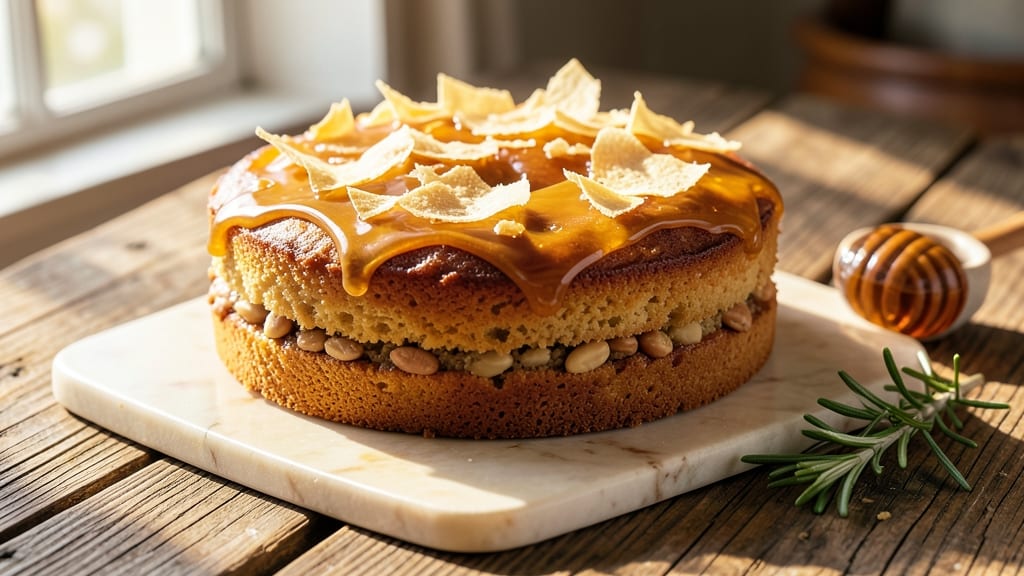
This ancient Greek honey cake recipe brings the flavors of antiquity to your kitchen with its golden syrup-drizzled layers and nutty finesse. 🌟 Inspired by traditional melitades, this dessert combines honey, figs, and walnuts—ingredients revered in ancient Greece for their sweetness and medicinal properties.
The slow-baked layers create a tender crumb, while the honey glaze adds a rich, caramelized finish that transports you to the streets of Athens.
The recipe balances historical authenticity with modern convenience, using simple ingredients like flour, butter, and honey while incorporating ancient techniques like layering nuts and slow baking. Unlike store-bought versions, this cake delivers a depth of flavor from the natural sweetness of honey and the earthy richness of figs and walnuts.
The result is a dessert that’s both nostalgic and utterly satisfying, perfect for special occasions or a cozy treat.
What makes this recipe special is its versatility—you can use olive oil instead of butter for a lighter texture or add a splash of wine to enhance the honey’s depth. Serve it with a dollop of Greek yogurt or a glass of retsina wine for an authentic touch.
The cake’s tender layers and sticky glaze ensure every bite is a taste of history, proving that some traditions are timeless.
Ready in about 1 hour, this dessert requires minimal effort but delivers maximum flavor. Whether you’re recreating an ancient recipe or simply craving a honey-infused treat, this cake is a foolproof way to bring a piece of Greek culinary heritage to your table. Let’s get baking!
Ingredients for ancient greek honey cake
Golden syrup layers and nutty richness—this ancient Greek honey cake brings history to your kitchen with simple yet refined ingredients.
| Ingredient | Amount | Notes |
|---|---|---|
| All-Purpose Flour 🌾 | 3 cups | Sifted for even texture |
| Unsalted Butter 🧈 | 1 cup | Cold, cubed for layering |
| Honey 🍯 | 1 ½ cups | Thick, raw variety preferred |
| Granulated Sugar 🍚 | 1 ½ cups | Fine grain preferred |
| Large Eggs 🥚 | 3 whole | Room temperature for blending |
| Vanilla Extract 🌿 | 1 tbsp | Pure, high-quality extract |
| Baking Powder 🧂 | 2 tsp | Aluminum-free preferred |
| Ground Cinnamon 🌶️ | 1 tsp | Freshly ground preferred |
| Sea Salt 🧂 | ½ tsp | Fine grain preferred |
| Dried Figs 🍇 | 1 ½ cups | Chopped, stemmed variety |
| Walnuts 🌰 | 1 ½ cups | Toasted, roughly chopped |
| Extra-Virgin Olive Oil 🫒 | ½ cup | For optional butter substitute |
| Red Wine 🍷 | ¼ cup | Dry variety for honey depth |
| Greek Yogurt 🧀 | ½ cup | For optional serving suggestion |
The honey is the soul of this cake. Look for thick, raw honey like thyme or wildflower from specialty stores or local farmers' markets—Manuka or Greek mountain honey adds an authentic touch. Walnuts should be freshly toasted (10 minutes at 350°F) for maximum flavor, and dried figs work best when chopped into small, even pieces. For the butter, European-style brands like Plugrá or Kerrygold provide superior richness, though any high-quality unsalted butter will work. The red wine, if using, should be a dry variety like Agrinio or Assyrtiko—just enough to enhance the honey's depth without overpowering it.
No honey? Maple syrup at a 1:1 ratio works in a pinch, though the flavor profile shifts slightly. Substituting olive oil for butter? Use the same amount and reduce the overall liquid by 2 tablespoons to maintain structure. Fresh figs are ideal but dried work beautifully when rehydrated in warm water for 10 minutes first. The walnuts can be swapped for pecans or hazelnuts if preferred, though walnuts' earthy bite is traditional. For a lighter texture, replace half the butter with olive oil, but expect a slightly denser crumb. The baking powder is crucial—Diamond Crystal brand is aluminum-free and provides consistent results.
Store the cake in an airtight container at room temperature for up to 5 days, though it's best enjoyed within 2-3 days for optimal texture. For longer storage, wrap tightly in plastic and refrigerate for up to 1 week—the flavors deepen over time. The glaze, if made separately, keeps for 3 days in the fridge. To reheat, warm slices in a 300°F oven for 5-10 minutes. This cake freezes beautifully—wrap individual slices in plastic wrap and freeze for up to 3 months. Thaw at room temperature before serving.
Why You'll Love This Recipe
- Minimal Ingredient List: I swear by this one—just flour, butter, honey, sugar, and eggs. No weird spices or hard-to-find stuff. Honestly, my pantry already had everything, and I’ve made this a dozen times without buying a single extra thing.
- Honey’s Rich Sweetness: That thick, golden honey isn’t just sweet—it’s deep. The way it caramelizes in the oven? Warm, buttery, and just sticky enough to make every bite feel like a little treat. (Yes, even on a Tuesday night.)
- Slice-and-Serve Versatility: Cut it fresh for breakfast with Greek yogurt or pack it for lunch—it stays moist for days. I’ll be real: I’ve also served it at book clubs and potlucks, and no one ever questions why it’s there.
- Budget-Friendly Staples: Butter and eggs aren’t cheap, but this recipe stretches them perfectly. A single batch feeds four for days, and the leftovers? Just as good reheated as they are fresh. My wallet (and my taste buds) thank me.
Step-by-step instructions for ancient Greek honey cake
Here's how to recreate this historic dessert with perfect layers and rich honey-wine depth.
👨🍳 Step 1: Prepare the Honey-Wine Syrup Foundation
In a medium saucepan, combine the 1.5 cups honey and 0.25 cup red wine over medium-low heat. Bring to a gentle simmer and cook for 8-10 minutes, stirring occasionally, until the mixture reduces by about 25% and becomes syrupy. You'll notice the aroma deepen—this is when the wine's acidity mellows and the honey's floral notes intensify.
Remove from heat and let cool to room temperature. Real talk: this syrup is the soul of the cake. If you rush the reduction, the cake will taste flat. The syrup should coat the back of a spoon and have a thick, glossy consistency. Here's the thing—don't be tempted to substitute with plain honey. The wine adds complexity that makes this cake authentically Greek.
🍳 Step 2: Create the Cake Batter Layers
In a large mixing bowl, cream together the 1 cup unsalted butter and 1.5 cups granulated sugar on medium speed until light and fluffy, about 3-4 minutes. This step incorporates air, which creates that signature Greek cake lightness. Add the 3 whole large eggs, one at a time, mixing well after each addition. The batter should nearly double in volume and become pale.
In a separate bowl, whisk together the 3 cups all-purpose flour, 2 teaspoons baking powder, 1 teaspoon ground cinnamon, and 0.5 teaspoon sea salt. Gently fold these dry ingredients into the butter mixture along with the 1 tablespoon vanilla extract and the cooled honey-wine syrup. Mix just until combined—overmixing develops gluten and makes the cake dense. This is where precision matters: you should still see some flour streaks.
🥘 Step 3: Fold in Figs and Walnuts
Chop the 1.5 cups dried figs into small pieces and toast the 1.5 cups walnuts in a dry skillet over medium heat for 3-4 minutes until fragrant and lightly golden. Let them cool slightly, then fold them into the cake batter along with the 0.5 cup extra-virgin olive oil (if substituting for butter). The figs should be evenly distributed throughout the batter—this ensures each bite has that sweet-tart contrast.
I press down gently on the figs during the first minute of mixing to ensure they don't sink to the bottom. The walnuts add crunch that balances the cake's moist texture. Here's the moment that matters: the batter should be thick but pourable. If it's too stiff, add 1 tablespoon of milk to loosen it slightly. This cake relies on proper texture for its ancient authenticity.
🔥 Step 4: Bake in Layers with Precision
Preheat your oven to 350°F. Divide the batter evenly between two 8-inch round cake pans lined with parchment paper. Bake for 25-30 minutes or until a toothpick inserted into the center comes out clean. The edges should be golden brown, but the tops should remain slightly soft—this prevents overbaking and maintains moisture.
Don't walk away during the last 5 minutes of baking. Your oven might run hot, so start checking at the 20-minute mark. If the cake browns too quickly, tent it with foil. The reason we bake in layers is to create that signature Greek cake texture—moist, tender, and slightly dense. When done right, each slice should have a delicate crumb that holds together beautifully.
🍽️ Step 5: Assemble and Serve Traditionally
Allow the cakes to cool in the pans for 10 minutes, then transfer to a wire rack to cool completely. Once fully cooled, place one layer on a serving plate and spread a thin layer of the reserved honey-wine syrup. Top with the second layer and drizzle generously with the remaining syrup. For an authentic touch, serve with a dollop of 0.5 cup Greek yogurt on the side—this balances the cake's richness.
The syrup should glaze the top and sides slightly, creating that signature golden sheen. Each slice should reveal layers of moist cake, tender figs, and crunchy walnuts. This cake tastes even better the next day when the flavors have fully melded. The combination of honey, wine, and figs creates a flavor profile that transports you to ancient Greece with every bite.
Pro Tips For Making Ancient Greek Honey Cake
- Whisk Butter & Honey First: I learned this the hard way—mixing the honey and butter together before adding eggs and sugar creates a smoother batter and prevents lumps. The honey’s natural stickiness clings to the butter, making the cake denser and richer. Skip this, and you’ll end up with a cake that’s more cakey than moist.
- Use Room-Temp Eggs: Cold eggs? Big mistake. Whisking them into the batter at room temperature ensures they blend evenly with the honey and butter, giving the cake a tender crumb. Pop them in a warm water bath for 10 minutes if you’re in a rush—your future self will notice the difference.
- Don’t Overbake the Edges: Ancient Greek honey cake relies on a soft, slightly sticky center, not a dry, cracked crust. Pull it out when the edges are golden but the middle still jiggles like Jell-O. If you’re nervous, check at 30 minutes—most ovens run hot, and honey cakes finish cooking as they cool.
- Toast the Flour: Sounds weird, but it works: Lightly toast the all-purpose flour in a dry pan for 2–3 minutes before mixing it in. This removes raw flour taste and adds a subtle nuttiness that balances the sweetness. I was skeptical until I tried it—now it’s non-negotiable for me.
Common mistakes when making this dish
Overmixing the Batter
This is the #1 mistake that turns your cake dense instead of tender. When folding in the dry ingredients, stop as soon as they're just combined—you should still see small flour streaks.
Overmixing develops gluten, which creates a tough, chewy texture that ruins the delicate crumb ancient Greek cakes are known for. I've ruined more cakes than I'll admit by letting the mixer run too long, but trust me, the moment the batter holds together is when you stop mixing. 💫
Skipping the Syrup Reduction
Rushing the honey-wine syrup reduction is a fast track to flavor disaster. The 8-10 minute simmer at medium-low heat is non-negotiable—it's what transforms simple honey and wine into the complex, aromatic base that makes this cake authentic.
I once tried cutting it to 5 minutes and ended up with a cake that tasted flat and one-dimensional. The syrup should coat the back of a spoon and smell intensely of caramelized honey with wine's subtle acidity.
Uneven Baking
Baking time varies wildly between ovens, but most home ovens run hot. I've seen cakes go from perfect to burnt in 5 minutes if left unattended. Start checking at the 20-minute mark and tent with foil if the edges brown too quickly.
The tops should remain slightly soft when done—they'll firm up as they cool. Using two 8-inch round pans ensures even heat distribution, but if you only have one pan, reduce the oven temperature to 325°F and bake for 40-45 minutes.
Fig and Nut Distribution
Unevenly distributed figs and walnuts lead to dry pockets or clumps of fruit. Chop the figs into ¼-inch pieces and fold them in gently after toasting the walnuts. I press down lightly on the figs during the first minute of mixing to help them disperse.
The walnuts should be roughly chopped and toasted until fragrant—this prevents them from sinking to the bottom. Pro tip: If your batter seems too thick after adding these ingredients, loosen it with 1 tablespoon of milk to maintain proper texture.
Overbaking for Dryness
That toothpick test is crucial, but don't rely on it alone. The cake should have a slight springiness to the touch when done. Overbaking dries out the cake and makes it crumbly. If your cake pulls away from the pan edges too quickly, it's overdone.
The ideal texture is moist but firm—like a well-made pound cake. For extra insurance, bake for 25 minutes at 350°F and check early. Remember, the cake continues cooking as it cools.
Ignoring the Cooling Process
Rushing the cooling process is a common mistake that leads to cracked layers or syrup not setting properly. Let the cakes cool in their pans for 10 full minutes before transferring to a wire rack. This gradual cooling prevents structural damage.
When assembling, make sure both layers are completely cool—warm layers will make the syrup runny instead of forming that beautiful glaze. Patience here ensures clean slices and proper texture. The cake will actually improve as it sits overnight, with flavors melding beautifully. ✨
Nutrition facts
Frequently asked questions
What makes this honey cake authentically Greek?
The combination of honey, red wine, figs, and walnuts reflects ancient Greek ingredients, while the layered structure and slow baking mimic traditional techniques. The honey-wine syrup reduction is key—it creates that signature depth found in historic recipes like melitades. Using olive oil instead of butter also stays truer to ancient methods.
Can I make this cake gluten-free?
Yes! Replace the 3 cups all-purpose flour with a 1:1 gluten-free flour blend (like Bob's Red Mill) and add 1 extra teaspoon xanthan gum to maintain structure. The texture will be slightly denser, but the flavor remains rich. For best results, let the batter rest for 10 minutes before baking.
How do I store leftovers?
Keep the cake in an airtight container at room temperature for up to 5 days—it actually improves overnight as flavors meld. For longer storage, wrap individual slices in plastic and freeze for 3 months. Thaw at room temperature to preserve moisture. The syrup glaze stays fresh for 3 days in the fridge.
What wine should I use if I don't like red?
Swap the red wine for white wine (like Assyrtiko) or even apple cider for a non-alcoholic option. The key is using 0.25 cup of liquid to reduce with the honey—any acidic liquid works. Avoid sweet wines, as they'll overpower the honey's natural flavor. A dry, crisp white keeps the balance perfect.
Why does my cake turn out dense?
Overmixing the batter or overbaking are the most common causes. Stop mixing when the dry ingredients are just combined (flour streaks remain), and bake until a toothpick comes out with moist crumbs, not clean. For extra lightness, whisk egg whites separately and fold them in at the end. The cake should be tender, not chewy!