
Desserts
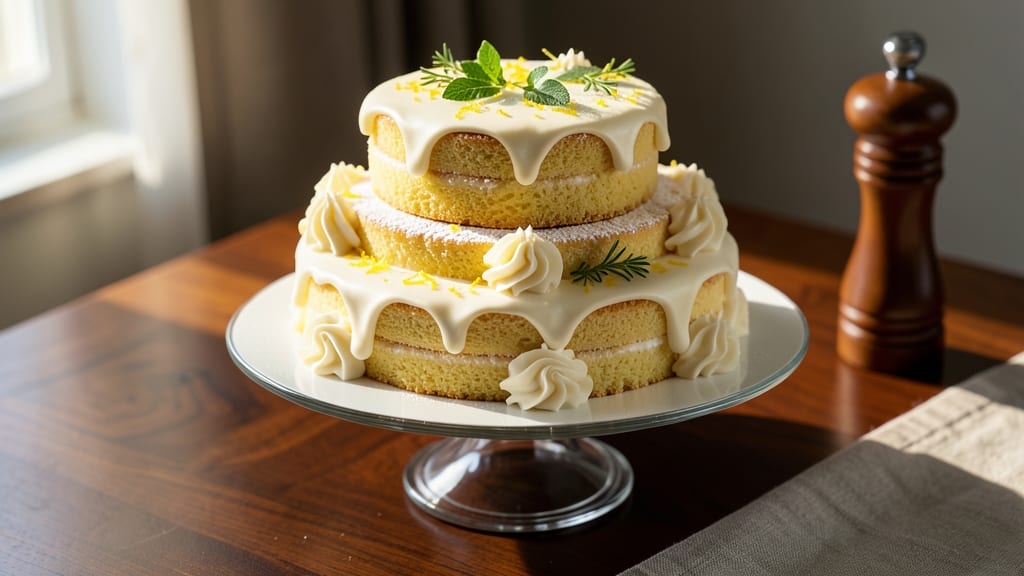
This angel cake icing recipe transforms a simple dessert into a showstopper with its signature light-as-air texture and bright citrus magic. ✨ The secret lies in the perfect balance of fluffy angel food cake—baked to golden perfection with no butter, just egg whites—and a silky icing that melts into every layer, creating a cloud-like finish.
The cake itself is a masterpiece of airiness, baked in a preheated oven until it springs back when touched, while the icing—whether classic vanilla or zesty citrus—adds a glossy, velvety coat that makes every slice look like a masterpiece.
The key is patience: letting the cake cool completely before frosting ensures the icing clings beautifully, creating that signature "light-as-air" effect.
What you’ll end up with is a dessert that’s as impressive to look at as it is to eat—each bite delivers the perfect contrast of tender cake and smooth icing, with a hint of citrus brightness that elevates everything.
This recipe is ideal for special occasions, but it’s simple enough for any day you want to feel like you’re serving something extraordinary.
Ready to bake? The process is straightforward, but the results are anything but ordinary—just don’t skip the cooling step, or you’ll end up with a soggy surprise. Let’s get started on creating a dessert that’s sure to impress.
Ingredients for angel cake icing
Eight ingredients transform ordinary cake into a citrus-kissed masterpiece—light, glossy, and utterly irresistible.
| Ingredient | Amount | Notes |
|---|---|---|
| Angel Food Cake 🍰 | 1 whole | Completely cooled, baked from scratch preferred |
| Unsalted Butter 🧈 | ½ cup | Softened at room temperature |
| Powdered Sugar 🍚 | 3 cups | Sifted for smooth texture |
| Heavy Cream 🥛 | 1 cup | Cold for stability |
| Vanilla Extract 🌿 | 2 tsp | Pure Madagascar preferred |
| Lemon Zest 🍋 | 1 tbsp | Freshly grated, vibrant color |
| Orange Zest 🍊 | 1 tbsp | Freshly grated, organic preferred |
| Lemon Juice 🍋 | 1 tbsp | Freshly squeezed |
| Orange Juice 🍊 | 1 tbsp | Freshly squeezed |
| Pinch of Salt 🧂 | ⅛ tsp | Kosher or sea salt |
| Fresh Lemon Slices 🍋 | 6 pieces | For garnish, thinly sliced |
| Fresh Orange Slices 🍊 | 6 pieces | For garnish, thinly sliced |
The angel food cake is non-negotiable here—it needs to be completely cooled before frosting, or you'll end up with a soggy mess. Homemade cake is ideal, but if you're using store-bought, look for brands like Betty Crocker or Duncan Hines that deliver that signature airiness. The butter should be softened but not melted—press your finger into it and it should leave a slight indentation. For the citrus zest, organic lemons and oranges from Whole Foods or local farmers markets have the most vibrant flavor, but grocery store brands work too if you're in a pinch. Just make sure to use a fine grater for those perfect ribbons of zest.
No butter? Coconut oil or vegan butter works in a bind, though the texture will be slightly different. Running short on powdered sugar? Sifted granulated sugar at the same amount will work, but you'll lose that signature smoothness. The citrus juices can be swapped for store-bought bottled juice, but fresh is always better—just make sure to strain out any pulp. For extra brightness, add a dash of citrus extract (about 1/4 tsp), though it won't match the real thing. The heavy cream is crucial for that velvety finish, but if you're avoiding dairy, coconut cream chilled overnight will mimic the texture. Just remember, the icing needs to be thick enough to pipe but still spreadable—adjust with more powdered sugar if needed.
This icing keeps beautifully in the fridge for up to 5 days, though it's best used within 2 days for peak texture. For longer storage, spread it on the cake and refrigerate the whole thing—it'll stay fresh for 1 week. To reheat, let it sit at room temperature for 10 minutes before serving. The citrus garnishes add that showstopper touch, so add them right before serving—thin slices look best, and they'll keep for 3 days in the fridge if sealed in a damp paper towel. Pro tip: if the icing starts to stiffen, microwave it for 10 seconds to soften it back up.
Why You'll Love This Recipe
- No-Fuss Whip: I swear by this icing—just cream, butter, and sugar. No eggs, no fuss, and zero stress. The cake stays light, the frosting stays smooth, and honestly? It’s the kind of recipe that lets you not overthink it.
- Vanilla Kiss Perfection: That heavy cream and vanilla extract combo? It’s like a hug for your taste buds. The butter adds just enough richness to balance the cake’s airiness, so you get that just-right sweetness without cloying heaviness. (Yes, even my picky husband agrees.)
- Party Ready: Slice it for a potluck, frost the whole cake for a birthday, or even layer it in trifles. The icing holds up beautifully—no melting, no sliding off—and it pairs with fruit, whipped cream, or even a sprinkle of cinnamon. Seriously, it’s my go-to for any celebration.
- Budget-Friendly Luxury: Angel food cake is already affordable, and this icing uses pantry staples. A stick of butter and a cup of powdered sugar stretch far, so you’re not breaking the bank for a dessert that tastes like it cost a fortune. Plus, leftovers? Just pop them in the fridge and reheat—no waste.
Step-by-step instructions for light-as-air angel cake frosting
Here's how to create a silky citrus frosting that perfectly complements angel cake's delicate texture.
👨🍳 Step 1: Whip the Butter to Fluffy Perfection
In a stand mixer fitted with the whisk attachment, beat the 0.5 cup softened unsalted butter on medium-high speed for 2-3 minutes until completely smooth and pale yellow. You're looking for a light, airy texture that nearly triples in volume—the butter should leave clean streaks on the sides of the bowl when the whisk pulls away.
This step is non-negotiable for that signature angel cake frosting texture. If your butter isn't fully whipped, your final icing will be dense and heavy. I like to press my finger into the butter—when it leaves a slight indentation but holds its shape, it's perfect. Work quickly once the butter reaches this stage, as it can start to melt if left unattended.
🥘 Step 2: Gradually Add Powdered Sugar for Smooth Incorporation
With the mixer running on low speed, gradually add the 3 cups sifted powdered sugar about ½ cup at a time, allowing each addition to fully incorporate before adding more. After all the sugar is incorporated, increase the speed to medium-high and beat for another 3-4 minutes until the mixture is light and fluffy.
This gradual addition prevents a sugar avalanche that can cause lumps. You'll see the mixture transform from a thick paste to a smooth, pale frosting base. If you notice any graininess at this stage, simply press the mixture through a fine-mesh sieve to ensure a silky finish. The frosting should now be thick but still pipeable—like toothpaste consistency.
🍳 Step 3: Incorporate Cream and Citrus Elements
Reduce the mixer speed to low and add the 1 cup cold heavy cream, the 2 tsp vanilla extract, 1 tbsp lemon zest, 1 tbsp orange zest, 1 tbsp lemon juice, 1 tbsp orange juice, and 0.125 tsp salt. Mix just until fully combined—about 30 seconds. The citrus oils will make the mixture smell vibrant and fresh.
Here's the thing—don't overmix or you'll incorporate too much air, which can cause the frosting to deflate later. The zest adds beautiful color and depth, while the juices provide moisture balance. Taste a small spoonful at this stage to check the flavor profile. You might want to adjust the citrus balance slightly—add a bit more juice if it's too dry, or a touch more zest if the flavor needs brightness.
⏰ Step 4: Beat to Final Consistency
Increase the mixer speed to medium-high and beat the frosting for another 2-3 minutes until it's light, fluffy, and reaches a smooth, ribbon-like consistency. To test, lift the whisk—if the frosting forms soft, glossy ribbons that hold their shape for a few seconds before melting back into the bowl, it's ready.
This final beating incorporates air for that signature light-as-air texture. If your frosting is too thick, add 1 teaspoon of cold water at a time until it reaches the perfect consistency. For angel cake, you want it thick enough to hold its shape when piped but still smooth enough to spread easily. The frosting should now be a beautiful pale yellow with vibrant citrus flecks throughout.
🍽️ Step 5: Assemble and Garnish with Fresh Citrus
Spread or pipe the frosting evenly over the completely cooled 1 whole angel food cake, using a spatula or piping bag fitted with a star tip for professional-looking swirls. Work quickly but carefully—angel cake is delicate and can crumble if handled roughly. For a rustic look, spread it with a knife and drag it through for texture.
Arrange the 6 pieces fresh lemon slices and 6 pieces fresh orange slices on top in an alternating pattern, pressing them gently into the frosting. The citrus slices will add both visual appeal and a subtle burst of fresh flavor with each bite. Let the cake sit at room temperature for 30 minutes before slicing to allow the frosting to fully set and adhere to the cake layers.
Pro Tips For Making Angel Cake Icing
- Whip Butter First: Softened butter at room temperature (about 65°F) blends smoother with powdered sugar—no lumps, no extra mixing. I learned this the hard way after struggling to get my icing silky; now I just let it sit out for 20 minutes before starting.
- Sift That Sugar: Powdered sugar clumps like a nightmare if not sifted, and clumps mean grainy icing. Use a fine-mesh sieve or even a clean kitchen towel to shake it through—your cake will thank you.
- Don’t Overmix Cream: Heavy cream whips fast—stop when it’s thick but still pourable, not stiff peaks. Overbeaten cream turns buttery and breaks down when folded in, ruining the light texture you’re working for.
- Chill the Cake: Cold angel food cake absorbs icing better and stays stable when sliced. Pop it in the fridge for 10 minutes before frosting, or the heat from your hands will melt the butter too fast.
Make-ahead tips for leftovers
Prep Ahead Timeline
The key to stress-free baking is spreading out your prep work. I recommend making the angel food cake the night before—it needs 8-12 hours to cool completely in an airtight container at room temperature.
The cake's structure stabilizes during this time, making it far more resilient when frosting. Meanwhile, zest your citrus and measure out your dry ingredients so everything's ready to go in the morning. 📅
Icing Make-Ahead Magic
This frosting is one of those rare desserts that actually improves when made ahead. Prepare it up to 2 days in advance and store it in an airtight container in the fridge. The flavors meld beautifully, and the texture becomes even smoother.
When you're ready to assemble, let the frosting sit at room temperature for 30 minutes before spreading—this prevents it from being too cold and stiff. The cake can stay refrigerated too, just bring it to room temperature for 1 hour before frosting to prevent condensation.
Layered Assembly Trick
For a restaurant-quality presentation, assemble the cake layers the day before. Spread the frosting between layers and refrigerate overnight. The weight of the frosting helps compress the cake slightly, creating a more stable structure.
When you're ready to serve, simply add the final top layer of frosting and garnish with fresh citrus slices. This technique also prevents the cake from crumbling when sliced. ✨
Freezer-Friendly Option
Need to prep for a party weeks in advance? The fully frosted cake freezes beautifully for up to 2 months. Wrap it tightly in plastic wrap, then in aluminum foil to prevent freezer burn. Thaw in the fridge overnight before serving.
The texture might be slightly denser after freezing, but a quick beat with a hand mixer will restore that light-as-air quality. Just avoid freezing the cake without frosting first—it can dry out the delicate texture.
Garnish Prep Shortcut
Save time by prepping your citrus garnishes ahead. Thinly slice your lemons and oranges using a mandoline or sharp knife, then store them in a sealed container with a damp paper towel to keep them fresh.
They'll stay vibrant for 3-4 days in the fridge. For extra presentation, arrange them in a circular pattern on parchment paper before placing on the cake—it creates a stunning visual effect with minimal effort. 🍋
Serving Temperature Secrets
Serve this cake at room temperature for the best experience. If it's been refrigerated, let it sit for 1-2 hours before serving to allow the frosting to soften slightly. This makes each bite more decadent.
For a warm-weather twist, chill the cake for 30 minutes before serving—it creates a refreshing contrast that's perfect for summer gatherings. Just remember, angel cake is delicate, so handle it gently when transferring from fridge to serving plate. 💡
Nutrition facts
Frequently asked questions
Why does my angel cake frosting turn grainy?
Graininess usually happens when powdered sugar isn't sifted properly or added too quickly. Always sift your sugar first, then add it gradually to the whipped butter on low speed. If you notice lumps, press the mixture through a fine-mesh sieve before adding other ingredients. The frosting should be completely smooth by the final beating stage.
Can I make this frosting without butter?
Yes! For a dairy-free version, substitute the butter with ½ cup coconut oil (solid at room temperature) or vegan butter. Chill the replacement for 30 minutes before whipping to mimic butter's texture. The frosting will have a slightly different mouthfeel but still work beautifully with angel cake. Just remember, coconut oil adds a subtle tropical note that pairs well with citrus.
How do I fix frosting that's too runny?
If your frosting is too thin, simply add 1-2 tablespoons of powdered sugar at a time and beat briefly until smooth. For a quick fix, chill the frosting for 15-20 minutes to thicken naturally. The ideal consistency should hold its shape when piped but still be spreadable. If you've added too much liquid, you can't easily fix it—start fresh with a smaller batch.
What's the best way to store leftover cake?
Store the frosted cake in an airtight container in the fridge for up to 3 days. For longer storage, freeze the entire cake (wrapped tightly) for up to 2 months. Thaw overnight in the fridge, then let it sit at room temperature for 1 hour before serving. The frosting may soften slightly when thawed, so you might need to re-whip it briefly for a smoother texture.
Can I use this frosting on other cakes?
This citrus frosting works beautifully on pound cakes, sponge cakes, or even cupcakes. For denser cakes, you might want to add 1 extra tablespoon of powdered sugar to help it hold its shape. The key is ensuring your base cake is completely cooled before frosting—this applies to any cake type. The light texture pairs especially well with vanilla or almond cakes.