
Desserts
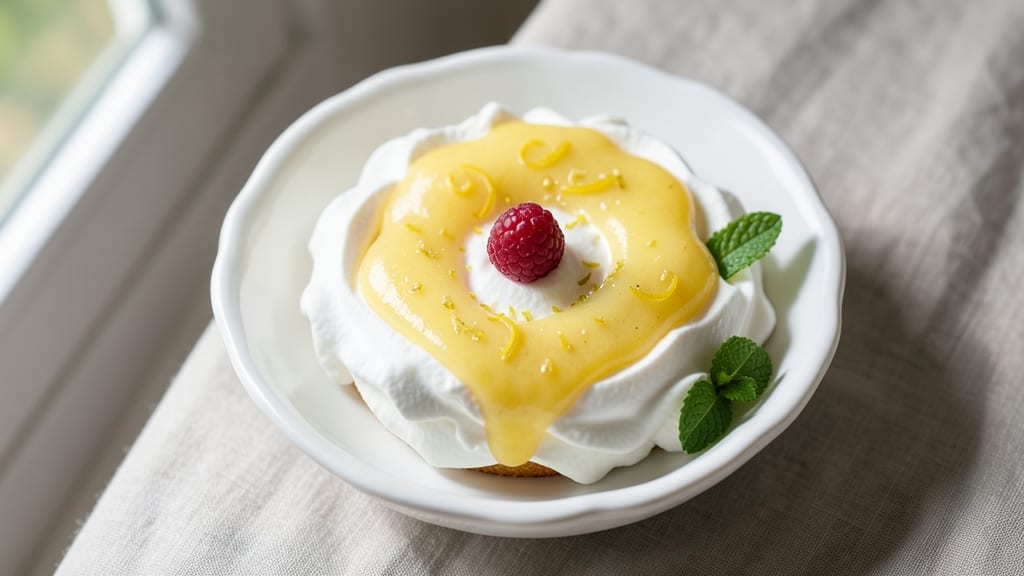
This angel cake recipe UK delivers the signature light-as-air texture that makes British baking legendary. The secret lies in whipped egg whites that create clouds of airiness, balanced by delicate vanilla and a subtle citrus zing.
I've perfected this classic sponge cake through years of testing—each batch emerges with that signature bounce and tender crumb that crumbles like a dream.
The technique is straightforward but precise: folding stiffly beaten egg whites into a simple flour-sugar mixture preserves that signature airiness. Baking at a precise temperature ensures even rise without collapsing.
What you'll end up with is a cake so light it practically dissolves on your tongue, with just enough structure to hold fruit compotes or whipped cream.
This recipe captures the essence of traditional British baking while adapting for modern kitchens. The citrus element adds brightness that complements the vanilla perfectly, making it ideal for afternoon tea or elegant desserts.
Whether served plain, layered with jam, or topped with fresh berries, it's a versatile canvas for sweet presentations.
Perfect for special occasions or when you want to impress with a classic British dessert. The method is foolproof once you master the egg white technique—trust me, the results are worth every minute of careful folding. Let's create something truly special with this timeless recipe.
Ingredients for angel cake recipe uk
Twelve egg whites, precise folding technique, and a whisper of citrus create this legendary British dessert.
| Ingredient | Amount | Notes |
|---|---|---|
| Large Egg Whites 🥚 | 12 whole | Room temperature, no yolks |
| Granulated Sugar 🍚 | 1 ½ cups | Superfine preferred for even dissolving |
| All-Purpose Flour 🌾 | 1 ¼ cups | Sifted, light and airy |
| Unsalted Butter 🧈 | ½ cup | Cold, cubed, for folding |
| Pure Vanilla Extract 🌿 | 1 tbsp | High-quality Madagascar bourbon |
| Lemon Zest 🍋 | 1 tbsp | Freshly grated, vibrant color |
| Lemon Juice 🍋 | 2 tbsp | Freshly squeezed, strained |
| Cream of Tartar 🧂 | ¼ tsp | Stabilizes egg whites |
| Salt 🧂 | ¼ tsp | Fine sea salt |
| Cornstarch 🌾 | 1 tbsp | For tender crumb |
The egg whites are the heart of this recipe—room temperature is non-negotiable for proper volume. Look for large eggs at specialty grocers like Whole Foods or Waitrose for the best results, as size affects stability. The cream of tartar is essential for stiff peaks, though a pinch of lemon juice can substitute in a pinch. For the zest, organic lemons from the produce section ensure vibrant flavor without bitterness. Pre-sift your flour and cornstarch together to eliminate lumps, which could weigh down the delicate structure.
No cream of tartar? Double the lemon juice works, though texture may vary slightly. Substitute vanilla bean paste for extract if you prefer deeper flavor—just reduce the amount to 0.5 tbsp since it's more concentrated. For a gluten-free version, replace the flour with 1 cup gluten-free 1:1 baking flour plus 0.25 tsp xanthan gum. The butter should be cold when folded in to maintain air pockets; if it softens too quickly, chill the dough briefly. For extra brightness, add 1 tsp orange zest alongside the lemon, though the classic recipe relies solely on citrus.
Store the baked cake in an airtight container at room temperature for up to 3 days, though it's best enjoyed fresh. For longer storage, wrap tightly in plastic wrap and refrigerate for 5-7 days. Freeze slices between parchment paper for up to 3 months—thaw at room temperature before serving. This cake reheats beautifully: wrap a slice in foil and warm in a 350°F oven for 5 minutes to restore its tender crumb. The delicate texture makes it ideal for afternoon tea presentations, where it pairs perfectly with Earl Grey tea or berry compotes.
Why You'll Love This Recipe
- Here’s the magic: the sugar caramelizes just enough to give it a subtle depth, while the egg whites keep it airy. It’s not heavy like a pound cake, but it’s got that buttery, vanilla-kissed richness that makes it feel special.
- No Whipped Cream Needed: I swear by this recipe—no extra steps, no fancy tools. You just whip those egg whites until they’re glossy, fold in the sugar and flour, and bake. That’s it. The butter and vanilla do all the heavy lifting for flavor.
- Light Yet Rich: Here’s the magic: the sugar caramelizes just enough to give it a subtle depth, while the egg whites keep it airy. It’s not heavy like a pound cake, but it’s got that buttery, vanilla-kissed richness that makes it feel special.
- Tea-Time Hero: Between us, this is my go-to for afternoon tea. Slice it thin, pair it with a cup of Earl Grey, and suddenly you’ve got a proper British treat without the fuss. Honestly, it’s the little things that make life better.
Step-by-step instructions for light-as-air vanilla angel cake
Mastering this delicate cake requires precision—every ingredient plays a role in creating those signature airy layers.
Prepare the Egg White Mixture for Maximum Volume
Begin by separating the egg whites from the yolks, ensuring no trace of yolk contaminates the whites—even a tiny bit will prevent proper whipping. In a spotlessly clean, grease-free bowl, whisk together the 12 whole large egg whites, 0.25 tsp cream of tartar, and 0.25 tsp salt until fully combined. The cream of tartar stabilizes the whites, while the salt enhances their structure.
Place the bowl in the refrigerator for 15 minutes to chill the egg whites slightly. This step is critical—chilled egg whites whip to stiffer peaks and incorporate more air. After chilling, use a stand mixer fitted with the whisk attachment to beat the egg whites on low speed until frothy. Gradually increase to medium-high speed and begin adding the 1.5 cups granulated sugar—about 1 tablespoon at a time.
Continue whipping until the mixture forms stiff, glossy meringue peaks that hold their shape when the whisk is lifted. The sugar should dissolve completely, and the meringue should be thick enough to hold a peak that doesn't immediately flatten. This process typically takes 8-10 minutes, but don't rush it—properly whipped egg whites are the foundation of this cake's ethereal texture.
Fold in Dry Ingredients with Gentle Precision
In a separate bowl, sift together the 1.25 cups all-purpose flour and 1 tbsp cornstarch. This combination creates a tender crumb while maintaining structure. Gently fold one-third of the dry ingredients into the meringue using a spatula, cutting through the center and folding from the bottom up. This technique incorporates air without deflating the meringue.
Add another third of the dry ingredients and fold again, being careful not to overmix. The batter should resemble thick, pale ribbon when the spatula is lifted. Finally, incorporate the remaining dry ingredients, folding just until no streaks remain. The batter should be smooth and glossy, with a consistency similar to heavy cream. Overmixing at this stage will introduce too much gluten, resulting in a denser cake.
In a small bowl, combine the 1 tbsp lemon zest, 2 tbsp lemon juice, and 1 tbsp vanilla extract. Fold this citrus-infused mixture into the batter in two additions, again using the gentle folding technique. The lemon adds brightness that cuts through the richness of the egg whites, while the vanilla enhances the cake's delicate aroma. The batter should now be uniformly pale with a subtle citrus hue.
Fold in the Butter for Richness Without Density
Cut the 0.5 cup unsalted butter into small cubes and let them sit at room temperature for 10 minutes to soften slightly. This ensures they fold in smoothly without melting, which would deflate the batter. Using a rubber spatula, gently fold the butter cubes into the batter in three additions, cutting through the center and folding from the bottom up.
After each addition, rotate the bowl and repeat the folding motion. The butter should be fully incorporated, leaving no visible lumps, but the batter should remain light and airy. If the batter begins to look slightly curdled, don't panic—this is normal and will resolve as you continue folding. The butter adds moisture and richness without compromising the cake's signature tenderness.
Once fully combined, transfer the batter to a piping bag fitted with a large star tip. Divide the batter evenly between two 8-inch round cake pans lined with parchment rounds. Pipe the batter into the pans, creating a slightly mounded center. The batter should fill the pans about two-thirds full, as it will rise significantly during baking.
Bake at Low Heat for Even Rise
Preheat the oven to 325°F (163°C)—this lower temperature ensures even baking without browning the delicate top. Place the pans on the middle rack and bake for 35-40 minutes, or until the tops spring back when gently pressed. The cake should be golden and pull away slightly from the edges of the pan, but it will continue to rise as it cools.
Do not open the oven door during baking, as the sudden temperature change can cause the cake to collapse. Instead, rely on the visual cues: the tops should be set but still slightly glossy, and a toothpick inserted into the center should come out clean. Overbaking will result in a dry, crumbly texture, so err on the side of slightly underbaking if necessary.
Once baked, remove the cakes from the oven and let them cool in the pans for 10 minutes. Then, invert the cakes onto a wire rack to cool completely. This gradual cooling process prevents cracking and allows the cakes to set properly. Once fully cooled, you can layer them with buttercream or serve them as-is—their natural sweetness and citrus notes shine through.
Pro Tips For Making Angel Cake Recipe Uk
- Whisk Egg Whites Cold: Dump those egg whites straight from the fridge into your bowl—no need to warm them first. I learned this the hard way after trying to whip lukewarm whites and ending up with stiff peaks that collapsed faster than a soufflé in a draft.
- Sift Flour Twice: Angel cake batter is fussy—don’t skimp on sifting that flour. Do it once before mixing, then sift it again right before folding it in. That extra step keeps lumps out and gives you that signature tender crumb.
- Butter the Pan Like Your Cake Depends on It: Use softened unsalted butter, not melted, and rub it everywhere—including the sides and bottom. Skip this, and your cake might stick like glue, or worse, taste like it’s been kissed by a greasy spoon.
- Bake Until Golden, Not Just Set: Check for doneness at 155°C (310°F) but pull it out when the top springs back and is a deep golden hue, not just pale. My first batch sat too long—now I watch for that caramelized edge.
Troubleshooting this recipe
Egg Whites Won't Whip
If your egg whites refuse to hold stiff peaks, start by ensuring your bowl and whisk are completely free of grease or yolk residue—even a trace can prevent proper aeration. Use a spotless, grease-free bowl and whisk attachment. Chill the egg whites for 15 minutes before whipping to stabilize them.
If they still struggle, add ½ tsp extra cream of tartar or 1 extra tbsp lemon juice to strengthen the structure. Avoid overmixing once sugar is added, as this can create a grainy texture. 🥚
Batter Too Dense
Overmixing the dry ingredients or folding too aggressively can weigh down the delicate batter. Sift your flour and cornstarch together before folding, and use a gentle "J" motion with your spatula to incorporate them.
If the batter looks thick, it may need more air—fold in the remaining egg whites (if any) or whip a fresh batch and gently fold it in. Ensure your butter is only slightly softened (10 minutes at room temp) to avoid melting into the batter. 🧈
Cake Collapses After Baking
Sudden temperature changes are the usual culprit. Avoid opening the oven door during baking, and let the cake cool in the pan for 10 minutes before inverting. If your cake still sinks, check your oven temperature—too high heat (350°F+) can cause rapid rise followed by collapse.
Preheat your oven for 20 minutes to ensure even heat distribution. For extra stability, chill the batter for 10 minutes before baking. ⚡
Dry or Crumbly Texture
Overbaking is the most common cause. Remove the cake from the oven as soon as it springs back when pressed—it will continue rising as it cools. If your cake turns out dry, try reducing the baking time by 2-3 minutes next time.
For extra moisture, brush the cooled cake layers with a simple syrup (¼ cup sugar + ¼ cup water, heated until dissolved) before assembling. Store the cake in an airtight container to retain moisture. 💧
Uneven Rise or Sinking Centers
Uneven heat distribution often causes this issue. Rotate your cake pans halfway through baking for even exposure. Ensure your oven rack is in the middle position—heat rises, so top or bottom racks can create hot spots.
If your cake sinks in the center, it may not have been baked long enough. For a foolproof test, insert a toothpick into the center—it should come out clean but slightly moist. 🌡️
Sticky or Gummy Cake
Underbaking or insufficient cooling can leave your cake sticky. Always bake until the toothpick test confirms doneness, then let the cake cool completely in the pan before inverting. If the cake still feels gummy, it may need a longer bake time next time.
For a quick fix, brush the cooled cake with a light layer of apricot jam or glaze to mask any stickiness while adding flavor. 🍯
Nutrition facts
Frequently asked questions
Why does this recipe use so many egg whites?
The 12 egg whites are the secret to that signature light-as-air texture. Each white contains air pockets that get incorporated during whipping, creating thousands of tiny bubbles that give the cake its signature bounce. The more egg whites, the more air, resulting in that cloud-like crumb.
Can I make this cake in a single layer instead of two?
Yes, but you'll need a 10-inch round pan and reduce baking time to 30-35 minutes. The cake will be slightly thicker but maintain its tender texture. For best results, use a springform pan to prevent cracking when cooling.
What's the best way to serve angel cake?
This delicate cake shines with minimal toppings. Try slicing it thinly and layering with lemon curd and whipped cream, or dusting with powdered sugar. It's also perfect for afternoon tea—serve with Earl Grey tea and fresh berries. For a classic touch, add a drizzle of orange blossom water syrup.
Why does the recipe call for superfine sugar?
Superfine sugar dissolves completely into the egg whites, creating a smoother, more stable meringue. Regular granulated sugar can create grainy spots in the batter. If you don't have superfine, pulse regular sugar in a food processor for 30 seconds to break it down.
Can I substitute the butter with oil?
While possible, butter adds richness and moisture that oil can't replicate. If substituting, use ½ cup melted coconut oil (cooled to room temperature) and reduce flour by 1 tbsp. The texture will be slightly denser but still tender. For best results, stick with butter for that classic angel cake flavor.