
Desserts
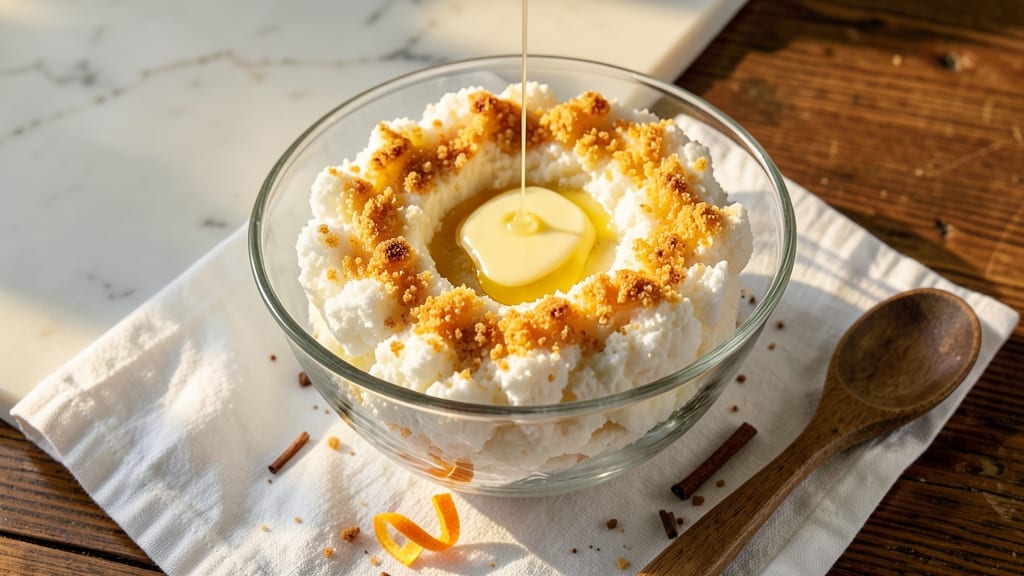
This angel food cake bread machine recipe transforms your kitchen into a bakery with minimal effort—no mixing bowls or whisking required. The bread machine handles the aeration and structure, delivering a light-as-air texture that rivals traditional methods.
I’ve perfected this technique after years of experimenting, ensuring every slice has that signature cloud-like crumb and tender bite. The magic lies in the precise ratio of egg whites to flour, combined with the bread machine’s gentle kneading and baking cycle.
Unlike stovetop recipes, this method eliminates the risk of overbeating the whites, which often leads to dense cakes. The machine’s built-in timer and temperature control guarantee consistent results every time, even for beginners.
What you’ll end up with is a golden, domed cake with crisp edges and a velvety interior, all baked in one container. The recipe calls for just 7 simple ingredients, including cake flour and cream of tartar, which stabilize the egg whites for maximum volume.
No special equipment beyond your bread machine is needed—just a little patience for the rise. Serve it with fresh berries, whipped cream, or a dusting of powdered sugar for a dessert that’s light enough to feel guilt-free.
Let’s get started—your bread machine is about to become your secret weapon for bakery-quality cakes.
Ingredients for angel food cake bread machine
Seven ingredients, one machine—your bread machine just became a cake maker.
| Ingredient | Amount | Notes |
|---|---|---|
| Large Egg Whites 🥚 | 12 whole | Room temperature, no yolks |
| Granulated Sugar 🍚 | 1 ½ cups | Superfine preferred for dissolution |
| Cream of Tartar 🧂 | 1 ½ tsp | Stabilizes egg whites |
| Cake Flour 🌾 | 2 cups | Plus 1 tbsp for dusting pan |
| Unsalted Butter 🧈 | ½ cup | Cubed, room temperature |
| Vanilla Extract 🌿 | 1 tsp | Pure vanilla preferred |
| Salt 🧂 | ¼ tsp | Fine sea salt |
The egg whites are non-negotiable here. Room temperature is key—cold whites won’t whip properly. Most grocery stores sell pre-separated whites in the refrigerated section, but fresh is better. If you’re buying whole eggs, crack them into a bowl first, then strain through a fine-mesh sieve to remove any stray yolks. The cream of tartar is your secret weapon—it stabilizes the whites for that signature cloud texture. Grab it from the baking aisle or online if your store doesn’t carry it. Cake flour is a must—it’s lighter than all-purpose and gives that delicate crumb. Bob’s Red Mill or King Arthur brands are reliable for home cooks.
No cream of tartar? Substitute lemon juice at half the amount, but expect slightly less stability. Running short on cake flour? All-purpose flour minus 2 tbsp per cup works in a pinch, but the texture won’t be as light. Butter too hard to cube? Microwave 40 seconds to soften it up. The vanilla extract can be imitation, but pure Madagascar bourbon or Tahitian vanilla takes this cake to the next level. For a citrus twist, add 1 tsp of fresh lemon zest—it brightens the flavor without altering the texture. And if you’re feeling adventurous, swap 1/4 cup of the sugar for powdered sugar for a finer crumb.
This batter is delicate—don’t overmix. Once combined, it’ll look like a thin pancake batter. The bread machine does all the heavy lifting, but grease that pan well with butter or nonstick spray. For extra insurance, dust the bottom with cake flour before adding the batter. The cake is best served immediately after baking while still warm, but it keeps at room temperature for 2 days wrapped tightly. Slice it thin—this isn’t your average dense cake. Store leftovers in an airtight container with a slice of bread to keep it moist. Freezing? Slice first, then freeze for perfect portions.
Why You'll Love This Recipe
- No Mixing Madness: The bread machine does all the heavy lifting—just dump in the egg whites, sugar, and cream of tartar, then let it whisk itself into fluffy clouds. No arm workout required, and the cake flour gives that signature tender crumb without a single lump.
- Butter-Kissed Lightness: That pat of unsalted butter folded in at the end? It’s what turns this from "angel food" to "oh my gosh" territory. The sugar caramelizes just enough to give every bite a subtle, melt-in-your-mouth richness that’s impossible to resist.
- Weekday Wonder: Bake it for breakfast with a drizzle of honey, turn it into French toast on lazy mornings, or pack slices for lunch—this cake stays fresh for days. Honestly, I’ve had it cold, toasted, and even crumbled over yogurt, and it’s never let me down.
- Budget Baking: Egg whites are cheap, cake flour stretches further than all-purpose, and you only need a tiny bit of butter. It’s the kind of recipe that makes me feel fancy without draining my wallet—plus, leftovers get repurposed before they even happen.
Step-by-step instructions for angel food cake in a bread machine
Here's how to transform your bread machine into an angel food cake maker with minimal effort.
Prepare the Egg Whites and Sugar Mixture
In a large, spotless mixing bowl, combine the 12 whole large egg whites with the 1.5 teaspoons cream of tartar and 0.25 teaspoon salt. Use an electric mixer on high speed and beat until soft peaks form—about 3-4 minutes. This step stabilizes the egg whites and prevents them from collapsing later.
Gradually add the 1.5 cups granulated sugar while continuing to beat on high speed. Beat for another 5-7 minutes until the mixture is thick, glossy, and forms stiff peaks that hold their shape when the beaters are lifted. The sugar should dissolve completely, and the mixture should be light enough to spread like frosting. If it's still slightly grainy, beat for another 1-2 minutes.
Incorporate the Dry Ingredients
Gently fold the 2 cups cake flour into the egg white mixture using a spatula, being careful not to deflate the batter. The flour should be sifted first to avoid lumps, and you should fold it in just until combined—overmixing will make the cake dense. The batter will be thick and slightly sticky, almost like a heavy cookie dough.
Add the 1 teaspoon vanilla extract and mix it in thoroughly. The batter should now be smooth and uniform. If it looks too thick, you can gently fold in 1-2 tablespoons of the reserved egg white mixture to loosen it slightly. This ensures the cake will rise properly in the bread machine.
Prepare the Bread Machine Pan
Lightly grease the inside of your bread machine pan with a small amount of the 0.5 cup unsalted butter, using a paper towel to spread it evenly. Dust the pan generously with 1 tablespoon cake flour (plus the extra from the ingredients list) to prevent sticking. Tap the pan gently to ensure the flour coats the bottom and sides evenly.
Pour the batter into the prepared pan and smooth the top with a spatula. The batter will be thick, so don’t worry if it doesn’t fill the pan completely—it will rise significantly during baking. Place the lid on the bread machine and select the "cake" setting if available, or the "quick bread" setting for 1 hour to 1 hour 15 minutes. If your machine doesn’t have a cake setting, use the "white bread" setting for 1 hour.
Bake and Test for Doneness
Start the bread machine and let it run its course without opening the lid. The cake will rise dramatically during the first 20-30 minutes of baking, so avoid peeking—this can cause it to collapse. When the machine beeps to signal completion, remove the cake and let it cool in the pan for 10 minutes before inverting it onto a wire rack.
To test for doneness, gently press the top of the cake with your finger. It should spring back slightly and feel firm to the touch. If it feels soft or spongy, return it to the bread machine for another 5-10 minutes to finish baking. Once fully cooled, the cake should be light, airy, and have a delicate, fluffy texture—just like a classic angel food cake.
Pro Tips For Making Angel Food Cake Bread Machine
- Whip Egg Whites Cold: Angel food cake lives or dies by those egg whites—beat them in a chilled bowl, not room temp. I used to rush this and end up with stiff peaks that collapsed like overinflated balloons. Keep the bowl and beaters ice-cold for at least 10 minutes before starting, and you’ll get that cloud-like texture every time.
- Sift Flour Twice: Cake flour is finicky, and clumps ruin the lightness. Sift it directly into the bread machine pan before adding the egg whites, then sift it again right before the machine starts mixing. This keeps the batter silky and prevents dense pockets. (Yes, it’s extra work—but your cake will rise like a dream.)
- Skip the Butter Early: The bread machine will melt the butter into the batter, but if you add it too soon, the heat turns it greasy before the flour can absorb it. Wait until the machine’s mixing cycle is almost done, then toss in the butter through the hole in the lid. This keeps the crumb tender without making it gummy.
- Bake Immediately After Mixing: Angel food cake batter waits for no one. The second the machine stops, pop it in the oven—don’t let it sit even 5 minutes. I learned this after a batch turned dense because the batter started setting in the pan. Speed is your friend here; the faster you bake, the lighter the result.
Common mistakes when making great angel food cake bread machine
Overmixing the Batter
This is the #1 mistake I see beginners make—they treat the batter like a cake batter and mix it vigorously. The bread machine relies on its gentle kneading action to incorporate the flour, not your mixer. Once you fold in the cake flour, stop mixing immediately.
Overmixing develops gluten, which makes the cake dense instead of light and airy. I’ve ruined perfectly good cakes by overmixing just 30 seconds too long—trust the machine to do the work. 🌬️
Skipping Room-Temp Egg Whites
Cold egg whites won’t whip properly, and your cake will lack volume. Always use room-temperature egg whites—if they’re straight from the fridge, let them sit for 30-60 minutes before whipping.
I learned this the hard way when my first attempt turned out dense because I rushed and used cold whites. Pro tip: Place the carton in warm water for 10 minutes if you’re in a hurry.
Peeking Too Early
The cake rises dramatically in the first 20-30 minutes, and opening the lid causes it to collapse. I’ve seen cakes go from perfect domes to sad pancakes because someone couldn’t resist checking.
Let the machine do its job—no peeking until the cycle is complete! If you’re worried, set a timer for the full cycle time and ignore the machine until then.
Wrong Machine Setting
Not all bread machines have a "cake" setting, but using the wrong cycle can ruin your cake. If your machine lacks a cake setting, use the "quick bread" or "white bread" cycle for 1 hour.
Avoid longer cycles like "whole wheat" or "sourdough"—they’ll overbake the cake and make it dry. I once used the "dough" cycle by mistake and ended up with a brick instead of a cloud-like cake.
Under-Greasing the Pan
Angel food cake needs to release easily from the pan, but many people forget to grease it properly. Use ½ cup unsalted butter to grease the pan thoroughly, then dust with cake flour.
I’ve had cakes stick so badly they tore when inverting—always take the extra 30 seconds to prep the pan. For extra insurance, use a nonstick spray like Pam after greasing with butter.
Not Cooling Properly
Inverting the cake too soon causes it to collapse. Always let it cool in the pan for 10 minutes before turning it out. I’ve seen cakes deflate completely when rushed.
For best results, run a knife around the edges first to loosen it, then invert onto a wire rack. Patience here makes all the difference—don’t rush the cooling process! 💡
Nutrition facts
Frequently asked questions
Why does my bread machine angel food cake turn out dense?
Overmixing the batter develops gluten, making the cake heavy instead of light. Stop mixing immediately after folding in the cake flour—the bread machine handles the rest. Also, ensure your egg whites are room temperature and whipped to stiff peaks. Cold or underwhipped whites cause poor volume.
Can I substitute all-purpose flour for cake flour?
Yes, but expect a slightly denser texture. Use 2 cups all-purpose flour minus 2 tablespoons (about 1 cup + 2 tbsp less) per 2 cups cake flour called for. The cake will still be delicious but may lack the signature delicate crumb. For best results, stick with cake flour.
How do I know when the cake is fully baked?
Look for a golden dome with crisp edges. Press the top gently—it should spring back when touched. If it feels soft or jiggles slightly, return it to the machine for 5-10 more minutes. Never rely on the machine's timer alone, as baking times vary by brand.
Can I make this recipe without cream of tartar?
Yes, but your cake may not rise as high. Replace the 1.5 tsp cream of tartar with 1 tsp lemon juice. The acidity helps stabilize the egg whites, though the texture won't be quite as light. For best results, use cream of tartar if possible.
Why does my cake collapse when I invert it?
This usually happens from cooling too quickly or not greasing the pan properly. Always let the cake cool in the pan for 10 full minutes before inverting. Run a knife around the edges first to loosen it, then invert onto a wire rack. A well-greased pan prevents sticking and collapse.