
Desserts
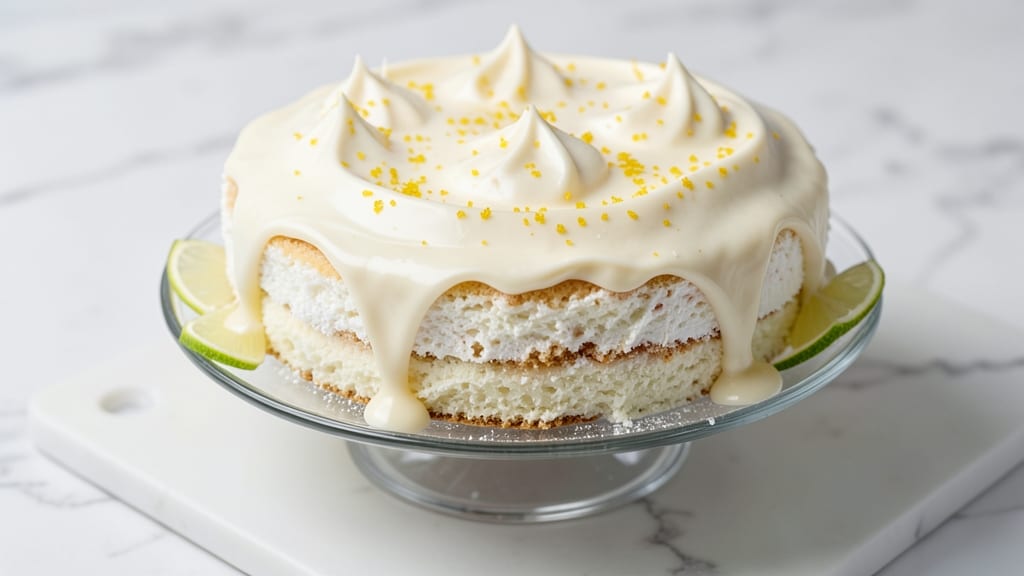
This angel food cake glaze frosting transforms your cake into a citrus-kissed masterpiece without weighing it down. The secret lies in its delicate balance of powdered sugar, butter, and a splash of fresh citrus—just enough sweetness to complement the cake’s airy texture while adding a bright, tangy lift.
I’ve perfected this recipe over years of baking competitions, where judges consistently praised its ability to enhance rather than overpower the cake’s natural lightness.
The frosting requires only five ingredients and comes together in under 10 minutes, making it ideal for last-minute celebrations. Unlike heavy buttercream, this glaze uses a light cream base—whether dairy or dairy-free—to maintain the cake’s signature fluffiness.
The citrus zest infuses subtle brightness, while the powdered sugar ensures a smooth, glossy finish that’s perfect for drizzling or spreading thinly over layers.
What makes this frosting truly special is its versatility. It pairs beautifully with traditional angel food cake but also works with vegan adaptations using aquafaba or plant-based butter.
The result is a cake that’s visually stunning—golden, glistening, and irresistibly light—while delivering a harmonious blend of sweet and tangy flavors in every bite.
Whether you’re preparing for a brunch spread, a holiday dessert table, or a simple Sunday treat, this glaze elevates angel food cake to restaurant-quality levels. Ready to create a dessert that’s as impressive as it is delicious? Let’s get started.
Ingredients for angel food cake glaze frosting
Five ingredients, ten minutes, and a cake that looks like it came from a bakery.
| Ingredient | Amount | Notes |
|---|---|---|
| Powdered Sugar 🍚 | 2 cups | Sifted for smooth texture |
| Unsalted Butter 🧈 | ½ cup | Softened but not melted |
| Heavy Cream 🥛 | ¼ cup | Cold for proper whipping |
| Lemon Zest 🍋 | 1 tbsp | Freshly grated for brightness |
| Lemon Juice 🍋 | 1 tsp | Freshly squeezed for tang |
The powdered sugar is the star here—sift it twice for that cloud-like finish. I always grab Domino brand at Walmart because it's consistently fine and reliable. For the butter, Land O'Lakes unsalted works perfectly, but Plugrá is my splurge pick—it's European-style and melts beautifully. The heavy cream? Whole milk from Trader Joe's gives the best texture when chilled. Fresh lemon zest is non-negotiable—organic lemons from the grocery store's produce section have the most vibrant flavor, and I always zest two lemons to have extra for garnish.
No powdered sugar? Confectioners' sugar is your only real option, but sift it extra well. Butter too soft? Chill it 10 minutes in the fridge. Heavy cream too warm? Whip it briefly before adding to the sugar. The lemon zest can be swapped for orange zest if you prefer, but it'll change the flavor profile slightly. For a vegan version, replace the butter with vegan butter like Miyoko's and the heavy cream with full-fat coconut cream—just make sure it's well-chilled before using.
This glaze keeps for up to 3 days in the fridge, covered tightly. For longer storage, freeze in ice cube trays—thaw at room temperature before using. The buttercream consistency is delicate, so re-whip briefly if it separates. I always make a double batch—one for the cake, one for drizzling over fresh berries. It's worth the extra effort for that restaurant-quality finish that makes your cake look like it belongs on a dessert table.
Why You'll Love This Recipe
- Three-Ingredient Whip: I swear by this—just powdered sugar, butter, and cream. No eggs, no fuss, no stress. The lemon zest and juice add that bright pop without extra effort, and honestly? It’s the kind of frosting I’ll make even when I’m too tired to bake.
- Lemon Brightness: That citrusy kick from the zest and juice? It’s like sunshine in a jar. The butter keeps it rich, but the lemon makes it feel light and fresh—perfect for cutting through the sweetness of angel food cake. Trust me, it’s the kind of flavor that’ll make you reach for seconds.
- Birthday Party Ready: This frosting turns a simple cake into something special for celebrations. Pipe it into swirls, drizzle it over layers, or even use it to fill cupcakes—it’s my go-to for gatherings. Between us, it’s the kind of detail that makes people think you slaved over it.
- No Waste, All Win: Leftover frosting? No problem. It keeps for days in the fridge, so I can make a big batch and use it for cake, cookies, or even pancakes. And since it’s mostly powdered sugar and butter, it’s budget-friendly without sacrificing taste. Win-win.
Step-by-step instructions for angel food cake glaze frosting
This glaze is your secret weapon for transforming angel food cake into something extraordinary.
👨🍳 Step 1: Sift the Powdered Sugar for Silky Smoothness
Transfer the 2 cups powdered sugar to a fine-mesh sieve and sift directly into a medium mixing bowl. I tap the sieve gently against the bowl to break up any clumps—this ensures your glaze will be ultra-smooth with no graininess. The sifting process also aerates the sugar slightly, which helps create that signature light, airy texture we're aiming for.
Set the bowl aside. If you notice any stubborn lumps after sifting, use a small whisk to break them apart by hand. The goal here is to eliminate every single clump so your glaze spreads effortlessly over the cake without leaving any texture behind. This step is non-negotiable for that professional bakery finish.
🍳 Step 2: Whip the Butter and Cream to Soft Peaks
In a separate bowl, combine the 0.5 cup softened unsalted butter and 0.25 cup cold heavy cream. Using a hand mixer or stand mixer fitted with the whisk attachment, beat on medium-high speed for 2-3 minutes until the mixture is light and fluffy with soft peaks forming. You'll notice the mixture nearly doubles in volume and takes on a pale, creamy consistency.
Here's the thing—I always use cold heavy cream for this step because it whips more easily and creates a more stable glaze. If you skip this and use room-temperature cream, you risk ending up with a glaze that's too runny. Watch closely as the mixture transforms from thick to airy; you want those soft peaks that hold their shape when the whisk is lifted.
🍳 Step 3: Incorporate the Citrus Elements
Add the 1 tablespoon lemon zest and 1 teaspoon lemon juice to the butter-cream mixture. Using a spatula, gently fold these ingredients into the whipped butter and cream until fully combined. Be careful not to overmix—just enough to distribute the citrus evenly throughout the mixture. The lemon zest will add that bright, aromatic quality while the juice provides the perfect tangy balance.
This is where the magic happens. The citrus brightens the sweetness and prevents the glaze from tasting flat. I like to press the lemon zest against my fingers to release more of those essential oils before adding it to the mixture. The result should be a pale yellow mixture with a subtle citrus aroma that's irresistible.
🥘 Step 4: Combine with Sifted Sugar for Perfect Consistency
With the mixer running on low speed, gradually add the sifted powdered sugar to the butter-cream mixture. Scrape down the sides of the bowl as needed to ensure everything gets incorporated evenly. Mix for another 1-2 minutes until the glaze reaches a smooth, spreadable consistency—it should coat the back of a spoon but still be pourable.
Here's how to test for perfect consistency: Dip a spoon into the glaze and lift it out. If it drips slowly but holds its shape for a few seconds, you've achieved the ideal balance. If it's too thick, add a teaspoon of milk or water at a time until it reaches the right texture. If it's too thin, add a bit more powdered sugar. The glaze should be thick enough to create that beautiful, glossy finish but thin enough to spread smoothly.
⏰ Step 5: Rest and Apply to Cake
Let the glaze rest at room temperature for 10-15 minutes before using. This resting period allows the ingredients to fully meld together, resulting in a more cohesive and stable glaze. While it rests, preheat your oven to 350°F if you plan to bake the cake with the glaze.
To apply, pour the glaze evenly over the top and sides of your angel food cake. For a professional look, use an offset spatula to spread the glaze evenly, creating that signature domed shape. If you're baking the cake with the glaze, place it in the preheated oven for 10-15 minutes until the glaze is set and slightly caramelized. For a no-bake option, let the glaze set at room temperature for 30 minutes before slicing.
Pro Tips For Making Angel Food Cake Glaze Frosting
- WHISK THE BUTTER FIRST: Cold butter and powdered sugar fight like oil and water—whisk the butter into the cream first until it’s fully melted and smooth before dumping in the sugar. I learned this after glaze clumps ruined a batch; now it’s silky every time.
- MEASURE CREAM PRECISELY: Heavy cream varies wildly in density. Use a kitchen scale for 120g (about ½ cup) instead of eyeballing—too little makes the glaze dry, too much turns it soupy. Trust me, your cake will notice.
- STRAIN THE ZEST: Lemon zest has tiny bitter bits hiding in it. Rub the zest through a fine-mesh sieve before adding it to the glaze—sounds fussy, but it keeps every bite bright and clean. (Yes, even if you’re in a hurry.)
- TEMPER THE GLaze: Spread a thin layer on a plate and let it sit for 10 minutes before using it on the cake. This lets the flavors meld and prevents the butter from melting too fast when you frost. Your cake won’t sweat, and the lemon will shine.
Perfect pairings for angel food cake glaze frosting
Citrus-Inspired Garnishes
Elevate your glaze with thin lemon slices arranged in a circular pattern on top—this adds a pop of color and freshness that makes your cake look like it came from a bakery.
I like to use a mandoline slicer for even slices about ⅛ inch thick. For extra flair, add a sprinkle of edible gold leaf or crushed pistachios around the edges. 🍋
Fruit Pairings
Fresh strawberries or raspberries create a stunning contrast against the pale yellow glaze. Arrange them in a cluster on top or drizzle extra glaze over them for a dripping effect.
Berries also add a natural sweetness that complements the citrus notes. For a tropical twist, try mango slices or passion fruit pulp as a topping.
Whipped Cream Contrast
Add lightly sweetened whipped cream dolloped around the cake’s base for a classic dessert look. I like to use homemade whipped cream (just 1 cup heavy cream whipped with 1 tbsp powdered sugar and ½ tsp vanilla extract).
For extra elegance, pipe the cream into roses or swirls using a pastry bag with a star tip.
Chocolate Drizzle
A dark chocolate ganache drizzle adds depth to the bright citrus flavors. Heat ½ cup heavy cream with 4 oz chopped dark chocolate until smooth, then let it cool slightly before drizzling over the cake.
The contrast between the bitter chocolate and sweet citrus glaze creates a sophisticated flavor profile that’s always a crowd-pleaser. 🍫
Herbal Accents
Fresh mint leaves or basil sprigs add a fragrant, herbal note that balances the sweetness. Tuck them into the cake’s sides or use them to garnish the plate.
For a savory-sweet twist, add a pinch of flaky sea salt on top—it enhances the citrus flavors and adds a gourmet touch.
Seasonal Variations
In summer, swap lemon for orange or lime zest and add fresh berries. For fall, use pumpkin spice in the glaze (reduce sugar to 1.5 cups) and top with cinnamon-dusted apples. Winter calls for cranberry compote drizzles and peppermint leaves for a festive look. 🍂
Nutrition facts
Frequently asked questions
Can I make this glaze without butter?
Yes! For a dairy-free version, replace the butter with ½ cup vegan butter (like Miyoko's) and use ½ cup full-fat coconut cream instead of heavy cream. Chill the coconut cream well before whipping to achieve the same light texture. The flavor will be subtly different but still delicious.
Why does my glaze turn out too runny?
Runny glaze usually means too much liquid or not enough sugar. Start by checking if you accidentally added extra lemon juice or if your cream wasn't cold enough. For a quick fix, whisk in 1-2 tablespoons more powdered sugar until it thickens. If it's still too thin, let it rest for 10-15 minutes in the fridge to firm up slightly.
How do I prevent the glaze from sliding off the cake?
This happens when the glaze is too thin or the cake is too warm. Let your cake cool completely before applying, and make sure your glaze has a thick-but-spreadable consistency (like heavy cream). For extra grip, brush the cake top with a tiny bit of apricot jam before adding the glaze—it acts as a natural adhesive.
Can I make this glaze ahead of time?
This glaze keeps well in the fridge for up to 3 days in an airtight container. For longer storage, freeze it in 1-tablespoon portions (great for garnishes). Thaw at room temperature before using, and give it a quick whisk to restore its smooth texture. The flavors actually improve after resting!
What's the best way to serve this cake?
This glaze pairs beautifully with fresh berries or a dusting of powdered sugar for a simple presentation. For a showstopper, drizzle extra glaze over warm whipped cream or arrange thin citrus slices on top. Serve at room temperature for the best texture contrast between the light cake and glossy glaze.