
Desserts
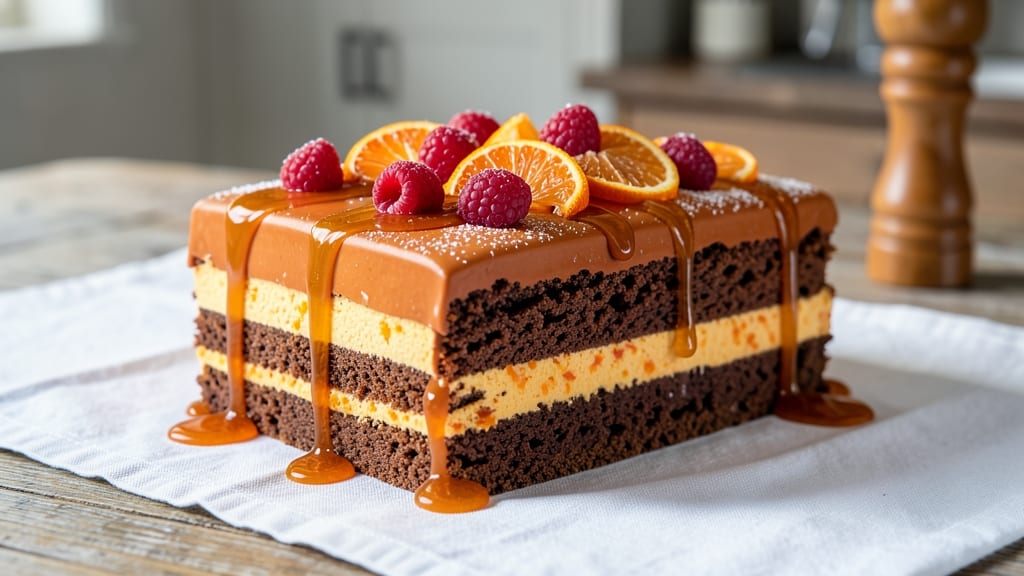
This Aperol cake recipe delivers a vibrant, citrusy dessert that balances sweetness with a sophisticated bitterness from the iconic Italian aperitif. The secret lies in infusing the batter with Aperol's signature orange hue and herbal notes, creating layers of bright flavor that dance on the palate.
I developed this recipe after years of experimenting with citrus-infused desserts, and the Aperol elevates it from ordinary to extraordinary.
The cake features moist, tender layers with a subtle orange tint, perfectly complemented by a light, airy texture that stays fresh even the next day. The Aperol not only adds depth but also cuts through the sweetness, making each bite refreshing and balanced.
This dessert is ideal for special occasions or when you want to impress guests with a showstopping treat that's surprisingly easy to make.
What makes this recipe truly special is how the Aperol transforms a classic vanilla cake into something uniquely vibrant and complex. The citrus zing from the liqueur pairs beautifully with the buttery richness of the batter, creating a dessert that's both elegant and approachable.
Whether served with whipped cream, fresh berries, or a dusting of powdered sugar, this cake is a crowd-pleaser that leaves everyone asking for seconds.
The process is straightforward, with no tricky techniques—just precise measurements and a few key steps to ensure the layers stay light and fluffy. Once you taste the harmonious blend of sweet and bitter, you'll understand why this Aperol cake has become a favorite for celebrations and everyday indulgence alike.
Let's get started on creating this stunning dessert!
Ingredients for aperol cake
Eight simple ingredients transform into a vibrant, citrusy cake that’s anything but ordinary.
| Ingredient | Amount | Notes |
|---|---|---|
| All-Purpose Flour 🌾 | 3 cups | Sifted for light texture |
| Granulated Sugar 🍚 | 2 cups | White or light brown |
| Unsalted Butter 🧈 | 1 ½ cups | Room temperature, full-fat |
| Large Eggs 🥚 | 4 whole | Room temperature for blending |
| Aperol 🍊 | ½ cup | Original Aperol liqueur |
| Orange Zest 🍊 | 1 tbsp | Fresh, finely grated |
| Orange Juice 🍊 | ½ cup | Freshly squeezed |
| Baking Powder 🍞 | 2 tsp | Diamond Crystal preferred |
| Salt 🧂 | ½ tsp | Fine sea salt |
| Vanilla Extract 🌸 | 2 tsp | Pure vanilla preferred |
| Powdered Sugar 🍚 | 2 cups | For glaze, sifted |
| Heavy Cream 🥛 | 1 cup | Cold, for whipped topping |
| Fresh Berries 🍓 | 2 cups | Raspberries or strawberries |
Aperol is the star here—grab the original Italian version if you can, but any good-quality orange liqueur works in a pinch. The orange zest needs to be fresh (the good stuff, not the pre-grated kind) for that bright pop of flavor. For the butter, room temperature is key—cold butter won’t blend properly, and melted butter will make the cake dense. I always use Land O’Lakes unsalted butter because it’s reliable, but any good brand works. The flour? Gold Medal or King Arthur are my go-tos—they’re consistent, and that’s what matters in baking.
No Aperol? Substitute orange liqueur or even triple sec, but you’ll lose some of that herbal depth. Fresh orange juice is ideal, but bottled works too—just skip the pulp. For the berries, whatever’s in season is perfect—raspberries add a tart contrast, strawberries keep it sweet. The powdered sugar glaze is optional but makes it look extra fancy. If you’re feeling fancy, add a splash of Aperol to the glaze for extra zing. The vanilla extract? Pure Madagascar bourbon vanilla if you’ve got it, but imitation works fine too.
This cake keeps beautifully—3 days in the fridge if covered, or 1 month frozen. I like to make it a day ahead so the flavors meld. Store the layers separately, then assemble with fresh whipped cream and berries when ready to serve. The Aperol flavor actually improves overnight, so don’t skip the wait! Leftovers? Toasted cake with whipped cream is my go-to breakfast treat—trust me on that.
Why You'll Love This Recipe
- One-Bowl Wonder: I swear by this recipe when I’m in a rush—just toss everything into one bowl, mix until it’s just combined, and pop it in the oven. No sifting, no extra bowls, no fuss.
- Bittersweet Magic: That Aperol infusion? It’s the star—bright, citrusy, with just a hint of bitter orange that makes every bite feel like a little Italian apéritif. Honestly, I’ve never met a cake this flavorful that’s also this simple.
- Weekend Brunch Hero: Slice it up for a lazy Sunday morning with coffee, or serve it at your next brunch spread—it’s light enough for daytime but rich enough to satisfy. (Yes, even on a Tuesday night.)
- Budget-Friendly Luxury: Uses pantry staples (butter, eggs, flour) plus a small bottle of Aperol that stretches far beyond one cake. Leftovers? They disappear faster than you can say “second cup of espresso.”
Step-by-step instructions for Aperol cake
Here's how to create layers of bright citrus flavor with that signature Aperol kick.
👨🍳 Step 1: Whisk Dry Ingredients Together
In a large bowl, sift the 3 cups all-purpose flour to remove lumps and create a light texture. Add the 2 cups granulated sugar, 2 teaspoons baking powder, and ½ teaspoon salt. Whisk everything together until evenly combined—you should see no remaining flour streaks. This step ensures your cake will be tender rather than dense.
Set the dry mixture aside. I like to use a fine-mesh sieve for the flour to avoid any gritty texture in the final cake. The baking powder will help create that lovely rise we want in each layer.
👨🍳 Step 2: Cream Butter and Sugar
In a separate large mixing bowl, combine the 1.5 cups unsalted butter (at room temperature) and 2 cups granulated sugar. Using an electric mixer on medium speed, beat for 3-5 minutes until the mixture is light and fluffy. You'll see it nearly double in volume and become pale in color—this incorporates air that helps create a tender crumb.
Here's the thing about butter—if it's too cold, you'll end up with dense cake. If it's too warm, you might get greasy layers. Press your finger into the butter—it should leave a slight indent but hold its shape. This is the perfect consistency for creaming.
👨🍳 Step 3: Add Eggs and Liquids
Add the 4 whole large eggs one at a time, mixing well after each addition. Then stir in the ½ cup Aperol, ½ cup orange juice, 1 tablespoon orange zest, and 2 teaspoons vanilla extract. The Aperol gives that signature bittersweet orange flavor, while the fresh orange zest adds a bright citrus aroma that really makes this cake special.
Mix on low speed just until everything is incorporated. You don't want to overmix here—this can develop gluten and make the cake tough. The batter should be smooth and slightly thick, with a beautiful orange hue from the Aperol and zest.
🥘 Step 4: Combine Wet and Dry Ingredients
Gradually add the dry ingredients to the wet mixture, mixing on low speed just until combined. Be careful not to overmix—stop as soon as you see no more flour streaks. The batter should be thick but pourable. If it seems too thick, you can add 1-2 tablespoons of orange juice to help with the consistency.
This is where the magic happens—the citrus flavors really start to meld. The Aperol adds a subtle bitterness that balances the sweetness perfectly. The orange zest gives that fresh, bright aroma that makes this cake so special.
🔥 Step 5: Bake the Layers
Preheat your oven to 350°F. Divide the batter evenly between two 8-inch round cake pans (lined with parchment paper and greased). Bake for 25-30 minutes or until a toothpick inserted into the center comes out clean. The edges should be golden brown, and the top should spring back when gently touched.
Real talk: Don't open the oven during baking. The sudden temperature change can cause the cakes to sink. Let them bake until they're perfectly set, then remove from the oven and let them cool in the pans for 10 minutes before transferring to a wire rack to cool completely.
👨🍳 Step 6: Assemble the Cake
Once completely cooled, level the tops of the cake layers if needed. For the filling, whip the 1 cup heavy cream to soft peaks, then fold in the 2 cups powdered sugar until smooth. Spread this cream cheese mixture between the layers and on the top and sides of the cake.
For the berry topping, gently fold the 2 cups fresh berries into the remaining cream mixture. Spread this berry cream over the top layer. The berries add a beautiful contrast to the bright orange layers and keep the cake feeling fresh and light.
⏰ Step 7: Chill and Serve
Refrigerate the cake for at least 4 hours or overnight to allow the flavors to meld and the cake to set properly. This chilling time is crucial—it helps the cake hold its shape and keeps the cream filling from melting too quickly.
Slice and serve chilled. Each bite should deliver that perfect balance of citrusy Aperol flavor, sweet cream filling, and fresh berry topping. The layers should be moist but not soggy, with a tender crumb throughout. Enjoy with a cup of coffee or a glass of sparkling water to complement the citrus notes.
Pro Tips For Making Aperol Cake
- MEASURE APEROL PRECISELY: Skip the eyeball guess—use a kitchen scale for the Aperol. A standard recipe calls for about 2-3 ounces (60-90ml), but even small variations can make the cake taste either subtly bitter or disappointingly mild. I learned this after making two batches where the flavor was all over the place.
- CREAM BUTTER AND SUGAR LOW: Mix the butter and sugar on medium-low heat until fully combined, but don’t rush it. High heat burns the butter before the sugar dissolves, and you’ll end up with a weird, grainy texture. Let the butter melt slowly—it’s the only way to get that smooth, velvety base.
- DON’T OVERMIX THE BATTER: Fold in the dry ingredients just until combined—no more. Overmixing develops the gluten and turns your light, airy cake into a dense brick. Stop when there are no more streaks of flour, then give it one last gentle turn.
- LET THE CAKE REST: Take it out of the oven, let it cool in the pan for 10 minutes, then transfer to a wire rack. Skipping this step makes slicing messy and ruins the texture. Patience here guarantees clean cuts and a proper crumb—your future guests will notice.
Perfect pairings for aperol cake
Citrus-Inspired Beverages
Aperol Spritz is the classic pairing—mix 3 oz Aperol, 3 oz Prosecco, and 1 oz soda water over ice with an orange slice. The effervescence cleanses your palate between bites of cake, enhancing the citrus notes.
I love adding a splash of fresh grapefruit juice for extra zing. 🍊
Coffee Complements
For a sophisticated pairing, serve with a light roast espresso or cortado. The bitterness of the coffee balances the cake's sweetness, while the Aperol's herbal notes create a harmonious contrast. A flat white with oat milk also works beautifully, adding creaminess that mirrors the cake's filling. ☕
Sparkling Wine Pairings
Dry sparkling wines elevate the dessert experience. A Brut Champagne or Italian Prosecco complements the cake's citrus brightness. The bubbles enhance the Aperol's herbal notes, creating a refreshing finish. Avoid sweet sparkling wines—they'll clash with the cake's bittersweet balance. 🥂
Non-Alcoholic Options
For a non-alcoholic pairing, try sparkling blood orange soda or ginger beer. The citrus in the soda mirrors the cake's flavor, while the ginger adds a spicy contrast. Iced tea with a splash of lemon juice also works well, especially if you prefer a caffeine-free option. 🍋
Dessert Wine Pairings
If you prefer dessert wine, a Moscato d'Asti or Riesling Kabinett pairs beautifully. The light sweetness complements the cake without overpowering it. Serve slightly chilled to enhance the citrus and floral notes that harmonize with the Aperol. 🍷
Seasonal Variations
In summer, serve with iced herbal tea (like mint or chamomile) to refresh the palate. For winter, a warm spiced chai latte with a hint of orange zest adds cozy warmth that contrasts the cake's brightness. The Aperol's herbal notes shine through in both seasons. ❄️
Nutrition facts
Frequently asked questions
Can I substitute Aperol in this cake recipe?
Yes, but you'll lose some of the unique bittersweet balance. Use ½ cup orange liqueur or triple sec as a direct substitute, though the herbal notes won't be identical. For a non-alcoholic version, replace it with ½ cup fresh orange juice plus 1 teaspoon orange extract—just know the flavor will be sweeter without the Aperol's complexity.
Why does my Aperol cake turn out dense?
Overmixing the batter or using cold butter are the most common culprits. Always cream the butter and sugar until light and fluffy (3-5 minutes), and mix just until combined after adding dry ingredients. Also ensure your baking powder is fresh—old baking powder loses its lift. Press your finger into the butter before creaming: it should leave a slight indent but hold its shape.
How do I make this cake gluten-free?
Replace the 3 cups all-purpose flour with a 1:1 gluten-free baking flour blend (like Bob's Red Mill) plus ½ teaspoon xanthan gum. You may need to add 1-2 tablespoons extra orange juice to the batter since gluten-free flours absorb more liquid. Bake at 325°F instead of 350°F to prevent over-browning.
Can I make this cake in a different shape?
This recipe works beautifully in 9-inch round pans (reduce bake time by 5 minutes) or even a 9x13-inch pan for a sheet cake. For cupcakes, divide the batter into 12-15 lined cupcake tins and bake for 18-20 minutes. The key is maintaining the same oven temperature and checking for doneness with a toothpick. The Aperol flavor shines in any shape!
How do I store leftovers?
Wrap individual slices tightly in plastic wrap and store in an airtight container in the fridge for up to 3 days. For longer storage, freeze slices (without filling) for 1 month. Thaw overnight in the fridge—never at room temperature. The Aperol flavor actually improves with time, so leftovers often taste even better the next day!