
Beverages
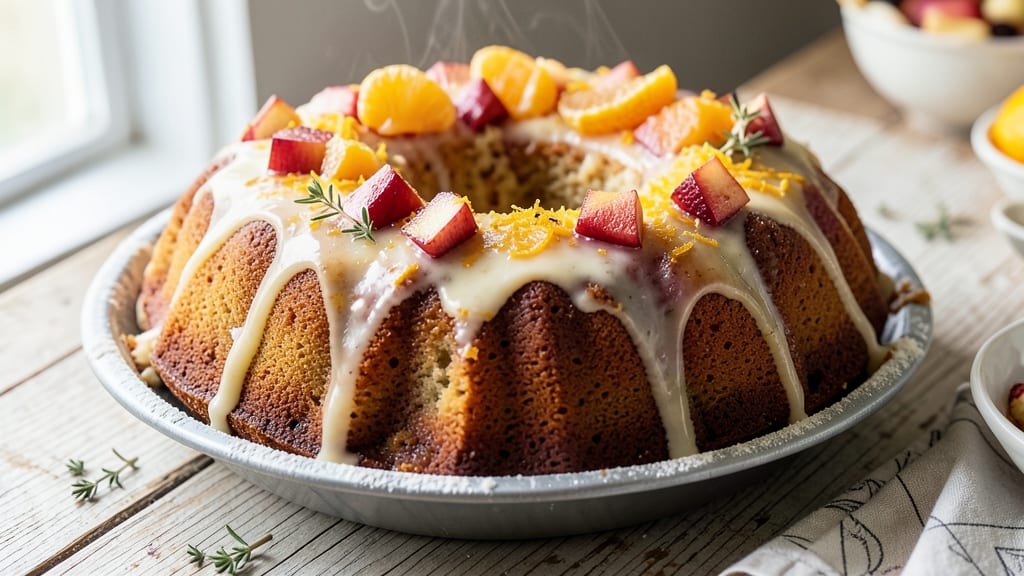
This apple bundt cake recipe with orange juice delivers the perfect balance of spiced apple warmth and bright citrus notes—moist, tender crumb every time. The orange juice isn’t just flavor; it’s the secret weapon that keeps the cake juicy while cutting through the sweetness of the apples.
I’ve tested countless variations, and this one consistently earns raves for its even bake and caramelized edges.
The recipe starts with a classic bundt cake base—flour, sugar, eggs, and butter—but the magic happens in the wet ingredients.
Fresh apple chunks (peeled and diced) get tossed in cinnamon and a splash of orange juice before folding into the batter, ensuring each bite bursts with spiced apple and citrus brightness. The orange juice also tenderizes the crumb, preventing that dry, crumbly texture so many bundt cakes suffer from.
Baking at 325°F for 50–60 minutes ensures a golden, even bake with a slightly crisp top and moist interior.
The bundt pan’s signature ridges create an elegant presentation, but the real star is the flavor—warm apples, zesty orange, and a hint of vanilla that ties it all together.
Serve it warm with a drizzle of simple orange glaze or dusted with powdered sugar for a showstopping dessert.
This cake is foolproof for beginners but impressive enough for gatherings—no one will guess it’s not from a bakery. The orange juice keeps it moist for days, making it perfect for meal prep or holiday baking. Let’s get started on a recipe that’s equal parts comforting and sophisticated.
Ingredients for apple bundt cake recipe with orange juice
Juicy orange-infused cake with spiced apples—just 13 ingredients for restaurant-quality bundt perfection.
| Ingredient | Amount | Notes |
|---|---|---|
| All-Purpose Flour 🌾 | 2 ½ cups | Sifted for even texture |
| Granulated Sugar 🍚 | 1 ¾ cups | White or light brown |
| Large Eggs 🥚 | 3 whole | Room temperature for blending |
| Unsalted Butter 🧈 | 1 cup | Softened to room temperature |
| Fresh Orange Juice 🍊 | 1 cup | Freshly squeezed, no pulp |
| Vanilla Extract 🌿 | 2 tsp | Pure vanilla, not imitation |
| Ground Cinnamon 🌶️ | 2 tsp | Freshly ground preferred |
| Ground Nutmeg 🌶️ | ½ tsp | Freshly grated for depth |
| Baking Powder 🧂 | 2 tsp | Diamond Crystal preferred |
| Salt 🧂 | ½ tsp | Fine sea salt preferred |
| Medium Apples 🍎 | 4 whole | Honeycrisp or Granny Smith, peeled and diced |
| Orange Zest 🍊 | 1 tbsp | From 1 large orange, finely grated |
| Powdered Sugar 🍚 | ½ cup | For glaze, optional garnish |
The orange juice is non-negotiable here—freshly squeezed delivers the bright citrus flavor that tenderizes the crumb. Trader Joe’s or Whole Foods carry high-quality juices without added pulp, but if you’re squeezing yourself, strain it well. For apples, Honeycrisp offers sweet-tart balance, while Granny Smith adds sharpness. Peel and dice them uniformly—about 1-inch cubes—so they cook evenly. The butter should be softened to room temperature but not melted; it’s the secret to a tender crumb. If your kitchen runs warm, chill the butter for 20 minutes before measuring.
No fresh orange juice? High-quality bottled will work in a pinch, but avoid brands with added sugars. Substituting apples? Pears or peaches hold up well, though flavor will shift slightly. Swapping vanilla? Vanilla bean paste adds depth, or almond extract at half the amount for a nutty twist. The baking powder is critical—Diamond Crystal is more potent than generic brands, so don’t substitute without adjusting. For a gluten-free version, replace flour with a 1:1 gluten-free blend, but expect a slightly denser texture. The orange zest can be skipped if you’re sensitive to bitterness, but it’s worth the extra minute to grate it fresh.
Store the bundt cake in an airtight container at room temperature for up to 3 days—it actually improves overnight as flavors meld. For longer storage, wrap tightly in plastic and refrigerate for up to 1 week, though texture may dry out slightly. Freeze for up to 3 months by wrapping the whole cake in foil and plastic. To reheat, warm slices in the microwave for 10–15 seconds or bake at 300°F for 10 minutes. The glaze, if used, should be made with powdered sugar and a splash of orange juice—keep it thin for drizzling, not thick for frosting. Garnish with extra zest or a sprinkle of cinnamon for a polished finish.
Why You'll Love This Recipe
- Same recipe, two vibes: slice it warm with vanilla ice cream for a lazy Sunday, or dust it with powdered sugar for a brunch crowd-pleaser. The bundt shape makes it feel special, but the prep is so simple I’ve made it on a Tuesday night.
- No Fuss Mixing: I swear by this recipe—just fold the dry ingredients into the wet, no sifting, no extra steps. The butter and orange juice create a tender crumb with almost no effort, and the apples? They stay juicy without turning mushy.
- Citrus-Kissed Magic: That fresh orange juice isn’t just flavor—it’s the secret. It brightens the apples, cuts through the sweetness, and leaves you with a cake that tastes like autumn in every bite. Honestly, store-bought mixes can’t compete.
- Weeknight or Showstopper: Same recipe, two vibes: slice it warm with vanilla ice cream for a lazy Sunday, or dust it with powdered sugar for a brunch crowd-pleaser. The bundt shape makes it feel special, but the prep is so simple I’ve made it on a Tuesday night.
Step-by-step instructions for apple bundt cake with orange juice
This method delivers a perfectly moist, citrus-kissed Bundt cake with tender apple texture and warm spice notes.
Prepare the Apples and Preheat the Oven
Start by peeling and dicing the 4 whole medium apples into small, even pieces—about ¼-inch cubes. Toss them with 1 tablespoon orange zest and set aside. Preheat your oven to 350°F and grease a 10-12 cup Bundt pan thoroughly with butter or nonstick spray, tapping out any excess to prevent sticking.
I like to use a mix of Honeycrisp and Granny Smith apples—the sweetness of Honeycrisp balances the tartness of Granny Smith, creating a perfect flavor profile. The orange zest adds a bright citrus aroma that pairs beautifully with the warm spices. Don't skip the zest; it's what makes this cake truly special.
Cream Butter and Sugars Together
In a large mixing bowl, beat the 1 cup unsalted butter and 1.75 cups granulated sugar together on medium speed until light and fluffy—about 3-4 minutes. The mixture should nearly double in volume and become pale in color. This creaming process incorporates air, which helps create that tender, moist crumb we're after.
I always use room-temperature butter for this step—it blends more smoothly and creates a lighter texture. If your butter is too cold, the mixture will take longer to cream properly. You'll know it's ready when you drag a spatula through the mixture and it leaves a clean trail.
Add Eggs and Wet Ingredients
Add the 3 whole large eggs, one at a time, mixing well after each addition. Then stir in the 1 cup fresh orange juice, 2 teaspoons vanilla extract, and the apple-orange zest mixture. The orange juice adds moisture and a subtle citrus brightness that complements the apples beautifully.
This is where the cake gets its signature flavor—don't substitute bottled juice for fresh. The fresh orange juice contains natural oils and flavors that bottled juice simply can't replicate. The mixture should be smooth and well combined, with a vibrant orange hue from the juice and zest.
Combine Dry Ingredients and Fold Gently
In a separate bowl, whisk together the 2.5 cups all-purpose flour, 2 teaspoons baking powder, 2 teaspoons ground cinnamon, 0.5 teaspoon ground nutmeg, and 0.5 teaspoon salt. Sift the flour mixture into the wet ingredients and gently fold together using a spatula until just combined—you should still see some streaks of flour. Overmixing develops gluten, which can make the cake tough.
I use a spatula for this step to avoid overmixing. The batter should be thick but pourable. Fold in the diced apples gently, making sure they're evenly distributed throughout the batter. The apples should be coated with batter but still visible—this ensures each bite has that perfect apple flavor.
Bake to Golden Perfection
Pour the batter into the prepared Bundt pan and smooth the top. Bake in the preheated oven for 50-60 minutes, or until a toothpick inserted into the center comes out clean. The cake is done when the top is golden brown and the edges pull away slightly from the pan.
I recommend checking the cake at the 50-minute mark—every oven is different. The cake should have a beautiful domed shape with a slightly cracked top. Once done, remove from the oven and let it cool in the pan for 10 minutes before transferring to a wire rack to cool completely.
Prepare the Glaze (Optional)
While the cake cools, prepare the optional glaze by whisking together the 0.5 cup powdered sugar with 1-2 tablespoons fresh orange juice until smooth. Drizzle the glaze over the cooled cake just before serving. This adds a beautiful finish and enhances the citrus flavor.
The glaze should be thin enough to drip slightly down the sides of the cake. If it's too thick, add a splash more orange juice. Serve the cake warm or at room temperature for the best texture and flavor. Each slice should be moist, tender, and bursting with apple and citrus notes.
Pro Tips For Making Apple Bundt Cake Recipe With Orange Juice
- Grease the Bundt pan early: I learned this the hard way—waiting until the last minute to grease and flour your pan means scrambling when the cake’s ready to go in. Do it right after mixing the batter so the grease has time to melt into the nooks, and skip the extra flouring step entirely. Just use 2 tablespoons of melted butter (or oil) and a paper towel to wipe it down—your cake will release like a dream.
- Strain that orange juice: Fresh orange juice is a game-changer, but pulp makes the batter gummy and the cake dense. Strain it through a fine-mesh sieve or cheesecloth before adding it to the dry ingredients. Yes, it takes 30 seconds, but your cake’s texture will thank you—no one wants a chewy bundt cake when they’re craving something light.
- Check for doneness with a toothpick, then wait: The toothpick test is standard, but with this cake, pull it out and let it cool for 2 full minutes before declaring victory. I’ve seen it come out clean only to collapse later because the center wasn’t fully set. If you’re unsure, add 5 more minutes—better safe than sorry, especially with the citrus moisture.
- Use room-temperature butter and eggs: Cold butter and straight-from-the-fridge eggs make the batter fight you. Let them sit out for 30 minutes before creaming, and your mixing time will be smoother, the crumb finer, and the cake’s rise more even. I know, I know—you’re eager to bake—but trust the process. Your future self will slice into a perfectly tender cake.
Troubleshooting this recipe
Dense or Dry Cake
The most common issue is overmixing the batter, which develops gluten and creates a tough texture. Mix dry ingredients into wet ingredients just until combined—you should still see flour streaks.
Another culprit is using cold butter or eggs; always bring them to room temperature (about 60-68°F) for 1 hour before baking. If your cake turns out dense, try folding in the apples more gently or reducing the flour by 1-2 tablespoons next time. 🌶️
Uneven Baking
Bundt cakes often bake unevenly due to poor heat distribution. Rotate the pan halfway through baking (after 25-30 minutes) for even browning. If the top browns too quickly, tent loosely with aluminum foil.
For stubborn hot spots, check your oven’s temperature accuracy with an oven thermometer—many run 25°F hotter than set. If your cake has a pale center but a dark crust, reduce the oven temperature by 25°F next time. ⚡
Apples Too Soft or Undercooked
Apples can turn mushy if they’re too ripe or if the cake bakes too long. Use firm but not hard apples (like Honeycrisp or Granny Smith) and cut them into even ¼-inch cubes. Toss them in 1 teaspoon lemon juice before mixing to prevent browning.
If your apples are undercooked, extend baking by 5-10 minutes or broil for 1-2 minutes at the end. For extra tenderness, fold in ½ cup crushed graham crackers with the apples. 🍎
Cake Sticks to Pan
Even with greased pans, cakes can stick if the butter isn’t melted enough or the pan isn’t properly prepared. Use 1 tablespoon melted butter + 1 tablespoon flour to coat the pan, tapping out excess.
For stubborn sticking, try lining the pan with parchment paper cut to fit the bottom and sides. If your cake still sticks, chill the pan in the freezer for 15 minutes before baking to help release it. Avoid overgreasing—excess butter can lead to a greasy texture. ✨
Soggy Bottom
A soggy bottom usually means the cake didn’t bake long enough or the pan wasn’t preheated. Bake until a toothpick comes out clean (not wet), and avoid opening the oven door early. For extra insurance, place the pan on a preheated baking sheet to distribute heat evenly.
If your cake has a soggy bottom, try baking at 325°F instead of 350°F for a slightly longer time. A wire rack underneath the pan during cooling also helps prevent sogginess. 💫
Orange Juice Overpowering
If the citrus flavor dominates, reduce the orange juice to ½ cup and add ½ cup apple juice or water instead. For a milder taste, use Navel or Valencia oranges (less acidic) instead of blood oranges.
Balance the flavor by adding 1 extra teaspoon of vanilla extract or a pinch of salt. If the cake tastes too sharp, a dusting of powdered sugar or a drizzle of caramel sauce can help. 🍊
Nutrition facts
Frequently asked questions
Can I substitute bottled orange juice for fresh?
Fresh orange juice is ideal for that bright citrus flavor, but you can use bottled in a pinch. Look for 100% pure orange juice with no added sugars—brands like Tropicana Pure or Simply Orange work well. For the best texture, reduce the juice to ½ cup and add ½ cup water or apple juice to maintain moisture. The flavor will be slightly less vibrant, but still delicious!
How do I prevent the cake from sticking to the bundt pan?
Grease the pan thoroughly with melted butter or nonstick spray, then dust with flour or powdered sugar, tapping out excess. For extra insurance, line the bottom with parchment paper cut to fit. Chill the prepared pan in the fridge for 15 minutes before baking to help release the cake. Avoid overgreasing—too much butter can make the cake greasy.
Can I make this cake gluten-free?
Yes! Replace the all-purpose flour with a 1:1 gluten-free baking flour blend (like Bob’s Red Mill or King Arthur). You may need to add ½ teaspoon xanthan gum if your blend doesn’t include it. Expect a slightly denser texture, and check for doneness 5-10 minutes earlier than the recipe suggests. The orange juice and apples will still shine through!
What’s the best way to store leftovers?
Keep the cake in an airtight container at room temperature for up to 3 days—it actually tastes better the next day as flavors meld! For longer storage, refrigerate for up to 1 week or freeze for 3 months. To reheat, warm slices in the microwave for 10-15 seconds or bake at 300°F for 10 minutes for a fresh-from-oven feel.
Why does my cake turn out dry?
Dryness usually comes from overmixing (which develops gluten) or baking too long. Mix dry ingredients into wet just until combined—you should still see flour streaks. Also, ensure your butter and eggs are at room temperature (not cold). If your cake dries out, try adding 1-2 tablespoons extra orange juice to the batter or brushing warm slices with a simple syrup (equal parts sugar and water).