
Desserts
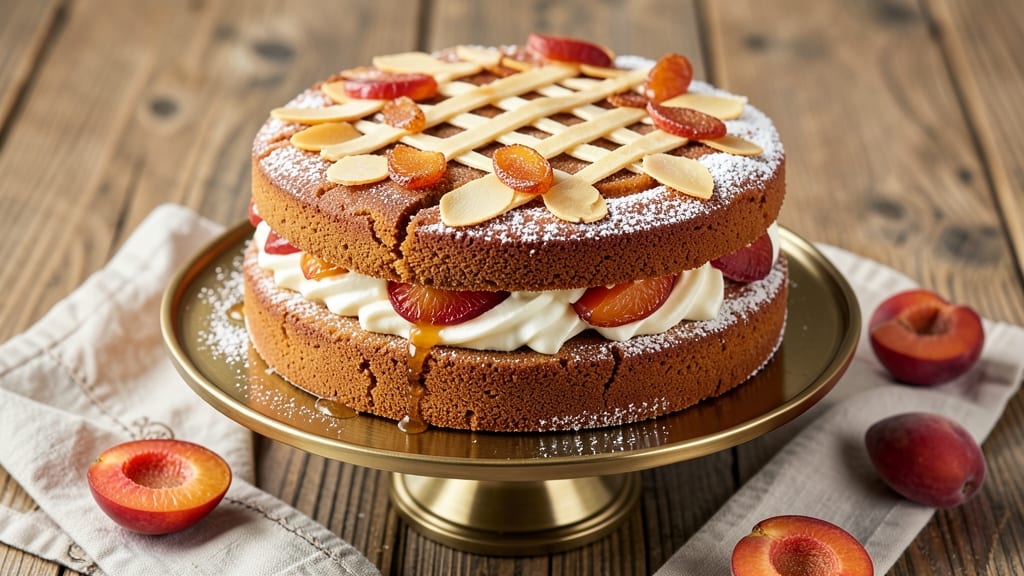
This apricot fruit cake delivers layers of spiced richness and juicy fruit that keep every slice moist for days. 💛 The secret lies in blending dried apricots with warm spices—cinnamon, nutmeg, and cardamom—to create a fragrant, tender crumb that holds up to slicing without crumbling.
I developed this recipe after years of baking fruit cakes that dried out too quickly, and this version stays perfectly tender thanks to a simple technique: soaking the apricots in rum or orange juice before folding them into the batter.
The cake itself is a study in balance—moist yet sturdy, with just enough spice to complement the natural sweetness of the fruit. You’ll start with a basic vanilla cake batter, then fold in the soaked apricots and a touch of almond extract for depth.
The magic happens when you bake it in a springform pan, allowing the cake to rise evenly while the apricots release their juices into every bite. A zesty glaze of apricot jam and citrus zest ties it all together, adding a bright finish that cuts through the richness.
What makes this recipe stand out is its versatility. You can use fresh apricots in summer for a lighter texture, or dried apricots year-round for concentrated flavor. The cake keeps well for up to a week, making it perfect for gifts or meal prep.
Serve it with a dollop of whipped cream or a scoop of vanilla ice cream for the full experience. The aroma alone—warm spices mingling with caramelized fruit—will have everyone asking for seconds.
For those who love a boozy twist, soak the apricots in brandy or bourbon instead of juice, then bake off the alcohol before assembling. The result? A cake with layers of complexity that’s perfect for holidays or special occasions. Let’s bake this apricot masterpiece—your taste buds will thank you.
Ingredients for apricot fruit cake
Twelve simple ingredients transform into a moist, spiced apricot cake that stays tender for days.
| Ingredient | Amount | Notes |
|---|---|---|
| All-Purpose Flour 🌾 | 3 cups | Sifted for even texture |
| Granulated Sugar 🍚 | 2 cups | White or light brown |
| Light Brown Sugar 🍚 | 1 cup | Packed for moisture |
| Unsalted Butter 🧈 | 1 ½ cups | Room temperature, cubed |
| Large Eggs 🥚 | 4 whole | Room temperature |
| Vanilla Extract 🌿 | 2 tsp | Pure, high-quality |
| Dried Apricots 🍑 | 1 ½ cups | Chopped, not too fine |
| Rum or Orange Juice 🍹 | ½ cup | For soaking apricots |
| Ground Cinnamon 🌶️ | 1 tbsp | Freshly ground preferred |
| Ground Nutmeg 🌿 | ½ tsp | Freshly grated |
| Ground Cardamom 🌿 | ½ tsp | Lightly toasted |
| Almond Extract 🌿 | ½ tsp | Pure, not imitation |
| Apricot Jam 🍯 | ½ cup | For glaze, unsweetened |
| Lemon Zest 🍋 | 1 tbsp | From organic lemons |
| Powdered Sugar 🍚 | 1 cup | For glaze |
The dried apricots make all the difference here. Look for organic or high-quality dried apricots at Whole Foods or your local specialty market—they hold up better during baking. Soaking them in rum or orange juice (I usually use rum for depth) is key—it keeps them juicy and infuses the cake with flavor. If you're feeling fancy, Trader Joe's carries a great dried apricot blend for this purpose. The spices? Freshly ground cinnamon and nutmeg are non-negotiable—they elevate the flavor from good to unforgettable. Cardamom adds that extra layer of warmth that pairs perfectly with apricots.
No rum on hand? Orange juice or apple juice works just as well—just make sure it's freshly squeezed. Short on almond extract? Vanilla extract at double the amount gets you close, though it won't have that nutty depth. The jam for the glaze can be store-bought, but homemade apricot jam (or even peach jam in a pinch) adds a personal touch. For the glaze, I always use powdered sugar because it dissolves smoothly, but if you're in a hurry, confectioners' sugar from the store works fine. The lemon zest? Use organic lemons if possible—they're brighter and more aromatic.
This cake keeps beautifully for up to a week in an airtight container at room temperature. For longer storage, wrap it tightly in plastic and refrigerate for up to 2 weeks. The glaze sets as it cools, so it's perfect for gifting—just slice and serve. I always make a double batch because it disappears fast. The cake reheats beautifully in the oven at 300°F for 10 minutes—just enough to warm the spices without drying it out. Store the dried apricots in an airtight container for up to 6 months if you're prepping ahead.
Why You'll Love This Recipe
- No-Fuss Mixing: I swear, this cake comes together like a dream—just creaming butter and sugars until light, then folding in flour and eggs with barely any effort. The apricots get tossed in whole or chopped, but even if they’re a little uneven, the flavor wins every time.
- Sweet Butter Magic: That rich brown sugar and butter combo? It’s what makes this cake dangerously good—the caramelized edges and tender crumb are pure comfort. Honestly, I’ve made it for breakfast, dessert, and even as a snack, and it never disappoints.
- Year-Round Crowd Pleaser: Between us, this cake keeps well for weeks (yes, even with dried apricots), so it’s perfect for holidays, potlucks, or just stashing in the pantry for lazy days. I’ve sent slices to neighbors, brought it to office parties, and still have half left over—no one turns it down.
- Pantry Staple Power: You’re probably already stocked for this—flour, sugar, butter, eggs—plus whatever apricots you can find (dried or fresh). I’ll be real: it’s one of those recipes where you won’t overthink ingredients, and the result is always reliable. Budget-friendly? Absolutely. Stress-free? Even better.
Step-by-step instructions for apricot fruit cake
Here's how to create layers of spiced apricot heaven with a zesty glaze that'll make your fruit cake unforgettable.
👨🍳 Step 1: Soak the Apricots for Maximum Flavor
In a medium bowl, combine the 1.5 cups dried apricots with 0.5 cup rum or orange juice. Let them soak for at least 30 minutes—this softens them and infuses that perfect fruity depth. I like to chop the apricots into ½-inch pieces before soaking so they absorb the liquid evenly. If you're using rum, you'll get that warm spice cabinet aroma, but orange juice works perfectly too—just skip the rum if you prefer.
While they soak, I always give the dried fruit a quick rinse under warm water to remove any dust or debris. This ensures a cleaner flavor in your cake. Drain them well before using, but don't squeeze out all the liquid—that moisture helps keep your cake wonderfully moist. Here's the thing—soaked apricots make all the difference in texture and flavor, so don't skip this step.
🍳 Step 2: Cream Butter and Sugars for Light Texture
In a stand mixer fitted with the paddle attachment, beat the 1.5 cups unsalted butter (room temperature) with the 2 cups granulated sugar and 1 cup light brown sugar on medium speed for 3-4 minutes. You're looking for a light, fluffy mixture that nearly doubles in volume and becomes pale. This creaming process incorporates air, which creates that signature tender crumb in your cake.
I press down on the butter mixture with a spatula occasionally to make sure everything's well combined. You'll know it's ready when it looks like soft whipped butter and leaves clean streaks on the sides of the bowl. This is the foundation of your cake's texture, so take your time here. Real talk: if you rush this step, your cake will be dense instead of light and airy.
👨🍳 Step 3: Mix in Wet Ingredients and Spices
Add the 4 whole large eggs (room temperature) one at a time, mixing well after each addition. Then stir in the 2 tsp vanilla extract, 0.5 tsp almond extract, and 1 tbsp lemon zest. The mixture will look slightly curdled at first, but don't worry—it'll come together when you add the dry ingredients. I like to scrape down the sides of the bowl with a rubber spatula to make sure everything gets incorporated.
In a separate bowl, whisk together the 3 cups all-purpose flour, 1 tbsp ground cinnamon, 0.5 tsp ground nutmeg, and 0.5 tsp ground cardamom. Sift the flour mixture into the wet ingredients in three additions, mixing on low speed just until combined after each addition. Overmixing develops gluten, which makes cakes tough. You'll notice the batter will be thick but still pourable—this is perfect for layering.
🥘 Step 4: Fold in Apricots and Prepare for Baking
Using a rubber spatula, gently fold in the drained apricots (with their soaking liquid) and the 0.5 cup apricot jam. Be careful not to deflate the batter—just fold until everything is evenly distributed. The jam adds that extra moisture and fruity richness that makes this cake special. Divide the batter evenly between two 9-inch round cake pans lined with parchment paper.
Bake at 350°F for 25-30 minutes or until a toothpick inserted in the center comes out clean. I like to rotate the pans halfway through baking for even cooking. Here's the key: don't overbake. You want a moist cake, not dry. The moment the toothpick test passes, remove from the oven and let cool in the pans for 10 minutes before transferring to a wire rack to cool completely.
🍰 Step 5: Assemble and Glaze for Showstopping Finish
Once both layers are completely cool, place one layer on a cake stand or plate. Spread a thin layer of the 0.5 cup apricot jam (warmed slightly) over the top. This jam layer adds moisture and binds the cake beautifully. Place the second layer on top and dust the entire cake with 1 cup powdered sugar using a fine-mesh sieve for an elegant finish.
For the glaze, mix the remaining 0.5 cup apricot jam with 1-2 tablespoons of the rum or orange juice (from the soaking liquid) until smooth. Drizzle generously over the top and sides of the cake. The glaze should be glossy but not too runny—adjust with more powdered sugar if needed. Let the glaze set for 30 minutes before serving. This cake tastes amazing at room temperature, but the glaze is best when it's had time to set properly.
Pro Tips For Making Apricot Fruit Cake
- CREAM BUTTER FIRST: Mix the butter and sugars until it’s pale and fluffy—not just combined. I used to rush this, and the cake turned dense. Take the extra 5 minutes; your crumb will thank you.
- WEIGH YOUR FLOUR: Scooping flour from the bag packs it down, adding extra moisture. Use a kitchen scale for accuracy—this cake relies on a light, airy texture, not a brick.
- DON’T OVERMIX THE BATTER: Stop folding in the apricots and flour as soon as everything’s just incorporated. Overworking it develops gluten, and your cake will turn tough. Two or three gentle turns is all you need.
- BAKE LOW AND SLOW: This isn’t a race. Bake at 325°F (not 350°F) for even cooking—apricots burn easily, and the center needs time to set. A toothpick with a few moist crumbs is better than a dry one.
Storing and reheating this dish
Room Temperature Storage
This apricot fruit cake stays moist and delicious at room temperature for up to 5 days when stored properly. I always wrap it tightly in plastic wrap followed by a layer of parchment paper to preserve moisture.
Place it in an airtight container or cake box to keep out air and maintain freshness. The spices and fruit flavors actually deepen over time, making it even more aromatic as it sits. 💛
Refrigerator Refresh
For longer storage, refrigerate the cake for up to 2 weeks in an airtight container. Before serving, let it sit at room temperature for 30-60 minutes to soften. The cold temperature helps preserve the cake's texture, but it does become slightly firmer.
I recommend reheating slices in the oven at 300°F for 8-10 minutes to restore that perfect moist crumb and warm up the spices.
Freezer Prep Tips
This cake freezes beautifully for up to 3 months—perfect for holiday gifting! Wrap each layer individually in plastic wrap, then place them together in a freezer bag with all the air squeezed out.
When ready to serve, thaw overnight in the refrigerator. For best results, reheat the entire cake at 325°F for 20-25 minutes—this reactivates the fruit juices and makes it taste almost fresh-baked.
Glaze Preservation
The apricot glaze is delicate and best used within 2 days of assembly. If you need to store the cake without glaze, assemble it without the final drizzle and add the glaze just before serving.
For extra shine, brush the cake with a tiny bit of water or milk before glazing—this helps the glaze adhere better. Store any leftover glaze in an airtight container in the refrigerator for up to 1 week.
Reheating Secrets
For individual slices, microwave reheating works in a pinch—cover with a damp paper towel and heat for 10-15 seconds. But for the best texture, always use the oven. Place slices on a baking sheet and warm at 300°F for 5-7 minutes.
This gentle heat reactivates the fruit juices without drying out the cake. Pro tip: Spritz the cake with 1 tsp water before reheating to restore moisture.
Gift-Worthy Packaging
When gifting, I like to wrap individual slices in parchment paper and place them in a decorative box with a sprig of fresh rosemary. For whole cakes, use a sturdy cake carrier and include a small note about storage instructions.
The cake's natural sweetness and spiced aroma make it a showstopper gift that arrives looking as good as it tastes. Always include a reminder to let it sit at room temperature before slicing for the best texture. ✨
Nutrition facts
Frequently asked questions
Can I substitute fresh apricots for dried in this recipe?
Yes! For summer baking, use 2 cups fresh apricots instead of dried. Chop them into small pieces and toss with 1 tablespoon lemon juice to prevent browning. You may need to reduce the soaking liquid slightly since fresh fruit releases more moisture. The texture will be lighter, but the flavor will be brighter and more vibrant.
What if I don't have rum or orange juice for soaking?
No problem! Use apple juice, pineapple juice, or even hot tea (like Earl Grey) for soaking. For extra flavor, add ½ teaspoon vanilla extract or 1 teaspoon almond extract to the liquid. The key is keeping the fruit moist—just avoid water, which can make the cake dense.
How do I make this cake gluten-free?
Replace the all-purpose flour with a 1:1 gluten-free baking flour blend (like Bob's Red Mill). Add ½ teaspoon xanthan gum to help bind the cake. For the best results, use gluten-free vanilla pudding mix (like Jiffy) as a thickener in place of some flour. Keep the rest of the recipe the same, but expect a slightly denser texture.
Why did my cake turn out dry?
Overbaking is the most common cause. Remove the cake from the oven when a toothpick comes out with just a few moist crumbs—not completely clean. Another culprit? Not soaking the apricots long enough or using too much flour. For extra moisture, brush the cooled cake layers with 2 tablespoons apricot jam before assembling.
Can I make this cake in a bundt pan instead?
This recipe works beautifully in a 10-cup bundt pan. Bake at 350°F for 40-45 minutes until a toothpick comes out clean. The shape makes it perfect for special occasions. For presentation, dust with powdered sugar and drizzle with extra glaze. Just be sure to grease the pan thoroughly to prevent sticking.