
Desserts
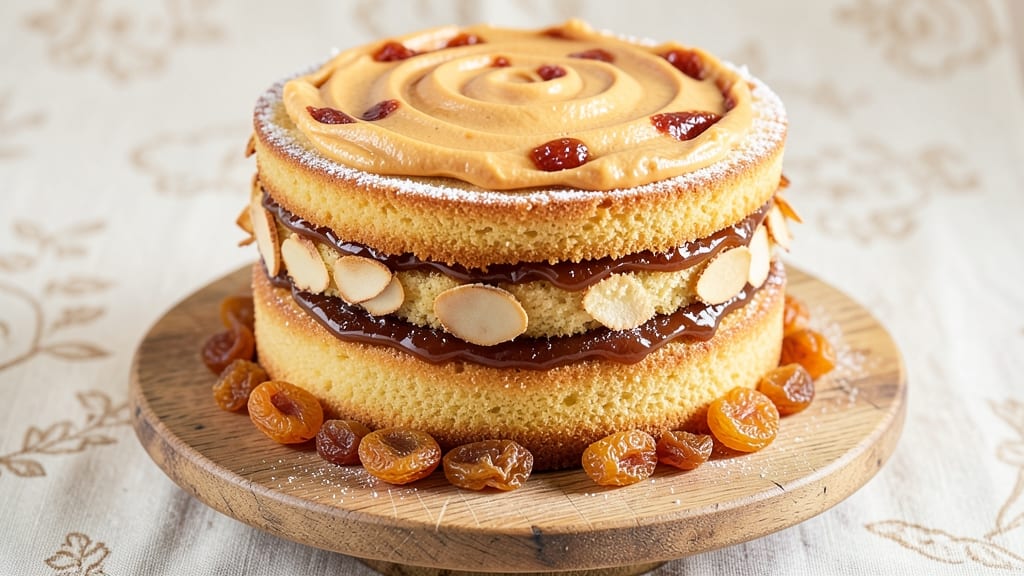
This apricot layer cake recipe delivers the perfect balance of tender vanilla sponge and vibrant apricot jam filling that tastes like summer in every bite. The secret lies in a buttery cake batter that stays moist while the jam adds a tangy-sweet contrast that makes each layer irresistible.
I developed this recipe after years of baking layer cakes—this version finally nailed the texture and flavor combination I’d been searching for.
The cake itself is simple to make with just a few key ingredients: all-purpose flour, butter, sugar, eggs, and vanilla, all mixed together until light and fluffy. The real magic happens when you layer it with homemade or store-bought apricot jam, ensuring each slice is packed with that fruity burst.
Baking the layers separately guarantees a clean, professional finish without soggy bottoms.
What you’ll end up with is a golden, fluffy cake with layers of jam glistening between each slice, creating a beautiful presentation as well as a delicious contrast. The cake stays moist for days, making it perfect for celebrations or a special treat.
The best part? It’s beginner-friendly—no fancy techniques required, just patience and attention to detail.
Serve it warm with a dusting of powdered sugar or a scoop of vanilla ice cream for the full experience. This cake is elegant enough for a dinner party but simple enough for a weekend baking project. Let’s get started on creating this crowd-pleaser!
Ingredients for apricot layer cake
Buttery layers and jam-packed goodness—this cake is summer in every bite.
| Ingredient | Amount | Notes |
|---|---|---|
| All-Purpose Flour 🌾 | 3 cups | Sifted for lighter texture |
| Unsalted Butter 🧈 | 1 ½ cups | Cold, cubed for creaming |
| Granulated Sugar 🍚 | 2 ½ cups | Divided for batter and jam |
| Large Eggs 🥚 | 4 whole | Room temperature for blending |
| Pure Vanilla Extract 🌿 | 2 tsp | High-quality for best flavor |
| Apricot Jam 🍑 | 1 ½ cups | Homemade or quality store-bought |
| Baking Powder 🧂 | 2 tsp | Aluminum-free preferred |
| Salt 🧂 | ½ tsp | Fine sea salt |
| Powdered Sugar 🍚 | 1 cup | For dusting layers |
| Heavy Cream 🥛 | ½ cup | For frosting optional |
| Lemon Juice 🍋 | 1 tbsp | Brightens apricot flavor |
The butter is non-negotiable here. European-style butter like Plugrá or Land O’Lakes has the highest fat content, giving you that rich, tender crumb. If you’re using regular butter, make sure it’s cold when you cream it—this ensures fluffy layers. I always grab my butter from Whole Foods or the bakery section at Kroger—it’s worth the extra few cents for the quality. The flour? King Arthur or Bob’s Red Mill are my go-tos—they bake up lighter than store brands. For the apricot jam, homemade is ideal, but Smucker’s or Bonne Maman are solid store-bought options. Look for jam with no added pectin if you want that natural fruitiness.
No vanilla extract? Vanilla bean paste works in a pinch, or even a scraped vanilla bean if you’ve got one. Running short on eggs? Applesauce or flax eggs (3 tbsp ground flax + 9 tbsp water) substitute at a 1:1 ratio—though the texture might be slightly denser. The lemon juice brightens the apricot flavor, but if you’re out, a pinch of citric acid does the trick. For the powdered sugar, sift it before dusting to avoid clumps—Domino is my go-to brand because it’s consistently fine. And if you’re feeling fancy, swap the heavy cream frosting for a vanilla glaze** made with powdered sugar and milk—it’s lighter and just as pretty.
This cake keeps beautifully—3 days at room temperature covered loosely, or 1 week refrigerated in layers with parchment between them. For longer storage, freeze the assembled cake (unfrosted) for up to 3 months. To serve, let it sit at room temperature for 15 minutes—this makes all the difference. I always slice mine with a hot knife dipped in hot water and wiped clean between cuts for perfectly clean layers. Leftovers? They’re even better the next day—trust me, the flavors meld into something magical.
Why You'll Love This Recipe
- No-Fuss Layers: I swear, this cake comes together faster than takeout. Cream butter and sugar until light? Check. Whisk in eggs and vanilla? Done. The layers stay tender without fuss, and the buttercream—oh, that buttercream—is just a hand mixer away. No piping bags, no stress.
- Apricot Magic: That jam filling? It’s the star. The moment warm cake meets tangy apricot, it’s like summer in a bite. The vanilla extract ties it all together—subtle but there, making every slice taste like a hug. Honestly, I’ll take this over fussy desserts any day.
- Party Ready: Slice it for a brunch spread, stack it for a birthday, or serve it with coffee when the in-laws visit. The layers hold up beautifully, and the apricot flavor feels fancy without the work. Between us, it’s my go-to for gatherings because it actually impresses.
- Leftovers Win: This cake doesn’t disappear in one sitting. The buttercream stays creamy for days, and the layers keep their structure—perfect for lunches or late-night cravings. Plus, it’s budget-friendly: a few dollars of jam and pantry staples stretch into a crowd-pleaser. My secret weapon for feeding people without breaking the bank.
Step-by-step instructions for apricot layer cake
This cake delivers heavenly vanilla layers kissed by tangy apricot jam—here's exactly how to make it shine.
Cream Butter and Sugar to Fluffy Perfection
In a stand mixer fitted with the paddle attachment, beat the 1.5 cups Unsalted Butter (cold and cubed) with 1 cup of the 2.5 cups Granulated Sugar on medium speed for 3-4 minutes. You're looking for a light, pale color and nearly doubled volume—this incorporates air that makes the cake tender. Scrape down the bowl as needed to ensure even mixing.
Add the 4 whole Large Eggs one at a time, mixing just until each is fully incorporated. After the last egg, add the 2 tsp Pure Vanilla Extract and mix for another 10 seconds. The batter should be thick but smooth, like pudding. If it looks too thin, let it sit for 5 minutes—this helps with structure when we add the dry ingredients next.
Fold in Dry Ingredients for Light Layers
In a separate bowl, whisk together the 3 cups All-Purpose Flour (sifted), 2 tsp Baking Powder, and 0.5 tsp Salt. With the mixer on low speed, gradually add the dry ingredients to the butter mixture, mixing just until combined—you should still see small flour streaks. Overmixing develops gluten, which makes cakes tough. Stop mixing as soon as the flour disappears.
Divide the batter evenly between two 8-inch round cake pans (greased and lined with parchment circles). The batter should be about ¾ full—this ensures even baking without overflow. Smooth the tops with a spatula and bake immediately. Don't skip the parchment—it prevents sticking and makes removal easier.
Bake Until Golden and Springy
Preheat your oven to 350°F. Bake the layers for 25-30 minutes, or until a toothpick inserted into the center comes out clean and the tops spring back when pressed gently. The edges should be golden brown, but the centers should still look slightly underdone—they'll set as they cool.
I like to rotate the pans halfway through baking for even browning. As soon as they're done, transfer to a wire rack and let them cool for 10 minutes in the pans. Then carefully remove the cakes and cool completely on the rack. This cooling step is crucial—warm layers won't hold up well when assembling.
Assemble with Apricot Jam Filling
Once the layers are completely cool, level the tops if needed with a serrated knife. Place the first layer on a cake stand or plate. Spread ½ cup of the 1.5 cups Apricot Jam (thinned with 1 tbsp Lemon Juice if too thick) evenly over the top. The jam should be spread thinly but completely—this prevents soggy layers.
Add the second layer on top, then spread the remaining ½ cup of jam mixture. For extra flavor, brush the sides of the cake with any remaining jam. Dust the entire cake with 1 cup Powdered Sugar sifted evenly over the top for a snowy finish. For a creamier option, whip the 0.5 cup Heavy Cream with 2 tbsp Powdered Sugar until soft peaks form and spread over the top.
Chill and Serve for Best Texture
Refrigerate the cake for at least 2 hours before slicing—this allows the jam to set slightly and the layers to meld. The cake will hold together better and each bite will deliver that perfect balance of buttery vanilla and tangy apricot. Serve at room temperature for the best texture and flavor.
Slice with a warm knife (dip in hot water and wipe dry) for clean cuts. The layers should be moist but not gummy, with jam oozing slightly when cut—this is the sign of a perfectly balanced cake. Enjoy within 3 days for the freshest flavor, or freeze the assembled cake for up to 2 months.
Pro Tips For Making Apricot Layer Cake
- Cream Butter Slowly: I learned this the hard way—when I dump cold butter into sugar and whip it fast, I end up with a gritty mess. Instead, soften the butter to room temp (it should dent when pressed), then beat it with the sugar on medium speed for a full 2-3 minutes. This ensures the butter emulsifies properly, giving you that light, fluffy texture the cake layers need.
- Sift Flour Twice: Skimping on sifting is how you end up with dense layers. After mixing the wet ingredients, fold in the flour twice—first to combine roughly, then sift again over the batter and gently fold. This cuts down on gluten development and keeps the cake tender. (Yes, it’s extra work, but your future self will notice the difference.)
- Check Doneness Early: Apricot cakes can go from perfect to overbaked fast. The edges should pull away from the pan, but the center should still jiggle slightly—like a wobbly Jell-O. If you wait for the toothpick test, you’ll dry out the layers. Pull them out when they’re just shy of done, and they’ll set as they cool.
- Use Room-Temp Eggs: Cold eggs from the fridge? They’ll create air pockets in your batter that turn into tunnels in the cake. Let them sit in warm water for 5 minutes first—just enough to bring them to about 70°F. This ensures smooth mixing and even baking. (I know, I know—it’s easy to forget, but trust me on this.)
Wine and beer pairings for apricot layer cake
White Wine Pairings
For this apricot layer cake, I always reach for a dry Riesling from Germany or Alsace—its crisp acidity and subtle fruitiness mirror the apricot's natural sweetness while cutting through the buttery richness.
A Sauvignon Blanc from New Zealand with its citrus notes also works beautifully, especially if your jam has a slightly tart profile. Avoid heavy, oaked whites—they'll overpower the delicate cake flavors. 🍷
Rosé Wine Options
A dry Provence rosé is my go-to for this cake. Its pale hue and red fruit notes complement the apricot without competing with it. Look for one with 12-13% alcohol—too much alcohol can make the cake taste cloying.
I love Whispering Angel or Miraval for their balance of fruit and acidity. Serve slightly chilled (50-55°F) to enhance the cake's refreshing qualities.
Light Red Wine
If you prefer red, opt for a Pinot Noir with bright acidity and red berry flavors. A Willamette Valley or Burgundy example pairs perfectly, especially with the vanilla notes in the cake.
Avoid bold Cabernets or Syrahs—they'll overwhelm the delicate apricot. I've found that a Champagne decant (yes, really!) works surprisingly well too—its bubbles and acidity cleanse the palate between bites. 🍇
Beer Pairings
For beer lovers, a Belgian witbier like Hoegaarden or Stella Artois is ideal. The citrusy coriander notes complement the apricot beautifully, while the effervescence cuts through the richness. A dry cider from England with apple and pear notes also works well—just ensure it's not too sweet.
Avoid heavy stouts or lagers that would clash with the cake's delicate flavors.
Non-Alcoholic Options
Don't drink alcohol? No problem. A sparkling apple cider with 10% juice content (like Martinelli's) provides that same refreshing contrast. For something more sophisticated, try an infused sparkling water with 2 slices of lemon and 3 apricot slices**—it mimics the cake's flavors perfectly.
Iced tea with a splash of lemon works too, especially if you add a touch of honey to balance the tartness.
Nutrition facts
Frequently asked questions
Can I substitute apricot jam with another fruit preserve?
Yes! You can use other fruit preserves like peach, plum, or even berry jam, but the flavor profile will change. For the best results, choose a preserve with similar acidity to apricot—like peach or nectarine. If using a thicker jam, thin it with 1 tbsp lemon juice to prevent soggy layers. Avoid overly sweet preserves like strawberry, as they can overpower the vanilla cake.
Why does my apricot layer cake turn out dense instead of light?
Overmixing the batter or using warm butter are the most common culprits. Always use cold, cubed butter and mix the dry ingredients just until combined—stop as soon as the flour disappears. Also, ensure your oven is properly calibrated (use an oven thermometer) and don't overbake. The cake should spring back when gently pressed, not feel firm.
How do I make this cake gluten-free?
Replace the 3 cups all-purpose flour with a 1:1 gluten-free baking flour blend like Bob's Red Mill or King Arthur. Add ½ tsp xanthan gum to help bind the layers. You may also need to reduce the leavening slightly—try 1.5 tsp baking powder instead of 2 tsp. Chill the batter for 30 minutes before baking to improve texture.
Can I make this cake in a single layer instead of two?
Use a 9-inch round pan and bake for 35-40 minutes at 350°F. For filling, spread 1 cup apricot jam (thinned with 1 tbsp lemon juice) over the cooled layer, then dust with ½ cup powdered sugar. This works great for smaller gatherings or when you prefer a taller, single-slice cake.
What's the best way to store leftovers?
Keep the cake refrigerated in an airtight container between layers of parchment paper for up to 1 week. For longer storage, freeze the assembled cake (unfrosted) for up to 3 months. Thaw overnight in the fridge before serving. To revive stale cake, brush with a simple syrup (½ cup sugar + ¼ cup water, heated until dissolved) and rewarm in a 300°F oven for 10 minutes.