
Desserts
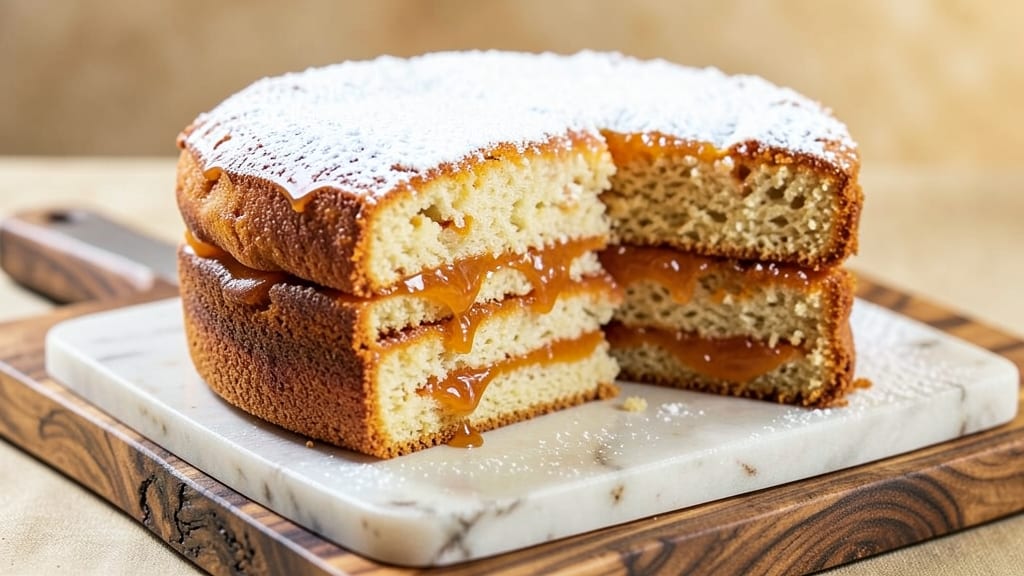
This apricot nectar pound cake delivers layers of buttery richness and a subtle, fruity depth that transforms an ordinary dessert into something extraordinary. The apricot nectar isn't just a moistening agent—it infuses every bite with a warm, caramelized sweetness that pairs perfectly with the cake's tender crumb.
I've perfected this recipe over years of baking, ensuring the layers stay perfectly moist while maintaining a golden, crackly top that begs to be sliced.
The secret lies in the technique: a slow bake at 325°F for 50-60 minutes ensures even cooking without drying out the cake, while the apricot nectar works its magic by keeping the texture lusciously soft.
You can keep it classic with a simple dusting of powdered sugar or elevate it with a citrus glaze or toasted almonds for added texture. The recipe is designed to be adaptable—whether you're baking for a special occasion or treating yourself to a midweek indulgence.
What makes this pound cake truly special is how the apricot nectar enhances the buttery flavor without overpowering it. The result is a dessert that's rich yet balanced, with a subtle fruity note that lingers on the palate.
Each slice is a perfect blend of comfort and sophistication, making it ideal for brunch, afternoon tea, or as a showstopper at dinner parties.
Ready to bake? This recipe is foolproof—just follow the steps, and you'll end up with a cake that looks and tastes like it came from a bakery. The best part? It keeps well for days, so you can enjoy multiple servings without the stress of last-minute baking.
Ingredients for apricot nectar pound cake
Twelve ingredients. One showstopper cake. The apricot nectar makes all the difference.
| Ingredient | Amount | Notes |
|---|---|---|
| Unsalted Butter 🧈 | 1 ½ cups | Room temperature, full-fat preferred |
| Granulated Sugar 🍚 | 2 ½ cups | Superfine preferred for smoother texture |
| Apricot Nectar 🍑 | 1 cup | High-quality, no added sugar |
| All-Purpose Flour 🌾 | 3 cups | Sifted for lightness |
| Baking Powder 🍞 | 2 tsp | Freshly opened |
| Salt 🧂 | ½ tsp | Fine sea salt |
| Large Eggs 🥚 | 4 whole | Room temperature |
| Vanilla Extract 🌸 | 2 tsp | Pure, high-quality |
| Almond Extract 🌿 | ½ tsp | Optional, for depth |
| Powdered Sugar 🍚 | 1 cup | For dusting |
| Toasted Sliced Almonds 🥜 | ½ cup | For garnish |
| Lemon Zest 🍋 | 1 tbsp | Freshly grated |
The apricot nectar is the star here—look for brands like Bonne Maman or Gerber for that rich, caramelized flavor. If you can't find it, unsweetened apricot jam works in a pinch, but strain out the seeds first. The butter should be room temperature when you measure it, or you'll end up with lumps. I always grab Land O'Lakes or Plugrá for the best texture. The almond extract is optional, but trust me—it adds a subtle richness that pairs perfectly with the apricot. And for the almonds? Trader Joe's has the best pre-toasted ones, but you can toast your own in 5 minutes for freshness.
No apricot nectar? Substitute with apricot jam or even peach nectar—just cut back on the sugar slightly since nectar is naturally sweeter. The almond extract can be swapped for vanilla bean paste if you prefer. For the flour, King Arthur or Bob's Red Mill work perfectly, but don't use self-rising—you need the baking powder separate. The powdered sugar for dusting? Confectioners' sugar from Domino is my go-to—it's fine and doesn't clump. If you're feeling fancy, swap the almonds for pistachios or pecans for a different crunch.
This cake keeps beautifully—3-4 days at room temperature wrapped in plastic, or 1 week in the fridge. For longer storage, slice it and freeze portions for up to 3 months. I always make a double batch because it disappears fast. The layers stay moist for days, so you can enjoy it over brunch or tea without worrying about it drying out. Just bring it to room temp before slicing for the best texture.
Why You'll Love This Recipe
- No Mixer Needed: I swear by this—just cream butter and sugar by hand until it’s light and fluffy. The apricot nectar blends right in with a splash, no fuss. Honestly, my arms thank me every time.
- Sweet-Tart Magic: That first bite? Warm, buttery, with a bright apricot punch that cuts through the richness. The nectar keeps it moist for days—no dry crumbs here, just pure, balanced sweetness.
- Weeknight Hero: Slice it fresh for breakfast or pack it for lunches—it holds up perfectly. My kids grab it straight from the fridge (yes, even on a Tuesday night), and it’s still tender.
- Pantry Staple Wins: Butter, sugar, flour—you’ve got this. No specialty ingredients, no last-minute grocery runs. Leftovers? They disappear faster than I can say “second cup of coffee.”
Step-by-step instructions for apricot nectar pound cake
Here's how to create layers of buttery richness with apricot nectar's natural sweetness.
Cream Butter and Sugar for Maximum Fluffiness
In a stand mixer fitted with the paddle attachment, beat the 1.5 cups unsalted butter and 2.5 cups granulated sugar on medium speed for 4-5 minutes. You're looking for a pale, fluffy mixture that nearly doubles in volume—the butter should look lightened and airy. This step is crucial for that classic pound cake texture.
I like to scrape down the sides of the bowl every minute or so to ensure everything gets fully incorporated. If you're using regular sugar instead of superfine, pulse it in a food processor first for a smoother texture. The butter should be completely room temperature—press a finger into it, and it should leave a slight indentation but hold its shape.
Incorporate Eggs and Apricot Nectar
Add the 4 whole large eggs, one at a time, mixing on low speed after each addition until fully combined. Then add the 1 cup apricot nectar, 2 teaspoons vanilla extract, 0.5 teaspoon almond extract, and 1 tablespoon lemon zest. Mix on low for another 30 seconds until everything is just incorporated.
The apricot nectar adds natural sweetness and moisture, while the lemon zest brightens the flavors. I always use room temperature eggs—they blend more smoothly and help create a lighter texture. If you notice the mixture looks slightly curdled after adding the eggs, don't worry. The flour will smooth everything out in the next step.
Combine Dry Ingredients for Light Layers
In a separate bowl, whisk together the 3 cups all-purpose flour, 2 teaspoons baking powder, and 0.5 teaspoon salt. Sift the flour mixture directly into the wet ingredients, mixing on low speed for 30-45 seconds until just combined. You should still see some flour streaks—overmixing develops gluten and makes the cake dense.
This is where the pound cake gets its signature tender crumb. I like to use a spatula to gently fold in any remaining flour from the bowl. The batter should be thick but pourable. If it looks too stiff, you can add 1-2 tablespoons of apricot nectar to loosen it slightly. The batter will be quite thick, but that's exactly what we want for that classic pound cake texture.
Layer and Bake for Perfect Rise
Preheat your oven to 350°F and grease three 8-inch round cake pans (or one 9x13-inch pan if preferred). Divide the batter evenly among the pans, filling each about 2/3 full. For extra flavor, I like to sprinkle 1 tablespoon of toasted sliced almonds on top of each layer before baking.
Bake for 25-30 minutes or until a toothpick inserted in the center comes out clean. The edges should be golden brown, but the top might still look slightly underdone—that's normal. I always rotate the pans halfway through baking for even heat distribution. Let the cakes cool in the pans for 10 minutes, then transfer to a wire rack to cool completely before assembling.
Assemble and Dust for Showstopping Finish
Once completely cool, level the tops of the cakes if needed. Place one layer on a serving plate and spread a thin layer of 1 cup powdered sugar mixed with 1 tablespoon apricot nectar (this creates a simple glaze). Repeat with the remaining layers, finishing with the top layer.
For the final touch, dust the entire cake generously with the remaining powdered sugar and sprinkle with the 0.5 cup toasted sliced almonds. This creates that beautiful, snowy finish we all love. Serve at room temperature for the best texture—this cake keeps well for 3-4 days covered at room temperature or up to 1 week refrigerated.
Pro Tips For Making Apricot Nectar Pound Cake
- Whisk Butter & Sugar First: Cream the butter and sugar until it’s pale yellow and thick—not just smooth. I used to rush this, and the cake turned out dense. Take the extra 2 minutes; it’s what makes the crumb light and tender, especially with the nectar’s natural moisture.
- Reduce Nectar to Syrup: Simmer the apricot nectar for 5–7 minutes before using—it thickens into a glossy syrup that soaks into the cake instead of making it gummy. (Yes, even if the recipe doesn’t say to.) Trust me, your slice won’t fall apart.
- Sift the Dry Mix Twice: Baking powder loses its punch over time, and apricot nectar cakes rely on it. Sift the flour and baking powder together twice—once before mixing, once after adding the wet ingredients. Skimping here means a cake that collapses in the middle.
- Bake Until Internal Temp Hits 205°F: The cake will look done at 190°F, but pull it when the center reads 205°F—it’ll firm up as it cools. I learned this after cutting into a cake that was still gooey in the middle. Patience here = no soggy slices.
Troubleshooting your apricot nectar pound cake
Dense Cake Texture
If your pound cake turns out dense instead of tender, you likely overmixed the batter or used cold ingredients. The key is to mix the dry ingredients into the wet just until combined—about 30-45 seconds—to avoid developing gluten.
Also ensure your butter and eggs are at room temperature before mixing. Cold ingredients won't emulsify properly, leading to a heavier texture. 🥄
Cracked Top
A cracked top usually means the oven was too hot or the cake baked too long. For this recipe, stick to 350°F and bake for 25-30 minutes—the center should be set but the top can still look slightly underdone.
If your oven runs hot, reduce the temperature by 25°F and check for doneness at 20 minutes. A water bath (placing the pans in a larger pan with hot water) can also help prevent cracking.
Dry or Crumbly Cake
Overbaking is the most common cause of dryness. Remove the cake from the oven as soon as a toothpick comes out clean. If your cake still feels dry after cooling, try adding 1-2 extra tablespoons of apricot nectar to the batter for moisture.
For extra richness, brush the cooled layers with a simple syrup made from ¼ cup apricot nectar + 2 tablespoons water before assembling.
Uneven Baking
Uneven baking often happens when pans aren't preheated or the oven lacks even heat. Always preheat your oven for at least 20 minutes and rotate the pans halfway through baking.
If your oven has hot spots, use an oven thermometer to confirm the actual temperature—many ovens run 25°F hotter or colder than set. For extra insurance, bake the layers one at a time if your oven is small.
Soggy Layers
Soggy layers usually mean the cake was assembled too soon or the filling was too wet. Let each layer cool completely before adding the apricot nectar glaze. If your glaze is too runny, mix it with 1 extra tablespoon of powdered sugar to thicken it slightly.
For a firmer cake, chill the assembled cake in the fridge for 1 hour before slicing to help set the layers.
Apricot Flavor Too Weak
If the apricot flavor isn't prominent enough, try increasing the nectar by 2 tablespoons or adding 1 teaspoon of apricot jam to the batter. For a deeper flavor, simmer ½ cup apricot nectar with 1 tablespoon brown sugar until reduced by half, then cool and use as a glaze.
The almond extract also enhances the apricot notes, so don't skip it if you want that extra depth. 🍑
Nutrition facts
Frequently asked questions
Can I substitute apricot nectar with another fruit puree?
Yes! You can use peach nectar, mango puree, or even apricot jam (strain out seeds first). For best results, reduce the sugar slightly since fruit purees vary in sweetness. The texture will be slightly different, but the cake will still be moist and delicious.
Why does my pound cake have a dense texture?
Overmixing or cold ingredients are the most common causes. Mix the dry ingredients into the wet just until combined (30-45 seconds) and ensure your butter and eggs are at room temperature. Cold ingredients prevent proper emulsification, leading to a heavier texture. Also, don't overbake—remove the cake when a toothpick comes out clean.
How do I store leftovers to keep them fresh?
Wrap the cake tightly in plastic wrap and store at room temperature for 3-4 days. For longer storage, refrigerate for up to 1 week or freeze slices for 3 months. Bring refrigerated cake to room temperature before serving for the best texture. The apricot nectar helps preserve moisture, so it stays tender longer.
Can I make this cake in a bundt pan instead of round pans?
A 10-12 cup bundt pan works perfectly for this recipe. Grease it thoroughly and bake at 325°F for 50-60 minutes (check 10 minutes early). The cake will have a beautiful, intricate shape while maintaining the same tender crumb. Just reduce the baking powder to 1.5 teaspoons to prevent excessive rise.
What's the best way to enhance the apricot flavor?
For deeper flavor, simmer ½ cup apricot nectar with 1 tablespoon brown sugar until reduced by half, then cool and use as a glaze. You can also add 1 teaspoon of apricot jam to the batter or sprinkle toasted sliced apricots on top before baking. The almond extract in the recipe already complements the apricot beautifully!