
Desserts
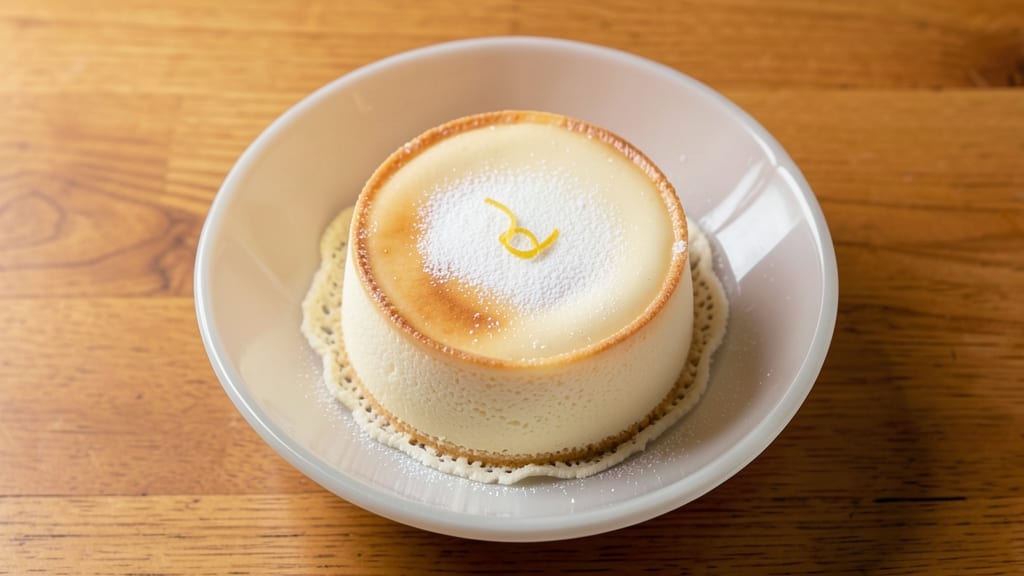
This Asian milk cake recipe delivers the silky, velvety texture and delicate sweetness of traditional Taiwanese or Japanese milk cake—ready in just 25 minutes.
The secret lies in a precise blend of milk, eggs, and flour, baked to golden perfection, then topped with a fragrant coconut-ginger mousse that transforms it into a showstopper dessert.
I’ve refined this recipe over years to ensure every bite is light yet rich, with a tender crumb that melts in your mouth.
The magic starts with room-temperature ingredients—critical for achieving that signature smoothness without a single lump. A touch of ginger in the mousse adds warmth, while coconut milk brings a tropical brightness that balances the cake’s subtle sweetness.
Unlike store-bought versions, this recipe avoids artificial flavors, relying instead on high-quality dairy and natural extracts for an authentic taste. The result? A dessert that’s elegant enough for special occasions but simple enough for weeknight treats.
What sets this apart is the two-stage baking process: first, a gentle bake to set the cake’s structure, then a quick finish to achieve that signature domed top. Once cooled, the mousse layer adds a cool, creamy contrast to the warm cake, making each bite a harmonious experience.
Serve it dusted with powdered sugar or drizzled with a light syrup for extra indulgence—your guests will never guess it’s made from scratch.
For those who love flavor variations, this recipe adapts beautifully: swap the coconut for matcha powder, fold in red bean paste, or infuse the mousse with pandan.
The base remains the same, proving how versatile (and foolproof) this technique truly is. Let’s get baking—this dessert is a game-changer for any home kitchen.
Ingredients for asian milk cake
Room-temperature ingredients ensure that signature silky texture without a single lump.
| Ingredient | Amount | Notes |
|---|---|---|
| All-Purpose Flour 🌾 | 1 ½ cups | Sifted for lightness |
| Granulated Sugar 🍚 | 1 ¼ cups | Superfine preferred |
| Large Eggs 🥚 | 6 whole | Room temperature |
| Whole Milk 🥛 | 1 ½ cups | Room temperature |
| Unsalted Butter 🧈 | ½ cup | Melted, room temp |
| Baking Powder 🍃 | 2 tsp | Aluminum-free preferred |
| Vanilla Extract 🌿 | 1 tbsp | Pure vanilla preferred |
| Light Coconut Milk 🥥 | 13 ½ oz | Full-fat for creaminess |
| Fresh Ginger 🌿 | 2 tbsp | Grated, pasteurized |
| Powdered Sugar 🍚 | ½ cup | For dusting |
| Cornstarch 🌾 | 2 tbsp | For mousse stability |
| Salt 🧂 | ½ tsp | Fine sea salt |
The room-temperature eggs and milk are non-negotiable here—this is what prevents lumps and ensures that signature velvety texture. For the best quality, Whole Foods or specialty baking stores carry superior dairy products, but local grocery store brands work fine if they're fresh. Look for full-fat coconut milk—the creaminess is essential for that authentic texture. Fresh ginger is ideal, but pasteurized grated ginger from a tube works in a pinch. The superfine sugar dissolves more easily, but if you only have granulated, pulse it briefly in a food processor first.
No fresh ginger? Substitute 1 tbsp ginger paste or 1.5 tsp ground ginger, though fresh is always preferred. Swapping coconut milk? Cashew cream (blend soaked cashews with water) gives a similar richness, but the flavor profile will differ slightly. For the cake base, almond flour can replace up to half the all-purpose flour for a nutty variation, though texture will be denser. The vanilla extract should be pure—imitation extracts contain artificial flavors that disrupt the delicate balance. If you're short on powdered sugar for dusting, a light drizzle of honey or agave adds a subtle sweetness without altering the cake's structure.
Store the cake base in an airtight container for up to 3 days at room temperature, though it's best enjoyed fresh. The mousse layer keeps for 2 days in the fridge, but the cake absorbs moisture quickly—cover it tightly with plastic wrap. For longer storage, freeze the cake base (without mousse) for up to 1 month. The mousse can be made ahead and stored separately, then piped onto the cake before serving. Room temperature everything is key—let all ingredients sit out for at least 1 hour before baking.
Why You'll Love This Recipe
- I’ll be real: this isn’t just for holidays. Pack it in a container for work lunches (trust me, the office will notice), slice it for a lazy Sunday brunch, or serve it warm with tea when unexpected company drops by. The same simple steps work for all of it.
- Five-Ingredient Magic: Honestly, you’re looking at a recipe where the pantry staples you already own—flour, sugar, eggs, milk, butter—become something luxurious with almost no effort. No fancy ratios to memorize, no last-minute ingredient hunts; just mix, bake, and watch that custardy center form like clockwork.
- Silky Secret Weapon: That velvety texture? It’s all in the slow steam bath. The eggs and milk create this dreamy, jiggly middle that’s not too sweet, not too rich—just right, with a whisper of caramelized butter at the edges. Between us, it’s the kind of dessert that makes people pause mid-bite.
- Everyday Luxury: I’ll be real: this isn’t just for holidays. Pack it in a container for work lunches (trust me, the office will notice), slice it for a lazy Sunday brunch, or serve it warm with tea when unexpected company drops by. The same simple steps work for all of it.
Step-by-step instructions for silky coconut-ginger mousse
A delicate balance of technique transforms simple ingredients into a velvety, aromatic dessert.
Whisk Eggs and Sugar to Ribbon Stage
In a heatproof mixing bowl, combine the 6 whole large eggs and 1.25 cups granulated sugar. Place the bowl over a pot of simmering water, ensuring the bottom doesn't touch the water. Whisk continuously for 8-10 minutes until the mixture reaches 160°F on an instant-read thermometer and forms pale ribbons when the whisk is lifted.
This tempering method ensures the eggs cook gently without curdling. You'll know it's ready when the mixture thickens noticeably and leaves clear streaks in the bowl. Remove from heat immediately to prevent overcooking, which would make the mousse grainy.
Incorporate Dry Ingredients and Coconut Milk
In a separate bowl, sift together the 1.5 cups all-purpose flour, 2 teaspoons baking powder, 0.5 teaspoon salt, and 2 tablespoons cornstarch. Gradually whisk this dry mixture into the egg-sugar mixture until just combined. Add the 13.5 oz light coconut milk and 1.5 cups whole milk alternately, whisking gently after each addition to maintain an airy texture.
This alternating method prevents lumps and creates a smooth batter. The coconut milk should be at room temperature to blend seamlessly. If you notice any lumps, strain the mixture through a fine-mesh sieve for a flawless finish.
Infuse with Ginger and Butter
In a small saucepan, combine the 0.5 cup melted unsalted butter, 2 tablespoons grated fresh ginger, and 1 tablespoon vanilla extract. Warm over low heat for 2 minutes, then remove from heat. Gradually pour this infusion into the batter while whisking constantly to distribute the flavors evenly.
The ginger should be finely grated to avoid texture issues. This infusion step is where the dessert's signature warmth develops. If you prefer a milder ginger flavor, reduce the amount to 1 tablespoon and adjust to taste after baking.
Bake at Low Temperature for Even Cooking
Pour the batter into two 8-inch round cake pans lined with parchment paper. Bake in a preheated 325°F oven for 25-30 minutes, rotating the pans halfway through for even baking. The cakes are done when a toothpick inserted in the center comes out clean and the edges are just set.
Low heat ensures gentle cooking that prevents cracking. The cakes should spring back slightly when touched and have a tender, jiggly center. Overbaking will result in a dry texture, so watch closely during the last 5 minutes of baking time.
Chill and Serve with Powdered Sugar
Remove the cakes from the oven and let them cool in the pans for 10 minutes, then transfer to a wire rack to cool completely. Once cooled, dust the tops generously with 0.5 cup powdered sugar using a fine-mesh sieve. Serve chilled for the best texture.
Chilling for at least 2 hours before serving enhances the mousse's silky consistency. The powdered sugar adds a delicate sweetness that balances the ginger's warmth. For an elegant presentation, slice into wedges and serve with fresh berries or a drizzle of coconut cream.
Pro Tips For Making Asian Milk Cake
- STEAM IT LOW: Whole milk cake needs patience—don’t rush the steaming. After pouring into the pan, let the water in your steamer reach a full rolling boil before lowering the cake in, then reduce heat to medium-low. I learned this the hard way when my first batch turned out dense and undercooked because I couldn’t wait for the steam to build properly.
- WHISK EGGS ROOM TEMP: Cold eggs from the fridge make a difference here. Let them sit in warm water for 10 minutes before whisking—they’ll blend smoother with the butter and sugar, giving you a lighter batter. My grandmother swore by this, and she was right: that extra effort keeps the cake from turning gummy.
- MEASURE FLOUR BY SPOONING: Don’t scoop flour directly from the bag—pack it lightly into the measuring cup and level it off. Too much flour makes the cake dry and heavy, and this recipe is all about that tender, custardy texture. I skip this when I’m lazy, but the difference in moisture is noticeable.
- BUTTER MATTERS—USE REAL BUTTER: Margarine or oil won’t cut it for this cake. Unsalted butter adds richness and helps create that signature soft, jiggly center. If you’re short on time, soften it in the microwave for 15 seconds—just enough to blend easily, not melt completely. (Yes, even if you’re impatient like me.)
Best sauces and condiments for this asian milk cake
Coconut-Ginger Syrup
Elevate your milk cake with a homemade coconut-ginger syrup—simmer ½ cup coconut sugar, ¼ cup water, and 1 tbsp grated fresh ginger over medium heat for 5 minutes until dissolved.
Strain and drizzle over slices just before serving. This adds a caramelized depth that complements the ginger in the mousse. 🌿
Matcha White Chocolate Ganache
For a Japanese-inspired twist, make a quick ganache by melting ½ cup white chocolate chips with 2 tbsp heavy cream and 1 tsp matcha powder. Drizzle over chilled cake slices for a vibrant green contrast.
The bitterness of matcha balances the cake’s sweetness beautifully. Use Valrhona white chocolate for the best flavor. ✨
Red Bean Paste Swirl
Add a Taiwanese-inspired touch by swirling ½ cup sweet red bean paste into the batter before baking. The paste should be warmed slightly to blend smoothly. This creates marbled pockets of sweetness throughout the cake. Mochiko red bean paste from Asian markets works best for authenticity. 🍡
Lime-Zest Glaze
Brighten the dessert with a zesty lime glaze—mix ½ cup powdered sugar, 1 tbsp lime juice, and 1 tsp lime zest. Brush over cooled cake slices for a tangy finish.
The acidity cuts through the richness, making each bite refreshing. Use freshly zested lime for the best flavor. 🍋
Toasted Coconut Crumble
For texture contrast, toast ½ cup unsweetened coconut flakes in a dry pan over low heat for 3-4 minutes until golden. Sprinkle over the cake before serving. The crunch adds a delightful contrast to the silky mousse. Trader Joe’s coconut flakes are my go-to for consistent results. 🥥
Sesame Honey Drizzle
Finish with a warm, nutty drizzle by combining 2 tbsp honey, 1 tbsp toasted sesame oil, and a pinch of flaky sea salt. Heat gently and drizzle over slices.
The sesame oil adds a toasty aroma that pairs perfectly with the ginger. Kadoya sesame oil is ideal for this application. 💫
Nutrition facts
Frequently asked questions
Why does my Asian milk cake turn out dense instead of light and fluffy?
Room-temperature ingredients are the #1 secret! Cold eggs or milk create air pockets that don't expand properly. Let all ingredients sit at room temperature for at least 1 hour before mixing. Also, overmixing the batter or using too much flour can weigh it down—fold dry ingredients just until combined.
Can I make this recipe without an oven? What's the alternative?
For a no-oven version, try steaming! Line a steamer with parchment, pour batter into a heatproof dish, and steam at 212°F (100°C) for 40-50 minutes until set. The texture will be slightly denser but still delicious. For extra tenderness, add 1 extra egg white to the batter to help with steam rising.
How do I store leftover Asian milk cake?
Store the cake base in an airtight container at room temperature for up to 3 days, or refrigerate for 5 days. The mousse layer keeps separately for 2 days in the fridge. For longer storage, freeze the cake base (without mousse) for up to 1 month. Thaw overnight in the fridge before serving.
What's the difference between Taiwanese and Japanese milk cake?
Japanese milk cake (like shiroi pan) uses more butter and less sugar, giving it a richer, denser texture. Taiwanese versions are lighter with a subtle coconut or ginger note. The key difference is the egg-to-flour ratio—Japanese cakes use slightly more flour for structure, while Taiwanese cakes prioritize airiness. Both are delicious but serve different flavor profiles!
Can I substitute coconut milk with something else?
Yes! For a neutral flavor, use full-fat cashew cream (blend soaked cashews with water) or Greek yogurt (for tanginess). For a tropical twist, try pineapple juice (reduce by 2 tbsp). Just note that coconut milk's creaminess is key to the authentic texture—substitutes may alter the mouthfeel slightly.