
Desserts
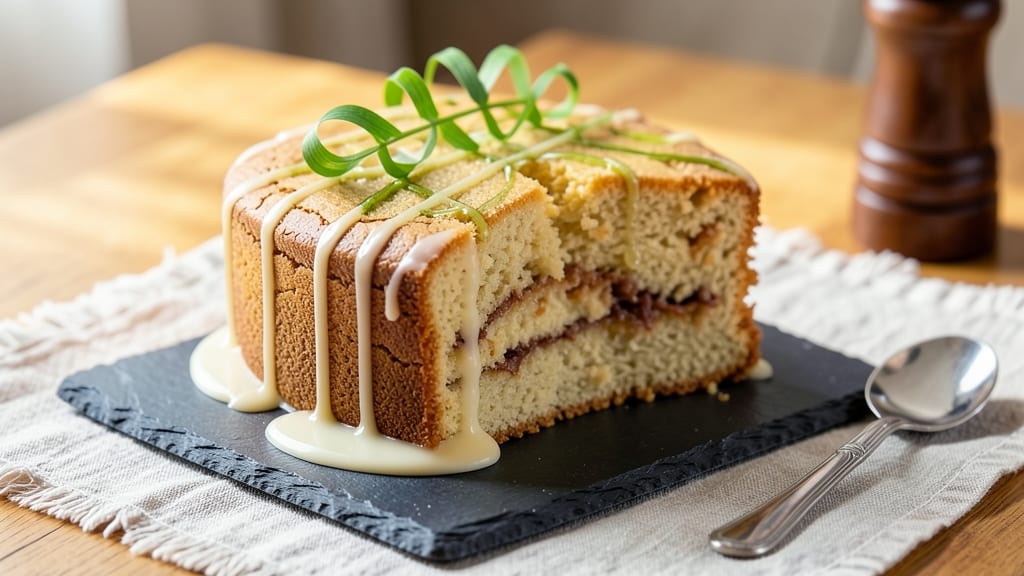
This Asian-inspired pound cake delivers the perfect balance of moist texture and aromatic flavors that transport you to tropical paradise. 🌴 The secret lies in combining traditional pound cake ingredients with fragrant pandan extract and coconut milk, creating a tender crumb that stays fresh for days.
I've perfected this recipe through years of baking, ensuring it rises beautifully while maintaining that signature Asian-inspired moisture.
The foundation begins with equal parts butter, sugar, and eggs by weight—classic pound cake proportions—but we elevate it with coconut milk and pandan extract for that distinctive tropical aroma.
This recipe includes a water bath technique that guarantees even baking and prevents dryness, while layering the batter in a loaf pan creates that coveted tender crumb throughout.
The result is a cake that's rich yet not heavy, with subtle floral notes from the pandan and natural sweetness from the coconut.
What makes this recipe truly special is its versatility—it works as a standalone dessert, but also excels as a base for layer cakes or trifles. The moisture magic comes from both the coconut milk and a clever batter resting technique that allows the flour to fully hydrate.
By the time it emerges from the oven, you'll have a cake with a golden crust and a velvety interior that melts in your mouth.
For those looking to experiment, variations like matcha green tea or turmeric-infused versions work beautifully while maintaining the same moist texture. The recipe scales perfectly for special occasions or everyday indulgence, making it a crowd-pleaser that's as impressive as it is delicious. Let's get baking!
Ingredients for asian pound cake
Equal parts butter, sugar, and eggs meet tropical flavors for this fragrant Asian-inspired cake.
| Ingredient | Amount | Notes |
|---|---|---|
| Unsalted Butter 🧈 | 1 lb | Softened to room temperature |
| Granulated Sugar 🍚 | 1 lb | Superfine preferred for smoothness |
| Large Eggs 🥚 | 4 whole | Room temperature for best mixing |
| All-Purpose Flour 🌾 | 1 ½ cups | Sifted for light texture |
| Coconut Milk 🥥 | 1 can | Full-fat for creaminess |
| Pandan Extract 🌿 | ½ tsp | Pure extract, not flavoring |
| Vanilla Extract 🌸 | 1 tbsp | Pure vanilla preferred |
| Baking Powder 🧂 | 1 ½ tsp | Aluminum-free preferred |
| Salt 🧂 | ½ tsp | Fine sea salt |
| Vegetable Oil 🫒 | ¼ cup | Light neutral oil |
| Milk 🥛 | ½ cup | Any kind for hydration |
| Lemon Zest 🍋 | 1 tbsp | Freshly grated |
The butter and sugar are the foundation—use European-style butter if you can find it, but any unsalted works. For the coconut milk, full-fat canned versions (like Thai Kitchen brand) give the best creaminess. Pandan extract is the secret weapon here: look for pure extract, not imitation flavorings—it's worth hunting down at Asian markets or online. Fresh lemon zest adds brightness, so zest only the outer layer—no white pith. Sift your flour and baking powder together to avoid lumps, which is especially important for that signature tender crumb.
No pandan extract? A mix of vanilla and a pinch of turmeric gives a similar floral note, though not identical. Running short on coconut milk? Substitute with heavy cream—it won't be quite as tropical, but the moisture will still be there. For the eggs, room temperature is key—they'll mix more smoothly. If you're making variations like matcha or turmeric, reduce the vanilla slightly to balance the stronger flavors. The vegetable oil helps create that moist texture, so don't skip it—even if you're tempted to cut back on fat for a lighter cake.
This batter needs at least 30 minutes of rest before baking—trust me on this. The coconut milk and eggs will hydrate the flour fully, preventing dryness. Store any leftovers in an airtight container at room temperature for 2-3 days, or refrigerate for up to 5 days. For longer storage, wrap tightly in plastic and freeze—it keeps well for 2-3 months. The cake reheats beautifully: 10 seconds in the microwave or 10 minutes at 300°F brings back that fresh-from-oven texture.
Why You'll Love This Recipe
- No Mixer Needed: I swear by this—just cream butter and sugar by hand (or with a fork in a bowl) until fluffy. The coconut milk keeps it moist without extra fuss, and the eggs bind everything together so smoothly. Honestly, my first attempt turned out fine even though I forgot to sift the flour.
- Rich Without Overpowering: That buttery base? It’s the star, but the coconut milk adds this subtle depth—like a whisper of caramel and vanilla. It’s not too sweet, not too heavy, just exactly right. (Yes, even on a Tuesday night when you’re craving something indulgent but not a full dessert.)
- Slices Like Magic: This cake stays tender for days, but it’s firm enough to cut cleanly—no crumbly mess. I’ve packed it in lunches, served it at brunch, and even used it for a quick dessert after dinner. Between us, the leftovers disappear faster than I can say "second helping."
- Budget-Friendly Luxury: Butter and eggs might seem pricier, but coconut milk stretches the richness, and the flour keeps it affordable. I’ve made this for potlucks, office treats, and even a last-minute gift—always a hit, always appreciated. (Not the prettiest, but the taste makes up for it.)
Step-by-step instructions for Asian-inspired pandan coconut cake
This method delivers a tender, fragrant cake with perfect moisture balance every time.
👨🍳 Step 1: Prepare the Cake Batter
Preheat your oven to 350°F and grease a 9x5-inch loaf pan with vegetable oil, then line the bottom with parchment paper. In a large mixing bowl, combine the 1 lb softened unsalted butter, 1 lb granulated sugar, and 1 tbsp vanilla extract. Beat on medium speed for 5 minutes until light and fluffy—the mixture should nearly triple in volume and become pale.
Add the 4 whole large eggs, one at a time, beating well after each addition until fully incorporated. The batter should be thick and ribbon-like when you lift the beaters. In a separate bowl, whisk together the 1.5 cups all-purpose flour, 1.5 tsp baking powder, and 0.5 tsp salt. Sift this dry mixture over the wet ingredients and gently fold together using a spatula until just combined.
👨🍳 Step 2: Infuse with Pandan and Coconut
In a small bowl, mix the 0.5 tsp pandan extract, 1 tbsp lemon zest, and 0.5 cup milk until the zest is fully dissolved. Slowly pour this mixture into the batter while gently folding to maintain airiness. Open the 1 can coconut milk and scoop out ½ cup of the thick coconut cream (reserve the remaining liquid for another use). Fold this coconut cream into the batter until evenly distributed.
Finally, add the 0.25 cup vegetable oil and mix just until combined. The batter should be thick but pourable. Here's the thing—don't overmix. You'll see small streaks of flour, and that's perfect. Overmixing develops gluten, which leads to a tough cake instead of our desired tender texture.
🔥 Step 3: Bake to Golden Perfection
Pour the batter into the prepared loaf pan and smooth the top with a spatula. Tap the pan gently on the counter to remove any air bubbles. Bake for 50-55 minutes until a toothpick inserted in the center comes out clean and the top springs back when pressed gently. The cake should be golden brown and pull away slightly from the edges of the pan.
I know it seems like a long bake time, but patience here is key. The coconut milk and butter create steam that needs time to evaporate gradually, ensuring maximum moisture. If the top browns too quickly, tent the pan with aluminum foil after 30 minutes to prevent over-browning while maintaining even cooking.
⏰ Step 4: Cool and Rest for Maximum Moisture
Remove the cake from the oven and let it cool in the pan for 15 minutes. This resting period allows the cake to set slightly before you attempt to remove it. Run a thin knife around the edges to loosen, then invert the cake onto a wire rack to cool completely. Here's where the magic happens—allowing the cake to cool completely prevents it from becoming gummy.
For best results, let the cake cool at room temperature for at least 2 hours before slicing. This resting time ensures the flavors meld and the texture becomes perfectly moist. The pandan and coconut aromas will intensify as the cake cools, creating that authentic Asian-inspired fragrance we're after.
Pro Tips For Making Asian Pound Cake
- Use Room-Temp Butter: Coconut milk and butter play nice when they’re the same temperature. Take the butter out of the fridge 1 hour before mixing—cold butter traps air differently, and your cake might end up dense instead of light. (Yes, even if you’re impatient like me, this matters.)
- Whisk Eggs Until Ribbon Stage: Don’t just beat the eggs until they’re foamy. Keep going until the mixture forms a thick ribbon when you lift the whisk—this incorporates air, which is half the battle for that signature Asian pound cake height. I used to skip this, and my cakes always felt heavy.
- Skip Overmixing the Batter: Once you fold in the flour, stop as soon as it’s just combined. Overmixing develops gluten, and your cake turns into a tough brick instead of a tender crumb. Think "damp flour streaks" rather than a smooth batter—it’s okay if it looks uneven.
- Bake at 325°F, Not Higher: Asian pound cakes rely on slow, even heat to rise properly. Cranking the oven to 350°F or higher risks burning the outside before the center sets, leaving you with a cake that’s dry or gummy. 325°F gives the coconut milk time to steam and the sugar to caramelize gently—trust the process.
Flavor customization for this dish
Pandan Variations
Boost the pandan flavor by adding ½ cup shredded coconut directly to the batter for texture and aroma. For a stronger scent, steep 2 tbsp dried pandan leaves in ½ cup hot milk for 10 minutes, then strain before mixing into the batter. 🌿
Matcha Green Tea
Replace ½ tsp pandan extract with 1 tbsp high-quality matcha powder for an earthy, vibrant green hue. Reduce the vanilla to ½ tbsp to balance the matcha’s intensity. Use cold-brewed matcha tea (steep 1 tsp matcha in ¼ cup hot water, cool) for a lighter infusion.
Turmeric Golden Cake
Add ½ tsp turmeric powder to the batter for a golden color and warm, slightly bitter note. Pair with 1 tsp lemon juice to brighten the flavor. The turmeric works beautifully with the coconut milk, creating a naturally vibrant cake.
Coconut-Cardamom Twist
Infuse the coconut milk with 2 crushed cardamom pods while warming (not boiling) for 10 minutes, then strain. This adds a floral, citrusy depth that complements the pandan. Use ½ tsp ground cardamom if whole pods are unavailable.
Lime-Zest Brightness
Double the lemon zest to 2 tbsp and add 1 tbsp lime zest for a zesty tropical kick. The citrus cuts through the richness of the coconut and butter, balancing the pandan’s sweetness. Use freshly grated zest for maximum brightness.
Spiced Chai Version
Warm ½ cup milk with ½ tsp cinnamon, ¼ tsp ginger, and ¼ tsp cloves for 5 minutes, then cool before adding to the batter. This spiced milk adds warmth that pairs beautifully with the coconut and pandan, creating a cozy yet exotic flavor profile.
Nutrition facts
Frequently asked questions
Why does this Asian-inspired pound cake need a water bath?
The water bath (bain-marie) creates a moist, even texture by gently steaming the cake during baking. This technique prevents dryness from the coconut milk and butter while ensuring the center cooks perfectly. For best results, place your loaf pan in a larger roasting pan filled with 1 inch of hot water before baking.
Can I make this cake without pandan extract?
Yes! For a similar floral note, mix ½ tsp vanilla extract with ¼ tsp turmeric powder or steep 1 tbsp dried lavender in ¼ cup milk for 10 minutes (strain before using). The coconut milk will still provide that tropical essence even without pandan.
How do I store leftovers to keep them moist?
Wrap slices tightly in plastic wrap or store in an airtight container at room temperature for 2-3 days. For longer storage, freeze for up to 3 months—thaw at room temperature or warm in the oven at 300°F for 10 minutes to restore freshness. The coconut milk helps preserve moisture better than traditional pound cakes.
What's the difference between this and a traditional Japanese castella?
While both use coconut milk, this recipe includes butter and eggs in equal weight proportions (classic pound cake style), whereas castella typically uses more sugar and less fat. The pandan extract gives it a distinct floral aroma that castella lacks. This version also bakes in a loaf pan rather than the castella's signature dome shape.