
Desserts
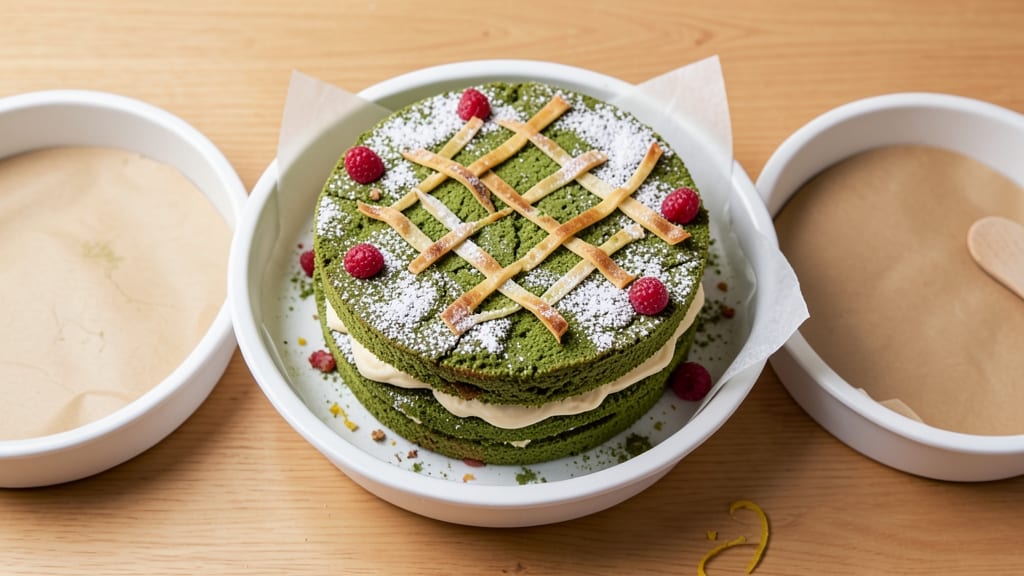
This Asian roll cake recipe transforms your kitchen into a Japanese patisserie with its delicate matcha-infused sponge and velvety cheese filling—no professional skills required. The secret lies in precise baking temperatures and patient rolling, ensuring layers that stay tender yet sturdy enough to slice. I developed this version after years of trial and error, finally achieving that signature "wow" factor with every bite.
The matcha powder lends a vibrant green hue and earthy sweetness that pairs perfectly with the creamy cheese filling, a staple in Japanese roll cakes. Unlike traditional custard or red bean fillings, this version uses a tangy cream cheese blend that stays silky even after chilling.
The key is baking the sponge just until set—overbaking leads to cracks, and we're aiming for perfection.
What you'll end up with is a beautifully rolled cake with crisp edges and a moist interior, cut into neat slices that reveal layers of green and white. The matcha flavor is subtle enough to please both purists and newcomers, while the cheese filling adds a luxurious richness.
This recipe delivers restaurant-quality results with just a few hours of hands-on time.
Serve it at celebrations or as an elegant dessert for dinner guests—it's the kind of treat that makes any occasion feel special. Let's get started on creating your own showstopper roll cake.
Ingredients for asian roll cake
Matcha-infused sponge meets velvety cheese filling—eight ingredients transform your kitchen into a Japanese patisserie.
| Ingredient | Amount | Notes |
|---|---|---|
| All-Purpose Flour 🌾 | 2 ½ cups | Sifted for light texture |
| Granulated Sugar 🍚 | 1 ½ cups | Superfine preferred for smoothness |
| Matcha Powder 🍵 | 2 tbsp | Ceremonial grade for vibrant color |
| Baking Powder 🧂 | 2 tsp | Metal container preferred |
| Salt 🧂 | ¼ tsp | Fine sea salt preferred |
| Large Eggs 🥚 | 4 whole | Room temperature for even mixing |
| Unsalted Butter 🧈 | 1 cup | Cold, cubed for proper creaming |
| Whole Milk 🥛 | ¾ cup | Room temperature for best results |
| Vanilla Extract 🌿 | 1 tbsp | Pure Madagascar preferred |
| Cream Cheese 🧀 | 8 oz | Full-fat, room temperature |
| Powdered Sugar 🍚 | 1 cup | Sifted for smooth filling |
| Heavy Cream 🥛 | ½ cup | Cold for proper whipping |
| Lemon Zest 🍋 | 1 tsp | Freshly grated for brightness |
| Kitchen Wrap 📄 | 1 sheet | For rolling without sticking |
The matcha makes or breaks this cake. Ceremonial grade from Matcha Kari or Ippodo delivers that signature vibrant green and earthy flavor without bitterness. If you can't find it, culinary grade works in a pinch, but expect a stronger taste. The flour should be sifted—this prevents lumps and ensures that tender crumb. For the butter, I always grab Plugrá from the store—it's unsalted and consistently high quality. Room temperature eggs and milk are non-negotiable; cold ingredients lead to dense layers.
No matcha? 1 tbsp instant espresso powder adds depth, though it won't give that signature color. Substitute powdered sugar with superfine granulated sugar if you're in a bind, but sift it well. For the cheese filling, Philadelphia is my go-to, but any full-fat cream cheese works. If you're avoiding dairy, Kite Hill almond milk cream cheese mimics the texture beautifully. The heavy cream should be cold—whipping it at room temperature risks graininess. And if you're short on vanilla, vanilla bean paste adds little flecks of joy.
Store the matcha powder in an airtight container away from light—it stays potent for 6-12 months. The rolled cake keeps beautifully for 3-4 days in the fridge, but the magic happens after chilling for at least 4 hours before slicing. For make-ahead convenience, wrap the whole cake in plastic and freeze it—thaw at room temperature for 2-3 hours before serving. The filling sets perfectly when chilled, so don't rush this step.
Why You'll Love This Recipe
- I’ll be real: matcha isn’t cheap, but a little goes a long way here. The rest of the ingredients? Pantry staples. And since it keeps well wrapped at room temp for days, you’re not scrambling to use it all up before it dries out.
- No Mixer Needed: I swear by this recipe because it’s one-bowl, no-fuss—just whisk the flour, sugar, and matcha together until it’s smooth. Honestly, I’ve made it while my coffee brewed, and the cake still turned out light and fluffy.
- Earthy Matcha Magic: That first bite of vibrant green layers? It’s like a latte in cake form. The matcha’s bitterness balances the sweetness perfectly, and the crumb stays tender without being gummy—no one ever guesses it’s just flour, sugar, and a pinch of baking powder.
- Roll It Anywhere: Between us, this cake is my go-to for picnics, office potlucks, or even a lazy Sunday brunch. You can slice it into neat rectangles, roll it up with cream cheese, or serve it plain—it’s the one dessert that works for every mood.
Step-by-step instructions for matcha roll cake
This delicate matcha-infused cake delivers vibrant layers and a velvety cheese filling every time.
Prepare the Matcha Cake Batter
Preheat your oven to 350°F and line three 8-inch round pans with parchment paper. In a medium bowl, whisk together the 2.5 cups all-purpose flour, 2 tbsp matcha powder, 2 tsp baking powder, and 0.25 tsp salt. Sift the dry ingredients directly into the bowl to prevent clumping.
In a separate large bowl, cream the 1 cup cold cubed unsalted butter and 1.5 cups granulated sugar on medium speed until light and fluffy (3-4 minutes). Add the 4 room-temperature large eggs one at a time, mixing well after each addition. Scrape down the sides of the bowl as needed. Stir in the 0.75 cup whole milk and 1 tbsp vanilla extract until just combined.
Gradually add the dry ingredients to the wet mixture, mixing on low speed until just incorporated. Avoid overmixing—stop when the batter is smooth but still slightly streaked with flour. Divide the batter evenly among the prepared pans and smooth the tops with a spatula.
Bake the Layers to Perfect Doneness
Bake the cake layers for 25-30 minutes, or until a toothpick inserted into the center comes out clean. Rotate the pans halfway through baking for even browning. Let the cakes cool in their pans for 10 minutes, then transfer to a wire rack to cool completely.
Here's the thing—don't rush the cooling. Warm layers will crack when rolled, and the filling won't set properly. I like to let them cool for at least 2 hours before assembling to ensure clean slices and a stable structure.
Prepare the Cheese Filling
In a medium bowl, beat the 8 oz room-temperature cream cheese and 1 cup powdered sugar with an electric mixer until smooth and creamy (2-3 minutes). In a separate chilled bowl, whip the 0.5 cup cold heavy cream to soft peaks, then gently fold it into the cream cheese mixture along with the 1 tsp lemon zest. The filling should be thick but pipeable—if it's too stiff, add 1 tsp milk to loosen.
This is where precision matters most. The filling needs to be cool enough to set properly but not so cold that it cracks when rolled. I keep everything chilled until the final assembly to maintain stability.
Assemble and Roll the Cake
Place one cake layer on a sheet of kitchen wrap, spread ¼ of the filling evenly over the surface, then top with a second layer. Repeat with the remaining filling and final layer. Wrap the entire stack tightly in the kitchen wrap, then chill in the refrigerator for 30 minutes to firm up.
Unwrap the cake and carefully remove the top layer. Using a long serrated knife, trim the edges of the cake to create clean, straight sides. This makes rolling much easier and gives your final cake a professional finish.
Roll and Chill for Final Setting
Starting from the long side, gently roll the cake into a log using the kitchen wrap as a guide. Press lightly to maintain the shape, then wrap the rolled cake tightly in fresh kitchen wrap. Chill in the refrigerator for at least 4 hours, preferably overnight, to allow the filling to fully set and the layers to meld.
When ready to serve, unwrap the cake and slice into ½-inch thick pieces. The matcha layers should be tender with a subtle earthy sweetness, while the cheese filling remains silky and bright from the lemon zest. Serve at room temperature for the best texture contrast.
Pro Tips For Making Asian Roll Cake
- Sift the Matcha First: Mixing matcha powder directly into the flour often leads to clumps that ruin the texture. Whisk it with the sugar first—it dissolves better and distributes evenly, so every bite has that bright, consistent flavor.
- Bake at 325°F, Not Hotter: I used to blast the oven to 350°F, thinking it’d speed things up—until the edges burned while the center stayed dense. Stick to 325°F for a slow, even rise. The cake’s delicate layers depend on it.
- Don’t Overmix the Batter: After burning three batches of dense matcha brick, I finally stopped folding the batter like I was kneading dough. Mix just until the flour disappears—overworking it develops gluten, and your roll cake will turn out tough instead of light.
- Rest the Cake Before Rolling: Skipping the 10-minute rest after baking is a shortcut I regret. The cake’s too hot to roll, and the filling oozes out like a sad, greasy mess. Let it cool slightly—your filling will stay put, and the layers won’t tear.
Common mistakes when making great asian roll cake
Overbaking the Sponge
The biggest mistake I see is baking the matcha sponge layers too long. When the toothpick comes out clean at 25-30 minutes, remove them immediately—even a few extra minutes turns the cake dry and crumbly.
Overbaked layers crack when rolled and absorb filling unevenly. I've ruined three cakes this way, so trust the toothpick test and set a timer as backup. 🍵
Skipping the Cooling Phase
Rushing to roll warm cake layers is a recipe for disaster. The filling won't set properly, and you'll end up with a messy, unrollable log. Let the layers cool completely on a wire rack for at least 2 hours—I wait 3-4 hours for perfect results.
Pro tip: Place the pans upside down after baking to prevent doming. This patience ensures clean slices and a stable structure.
Uneven Filling Distribution
Spread the cheese filling too thin, and you'll get dry cake edges. Too thick, and you'll have filling oozing out when sliced. Aim for ¼ cup per layer (about 2 tbsp spread evenly).
I use an offset spatula to smooth the filling to within ½ inch of the edges. Uneven filling causes the cake to roll unevenly and look amateurish.
Wrong Rolling Technique
Many people try to roll the cake without kitchen wrap, which leads to sticking and tearing. Always use plastic wrap or parchment paper as your guide—it prevents the filling from squeezing out and helps maintain the shape.
Start rolling from the long side (not the edge) and keep the roll tight as you go. I press gently with my hands to create even pressure along the entire length.
Chilling Too Briefly
Cutting into the cake before it's properly chilled results in messy slices and runny filling. The absolute minimum is 4 hours, but I prefer overnight chilling for the best texture. The filling needs time to set completely, and the layers to meld together.
If you're in a hurry, pop it in the freezer for 2 hours—just let it come to room temperature before serving.
Ignoring the Edge Trim
Skipping the edge trim is a rookie mistake that makes rolling difficult and creates an uneven final product. Use a long serrated knife to trim the edges of each layer before assembling.
This creates clean, straight sides that roll smoothly. I trim about ¼ inch from each edge—this small step makes a huge difference in presentation and ease of rolling. 💡
Nutrition facts
Frequently asked questions
Can I substitute matcha powder with another green tea?
Regular green tea won't work—the powder needs to be finely ground matcha for proper flavor and color. If you can't find matcha, try culinary-grade matcha (stronger taste) or 1 tbsp instant espresso powder for depth, though the color will differ. For visual appeal, ceremonial-grade matcha is ideal—it dissolves smoothly and gives that signature vibrant green hue.
How do I prevent cracks when rolling the cake?
Cracks happen when layers are too warm or the filling is uneven. Always chill assembled layers for 30 minutes before rolling, and trim edges to ¼ inch for clean sides. Use kitchen wrap as your rolling guide to maintain shape—press gently but firmly to avoid air pockets that cause cracks. Patience is key: wait 4+ hours before slicing.
What's the best way to store leftover roll cake?
Wrap tightly in plastic wrap and store in the fridge for 3-4 days—the filling stays fresh but may firm up slightly. For longer storage, freeze the whole cake for up to 1 month. Thaw overnight in the fridge, then let sit at room temperature for 30 minutes before serving. Avoid reheating—this cake is best enjoyed cold or at room temperature for optimal texture.
Can I make this cake without dairy?
Yes! Replace the butter with vegan butter (like Miyoko's) and cream cheese with Kite Hill almond milk cream cheese. Use coconut milk instead of whole milk, and heavy cream can be swapped for coconut cream (chilled overnight). The texture will be slightly lighter, but the matcha flavor remains the star. For binding, add 1 tbsp aquafaba to the batter.
Why did my cake turn out dense instead of light?
Overmixing the batter or using cold eggs/milk are common culprits. Always mix just until combined, and ensure all ingredients are room temperature. Another issue? Overbaking—remove layers when a toothpick comes out clean (25-30 minutes at 350°F). For extra lightness, sift the flour and fold in gently after creaming butter and sugar.