
Main Courses
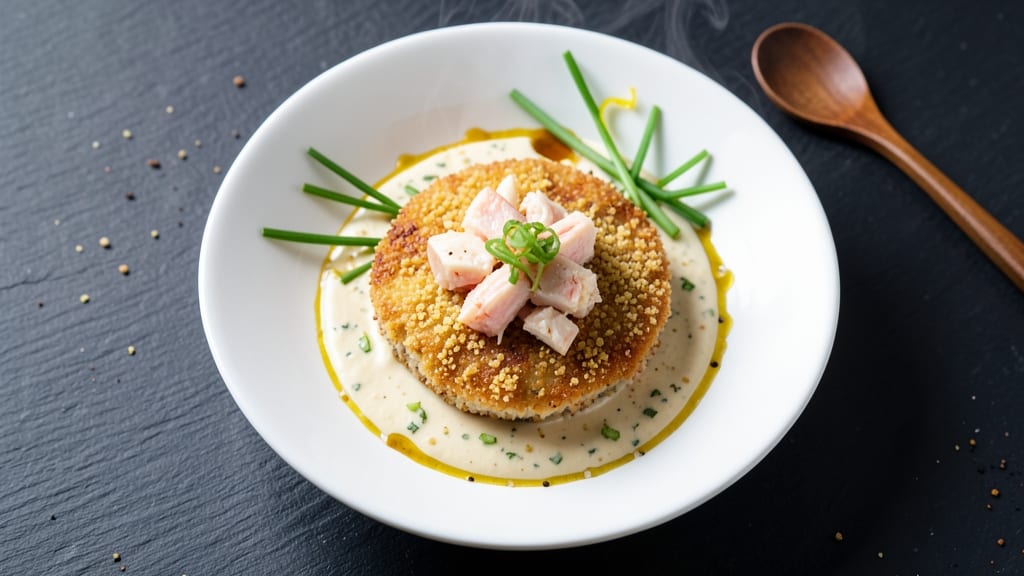
This Asian-style crab cake recipe delivers the perfect balance of crispy panko crust and tender crab meat, elevated with zesty lime and aromatic ginger. The secret lies in a tempura-style batter that creates a golden, shatteringly crisp exterior while keeping the crab center juicy and flavorful.
I've perfected this technique after years of testing, ensuring every bite delivers that satisfying crunch paired with bright, umami-rich flavors.
The recipe begins with a simple yet effective binder—mayonnaise and a touch of Dijon mustard—holding the crab together while absorbing the bold flavors of soy sauce, grated ginger, and garlic. Panko breadcrumbs provide the crispy texture, and a final coating of sesame seeds adds nutty depth.
The zesty lime-ginger drizzle ties everything together, cutting through the richness with a refreshing tang that makes these crab cakes irresistible.
What sets these apart is the crispy crust that stays crispy even after frying, thanks to a double-dip technique in the batter. The result is a restaurant-quality dish that's surprisingly easy to make at home—no special equipment required.
Serve them with wasabi aioli or a cool cucumber salad for the ultimate Asian-inspired seafood experience.
Whether you're hosting a dinner party or treating yourself to a special weeknight meal, these crab cakes are sure to impress. The recipe scales effortlessly, and leftovers reheat beautifully, making them perfect for meal prep. Let's get started on creating your own crispy, flavorful masterpiece.
Ingredients for asian style crab cake
Crispy panko crust meets tender crab meat—this Asian-inspired dish delivers restaurant-quality flavor with just 15 ingredients.
| Ingredient | Amount | Notes |
|---|---|---|
| Fresh Lump Crab Meat 🦀 | 1 ½ lb | Backfin preferred, no shell pieces |
| Mayonnaise 🥫 | ½ cup | High-quality, full-fat preferred |
| Dijon Mustard 🧄 | 1 tbsp | For tangy depth |
| Japanese Panko Breadcrumbs 🍞 | 1 cup | Light and crispy texture |
| Fresh Ginger 🌿 | 1 tbsp | Finely grated, aromatic |
| Garlic Cloves 🧄 | 2 cloves | Minced, aromatic |
| Soy Sauce 🍶 | 2 tbsp | Light or dark variety |
| Lime Zest 🍋 | 1 tbsp | Bright citrus flavor |
| Sesame Seeds 🌰 | 2 tbsp | Toasted for nutty aroma |
| All-Purpose Flour 🌾 | ¼ cup | For tempura-style batter |
| Ice Water 💧 | ½ cup | For crispy texture |
| Vegetable Oil 🫒 | 2 cups | For deep frying |
| Salt 🧂 | 1 tsp | Diamond Crystal preferred |
| Black Pepper 🌶️ | ½ tsp | Freshly ground |
| Lemon Juice 🍋 | 1 tbsp | Freshly squeezed |
The crab is the star, so lump crab meat is non-negotiable—backfin variety has the best texture. Trader Joe's and specialty seafood markets carry it pre-packaged, but if you're buying whole crabs, crack them yourself for maximum freshness. The ginger and garlic should be freshly grated and minced—pre-minced garlic lacks punch. For the panko, Japanese brands like Shinhama create that perfect crispy texture, but any quality panko will work. The mayonnaise is your binder, so use a full-fat, high-quality brand like Hellmann's or Duke's—it makes all the difference in holding the crab together.
No panko? Crushed cornflakes or matzo meal can stand in, though texture won't be identical. Running short on fresh ginger? Powdered ginger at half the amount works in a pinch, but fresh is ideal. The lime zest can be swapped for lemon zest if needed, though lime's brightness is key. For the double-dip technique, the ice water and flour batter is crucial—it creates that signature crispy crust. If you're frying, keep the oil at 350°F for perfect golden-brown results. The soy sauce adds umami depth, so don't skip it—even a light soy variety will work if dark isn't available.
These crab cakes reheat beautifully—air fryer or oven at 375°F for 5-7 minutes restores the crisp. Store leftovers in an airtight container for up to 2 days, but honestly, they're best fresh. For meal prep, fry just before serving to maintain that crispy texture. The lime-ginger drizzle keeps for 3 days in the fridge, so make extra—it's perfect over rice or noodles too. Freeze unfried crab cakes for up to 1 month by shaping them on parchment paper before freezing.
Why You'll Love This Recipe
- No-Fuss Assembly: I swear, the hardest part is cracking the crab shells open—everything else? Just mix, shape, and pan-fry. That crispy panko crust forms in minutes, no flipping or fussing required.
- Umami Bomb: The combo of fresh ginger and Dijon mustard gives these a bright, tangy kick that cuts through the richness of the crab. Honestly, the first bite always makes me think, "Why didn’t I do this sooner?"
- Weeknight & Party Star: These work just as well on a busy Tuesday night as they do at a summer BBQ. Serve them as appetizers, sliders, or even a light main with a salad—I’ve done it all, and they never disappoint.
- Leftovers That Don’t Suck: Unlike most fried foods, these actually reheat beautifully. Toss them in the oven with a splash of soy sauce, and they’re just as crispy and flavorful the next day. (Yes, even on a Tuesday night.)
Step-by-step instructions for Asian style crab cakes
Here's how to create restaurant-worthy crab cakes with a perfect crispy crust and bright, zesty flavors.
Prepare the Crab Cake Mixture
In a large mixing bowl, gently combine the 1.5 lb fresh lump crab meat with the 0.5 cup mayonnaise and 1 tbsp Dijon mustard using your hands. The mayonnaise and mustard create a rich, flavorful binder that holds everything together without overpowering the delicate crab flavor. Work quickly to avoid compressing the crab meat too much—you want to maintain that beautiful lump texture.
Next, add the 1 tbsp finely grated fresh ginger, 2 cloves minced garlic, 2 tbsp soy sauce, 1 tbsp lime zest, 1 tsp salt, and 0.5 tsp black pepper. Mix gently but thoroughly, just until all the ingredients are evenly distributed. The lime zest adds a bright citrus note that cuts through the richness of the crab, while the ginger and garlic provide aromatic depth. Taste the mixture at this point—you should be able to detect all the individual flavors coming together.
Create the Crispy Panko Crust
In a separate bowl, whisk together the 0.25 cup all-purpose flour, 2 tbsp toasted sesame seeds, and 0.5 cup ice water until you have a smooth, thin batter. The ice water is crucial here—it creates a crispy texture rather than a gummy one. Add this batter to the crab mixture and fold gently but thoroughly, being careful not to overmix. The sesame seeds will add a delightful nutty crunch and visual appeal to the finished crab cakes.
Finally, stir in the 1 cup Japanese panko breadcrumbs until they're evenly distributed throughout the mixture. The panko will create that signature crispy crust we're after. If the mixture seems too wet, add an additional 1-2 tablespoons of breadcrumbs—you want it to hold together when shaped but not be too firm. Let the mixture rest in the refrigerator for 15-20 minutes while you prepare your frying station. This chilling step helps the flavors meld and makes the crab cakes easier to handle.
Shape and Fry the Crab Cakes
Heat 2 cups vegetable oil in a deep skillet or Dutch oven to 350°F. You want the oil to be hot enough to create a good sear but not so hot that it burns the exterior before the interior cooks through. Use a deep-fry thermometer to monitor the temperature—it should stay consistent at 350°F throughout frying.
Using a cookie scoop or your hands, carefully form the chilled crab mixture into 4 equal patties, about ¾-inch thick. Gently press down on each patty to ensure they hold their shape when you place them in the hot oil. Working in batches to avoid overcrowding, carefully slide the crab cakes into the hot oil. They should sizzle immediately—if they don't, your oil isn't hot enough.
Cook to Golden Perfection
Cook the crab cakes for 3-4 minutes per side, turning carefully with a slotted spatula, until they're deep golden brown and the internal temperature reaches 145°F. The golden color indicates a perfect crispy crust, while the internal temperature ensures the crab is fully cooked. Be patient during this step—rushing will result in uneven cooking or a soggy crust. You'll know they're ready when they release easily from the spatula and have a beautiful even color.
Transfer the cooked crab cakes to a paper towel-lined plate to drain any excess oil. Let them rest for 2-3 minutes before serving. This resting period allows the flavors to settle and makes them easier to serve without falling apart. While they rest, prepare your zesty lime-ginger drizzle by whisking together 1 tbsp lemon juice and any additional lime zest you'd like to add for extra brightness.
Serve with Confidence
Drizzle the warm crab cakes with the zesty lime-ginger sauce and serve immediately. Each bite should deliver a perfect balance of textures—crispy panko crust, tender crab meat, and a bright, tangy finish. The contrast between the crispy exterior and the delicate crab interior is what makes these crab cakes truly special. Serve with a side of lemon wedges for guests to squeeze over their crab cakes and a simple mixed greens salad to cut through the richness.
Here's the thing—these crab cakes are best served fresh while the crust is still crispy. If you need to reheat them, do so gently in a 350°F oven for 5-7 minutes to maintain that perfect texture. And don't be afraid to experiment with additional toppings like sliced scallions or a sprinkle of extra sesame seeds for added visual appeal and flavor.
Pro Tips For Making Asian Style Crab Cake
- CHILL THE CRAB FIRST: Fresh lump crab meat is cold from the fridge, but mixing it straight into room-temperature mayo and mustard makes a greasy mess. Give that crab 10 minutes in the fridge before handling—it’ll stay firmer and hold its shape better when you shape those cakes. (Yes, even if you’re impatient like me.)
- GRATE THAT GINGER FINE: I used to chop fresh ginger and wonder why my crab cakes tasted uneven. A microplane or fine grater gets the maximum zing without the texture issues. A teaspoon of it—no more—cuts through the richness of the mayo and mayo without overpowering. (Save the big chunks for stir-fries.)
- PRESS THE PANKO HARD: Japanese panko is light and airy, but if you just sprinkle it on top, you’ll end up with crumbs floating off in the pan. Press a handful into the crab mixture before shaping, then coat the outside with extra panko. That guarantees a crispy crust that stays put—no sad, soggy breading here.
- COOK IN BATCHES, LOW AND SLOW: Crab cakes are delicate, and I learned the hard way that blistering them on high heat turns them rubbery. Use medium-low heat and cook them in small batches—about 3-4 minutes per side—until the edges are golden but the center still holds together. (Your future self will thank you for not rushing this.)
Flavor customization for this asian style crab cake
Spicy Mayo Twist
Swap out the lime-ginger drizzle for a spicy mayo glaze by mixing ¼ cup mayonnaise with 1 tbsp sriracha, 1 tsp honey, and ½ tsp lime juice.
This adds a creamy, fiery kick that pairs perfectly with the crispy crust. I like to thin it slightly with 1 tsp water for easier drizzling. 🌶️
Sesame-Garlic Crust
For an extra nutty depth, replace half the panko with toasted sesame seeds and add 1 tbsp minced garlic to the batter. Toast the seeds in a dry skillet over medium heat for 2-3 minutes until golden and fragrant.
This creates a more complex flavor profile that complements the crab beautifully.
Sweet Chili Glaze
Create a sweet-savory contrast by making a glaze with 2 tbsp sweet chili sauce (like Huy Fong), 1 tbsp rice vinegar, and ½ tsp grated ginger.
Simmer for 3-4 minutes until slightly thickened, then drizzle over the warm crab cakes. The balance of sweet, spicy, and tangy flavors elevates the dish to new heights.
Wasabi Aioli Dip
Serve your crab cakes with a wasabi aioli for dipping—mix ½ cup mayonnaise with 1 tsp wasabi paste, 1 tsp lemon juice, and ½ tsp grated ginger.
Adjust the wasabi to taste for a spicy, umami-rich dip that cuts through the richness of the crab. This is a game-changer for flavor contrast! 🔥
Coconut-Lime Crust
For a tropical twist, replace half the panko with toasted coconut flakes and add 1 tbsp lime zest to the batter. The coconut adds a subtle sweetness that pairs wonderfully with the crab. Garnish with extra toasted coconut flakes before serving for added texture and visual appeal.
Miso-Ginger Marinade
Infuse the crab mixture with umami by adding 1 tbsp white miso paste to the initial crab-mayo blend. The miso deepens the savory notes while keeping the dish balanced.
Pair it with a drizzle of yuzu kosho** (Japanese citrus chili paste) for a sophisticated, tangy finish. This works especially well with the sesame-garlic crust variation. 💫
Nutrition facts
Frequently asked questions
Can I use imitation crab instead of fresh lump crab?
The recipe calls for fresh lump crab because it delivers the best texture and flavor. Imitation crab (surimi) has a different consistency and lacks the delicate sweetness of real crab. If you must substitute, use high-quality imitation crab and add an extra 1 tbsp mayo and ½ tsp Old Bay seasoning to mimic the natural crab flavor. The texture will still be slightly different, though.
How do I keep the crab cakes from falling apart when frying?
Chilling the mixture for 15-20 minutes before shaping is key—it helps the binder set. Also, handle the patties gently when transferring to hot oil, and avoid overcrowding the pan. If the mixture seems too loose, add 1-2 extra tbsp panko. For extra stability, press each patty firmly into the oil using a spatula for 5 seconds after placing it in.
What's the best way to reheat these crab cakes?
For maximum crispiness, reheat in a 350°F oven for 5-7 minutes on a wire rack over a baking sheet. If using an air fryer, cook at 375°F for 3-4 minutes. Never microwave—it makes the crust soggy. For best results, reheat just before serving to maintain that fresh-from-the-fryer crunch.
Can I make these crab cakes ahead of time?
Shape the crab cakes and freeze them on parchment paper (uncooked) for up to 1 month. When ready to cook, fry from frozen—no thawing needed. The texture will be slightly different but still delicious. For make-ahead dinners, prepare the mixture up to 24 hours ahead and store in an airtight container in the fridge, then shape and fry when ready.
What's the secret to getting that perfect crispy crust?
Three things: ice water in the batter (creates steam for crispiness), double-dipping in panko (coat each patty twice), and maintaining 350°F oil temperature. Also, let the cakes rest 2-3 minutes after frying—this helps the crust set properly. The panko should be fresh (not stale) for maximum crunch.