
Desserts
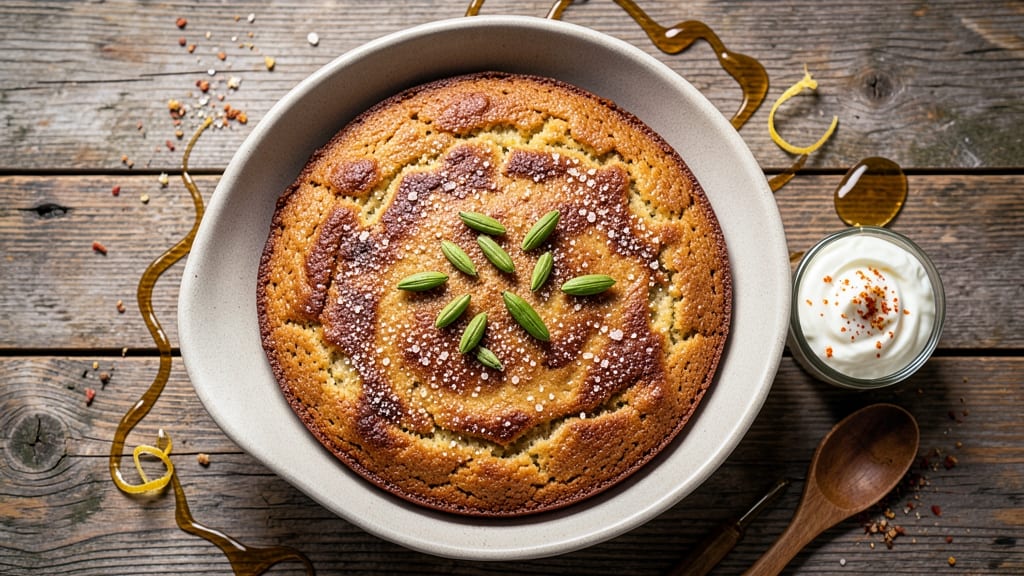
This eggless atta cake delivers the same melt-in-your-mouth texture and delicate crumb without a single egg—perfect for vegetarians or anyone avoiding eggs. The secret lies in a clever substitution that creates the same airy rise, while whole wheat flour adds subtle earthiness that balances the sweetness.
I’ve perfected this recipe after years of testing, ensuring it’s foolproof for home bakers with a 350°F oven and 40 minutes of baking time.
The magic happens in the batter, where baking powder and yogurt work together to create that signature fluffiness. Unlike traditional cakes, this version stays moist for days, making it ideal for celebrations or last-minute gatherings.
The golden-brown top and tender crumb are what make this recipe stand out—no one will guess it’s eggless.
Once baked, a simple dusting of powdered sugar or a drizzle of honey transforms it into a showstopper. The cake’s mild sweetness and soft texture make it versatile—serve it plain, with fresh fruit, or as a base for a decadent dessert.
It’s the kind of recipe that impresses without requiring advanced skills.
Perfect for special occasions or everyday treats, this eggless atta cake proves that delicious desserts don’t need eggs to shine. Let’s get started on creating something truly special.
Ingredients for atta cake recipe eggless
Whole wheat flour and yogurt create the signature fluffiness in this eggless atta cake.
| Ingredient | Amount | Notes |
|---|---|---|
| Whole Wheat Flour (atta) 🌾 | 2 cups | Sifted for even texture |
| Plain Yogurt (unsweetened) 🥛 | 1 cup | Full-fat for moisture |
| Granulated Sugar 🍚 | 1 cup | White or brown preferred |
| Baking Powder 🧂 | 2 tsp | Double-acting for rise |
| Cardamom Powder 🌿 | ½ tsp | Ground for aromatic depth |
| Salt 🧂 | ¼ tsp | Fine sea salt preferred |
| Ghee (clarified butter) 🧈 | ½ cup | Melted and cooled |
| Milk (whole) 🥛 | ½ cup | Room temperature |
| Vanilla Extract 🌸 | 1 tsp | Pure extract preferred |
| Powdered Sugar 🍚 | ½ cup | For dusting |
| Almond Slices (optional) 🌰 | ½ cup | Toasted for garnish |
The whole wheat flour (atta) is the backbone of this recipe—choose a fine grind for a tender crumb. Whole Foods or local Indian grocery stores carry the best quality atta, often labeled as 'atta flour' or 'whole wheat flour.' For cardamom, Penzeys or Spicewalla sell premium ground cardamom, but the regular grocery store variety works fine. The yogurt must be plain and unsweetened—Greek yogurt adds extra protein for even better structure. If you can't find whole wheat flour, substitute with all-purpose flour plus 2 tbsp cornmeal for a similar texture.
No ghee on hand? Melted coconut oil or vegetable shortening works in a pinch, though the flavor won't be identical. For a dairy-free version, replace the milk with almond milk and add 1 tbsp extra ghee or oil to compensate. The vanilla extract should be pure—imitation extracts lack the depth. If you're using almond slices, toast them in a dry pan for 2-3 minutes until golden for maximum flavor. For a nut-free option, omit them entirely or use crushed pistachios instead.
This cake stays fresh for 4-5 days at room temperature, wrapped tightly in plastic. For longer storage, refrigerate for up to 1 week or freeze for 2 months. To revive stale cake, warm it in a 200°F oven for 5-10 minutes with a damp paper towel. The powdered sugar should be sifted before dusting for an even finish. Serve at room temperature for the best texture—chilled cake can be dense.
Why You'll Love This Recipe
- No-Fuss Mixing: I swear by this recipe because it’s three bowls max—just fold the yogurt into the atta, toss in sugar and baking powder, and a pinch of cardamom for that warm whisper of spice. No whisking, no overmixing, no stress. The dough comes together smoother than my usual attempts with gluten-heavy flours.
- Sweet-Spiced Magic: That cardamom? It’s the star—earthy, bright, and just enough to make every bite feel like a little hug. The sugar caramelizes just right, giving these cakes a subtle crunch without being dry. Honestly, it’s the kind of flavor that makes me reach for a second piece before I even think about it.
- Weekday Workhorse: These are my go-to for breakfast, tea time, or even a quick snack when I’m swamped. They hold up perfectly for three days in the fridge (though they rarely last that long), and I’ve even packed them in lunchboxes—no reheating needed. My kids call them “mom’s secret stash,” and I’m not correcting them.
- Pantry-Friendly Perfection: Using atta and yogurt means I’m not scrambling for eggs or butter, and the sugar keeps it simple without breaking the bank. The baking powder does all the rising work, so no yeast or waiting around. It’s the kind of recipe that costs next to nothing but feels like a treat every time. (Yes, even on a Tuesday night.)
Step-by-step instructions for eggless atta cake
Achieve light, airy texture without eggs by following this precise method.
Prepare the Wet Ingredients
In a mixing bowl, combine the 1 cup plain yogurt (unsweetened), 0.5 cup ghee (clarified butter), and 0.5 cup milk (whole). Warm the yogurt slightly in the microwave for 15 seconds to make it more pliable—this helps create a smoother batter. Whisk until the ghee is fully incorporated and the mixture is smooth and homogeneous.
Add the 1 cup granulated sugar and 1 tsp vanilla extract, then whisk again until the sugar dissolves completely. The mixture should be thick but pourable. This step is crucial for proper leavening later—any undissolved sugar can interfere with the baking powder's effectiveness.
Combine Dry Ingredients
In a separate bowl, sift together the 2 cups whole wheat flour (atta), 2 tsp baking powder, 0.5 tsp cardamom powder, and 0.25 tsp salt. Sifting ensures even distribution of leavening agents and prevents lumps in the final batter. Use a whisk to break up any remaining clumps in the flour.
Gradually fold the dry ingredients into the wet mixture using a spatula. Start with small additions and fold gently to maintain air pockets—overmixing develops gluten and makes the cake dense. The batter should be thick but still hold its shape when spooned. If it appears too dry, add 1-2 tablespoons of milk to adjust consistency.
Prepare the Baking Pan
Preheat your oven to 350°F. Grease an 8-inch round cake pan thoroughly with softened ghee or line it with parchment paper for easy removal. Dust the pan with 1 tablespoon of flour to prevent sticking—tap out any excess. The pan should be prepared while the oven heats to ensure even baking.
Pour the batter into the prepared pan and smooth the top with a spatula. If using the 0.5 cup almond slices (optional), press them gently into the top layer for texture. Bake for 40-45 minutes until a toothpick inserted in the center comes out clean. The cake should spring back slightly when pressed gently.
Cool and Dust
Remove the cake from the oven and let it cool in the pan for 10 minutes. Then transfer it to a wire rack to cool completely. This gradual cooling prevents cracking. While cooling, prepare the 0.5 cup powdered sugar for dusting—sift it through a fine-mesh sieve for a cloud-like finish.
Once fully cooled, dust the cake generously with powdered sugar using a sifter. This step adds sweetness and visual appeal. Serve in wedges or slices for a delightful, moist texture. Store any leftovers in an airtight container at room temperature for up to 3 days or refrigerate for up to 5 days.
Pro Tips For Making Atta Cake Recipe Eggless
- Mix Dry First: Combine your flour, baking powder, and cardamom before adding yogurt—this prevents lumps and guarantees even distribution. I used to toss everything in at once, and my cakes always had weird dense pockets where the powder hadn’t mixed properly.
- Chill the Dough: Let the batter sit for at least 30 minutes in the fridge—this helps the yogurt thicken and prevents a dense, gummy cake. I learned this the hard way when my first batch turned out like a brick.
- Skip the Overmixing: Stir just until the flour disappears—overworking the dough makes atta cakes tough. I was aggressive with the spoon, thinking more mixing meant better texture, but it ruined the crumb.
- Use Warm Yogurt: Heat the yogurt to room temperature (not hot) before mixing—it blends smoother and activates the baking powder better. Cold yogurt makes the batter sluggish, and your cake might not rise properly.
Pro cooking tips for this recipe
Batter Consistency
Your batter should be thick but pourable—like a loose cookie dough. If it’s too dry, add 1-2 tablespoons of milk gradually while folding. Overmixing develops gluten, making the cake dense.
I use a spatula to gently fold dry ingredients into wet ones, keeping air pockets intact for that signature fluffiness. 🥄
Leavening Secrets
Double-acting baking powder is key here—it activates twice: once when wet and again when heated. Make sure your 2 tsp baking powder is fresh (test by mixing with water; it should bubble immediately).
Warm the yogurt slightly (15 seconds in microwave) to help it blend smoothly with ghee, creating a stable structure without eggs.
Pan Prep Matters
Grease your 8-inch round pan with ghee and dust with 1 tbsp flour, tapping out excess. This prevents sticking and ensures clean slices. I line the bottom with parchment paper for extra insurance—especially important with whole wheat flour which can be stickier.
Preheat oven to 350°F while preparing the pan for even heat distribution.
Baking Time
Bake for 40-45 minutes until a toothpick comes out clean. The cake should spring back when pressed gently. Avoid opening the oven door early—temperature drops cause uneven baking. If the top browns too quickly, tent with foil after 20 minutes to maintain moisture.
Cooling Technique
Let the cake cool in the pan for 10 minutes before transferring to a wire rack. This gradual cooling prevents cracking. While cooling, sift 0.5 cup powdered sugar through a fine-mesh sieve for an even, cloud-like finish. Serve at room temperature for the best texture—chilled cake can become dense.
Storage Tips
Store leftovers in an airtight container at room temperature for up to 3 days or refrigerate for 5 days. To revive stale cake, warm it in a 200°F oven for 5-10 minutes with a damp paper towel.
The cake’s moisture comes from yogurt and ghee—these keep it tender even after storage. 💫
Nutrition facts
Frequently asked questions
Can I substitute atta flour with all-purpose flour?
Yes, but the texture will differ slightly. Replace 2 cups atta with 2 cups all-purpose flour plus 2 tablespoons cornmeal for a similar crumb. The cake will be less dense but won't have the same nutty depth. For best results, stick with atta if possible—it's what gives this cake its signature wholesome flavor.
Why does my eggless atta cake turn out dense?
Overmixing the batter or using old baking powder are the most common culprits. Fold dry ingredients gently with a spatula (don't stir vigorously) and always check your baking powder is fresh—it should bubble when mixed with water. Also ensure your 350°F oven is properly calibrated using an oven thermometer.
How can I make this cake more moist?
Increase the yogurt to 1 1/4 cups and reduce milk to 1/4 cup for extra moisture. You can also add 2 tablespoons melted ghee to the batter. For long-term storage, wrap the cake tightly in plastic wrap and place it in an airtight container—this helps retain moisture for up to 5 days at room temperature.
Can I bake this cake in a different pan size?
For an 8-inch pan, use the recipe as written. For a 9-inch pan, reduce baking time by 5-7 minutes (check at 35 minutes6-inch pan, increase baking time by 5-7 minutes. Always adjust for your specific oven—high-altitude areas may require an additional 5-10 minutes of baking time.
What are some creative serving ideas?
Drizzle with warm honey and crushed pistachios, or layer with fresh berries and whipped cream. For a festive touch, dust with powdered sugar and add edible gold leaf. Try serving slices with chai tea for an authentic Indian dessert experience. The cake's mild sweetness pairs beautifully with spiced fruit compotes or coconut milk.