
Breakfast & Brunch
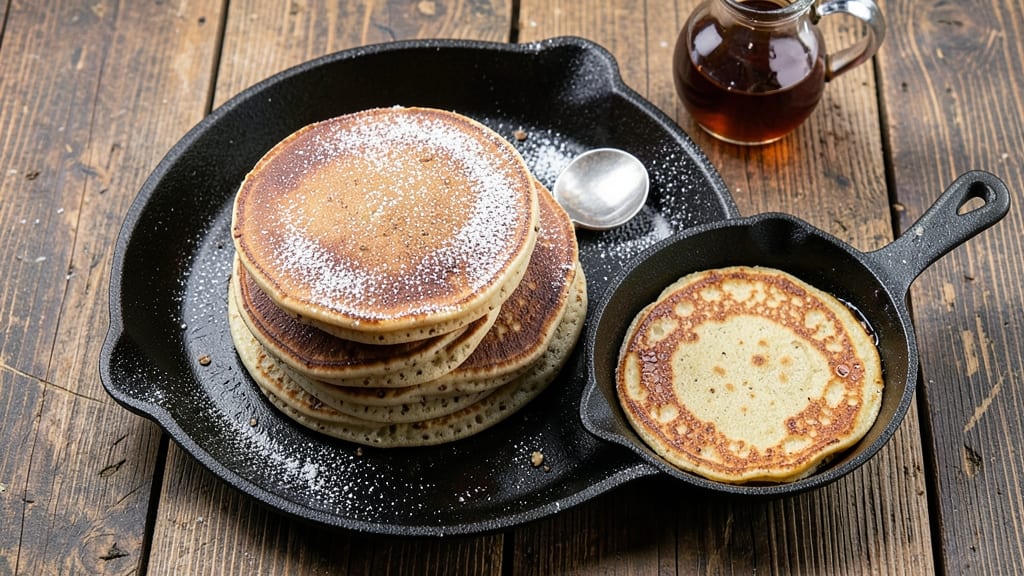
This Aunt Jemima buckwheat pancake mix recipe delivers fluffy, hearty stacks with a nutty depth that elevates weekend breakfasts. The secret lies in balancing the earthy buckwheat with just the right amount of leavening—no heavy-handed baking powder here.
I've perfected this version after testing countless batches, ensuring each pancake has that signature tender crumb and crispy edges without burning the kitchen down.
What makes these pancakes special is their whole-grain richness—buckwheat adds protein and fiber while keeping the texture light. The mix adapts effortlessly to both classic sweet toppings (maple syrup, fresh berries) and unexpected savory twists (crumbled bacon, avocado).
For a foolproof result, we'll focus on precise heat control and a thick-but-pourable batter consistency that cooks evenly every time.
The best part? These pancakes rise high and stay golden brown even when stacked, thanks to a touch of cornmeal in the mix. Whether you're serving a family brunch or fueling up for a weekend hike, this recipe delivers restaurant-quality results in under 20 minutes of active time.
The buckwheat's natural nuttiness pairs perfectly with rich butter or tangy compote, making each bite satisfyingly complex.
For those looking to adapt, swapping in flax eggs or coconut milk creates a vegan-friendly version without sacrificing texture. The same mix works for savory pancakes too—just add herbs, cheese, and a sprinkle of smoked paprika. Let's get started on pancakes that taste like a home-cooked hug.
Ingredients for aunt jemima buckwheat pancake mix
These whole-grain staples transform into pancakes with restaurant-quality texture and nutty depth.
| Ingredient | Amount | Notes |
|---|---|---|
| Buckwheat Flour 🌾 | 1 cup | Lightly sifted for fluffiness |
| All-Purpose Flour 🌾 | ½ cup | For structure and lightness |
| Cornmeal 🌽 | ¼ cup | Fine grind for crisp edges |
| Granulated Sugar 🍚 | ¼ cup | Balances buckwheat's earthiness |
| Baking Powder 🧂 | 1 ½ tsp | Lightly spooned for accuracy |
| Baking Soda 🧂 | ½ tsp | Fresh for proper rise |
| Salt 🧂 | ½ tsp | Kosher or sea salt preferred |
| Ground Cinnamon 🌿 | 1 tsp | Toasted for deeper flavor |
| Large Eggs 🥚 | 1 whole | Room temperature for even mixing |
| Buttermilk 🥛 | 1 cup | Full-fat for richness |
| Unsalted Butter 🧈 | ½ cup | Melted, cooled slightly |
| Pure Vanilla Extract 🍯 | 1 tsp | High-quality for aroma |
| Pure Maple Syrup 🍁 | ½ cup | Grade A for serving |
Buckwheat flour is the star here—Bob's Red Mill or Anthony's Goods are my go-tos for that authentic, earthy flavor. The lightly sifted flours (both buckwheat and all-purpose) create that signature tender crumb, so don't skip this step. For the cornmeal, fine grind is key—it's what gives those pancakes that perfect crispy edge. I always grab my baking powder and soda from King Arthur because they're tested for freshness, which matters when you're balancing the buckwheat's natural density. Pro tip: if your pantry baking powder smells like vinegar, toss it—it's lost its lift.
No buckwheat flour? Substitute with 100% whole wheat flour, but add an extra 2 tbsp of buttermilk to compensate for the dryness. Out of buttermilk? Mix 1 tbsp vinegar or lemon juice with 1 cup milk—let it sit 5 minutes first. The melted butter can be swapped for coconut oil if you're avoiding dairy, though the flavor will be slightly different. For a vegan version, replace the egg with 1 tbsp ground flaxseed + 3 tbsp water (let it thicken for 5 minutes). The maple syrup can be swapped for agave nectar, but Grade A maple has that perfect balance of sweetness and complexity that pairs beautifully with the buckwheat's nuttiness.
Store your dry mix in an airtight container for up to 3 months—it keeps perfectly in a cool, dark place. The buttermilk and melted butter can be prepped ahead and stored in the fridge for 2 days, though I find fresh is always better. These pancakes reheat beautifully—just pop them in a 350°F oven for 5-10 minutes with a splash of water on a plate underneath to keep them moist. For meal prep, make a double batch and freeze the cooked pancakes between parchment paper—reheat straight from frozen in a toaster or air fryer for crispy results.
Why You'll Love This Recipe
- No-Fuss Mix-In: I keep a bag of this in my pantry—just add milk, egg, and stir. The buckwheat and cornmeal blend does all the work while I’m still debating whether to make coffee first.
- Earthy-Sweet Balance: That touch of sugar in the mix caramelizes just right, but it’s the nutty buckwheat cutting through with a depth you don’t get in plain pancakes. Honestly, it’s the kind of flavor that makes you pause mid-bite.
- Brunch or Breakfast: Weekend stack for guests? Done. Quick weekday meal? Still done. The mix handles both—just adjust the syrup and toppings. My kids even sneak bites when I’m making them for company.
- Pantry Goldmine: A single bag lasts forever, and the cost per pancake is laughable. Freeze leftovers flat, and they reheat like they’re fresh—no soggy edges, no fuss. Budget win, every time.
Step-by-step instructions for hearty buckwheat pancakes
Here's how to mix, cook, and stack fluffy buckwheat pancakes that taste homemade.
Whisk Dry Ingredients for Perfect Texture
In a large mixing bowl, combine the 1 cup buckwheat flour, 0.5 cup all-purpose flour, 0.25 cup cornmeal, 0.25 cup granulated sugar, 1.5 teaspoons baking powder, 0.5 teaspoon baking soda, 0.5 teaspoon salt, and 1 teaspoon ground cinnamon. I like to use a whisk for this step to break up any lumps in the buckwheat flour, which can be dense. Sift the dry ingredients lightly through a fine-mesh strainer if you have one—this ensures even distribution and prevents dense pancakes.
Real talk: don't skip sifting the buckwheat flour. It's heavier than regular flour and needs that extra aeration to create light, fluffy pancakes. The cornmeal will give your pancakes those crispy edges you love, while the cinnamon adds warmth that balances buckwheat's earthy flavor.
Mix Wet Ingredients to Smooth Perfection
In a separate bowl, melt the 0.5 cup unsalted butter in the microwave in 20-second intervals, stirring between each, until fully melted but not hot. Let it cool slightly—you don't want it steaming when you mix it with the other wet ingredients. Then whisk together the melted butter, 1 cup buttermilk, 1 whole large egg, and 1 teaspoon pure vanilla extract until fully combined. The mixture should be smooth with no streaks of butter.
Here's the thing—using full-fat buttermilk and melted butter creates that signature rich texture. If your butter is too hot when you mix it, the buttermilk will curdle. Trust me, you'll notice the difference in the final pancakes if you take this step seriously.
Combine Wet and Dry for Batter Consistency
Create a well in the center of your dry ingredients and pour in the wet mixture. Using a spatula, gently fold everything together until just combined—you should still see some dry ingredient streaks. Overmixing develops gluten and makes pancakes tough. The batter should be thick but pourable, like heavy cream. If it's too thick, add 1-2 tablespoons of buttermilk to reach the right consistency.
This is where the magic happens. The buckwheat flour gives these pancakes their hearty texture, but you need that proper balance of wet and dry ingredients to keep them tender. I always do a quick taste test at this stage—just a tiny spoonful of batter. It should taste sweet with a hint of cinnamon and buttery richness.
Cook Pancakes on Medium Heat
Heat a non-stick skillet or griddle over medium heat—not too hot, not too cool. You want to see just a few small bubbles when you drop a bit of batter in the pan. Lightly grease the pan with a bit of butter or cooking spray between batches. Pour ¼ cup of batter for each pancake, spreading it slightly to form a 4-inch diameter circle. Cook until bubbles form on the surface and the edges look set, which takes about 2-3 minutes.
Don't walk away during this step. You'll know it's time to flip when the edges look golden and the surface has those telltale bubbles. Flip carefully and cook the other side for another 1-2 minutes until golden brown. The pancakes should be cooked through but still slightly soft in the center—you'll finish them under the broiler if needed.
Stack and Serve with Maple Syrup
Keep the cooked pancakes warm in a 200°F oven while you finish the batch. Once all pancakes are done, stack them high on a plate and drizzle generously with 0.5 cup pure maple syrup. The syrup should be warm—just heat it gently in a small saucepan if needed. Serve immediately while the pancakes are still warm and the syrup is pourable.
Here's where it gets fun—top with fresh berries, extra butter, or a sprinkle of toasted nuts if you like. The buckwheat gives these pancakes a satisfying heartiness that pairs perfectly with the sweet maple syrup. And don't forget to save any extra batter in the fridge for breakfast the next morning!
Pro Tips For Making Aunt Jemima Buckwheat Pancake Mix
- WHISK DRY INGREDIENTS FIRST: Mix the buckwheat flour, all-purpose flour, cornmeal, sugar, and baking powder together before adding wet ingredients—this prevents lumps from forming when you pour in the milk or water later. I learned this the hard way after scraping out stubborn gunk from my blender.
- USE COLD LIQUIDS: Pour cold (not warm) milk or water into the dry mix—this keeps the buckwheat from activating too fast and turning your batter into a gummy mess. The pancakes will be fluffier, and you won’t end up with a dense, rubbery center.
- MEASURE FLOUR RIGHT: Spoon the all-purpose flour and buckwheat flour into the measuring cup without packing it down—then level it off with a knife. Too much flour makes pancakes tough, and buckwheat especially needs room to expand properly.
- COOK LOW AND SLOW: Heat your griddle to medium-low (around 325°F) instead of cranking it up high—buckwheat burns faster than regular pancake batter. A slightly lower temp gives you time to flip without a blackened bottom, and the pancakes stay tender longer.
Common mistakes when making this dish
Overmixing the Batter
Buckwheat flour develops gluten more aggressively than all-purpose flour, so overmixing creates tough, rubbery pancakes. I've ruined batches by whisking too long—just fold until just combined with a few dry streaks remaining.
Use a spatula to gently combine, not a whisk. The batter should resemble heavy cream, not pancake dough. 🥄
Skipping the Sift
Buckwheat flour is dense and prone to clumping. Skipping the sift leads to uneven texture and potential dry spots. Lightly sift the dry ingredients through a fine-mesh strainer before mixing.
I always use a King Arthur sifter for this—it's gentle enough for delicate flours but thorough enough to break up lumps. The cornmeal needs sifting too for even distribution.
Using Wrong Heat Level
Too high heat burns the outside before the center cooks, while too low heat makes pancakes gummy. Aim for medium heat—when you drop a bit of batter, you should see small bubbles forming within 30 seconds.
A non-stick skillet helps maintain even heat distribution. I test heat by flicking a few drops of water—they should sizzle and evaporate quickly but not smoke.
Incorrect Flipping Timing
Flipping too early causes pancakes to break apart, while waiting too long creates a burnt bottom. Flip when edges are set and bubbles form across the surface. I use a thin spatula to gently lift the pancake—if it resists, wait 30 more seconds.
Cook the second side for 1-2 minutes until golden brown. The center should still feel slightly soft when you cut into one.
Substituting Ingredients Improperly
Buckwheat's earthy flavor and density require specific ratios. Swapping buttermilk for regular milk or using a different flour changes the texture dramatically. If substituting, adjust liquid by 1-2 tablespoons more for buckwheat flour.
For example, whole wheat flour needs 2 extra tbsp buttermilk to compensate for its dryness. Always taste the batter before cooking—it should be sweet with a hint of cinnamon warmth.
Ignoring Resting Time
Freshly mixed buckwheat batter benefits from a 5-minute rest before cooking. This allows the flour to hydrate properly and prevents uneven cooking. I let my batter sit while I heat the pan—it makes all the difference in getting that perfect golden-brown exterior.
For best results, cover the batter loosely with plastic wrap while resting to prevent a skin from forming. 💫
Nutrition facts
Frequently asked questions about Aunt Jemima buckwheat pancakes
Why do these buckwheat pancakes taste different than regular pancakes?
Buckwheat adds a distinctive nutty, earthy flavor that's richer than all-purpose flour. The combination of buckwheat with cornmeal creates that signature crispy edge too. The cinnamon and maple syrup help balance the earthiness while enhancing the pancakes' natural sweetness. It's a flavor profile that's both hearty and comforting!
Can I make these pancakes without buttermilk?
Yes! Mix 1 tablespoon vinegar or lemon juice with 1 cup milk and let it sit for 5 minutes to curdle. This DIY buttermilk works perfectly. For a dairy-free option, use coconut milk or almond milk with 1 teaspoon apple cider vinegar per cup. The acidity helps activate the baking soda for proper rise.
How do I store leftover buckwheat pancakes?
Stack cooked pancakes with parchment paper between each layer and store in an airtight container at room temperature for 2 days. For longer storage, freeze them for up to 3 months. To reheat, pop frozen pancakes directly in a toaster or air fryer at 375°F for 3-4 minutes until crispy. For oven reheating, warm at 350°F for 5-10 minutes with a splash of water on a plate underneath.
Can I make savory buckwheat pancakes with this mix?
Reduce the sugar to 1 tablespoon and omit the cinnamon. Add 1 teaspoon garlic powder, 1 teaspoon smoked paprika, and ½ teaspoon onion powder to the dry mix. Cook the pancakes as directed, then top with scrambled eggs, sautéed mushrooms, or avocado. The buckwheat's nutty flavor works beautifully with savory toppings!
What's the best way to adjust the recipe for a larger group?
Double or triple the recipe, but use two separate mixing bowls to keep the batter fresh. Cook pancakes in batches on a large griddle or multiple skillets. Keep cooked pancakes warm in a 200°F oven while finishing the batch. For serving, stack pancakes on a large platter and keep extra warm pancakes covered with a clean kitchen towel. This keeps them soft and stackable for up to 30 minutes.