
Desserts
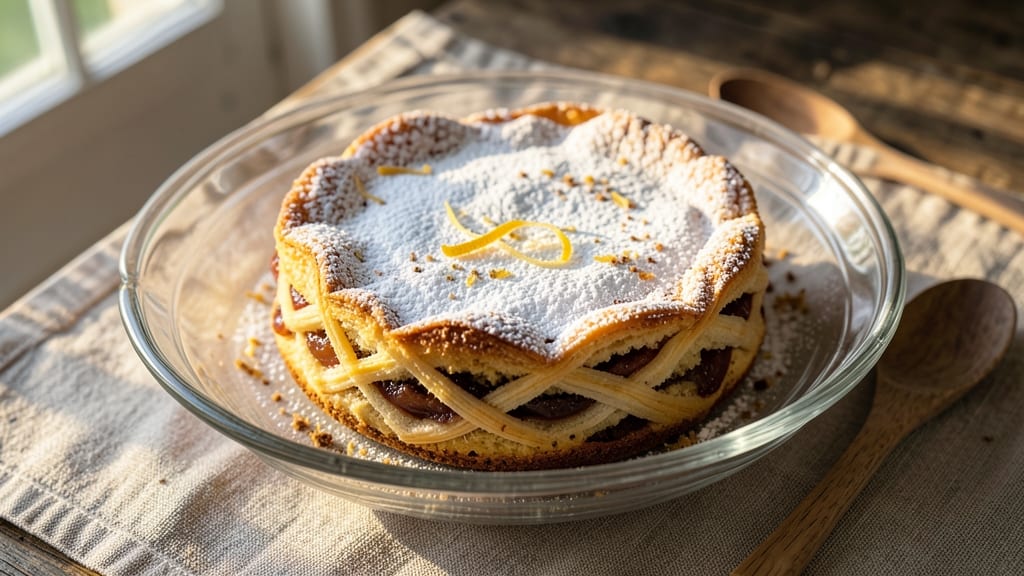
Austrian coffee cake recipe brings rich tradition to your kitchen with layers of vanilla-spiced cake, jam filling, and buttery streusel topping. This classic dessert delivers the perfect balance of tender cake, fruity jam, and crunchy streusel—every bite is a harmonious blend of textures and flavors.
The secret lies in the yeast-based cake layers, which create that signature lightness while holding up to generous fillings.
The recipe begins with a simple yet flavorful vanilla cake batter, infused with warm spices that complement the apricot jam filling. The streusel topping, made with cold butter and flour, creates those signature crunchy pockets that melt slightly with each bite.
What makes this recipe special is its versatility—whether you prefer traditional Sachertorte-style chocolate glaze or a modern almond twist, the foundation remains the same.
By the time you pull this coffee cake from the oven, your kitchen will be filled with the irresistible aroma of vanilla, caramelized sugar, and warm spices. The layers will be perfectly moist, the jam will be gooey, and the streusel will be golden and crisp.
This is the kind of dessert that pairs beautifully with a cup of strong Austrian coffee or herbal tea, making it ideal for brunch, afternoon treats, or special occasions.
Serve it warm or at room temperature, and watch as it disappears quickly—it’s that good. Whether you’re baking for a family gathering or treating yourself to a homemade indulgence, this Austrian coffee cake delivers restaurant-quality results with a touch of European charm. Let’s get baking!
Ingredients for austrian coffee cake
Vanilla-spiced cake layers, gooey apricot jam, and buttery streusel make this Austrian coffee cake unforgettable.
| Ingredient | Amount | Notes |
|---|---|---|
| All-Purpose Flour 🌾 | 3 cups | Sifted, for light texture |
| Granulated Sugar 🍚 | 1 ½ cups | Divided for cake and streusel |
| Unsalted Butter 🧈 | 1 cup | Cold, cubed for streusel |
| Unsalted Butter 🧈 | ½ cup | Room temperature for cake |
| Large Eggs 🥚 | 2 whole | Room temperature, separated |
| Pure Vanilla Extract 🌿 | 2 tsp | High-quality for authentic flavor |
| Active Dry Yeast 🍞 | ¼ tsp | 1 packet, dissolved in warm milk |
| Whole Milk 🥛 | 1 cup | Warm, not hot |
| Apricot Jam 🍑 | 1 cup | Seeds removed, thick consistency |
| Ground Cinnamon 🌶️ | 1 tsp | Plus extra for dusting |
| Ground Nutmeg 🌿 | ¼ tsp | Freshly grated preferred |
| Salt 🧂 | ½ tsp | Fine sea salt |
| Old-Fashioned Rolled Oats 🥣 | ½ cup | For streusel texture |
| Brown Sugar 🍚 | ¼ cup | Packed for streusel |
| All-Purpose Flour 🌾 | ½ cup | Extra for streusel |
The yeast is non-negotiable here—it’s what gives that signature light, airy texture. Grab Fresh & Easy brand yeast if you’re near a grocery store, or check the baking aisle for single-serve packets. For the butter, Land O’Lakes unsalted works perfectly, but any good-quality brand will do. Keep your butter cold for the streusel (it should stay in chunks) and room temp for the cake batter. The flour? King Arthur or Gold Medal are my go-tos—they bake up lighter than store brands. And if you’re feeling fancy, swap the apricot jam for Bonne Maman—it’s worth the splurge.
No yeast? Baking powder at 1 tsp can work in a pinch, but the texture won’t be quite the same. Running low on jam? Peach or raspberry preserves are great stand-ins—just thin them with a splash of milk if they’re too thick. The streusel can handle substitutions too: Walnuts or pecans add crunch, and white sugar works if you’re out of brown. For the spices, if you don’t have nutmeg, allspice at half the amount gives a similar warmth. And if your butter’s been in the fridge too long? Let it sit at room temp for 20 minutes—it’ll soften perfectly for the cake.
This cake keeps beautifully—3 days at room temperature wrapped in foil, or up to 5 days in the fridge. For longer storage, freeze the whole cake (unfrosted) for up to 3 months. I like to slice it thin and freeze individual portions on a tray first, then transfer to a bag. Reheat slices in a 350°F oven for 5-10 minutes to revive that fresh-from-the-oven crunch. Pro tip: Brush warm slices with a little melted butter before serving—it’s a game-changer.
Why You'll Love This Recipe
- No-Fuss Mix-In: This cake comes together with just five pantry staples—no fancy swaps or last-minute grocery runs. Honestly, I’ve made it twice using whatever sugar was in my cabinet, and it still turned out tender and golden. The butter and eggs do all the heavy lifting, so you’re basically just folding in flour and baking.
- Buttery-Creamy Magic: That first bite of warm cake with its crisp top and soft, buttery crumb? It’s the kind of texture that makes you pause mid-sip of coffee. The sugar caramelizes just enough to give it a subtle sweetness, while the butter keeps it rich without being heavy—like a hug from a grandma who knows exactly how much sugar you can handle.
- Breakfast or Dessert: Here’s what sold me—this cake works for any moment. Slice it for a weekend brunch with jam and whipped cream, or pack it in your lunchbox for a midday pick-me-up. Between us, I’ve even reheated leftovers in the toaster for a lazy afternoon snack, and no one ever guessed it was "last night’s dessert."
- Zero-Waste Winner: This recipe makes a loaf that lasts ages—I’ve had mine sit on the counter for five days without drying out. And because it’s budget-friendly (you’re not using specialty ingredients), you can afford to bake two batches: one for now, one for when your friend cancels plans last minute. (Yes, even on a Tuesday night.)
Step-by-step instructions for Austrian coffee cake
Here's how to create a perfectly balanced coffee cake with a moist vanilla base and a crumbly streusel topping.
Prepare the Yeast Mixture
In a small bowl, combine the 1 cup of warm whole milk with the 0.25 teaspoon of active dry yeast. Let it sit for 5-10 minutes until it becomes frothy. This step activates the yeast and ensures your cake rises properly. If you don't see bubbles forming, your yeast might be inactive—start over with fresh yeast.
While waiting, preheat your oven to 350°F. This temperature is crucial for even baking and that perfect golden-brown finish. I like to use the middle rack for consistent heat distribution throughout the cake.
Make the Cake Batter
In a large mixing bowl, cream together the 0.5 cup of room-temperature unsalted butter with 0.75 cups of the granulated sugar until light and fluffy. This should take about 3-4 minutes using an electric mixer. You'll know it's ready when the mixture nearly doubles in volume and becomes pale in color.
Add the 2 whole large eggs, one at a time, mixing well after each addition. Then stir in the 2 teaspoons of pure vanilla extract and the yeast mixture. In a separate bowl, whisk together the 3 cups of all-purpose flour, 0.5 teaspoon of salt, 1 teaspoon of ground cinnamon, and 0.25 teaspoon of ground nutmeg. Gradually add the dry ingredients to the wet mixture, mixing just until combined.
Assemble the Cake Layers
Spread half of the cake batter evenly into a 9x13-inch baking dish. Spoon the 1 cup of apricot jam over the batter, spreading it evenly. This step is where the magic happens—those fruity flavors will soak into the cake beautifully. Top with the remaining cake batter, spreading it smoothly.
Here's the thing—don't overmix the batter when combining the layers. You want a tender cake, not a tough one. The jam will create pockets of flavor that make every bite special.
Prepare the Streusel Topping
In a medium bowl, combine the 0.5 cup of cold unsalted butter, 0.25 cup of packed brown sugar, 0.5 cup of all-purpose flour, 0.5 cup of old-fashioned rolled oats, 1 teaspoon of ground cinnamon, and 0.25 teaspoon of ground nutmeg. Use a pastry cutter or your fingers to work the butter into the dry ingredients until the mixture resembles coarse crumbs.
This is where the texture magic happens. The cold butter creates those delicious, buttery pockets in the streusel. If the mixture seems too dry, add a teaspoon of milk to help bind it together. Sprinkle the streusel evenly over the cake batter.
Bake to Golden Perfection
Bake the coffee cake in the preheated oven for 45-50 minutes or until the top is golden brown and a toothpick inserted in the center comes out clean. I know it seems like a long time, but patience is key here. The cake needs time to bake through and develop that beautiful caramelized crust.
When it's done, let the cake cool in the pan for 10 minutes before transferring it to a wire rack. This resting period prevents the cake from collapsing. Serve warm with a cup of coffee for the ultimate Austrian experience. The combination of the moist cake, fruity jam, and buttery streusel makes this coffee cake a showstopper.
Pro Tips For Making Austrian Coffee Cake
- Cream Butter Cold: DESCRIPTION: Take the butter straight from the fridge—no softening needed. Austrian coffee cake relies on that buttery richness, and cold butter creates flaky layers. I used to melt it by accident once, and the cake turned out dense and greasy. Trust me, leave it in the butter bowl until the last second.
- Whisk Eggs Until Ribbon: DESCRIPTION: Beat those eggs until they hold a ribbon when you lift the whisk—about 30 seconds past that point. This ensures the batter is light and airy, not eggy. I learned this after a batch turned out gummy and sad. No one wants a rubbery coffee cake.
- Don’t Overmix the Dough: DESCRIPTION: Mix just until the flour disappears—maybe 10-12 strokes with a spatula. Overworking the dough develops gluten, and Austrian coffee cake should be tender, not chewy. I’ve seen people beat it like they’re kneading bread, and it’s a crime.
- Bake with a Water Tray: DESCRIPTION: Place a shallow tray of hot water in the oven while preheating, then remove it before adding the cake. The steam keeps the top moist and prevents cracking. I was skeptical until I tried it—now it’s non-negotiable for me. The difference is noticeable.
Pro cooking tips for this recipe
Yeast Activation Mastery
The yeast is the heart of this coffee cake's light texture, so treat it with care. Always use warm milk (105-110°F)—too hot and you'll kill the yeast, too cold and it won't activate.
I like to microwave the milk for 20 seconds, then let it sit for 1 minute before mixing with yeast. For extra insurance, proof the yeast in the milk for 5-10 minutes until bubbly. If it doesn't bubble, your yeast is dead—start fresh with a new packet. 🍞
Butter Temperature Secrets
The butter makes or breaks this recipe—use it at the right temperature for each component. For the cake batter, room-temperature butter (65-68°F) creams smoothly with sugar. I test by pressing a thumbprint—it should hold shape but indent slightly.
For the streusel, keep cold cubed butter (35-40°F) until mixing. Use a microplane to grate it quickly without warming. The cold butter creates those signature buttery pockets in the streusel topping.
Batter Consistency Check
Your cake batter should be thick but pourable—like heavy pudding. If it's too stiff, add 1 tablespoon milk at a time until it reaches the right consistency. I test by lifting the batter with a spoon—the stream should break cleanly but hold shape.
Overmixing develops gluten, making the cake tough. Mix just until combined after adding flour. The yeast will do the work of lightening the texture during baking. A KitchenAid stand mixer with the paddle attachment gives perfect results.
Jam Layering Technique
Spread the jam evenly but don't press it into the cake—you want pockets of flavor, not soggy layers. Use a small offset spatula to create a thin, even layer. For extra richness, warm the jam slightly (30 seconds in microwave) to make it more spreadable.
If your jam is too thick, thin it with 1 teaspoon apricot jam juice or a splash of milk. The jam should be visible through the top cake layer when assembled—this ensures perfect flavor distribution. 🍑
Streusel Distribution
Sprinkle the streusel evenly but generously—about ⅓ cup per 9x13-inch pan. Use a fine-mesh sieve for even distribution. For extra crunch, press the streusel lightly into the top layer with your fingers. I like to sprinkle an additional ¼ teaspoon cinnamon over the streusel before baking for extra warmth.
The streusel should cover 80% of the surface—leave some cake exposed for visual appeal and texture contrast.
Baking Time Precision
Don't rush the baking time—this cake needs 45-50 minutes at 350°F for perfect results. The edges should be golden brown while the center remains slightly soft. Test with a toothpick—it should come out with a few moist crumbs, not wet batter.
For even baking, rotate the pan halfway through if your oven has hot spots. The cake will continue cooking slightly as it rests, so pull it out when the edges are set but the center still has a bit of give. ✨
Nutrition facts
Frequently asked questions
Why does this Austrian coffee cake use yeast?
The yeast creates that signature light, airy texture that makes this cake so special. Unlike traditional coffee cakes, the yeast helps the layers rise gently during baking, creating a tender crumb that pairs perfectly with the jam and streusel. Without yeast, you'd get a denser cake—this version stays wonderfully moist and fluffy.
Can I substitute apricot jam with something else?
While apricot jam is traditional, you can use peach, raspberry, or even strawberry preserves. For a richer flavor, try Bonne Maman jam. If your jam is too thick, thin it with 1 teaspoon of milk or apricot juice to help it spread evenly. Just avoid citrus jams—they can make the cake taste too sharp.
How do I know when the streusel is ready?
The streusel should look like coarse crumbs with pea-sized butter pieces still visible. It should hold together when pressed but still be crumbly. If it's too dry, add 1 teaspoon of milk to bind it. The perfect streusel will create those delicious buttery pockets that melt slightly when baked. For extra crunch, press it lightly into the cake before baking.
Can I make this cake ahead of time?
Yes! This cake keeps beautifully for 3 days at room temperature wrapped in foil, or up to 5 days in the fridge. For longer storage, freeze the whole cake (unfrosted) for up to 3 months). To revive, slice it thin and warm in a 350°F oven for 5-10 minutes—the streusel will crisp up again, and the cake will taste fresh.
What's the best way to serve this coffee cake?
Serve it warm with a cup of strong Austrian coffee or herbal tea for the full experience. For extra decadence, dust with powdered sugar or drizzle with melted chocolate. The contrast of warm cake with hot coffee is pure comfort! You can also slice it thin for brunch or dessert with whipped cream on the side.