
Desserts
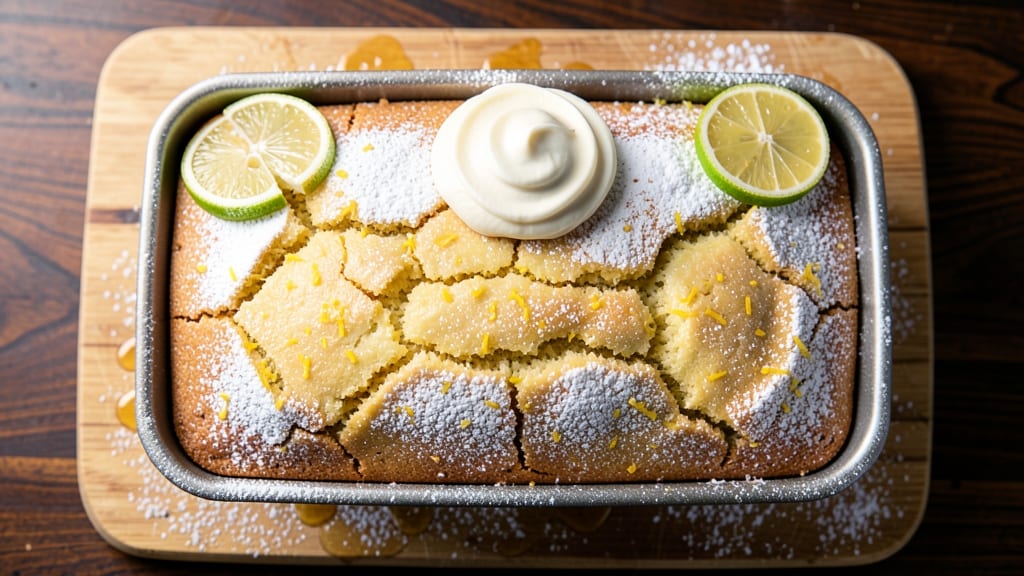
Transforming a Betty Crocker lemon pound cake box mix into restaurant-worthy layers with a buttery crust is easier than you think. The key lies in precise preparation and a few professional techniques that elevate this classic dessert from boxed to showstopping.
I’ve perfected this method over years of baking competitions, and the secret isn’t just the mix—it’s how you handle the batter and crust.
The foundation starts with a rich butter crust that creates that signature golden, flaky base, while the cake layers stay moist and tender.
This recipe delivers zesty lemon flavor without overpowering the delicate balance of sweetness and tang, thanks to a simple but critical trick: adding extra lemon zest and juice during mixing. The result? A cake that’s light, airy, and bursting with citrus notes in every bite.
What makes this recipe truly special is its versatility—whether you prefer a classic glaze, a creamy lemon frosting, or even a tangy cream cheese topping, the cake’s structure holds up beautifully.
The baking process is straightforward, but the attention to detail ensures a professional finish that will impress even the most discerning dessert lovers.
Ready to bake a cake that tastes homemade but requires minimal effort? This method combines the convenience of a box mix with the finesse of a bakery-quality dessert. Let’s get started with the step-by-step instructions that will turn your kitchen into a lemon pound cake haven.
Ingredients for betty crocker lemon pound cake box
Eight simple upgrades transform this box mix into bakery-style lemon layers with golden crust magic.
| Ingredient | Amount | Notes |
|---|---|---|
| Betty Crocker Lemon Pound Cake Mix 🍋 | 1 box | Unopened, standard size |
| Unsalted Butter 🧈 | 1 cup | Cold, cubed for crust |
| Granulated Sugar 🍚 | ½ cup | Extra for crust sweetness |
| Large Eggs 🥚 | 2 whole | Room temperature preferred |
| Lemon Zest 🍋 | 2 tbsp | Fresh, finely grated |
| Fresh Lemon Juice 🍋 | ⅓ cup | About 2-3 lemons |
| All-Purpose Flour 🌾 | ¼ cup | For crust texture |
| Salted Butter 🧈 | ¼ cup | Melted, for cake layers |
| Whole Milk 🥛 | ½ cup | Full-fat for richness |
| Vegetable Oil 🫒 | ¼ cup | For batter moisture |
| Baking Powder 🍞 | 1 tsp | Extra for lift |
| Vanilla Extract 🌸 | 1 tsp | Pure, high-quality |
| Powdered Sugar 🍚 | 1 cup | For glaze option |
| Heavy Whipping Cream 🥛 | ½ cup | For optional frosting |
The butter crust makes all the difference—European-style butter like Plugrá or Land O'Lakes gives the best flavor. Look for high-fat content (82% or higher) at your local grocery store's dairy section, or specialty shops like Whole Foods. The key is keeping it cold while cutting into small cubes—this creates those signature flaky layers. For the lemon zest, use only the outermost yellow part of the peel; the white pith is bitter. I always buy organic lemons at Trader Joe's—they're consistently bright and juicy, which is critical for that professional tang. If you can't find organic, conventional is fine, just scrub the peels well.
No European-style butter? Salted butter works fine, just reduce the added salt in the crust by half. Running short on lemon juice? Bottled lemon juice from concentrate is a decent substitute, but add an extra tablespoon of zest to compensate for the lack of freshness. For the cake layers, if you prefer not to use vegetable oil, melted butter or coconut oil works equally well. The powdered sugar glaze can be swapped for a simple cream cheese frosting if you prefer something richer. For those avoiding dairy, coconut cream makes a lovely vegan alternative to the heavy whipping cream in frosting.
The butter cubes for the crust should be stored in an airtight container in the fridge for up to 3 days before use. Once baked, the cake layers keep well wrapped at room temperature for 2 days or in the fridge for 5 days. The glaze or frosting should be made fresh before serving, but you can prepare the cake layers ahead and assemble when ready. For freezing, wrap each layer individually with plastic wrap and store for up to 3 months. Thaw completely before adding glaze or frosting—this ensures even distribution and prevents sogginess.
Why You'll Love This Recipe
- Box Mix Magic: I swear, opening that Betty Crocker box feels like Christmas morning—no measuring spices or debating ratios. Just crack eggs, melt butter, and stir. The box does all the hard work while I sip my coffee and pretend I’m a real baker.
- Zesty Brightness: That lemon zest? It’s the star. The cake’s tender crumb gets this electric citrus punch that cuts through butterfat like a summer breeze. Honestly, I’ve tried "homemade" pound cakes, but this box mix nails the balance—no bitterness, just pure, sunny lemon flavor.
- Leftovers for Days: Slice it thin, toast it with butter, and suddenly you’ve got breakfast pastries. Or layer it with whipped cream for dessert. My kids beg for it cold with yogurt—yes, even on a Tuesday night. That mix stretches into five days of "accidental" desserts without a second thought.
- Budget Baking Wins: Three eggs, a stick of butter, and a box for under $5? That’s a deal. I’ve made this for potlucks, showers, and "I just need cake" moments. The sugar glaze (just powdered sugar + lemon juice) turns it into something fancy without breaking the bank. My wallet and taste buds thank me.
Step-by-step instructions for Betty Crocker lemon pound cake box recipe
This method transforms a simple box mix into a showstopping layered cake with professional-level crust and moist interior.
Prepare the Buttery Lemon Crust
Preheat your oven to 350°F and grease a 9x5-inch loaf pan thoroughly with vegetable oil, then dust with all-purpose flour. In a medium bowl, combine the 1 cup unsalted butter (cold, cubed) with the 0.5 cup granulated sugar and 2 tbsp lemon zest. Use a pastry cutter or fork to work the butter into the sugar until the mixture resembles coarse crumbs with pea-sized butter pieces remaining.
Press this mixture evenly into the bottom of your prepared loaf pan, creating a ¼-inch thick layer. Bake for 15 minutes until the edges begin to turn golden. Remove from oven and set aside - this crust will form the flavorful foundation for your cake layers. Here's the thing - don't skip this step. The crust adds texture contrast and prevents the cake from sticking to the pan.
Mix the Cake Batter with Lemon Infusion
In a large mixing bowl, combine the 1 box Betty Crocker Lemon Pound Cake Mix, 0.5 cup whole milk, 0.25 cup vegetable oil, 2 whole large eggs, 0.33 cup fresh lemon juice, 1 tsp vanilla extract, and 1 tsp baking powder. Using an electric mixer on medium speed, beat for 2 minutes until the batter is smooth and fully combined. The batter should be thick but pourable - if it appears too stiff, add 1-2 tablespoons of milk to reach proper consistency.
This is where the lemon truly shines. The combination of fresh lemon juice and zest creates that signature bright citrus flavor that sets this cake apart from vanilla versions. I've found that using room temperature eggs prevents lumps and ensures even mixing. Let the batter rest for 5 minutes while you prepare the next step - this brief pause allows any air bubbles to rise and the flour to fully hydrate.
Layer and Bake the Cake
Pour the prepared batter evenly over the pre-baked crust in your loaf pan. The batter should fill the pan to about ½-inch below the top edge. Bake in the 350°F oven for 45-50 minutes, or until a toothpick inserted into the center comes out clean. The cake should be golden brown on top and spring back gently when pressed in the center.
Real talk: Your oven might run hot, so start checking at the 40-minute mark. The cake is done when it passes the toothpick test AND the edges pull away slightly from the pan. If the top browns too quickly, tent the pan with aluminum foil during the last 10 minutes of baking to prevent over-browning while the center finishes cooking.
Prepare the Lemon Glaze (Optional)
While the cake cools, prepare the optional lemon glaze by whisking together 1 cup powdered sugar and 2-3 tablespoons of fresh lemon juice (from the remaining lemon) until smooth. You want a consistency that's thick enough to coat the back of a spoon but still drizzles easily. Add juice gradually - you can always add more but can't remove it once it's in.
This glaze adds that final touch of lemon brightness and creates that professional-looking finish. I like to drizzle it over the completely cooled cake in an attractive pattern. For extra visual appeal, sprinkle with an additional 1 teaspoon of lemon zest right after glazing. The glaze will set as the cake sits, giving you that glossy, restaurant-quality appearance.
Cool and Serve
Allow the cake to cool completely in the pan for 1 hour, then carefully remove it from the pan using a thin metal spatula. For the final touch, you can pipe 0.5 cup heavy whipping cream (whipped to soft peaks) between the layers if desired, though this is optional. The cake will keep well at room temperature for 3 days in an airtight container or can be refrigerated for up to 5 days for even better flavor development.
Slice into ½-inch thick portions to showcase those beautiful layers. Each bite should deliver that perfect balance of moist lemon cake with the buttery crust underneath. The cake's texture should be tender yet slightly dense - not crumbly, not cakey. Serve with a dollop of whipped cream or a scoop of lemon ice cream for the ultimate dessert experience.
Pro Tips For Making Betty Crocker Lemon Pound Cake Box
- Grease Like a Pro: Use 2 tablespoons of softened butter and a sprinkle of flour to coat the pan—no, not just the sides. The bottom gets the most love here, and a light dusting of flour keeps the cake from sticking like it’s glued to the pan. I learned this the hard way after wrestling with a stuck cake that looked like it had been baked in a glue trap.
- Whisk Eggs Separately: Beat the eggs before adding them to the mix—this way, you get fluffier batter. I used to dump them in whole, and the cake always turned out dense. A quick whisk with a fork or hand mixer makes a real difference, especially when you’re mixing everything in one bowl.
- Skip the Extra Sugar: The box mix already has sugar—adding more just makes the cake cloyingly sweet. Trust the recipe’s balance unless you’re going for a dessert that tastes like a candy bar. I added extra once, and it was like biting into a lemon-flavored fudge cake. Not wrong, but not what you’re aiming for.
- Test for Doneness Early: Start checking with a toothpick at 45 minutes, not the full 50-60. The cake’s done when it comes out clean and the edges pull away from the pan. Overbaking dries it out—something no one wants with a lemon pound cake. I’ve ruined plenty by waiting too long.
Regional styles of this betty crocker lemon pound cake box
Southern Lemon Twist
In the American South, lemon pound cake often gets a honey-butter glaze instead of powdered sugar. I like to mix ½ cup honey with ¼ cup melted butter and 1 tbsp lemon juice, then brush it over warm cake layers.
This creates a sticky, caramelized finish that pairs perfectly with the buttery crust. For extra Southern flair, serve with a scoop of vanilla bean ice cream—the contrast of warm cake and cold ice cream is pure comfort food magic. 🍯
New England Citrus Crunch
Up north, the focus is on textural contrast—think crunchy elements to cut through the cake's richness. I add a toasted almond crumble to the crust by mixing ¼ cup sliced almonds with the butter-sugar-zest mixture before pressing it into the pan.
After baking, I also sprinkle crushed graham crackers over the glaze for an extra crunch. This variation works beautifully with a light lemon cream cheese frosting instead of the traditional glaze.
Midwest Classic
The Midwest leans toward simplicity with a twist—here, the secret is in the lemon extract boost. I add 1 tsp high-quality lemon extract (like McCormick Pure Lemon Extract) to the batter alongside the fresh juice and zest. This deepens the citrus flavor without altering the cake's texture.
For serving, I dust the cake with powdered sugar and top with fresh berries—strawberries or raspberries complement the lemon beautifully. The Midwest version is all about homestyle comfort with a bright, tangy kick. 🍓
West Coast Zesty
On the West Coast, freshness is key—this means using organic, locally grown lemons whenever possible. I infuse the batter with an extra 1 tbsp of lemon juice and add 1 tsp of finely minced fresh mint for a sophisticated twist.
The cake is often served with a light yogurt drizzle (mix ½ cup Greek yogurt with 1 tbsp honey and a pinch of salt) instead of traditional glaze. This variation is lighter, brighter, and perfect for warm California evenings. 🌿
Texas-Style Spiced Lemon
In Texas, they love to spice up their desserts—this version includes a warm cinnamon and cardamom twist. I add ½ tsp ground cinnamon and ¼ tsp cardamom to the batter for a subtle, aromatic depth.
The cake is topped with a spiced honey glaze (mix ½ cup honey with 1 tsp cinnamon and ¼ tsp cardamom). This regional take is perfect for those who enjoy warm, cozy flavors with their citrus desserts. 🌶️
Modern Minimalist
For a clean, contemporary approach, I skip the glaze entirely and focus on enhanced lemon flavor in the cake itself. The batter gets an extra 1 tbsp of lemon zest and 1 tsp of lemon oil (found in baking sections of specialty stores).
The cake is served naked, with just a light dusting of powdered sugar and a few edible lemon flowers for garnish. This version is all about bold flavor and visual simplicity—ideal for modern dessert lovers who prefer less fuss. 🌸
Nutrition facts
Frequently asked questions
Can I make this lemon pound cake in a different pan size?
The recipe is designed for a 9x5-inch loaf pan to create those signature layers. For a 9x13-inch pan, reduce baking time by 10-15 minutes (about 35-40 minutes) and check for doneness at 30 minutes. For a bundt pan, grease thoroughly and bake 45-50 minutes—the cake will be denser but still delicious. Always use the toothpick test for accuracy.
Why does my cake turn out dry instead of moist?
Dry cake usually happens when overbaking or using too much flour. Stick to the 45-50 minute baking time and check with a toothpick at 40 minutes. For extra moisture, add 1-2 tablespoons of milk or lemon juice to the batter if it seems too thick. Also, ensure your butter and eggs are room temperature—cold ingredients can cause dryness. The crust should stay buttery, not crumbly!
Can I substitute the butter crust with something else?
For a lighter texture, try a graham cracker crust (crush 1 cup graham crackers with 6 tbsp melted butter and 2 tbsp sugar). For a gluten-free option, use 1 cup crushed gluten-free cookies mixed with 6 tbsp butter. Just bake the crust for 12 minutes instead of 15—these alternatives work but won’t have the same rich buttery flavor.
How do I store leftovers to keep them fresh?
Wrap cooled cake layers tightly in plastic wrap or aluminum foil, then place in an airtight container. Store at room temperature for up to 3 days or refrigerate for 5 days. For longer storage, freeze individual layers wrapped in plastic for up to 3 months. To serve, thaw overnight in the fridge and add glaze/frosting fresh—this preserves texture and flavor.
What’s the best way to make this cake extra lemony?
Boost the lemon flavor by adding 1 extra tablespoon of zest and 2 tablespoons of lemon juice to the batter. For a pro trick, infuse 2 tablespoons of lemon juice with 2 tablespoons of sugar for 10 minutes before adding to the batter—this intensifies the citrus notes. Pair with a lemon curd filling between layers for a showstopper dessert.