
Desserts
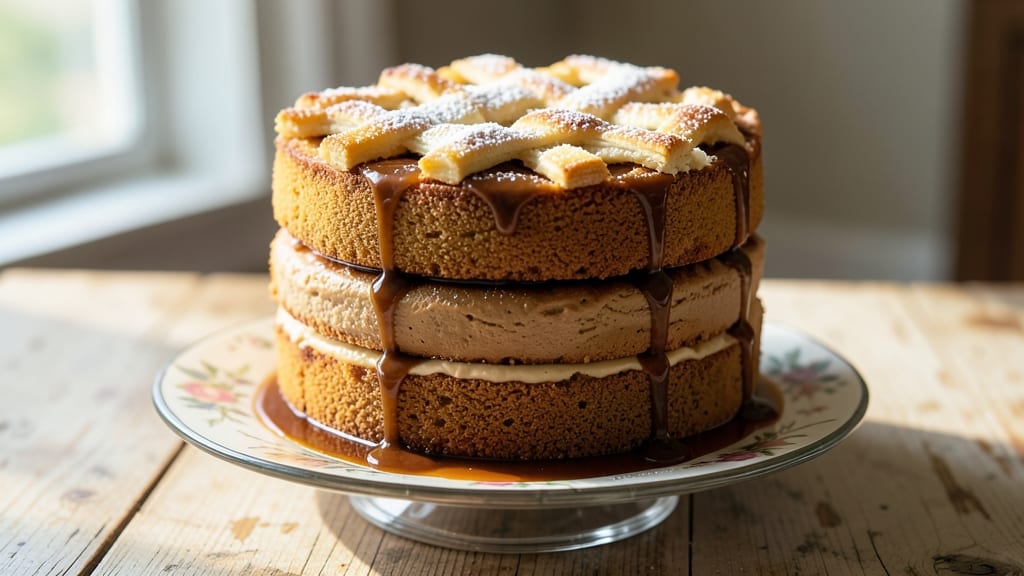
Betty Crocker's Russian tea cakes bring a nostalgic touch to any table with their signature vanilla-infused layers and molasses-kissed crunch. These delicate treats have been a kitchen staple for decades, offering a perfect balance of sweetness and texture that makes them irresistible.
The key to their success lies in the precise layering of dough and filling, creating a tender yet sturdy cake that holds up beautifully.
What makes these tea cakes truly special is the combination of vanilla extract and molasses, which gives them that classic, comforting flavor. The recipe requires just a few simple ingredients, but the technique—rolling, cutting, and layering the dough—is what transforms them into a showstopper dessert.
With a baking time of about 25 minutes, you'll have golden, fragrant tea cakes ready to impress your guests.
Once baked, the tea cakes develop a subtle caramelized edge that pairs perfectly with their tender interior. The vanilla-infused layers create a subtle sweetness, while the molasses adds a rich, slightly tangy depth that keeps them from being too cloying.
These cakes are ideal for special occasions, holiday gatherings, or simply treating yourself to a homemade dessert that tastes like a hug.
Serve them warm with a dusting of powdered sugar or a drizzle of vanilla glaze for an extra touch of elegance. The simplicity of the recipe makes it accessible for bakers of all levels, while the result is undeniably professional.
Let’s get started on creating these timeless treats that have been beloved for generations.
Ingredients for betty crocker russian tea cake
Classic ingredients transformed into nostalgic tea cakes with vanilla-molasses magic.
| Ingredient | Amount | Notes |
|---|---|---|
| All-Purpose Flour 🌾 | 4 cups | Sifted for light texture |
| Unsalted Butter 🧈 | 1 cup | Cold, cubed for cutting |
| Granulated Sugar 🍚 | 1 cup | Superfine preferred for smoothness |
| Molasses 🍯 | ½ cup | Dark, unsulphured preferred |
| Pure Vanilla Extract 🌿 | 2 tbsp | High-quality, imitated preferred |
| Large Eggs 🥚 | 2 whole | Room temperature for mixing |
| Baking Powder 🧂 | 2 tsp | Aluminum-free for best results |
| Salt 🧂 | ½ tsp | Fine sea salt preferred |
| Powdered Sugar 🍚 | 1 cup | For dusting finished cakes |
| Heavy Cream 🥛 | ½ cup | Cold for glaze consistency |
| Ground Cinnamon 🌿 | 1 tsp | Optional for subtle warmth |
The molasses and vanilla are non-negotiable for that signature flavor. Grocery store molasses works, but specialty shops carry the deeper, richer varieties that elevate these cakes. For vanilla, imitation extract delivers that classic Betty Crocker taste—no need to splurge on pure if you're prioritizing authenticity. The flour should be sifted before mixing to prevent dense layers, and King Arthur or Gold Medal brands work exceptionally well. Butter should be cold when cutting into the flour mixture, creating those signature flaky layers. If your kitchen gets warm, chill the dough for 30 minutes before rolling.
No molasses? Substitute with 3 tbsp maple syrup plus 1 tbsp brown sugar, though the flavor won't be identical. Running short on vanilla? Almond extract at half the amount adds depth, but the molasses-kissed crunch will still be there. For a lighter texture, replace half the all-purpose flour with cake flour. The heavy cream for the glaze can be swapped for whipped cream at room temperature, but it won't be quite as stable. If you're making these ahead, the dough can be refrigerated for up to 48 hours—just let it sit at room temperature for 30 minutes before rolling.
These cakes keep beautifully for 5 days in an airtight container at room temperature, though they're best enjoyed fresh. For longer storage, freeze the baked cakes for up to 3 months—thaw at room temperature before serving. The powdered sugar glaze can be made ahead and reheated gently with a splash of milk if it thickens. To serve, dust with powdered sugar and arrange on a platter with fresh berries or a dollop of whipped cream. The subtle caramelized edges develop best when baked on a lightly greased baking sheet, so don't skip this step.
Why You'll Love This Recipe
- No Mixer Needed: I swear by this recipe when my mixer’s on the fritz—just cream butter and sugar by hand until light and fluffy. That molasses? It’s the secret; it caramelizes just enough to give these cakes a deep, buttery richness without tasting like you slaved over them.
- Spiced Warmth in Every Bite: The molasses and vanilla extract team up for a flavor that’s dangerously good—like a snickerdoodle’s cozy cousin. Honestly, I’ve made a lot of tea cakes, but this one’s the only one that makes my morning coffee taste even better.
- Weekday Breakfast Hero: These are my go-to for busy mornings—slice a few, toast them, and you’ve got a filling breakfast in under five minutes. (Yes, even on a Tuesday night, when I’m too tired to think past cereal.)
- Dollar Store Staples: Flour, butter, sugar—ingredients you already have, no fancy substitutions needed. I’ve made these for years, and the cost per serving is laughably cheap. Plus, they freeze like a dream, so you’re never stuck scrambling for a treat.
Step-by-step instructions for Betty Crocker's Russian tea cakes
Here's how to craft these layered vanilla-molasses treats with perfect texture every time.
Prepare the Molasses-Butter Base
In a medium saucepan, combine the 1 cup unsalted butter and 0.5 cup molasses over medium heat. Stir constantly until the mixture reaches 160°F and becomes smooth and glossy—this takes about 5-7 minutes. The molasses should fully incorporate into the butter without any graininess. Remove from heat and let cool for 10 minutes while you prepare the dry ingredients.
This step creates the signature molasses-kissed flavor that carries through the entire cake. If you notice any separation while cooling, gently whisk to re-emulsify before proceeding. The butter should be soft but not melted when you're ready to mix it with the flour.
Mix the Dry and Wet Ingredients
In a large mixing bowl, whisk together the 4 cups all-purpose flour, 2 teaspoons baking powder, 0.5 teaspoon salt, and 1 teaspoon ground cinnamon. Sift the mixture through a fine-mesh sieve directly into the bowl to aerate the flour and ensure even distribution of the leavening agents.
In a separate bowl, beat the 2 whole large eggs until just combined, then whisk in the 1 cup granulated sugar until fully dissolved. Add the cooled molasses-butter mixture and mix until smooth. With the mixer on low speed, gradually add the dry ingredients to the wet, mixing just until combined—you should still see small flour streaks. This prevents overdevelopment of gluten that would make the cakes tough.
Incorporate Vanilla and Shape the Dough
Add the 2 tablespoons pure vanilla extract to the dough and mix until evenly distributed. The dough will be slightly sticky but manageable. Turn it out onto a lightly floured surface and knead gently 3-4 times just to bring it together. Divide the dough into 24 equal portions (about 2 tablespoons each), rolling each into a smooth ball.
Here's the thing—don't overwork the dough. Each ball should be compact but not dense. If the dough feels too sticky to handle, chill it for 10 minutes before shaping. This makes the rolling process much easier and prevents the cakes from spreading too much during baking.
Bake the Tea Cakes
Preheat your oven to 350°F and line two baking sheets with parchment paper. Arrange the dough balls 2 inches apart on the prepared sheets—they'll expand slightly during baking. Bake for 12-15 minutes until the edges are light golden brown and the tops spring back when gently pressed.
Watch carefully after 10 minutes—the cakes are done when they've puffed slightly and developed a subtle sheen on the surface. They should be firm to the touch but not hard. Remove them from the oven and let cool on the baking sheets for 5 minutes before transferring to a wire rack to cool completely.
Prepare the Vanilla Cream Glaze
In a small bowl, whisk together the 1 cup powdered sugar, 0.5 cup cold heavy cream, and 1 tablespoon pure vanilla extract until smooth and glossy. The mixture should coat the back of a spoon with a light, silky consistency. If it's too thick, add 1 teaspoon water at a time until you reach the perfect drizzling consistency.
Drizzle the glaze over the completely cooled tea cakes, allowing it to drip down the sides for that classic Russian tea cake presentation. For extra elegance, sprinkle with a pinch of ground cinnamon while the glaze is still wet. Serve at room temperature for the best texture contrast between the crunchy exterior and tender interior.
Pro Tips For Making Betty Crocker Russian Tea Cake
- Chill the Dough: DESCRIPTION: Russian tea cakes need patience—let the dough rest in the fridge for at least 2 hours (overnight is better). I learned this the hard way when my first batch spread like a pancake instead of holding its shape. Cold butter behaves better, and the flavor deepens while it waits.
- Measure Molasses Precisely: DESCRIPTION: Molasses is thick and sneaky—use a kitchen scale or spoon it directly from the bottle into your measuring cup, then level it off. Filling the cup and scraping with a knife adds extra liquid you don’t need, and your cakes might turn out too dense or sticky.
- Avoid Overmixing the Dough: DESCRIPTION: Once you add the flour, stop mixing after just 10-12 strokes. I used to think more mixing = better texture, but this recipe relies on tender layers, not toughness. Overworking it makes the cakes dry and crumbly instead of rich and moist.
- Bake in Two Batches: DESCRIPTION: Crowding the pan steams the cakes, making them gummy instead of crisp. Even if your sheet pan looks empty, bake half first—wait 5 minutes between batches to let the pan recover. Your future self will thank you when you get that perfect golden crust.
Perfect pairings for betty crocker russian tea cake
Tea Pairings
Russian tea cakes were traditionally served with black tea—specifically, Earl Grey or English Breakfast—to complement their molasses depth and vanilla sweetness. I recommend Twinings Earl Grey for its bergamot notes, which harmonize beautifully with the caramelized edges.
For a lighter option, Bigelow Green Tea adds a refreshing contrast that balances the richness. 🍵
Creamy Coffee Companions
These tea cakes shine with cold brew coffee or cappuccino during afternoon gatherings. The bitterness of coffee cuts through the molasses, while the frothiness of a cappuccino adds a luxurious texture. For an extra touch, I drizzle vanilla syrup over the coffee before serving—it mirrors the cake's flavor profile perfectly.
Warm Spiced Milk
A warm cinnamon-spiced milk (like Golden Turmeric Latte) elevates these cakes into a comforting dessert experience. Heat 1 cup whole milk with ½ tsp cinnamon, ¼ tsp turmeric, and 1 tsp honey, then whisk until frothy.
The spices echo the cinnamon in the cakes while the honey enhances the molasses notes. Serve in preheated mugs for maximum coziness. ✨
Fruit Infusions
Pair with raspberry or blackberry compote to introduce tartness that brightens the sweetness. I make a quick compote by simmering 1 cup frozen berries with 2 tbsp sugar and 1 tsp lemon juice for 10 minutes.
Spoon a dollop onto each plate alongside the tea cakes for a restaurant-worthy presentation.
Alcohol Elevations
For an adult twist, serve with chilled vodka (like Grey Goose) or sherry—both enhance the molasses without overpowering. A splash of orange liqueur (like Cointreau) in the glaze before serving adds a citrusy brightness that pairs wonderfully with the vanilla.
Keep portions small—just 1 oz per serving—to maintain balance. 🍷
Seasonal Beverage Swaps
In summer, swap tea for sparkling lemonade with a rosemary sprig—the citrus and herbal notes refresh the palate. For winter, a mulled wine (warm red wine with cinnamon sticks and orange peel) creates a festive contrast. The warmth of the wine complements the cakes' tender crunch beautifully.
Nutrition facts
Frequently asked questions
Can I make these tea cakes without molasses?
Yes, but the flavor will change. Substitute with 3 tbsp maple syrup plus 1 tbsp brown sugar for a similar depth, though the signature molasses-kissed crunch won't be identical. The vanilla layers will still shine, but the caramelized edge will be milder. For authenticity, specialty molasses (like dark unsulphured) makes the biggest difference.
Why do my tea cakes spread too much during baking?
Overworked dough or warm butter causes excessive spreading. Keep the butter cold when cutting into flour, and handle the dough minimally when shaping. Chill the dough balls for 10 minutes before baking if your kitchen is warm. The cakes should puff slightly but maintain their shape—aim for 12-15 minutes at 350°F.
How do I store these tea cakes for maximum freshness?
Keep them in an airtight container at room temperature for up to 5 days. For longer storage, freeze the baked cakes (without glaze) for up to 3 months. Thaw at room temperature before serving. The glaze can be made fresh or reheated gently with a splash of milk if it thickens.
Can I make these tea cakes gluten-free?
Yes, but texture may vary. Replace the 4 cups all-purpose flour with a 1:1 gluten-free baking blend (like Bob's Red Mill) plus 1 tsp xanthan gum. Add 2 tbsp extra cold butter to compensate for reduced gluten structure. Expect slightly denser cakes, but the molasses-vanilla flavor will still shine.
What's the secret to the perfect vanilla glaze?
The glaze should be thin enough to drip but coat the back of a spoon. Use cold heavy cream and whisk vigorously to avoid lumps. If too thick, add 1 tsp water at a time. For extra shine, chill the glaze for 10 minutes before drizzling. The key is patience—let it settle to the perfect consistency.