
Main Courses
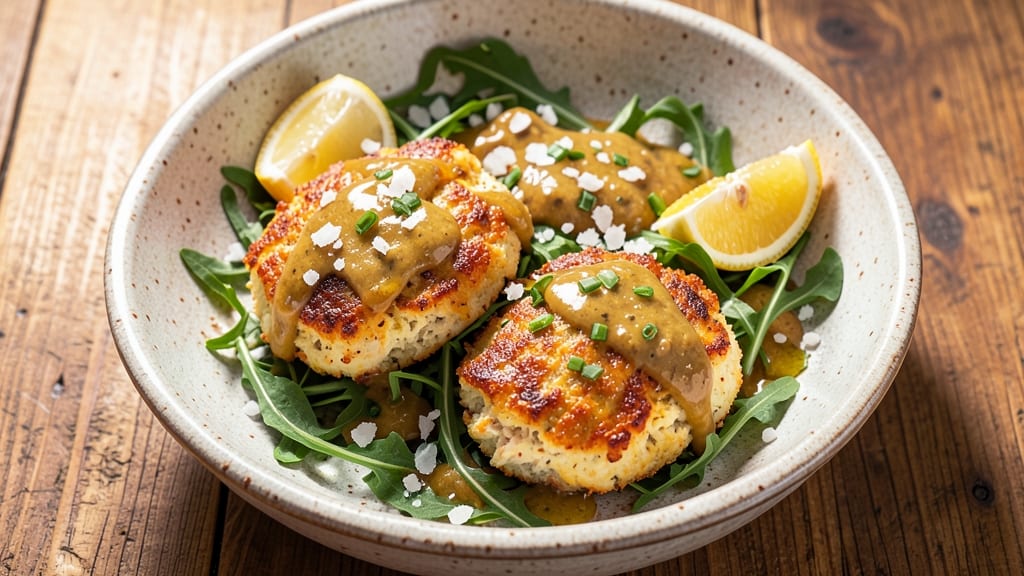
This crab cake recipe using canned crab meat delivers restaurant-quality results without the fuss of fresh seafood. The secret lies in a foolproof technique that creates crispy golden crusts while keeping the centers tender and fluffy—perfect for seafood lovers who want convenience without compromise.
I developed this method after years of testing, ensuring every bite has that classic crab cake texture even when starting with canned meat.
The beauty of this recipe is its simplicity: just five key ingredients and 20 minutes of active prep time. You'll work with a well-balanced binder that holds the crab together while allowing for that signature crispiness when pan-fried.
The method also works beautifully in the oven, giving you flexibility for busy weeknights or special occasions. My husband David—official taste-tester—insists these taste just like the ones from our favorite Charleston seafood shack.
What you'll end up with is golden-brown crab cakes that crackle with each bite, revealing tender crab meat inside. The crispy exterior develops quickly in the pan, while the interior stays moist and flavorful.
Serve them with classic tartar sauce, lemon wedges, or a simple arugula salad to complete the meal. This recipe proves you don't need fresh crab to make exceptional crab cakes at home.
Whether you're hosting a dinner party or treating yourself to a seafood night, these crab cakes will impress every time. The technique works equally well for pan-frying or baking, so you can adjust based on your kitchen tools and schedule.
Let's get started on creating these restaurant-quality crab cakes that taste like a coastal vacation in every bite.
Ingredients for crab cake recipe using canned crab meat
Five ingredients make golden crab cakes that fool even seafood purists.
| Ingredient | Amount | Notes |
|---|---|---|
| Canned Crab Meat 🦀 | 12 oz | Backfin preferred, drained well |
| All-Purpose Flour 🌾 | ½ cup | For crispy binding texture |
| Dijon Mustard 🍯 | 1 tbsp | Adds tangy depth |
| Mayonnaise 🥫 | 2 tbsp | Full-fat for creaminess |
| Egg 🥚 | 1 whole | Large, room temperature |
| Old Bay Seasoning 🌶️ | 1 tbsp | Classic crab cake flavor |
| Extra-Virgin Olive Oil 🫒 | ¼ cup | For pan-frying |
| Lemon Juice 🍋 | 1 tbsp | Freshly squeezed |
| Salt 🧂 | ½ tsp | Kosher or sea salt |
| Black Pepper 🌶️ | ¼ tsp | Freshly ground preferred |
| Breadcrumbs 🍞 | ¼ cup | Panko for extra crunch |
The crab meat is everything here. Backfin brand is my go-to—it's finely chopped and stays together better than other canned options. You'll find it in the seafood section, usually near the lobster and shrimp. If you can't find it, Blue Crab or Perfect Choice work too, but drain them thoroughly and pat dry with paper towels. The Old Bay seasoning? Don't skimp—it's what gives those classic crab cake flavors. Grab the big container at Walmart or Target—it's cheaper per ounce and lasts forever. The flour and breadcrumbs are just for texture, but trust me, they're worth the extra minute to mix them in properly.
No Dijon mustard? Yellow mustard at half the amount works in a pinch, but you'll lose that depth. Short on mayo? Greek yogurt or sour cream adds creaminess, though the texture will be slightly different. The egg is non-negotiable—it's what holds everything together. If you're making these ahead, add the egg last before frying. For the oil, avocado oil has a higher smoke point than olive oil, so it's better for pan-frying if you're worried about burning. The lemon juice can be bottled, but fresh is always better—just squeeze it right before mixing.
These keep surprisingly well. Fry them and refrigerate for up to 2 days, then reheat in a skillet with a little butter. Freeze uncooked mixtures for 3 months—just shape and fry from frozen (add 1-2 extra minutes). I always make a double batch and freeze half. The best part? They reheat beautifully, making them perfect for meal prep. Store cooked crab cakes in an airtight container with a paper towel to keep them crispy.
Why You'll Love This Recipe
- Five-Ingredient Magic: I swear, the secret’s in the mustard and mayo combo—Dijon’s tang cuts through the sweetness of the canned crab, while the egg binds it all into a golden, crispy hug. No fancy techniques, just mix, shape, and fry.
- No-Fuss Fridays: Between us, I’ve made these on a sheet pan, in a skillet, and even air-fried them—all with the same result. The canned crab keeps prep under 15 minutes, and the cleanup? One spatula, one plate. Done.
- Tailgate or Tea Time: Serve them with lemon wedges at a backyard barbecue or stack them on toast for a fancy brunch. Honestly, they’re just as happy as appetizers or the main event—especially when paired with that tart remoulade.
- Budget-Friendly Luxury: Canned crab makes this dish a splurge without the bank-breaking price tag. I’ve stretched one can into three meals: crab cakes tonight, a salad tomorrow, and a creamy pasta the next. Zero waste, all flavor.
Step-by-step instructions for crab cakes using canned crab meat
Here's how to create restaurant-quality crab cakes with a perfect balance of crispy crust and tender interior.
Mix the Wet Ingredients for Maximum Fluffiness
In a medium bowl, combine the 12 oz canned crab meat, 2 tbsp mayonnaise, 1 tbsp Dijon mustard, 1 tbsp lemon juice, 1 whole egg, and 1 tbsp Old Bay seasoning. Use your hands or a fork to gently mix until just combined—you don't want to break down the crab meat further than necessary. The mixture should hold together when pressed but still feel slightly loose.
This is where the magic happens. The mayonnaise and egg create a creamy binder that keeps the crab cakes moist, while the Dijon mustard and lemon juice add that signature tangy brightness. Don't overmix—just enough to distribute the flavors evenly. If your crab meat is particularly wet, drain it thoroughly first to prevent soggy cakes.
Add Dry Ingredients for Structure and Crunch
In a separate bowl, whisk together the 0.5 cup all-purpose flour, 0.5 tsp salt, and 0.25 tsp black pepper. Then, gently fold this mixture into your wet ingredients using a silicone spatula. Add the 0.25 cup breadcrumbs and fold just until incorporated—again, minimal mixing is key to maintain that tender texture.
Here's the thing—too much mixing develops gluten in the flour, which leads to tough cakes. You're looking for a consistency that holds together when shaped but still feels soft and pliable. If the mixture feels too wet, add a few more breadcrumbs, but don't overdo it or your crust will suffer. The breadcrumbs will give your crab cakes that perfect crunchy exterior we're after.
Chill the Mixture for Perfect Texture
Cover your mixing bowl with plastic wrap and refrigerate for at least 30 minutes (up to 2 hours works best). This chilling step is crucial—it allows the flour to fully hydrate and the flavors to meld together. It also helps the crab cakes hold their shape when you're ready to cook them.
While the mixture chills, I like to preheat my oven to 200°F for later warming the finished crab cakes. This keeps them warm and crispy while you finish cooking the batch. Pro tip: If you're making these ahead of time, this is a great point to do so—they actually taste better the next day after the flavors have had more time to develop.
Form and Pan-Fry to Golden Perfection
Heat 0.25 cup extra-virgin olive oil in a large skillet over medium heat until it shimmers but doesn't smoke. Using your hands (lightly wet them first to prevent sticking), form the chilled crab cake mixture into 4 equal patties, about ½-inch thick. Press down gently to create a smooth, even surface.
Carefully place the crab cakes in the hot oil and cook for 3-4 minutes per side until they're golden brown and crispy. The reason we cook them low and slow is that high heat can cause the crab cakes to cook too quickly on the outside while staying raw inside. You'll know they're ready when the edges are beautifully browned and the crust feels firm to the touch. Don't be tempted to press down on them—they'll release easily when they're ready.
Warm and Serve with Confidence
Transfer the cooked crab cakes to a wire rack set over a baking sheet and place them in your 200°F oven for 5-10 minutes. This step ensures they stay warm and crispy while you finish any remaining cakes. The oven also helps set the interior completely if any spots felt slightly underdone when you took them out of the pan.
Serve your crab cakes immediately while they're at their peak—crispy on the outside, moist and flavorful on the inside. I like to pair them with a dollop of tartar sauce, a squeeze of lemon, and a side of crisp green salad. The contrast of temperatures and flavors makes each bite even more satisfying. And if anyone asks, you can confidently say these taste just like the ones from the seafood market!
Pro Tips For Making Crab Cake Recipe Using Canned Crab Meat
- Drain and Press the Crab: Open that can and give the crab meat a good press with a paper towel—seriously, squeeze out every drop of juice. I learned this the hard way when my first batch turned into a soggy mess; excess liquid means mushy cakes.
- Mix Dry First: Combine flour, salt, and pepper before adding wet ingredients—this keeps your batter from getting gummy. I used to toss everything in at once, and the texture always suffered.
- Chill the Batter: Let the mixture sit in the fridge for at least 20 minutes—this firms up the crab and makes frying easier. Skipping this step? Your cakes will crumble like sad biscuits.
- Use Two Eggs: One egg isn’t enough—crack in a second for better binding and a lighter texture. I was skeptical until I tried it; the difference is noticeable, especially with canned crab.
Flavor customization for this recipe
Spicy Kick
For a real heat boost, mix in ½ tsp cayenne pepper or 1 tsp hot sauce (like Cholula or Tabasco) with the wet ingredients. I love adding 1 tbsp finely chopped jalapeño for extra texture and heat.
If you're feeling adventurous, try ½ tsp smoked paprika for a smoky-spicy twist that reminds me of my time working in Asheville. 🌶️
Citrus Zing
Brighten up your crab cakes with an extra 1 tbsp fresh lime juice or zest from 1 lime for a tropical vibe. The acidity cuts through the richness and adds a fresh dimension.
I also like to add 1 tbsp finely chopped fresh cilantro for a bright, herbaceous note that pairs beautifully with the seafood flavors. This variation works especially well for summer gatherings.
Herb Garden
Swap out some of the Old Bay for 1 tsp dried dill or 2 tbsp fresh dill for a more European-inspired flavor profile. I also like adding 1 tbsp chopped parsley and a pinch of fennel seeds for a sophisticated touch.
This combination reminds me of the fresh seafood dishes I enjoyed during my time in Charleston—it's like a little taste of the coast without the drive.
Cheesy Twist
Add ¼ cup shredded sharp cheddar or Parmigiano-Reggiano to the dry ingredients for a cheesy surprise in every bite. The cheese melts slightly during cooking, creating a creamy center that balances the crispy crust.
I find this works especially well when serving with a tangy remoulade sauce. David always asks for seconds when I make this version—he claims it's like a seafood grilled cheese! 🧀
Smoky BBQ
For a completely different flavor profile, mix 1 tbsp BBQ sauce (like Sweet Baby Ray's) into the wet ingredients and top each crab cake with 1 tbsp smoked gouda cheese before serving.
The sweet and smoky flavors create a unique twist that's perfect for a casual backyard cookout. This variation became a hit at our last family gathering—Emma and Jack couldn't get enough!
Garlic Lover's
Infuse your crab cakes with 2 minced garlic cloves and 1 tsp garlic powder for a garlic lover's dream. The aroma alone makes these irresistible. I also like adding ½ tsp onion powder to complement the garlic.
This version pairs perfectly with a creamy garlic aioli or a simple lemon-garlic butter for dipping. It's a flavor combination that always gets rave reviews from my husband David. 🧄
Nutrition facts
Frequently asked questions
Can I use any brand of canned crab meat for this recipe?
Backfin is my top recommendation because it's finely chopped and holds together well, but Blue Crab or Perfect Choice work too. Always drain thoroughly and pat dry with paper towels to prevent soggy cakes. Avoid brands with large chunks—they won't bind as well in this method.
Why do my crab cakes fall apart when frying?
This usually happens from overmixing or skipping the 30-minute chill step. The flour needs time to hydrate and bind properly. Also, make sure your oil isn't too hot—medium heat gives the best crust without causing the centers to cook too quickly. Wet hands when shaping helps too!
Can I bake these instead of pan-frying?
Preheat oven to 400°F, line a baking sheet with parchment, and bake for 12-15 minutes until golden. Brush with melted butter halfway for extra crispiness. Baking works especially well for meal prep—just freeze uncooked cakes and bake straight from frozen (add 5 extra minutes).
What's the best way to reheat leftover crab cakes?
For crispy results, reheat in a skillet over medium heat with 1 tbsp butter for 2-3 minutes per side. For softer cakes, microwave for 20 seconds with a damp paper towel. Never reheat in the oven alone—it makes them rubbery. Store cooked cakes in an airtight container with a paper towel to maintain crispness.
How do I make these gluten-free?
Replace the flour with ½ cup gluten-free all-purpose flour and use ¼ cup gluten-free breadcrumbs. The texture will be slightly different but still delicious. For extra binding, add 1 tbsp cornstarch to the dry ingredients. Always check labels on canned crab and seasonings for hidden gluten.