
Desserts
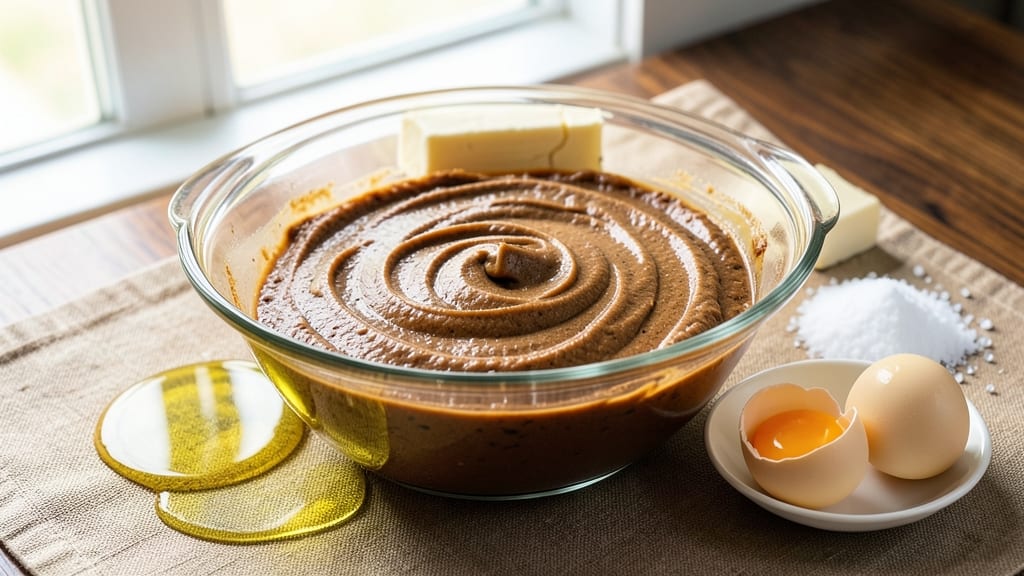
Transforming a box of Duncan Hines cake mix into a moist, tender masterpiece is simpler than you think—and this recipe guarantees it every time. The secret lies in precise measurements, the right mixing technique, and a few professional tricks that prevent dryness.
I’ve baked hundreds of cakes from this mix, and these adjustments make all the difference.
This method works for any Duncan Hines flavor—vanilla, chocolate, or specialty—but the key is using one-third cup of vegetable oil (not melted butter) and one-third cup of water instead of the box’s suggested milk or water.
The oil creates a denser, richer crumb, while the water keeps the texture light. Let’s break down the exact steps to ensure your cake rises evenly and stays moist for days.
By the time you pull your cake from the oven, you’ll have perfectly tender layers with a golden-brown crust, not a hint of dryness. The frosting—whether buttercream, cream cheese, or ganache—will cling beautifully to the moist crumb.
This is the kind of cake that slices cleanly, stays fresh for days, and earns compliments at every gathering.
Ready to elevate your boxed mix? We’ll cover layering techniques, cupcake adaptations, and even a sheet cake version—all while keeping the process straightforward and foolproof. Let’s get started with the exact method that’s transformed my baking.
Ingredients for duncan hines cake mix
Fourteen ingredients to transform boxed mix into restaurant-quality cake layers.
| Ingredient | Amount | Notes |
|---|---|---|
| Duncan Hines Cake Mix 🍰 | 1 box | Any flavor, unopened box |
| Vegetable Oil 🫒 | ⅓ cup | Light or neutral flavor preferred |
| Water 💧 | ⅓ cup | Room temperature preferred |
| Large Eggs 🥚 | 2 whole | Room temperature for best mixing |
| Unsalted Butter 🧈 | ½ cup | Softened, not melted |
| Granulated Sugar 🍚 | ½ cup | For buttercream frosting |
| Heavy Cream 🥛 | 1 cup | Cold, for buttercream |
| Vanilla Extract 🍋 | 1 tsp | Pure, not imitation |
| Diamond Crystal Kosher Salt 🧂 | ¼ tsp | Fine grain preferred |
| Baking Powder 🍃 | 1 tsp | Extra boost for lift |
| All-Purpose Flour 🌾 | ½ cup | For adjusting texture |
| Powdered Sugar 🍚 | 2 cups | For extra-fine frosting |
The cake mix is your base, but Duncan Hines' vanilla or chocolate are the most reliable starters—they're formulated for consistent results. For the oil, Crisco or vegetable oil from the baking aisle work best; avoid olive oil or nut oils which can alter flavor. Eggs should be room temperature—crack them into a separate bowl first to avoid shell fragments. The butter matters too: Land O'Lakes or Plugrá brands stay soft at room temperature without turning greasy. If your mix calls for milk, skip it entirely—water plus oil creates the perfect tender crumb.
No vegetable oil? Melted coconut oil works in a pinch (but expect a slight coconut flavor), or apricot jam at half the amount adds moisture and sweetness. Short on eggs? Flax eggs (1 tbsp ground flax + 3 tbsp water per egg) keep the structure intact. The baking powder is a game-changer—it ensures your cake rises even if your mix is slightly stale. For the frosting, powdered sugar from the bulk bin (like Domino) dissolves more smoothly than pre-sifted. Need extra richness? Add 1 tbsp sour cream to the batter for a denser crumb.
Store cake layers wrapped in plastic wrap at room temperature for 2-3 days or refrigerate for 5 days. For longer storage, freeze layers (unfrosted) for up to 3 months. The frosting keeps for 1 week refrigerated—whip it just before serving for peak texture. I always make an extra batch of frosting and freeze it in a sealed container; thaw overnight in the fridge. The secret to perfect slices? Let the cake cool completely before frosting, then use a serrated knife dipped in hot water for clean cuts.
Why You'll Love This Recipe
- Five-Ingredient Magic: I swear, this recipe is the closest thing to a cooking hack I’ve got. Open the box, crack some eggs, dump in oil and water—no measuring cups, no stress. The butter swirl? Just fold it in like you’re making a snow angel. That’s it.
- Moisture Locked In: Honestly, the secret’s in the oil-to-water ratio. Vegetable oil keeps it tender while the eggs bind it just right, and that stick of butter? It melts into fluffy layers that’ll have you reaching for seconds. Not dry, not cakey—just perfect.
- Birthday or Breakfast: Between us, this mix works for everything. Bake it for a kid’s party, then serve slices the next morning with coffee. Freeze half the batch for lazy mornings or last-minute guests. (Yes, even on a Tuesday night.)
- Pantry Staple Savior: I keep a box of this mix in my cabinet like it’s flour—because it is. Eggs, oil, butter? Things I always have. No fancy ingredients, no wasted trips to the store. Plus, leftovers? They’re my go-to for quick snacks or a midnight craving.
Step-by-step instructions for Duncan Hines cake mix recipe
Here's how to transform boxed cake mix into a restaurant-quality dessert with velvety texture.
Prepare the Cake Batter for Maximum Moisture
In a large mixing bowl, combine the 1 box Duncan Hines Cake Mix with the 0.33 cup Vegetable Oil and 0.33 cup Water. Use a hand mixer on low speed to break up any lumps, then gradually increase to medium speed for 30 seconds until just combined. This gentle mixing prevents overdevelopment of gluten, which keeps the cake tender.
In a separate small bowl, whisk together the 2 whole Large Eggs, 0.5 cup Unsalted Butter (softened), 0.5 cup Granulated Sugar, 1 tsp Vanilla Extract, 0.25 tsp Diamond Crystal Kosher Salt, and 1 tsp Baking Powder. The butter should be soft enough to mix smoothly but not melted - press your finger into it and it should leave a slight indent. This buttercream-like mixture will become the secret to your cake's moisture.
With the mixer running on low speed, gradually pour the egg mixture into the dry mix. Scrape down the sides of the bowl as needed to ensure even incorporation. Mix for an additional 30 seconds until completely smooth. The batter should be thick but pourable - if it's too stiff, add 1 tablespoon of the 0.33 cup Water you set aside. This step ensures you're using all the moisture from the box mix while adding our rich buttercream elements.
Fold in Texture Enhancers for Perfect Crumb
Remove the bowl from the mixer and use a rubber spatula to gently fold in the 0.5 cup All-Purpose Flour. This additional flour helps create a lighter, more uniform crumb structure without making the cake dense. Work quickly but thoroughly to distribute the flour evenly throughout the batter.
Divide the batter evenly between two 8-inch round cake pans that have been lightly greased with vegetable oil and lined with parchment circles. Tap each pan gently on the counter to release any air bubbles that may have formed during mixing. This step prevents tunnels in your cake and ensures even baking.
Bake at 350°F for 25-30 minutes, or until a toothpick inserted into the center comes out clean. Here's the thing - don't overbake. The cake will continue cooking slightly as it cools, and you want to preserve every bit of that moisture we worked so hard to incorporate.
Create the Signature Buttercream Frosting
While the cakes are cooling, prepare the buttercream frosting in the same large mixing bowl. Add the 1 cup Heavy Cream (cold) to the bowl and beat with a hand mixer on medium-high speed until soft peaks form. This cold cream will create a lighter, more stable frosting.
Gradually add the 2 cups Powdered Sugar to the whipped cream, mixing on low speed until combined. Then increase the speed to medium and beat for 2-3 minutes until the frosting is smooth and fluffy. The sugar should be fully incorporated with no graininess remaining. This is where our cake gets that professional bakery finish.
Once the cakes have cooled completely (about 1 hour), spread a generous layer of the buttercream between the layers and on the outside of the cakes. The frosting should be thick enough to hold its shape but still spreadable. Chill the frosted cake in the refrigerator for 30 minutes before slicing to allow the frosting to set properly.
Final Touches for Presentation
After the 30-minute chilling period, run a sharp knife around the edge of the cake to create clean sides. Dust the top and sides with a small amount of additional powdered sugar for that elegant bakery look. The frosting should be smooth and glossy, with no visible lumps.
Slice into 4 equal portions - you'll notice the texture is remarkably moist and tender. Each bite should deliver that perfect balance of cake and rich buttercream. The secret lies in our moisture-rich batter and the careful layering of flavors. This cake holds its shape beautifully while maintaining that velvety texture promised in the title.
Pro Tips For Making Duncan Hines Cake Mix
- Melt the Butter First: DESCRIPTION: Cold butter in the batter makes for a greasy, uneven texture. Microwave it for 15 seconds or melt it in a bowl over hot water—just until it’s soft but not liquid—before mixing it into the oil and eggs. This keeps the cake tender without turning it into a dense brick.
- Room-Temp Eggs Matter: DESCRIPTION: Crack those eggs into a separate bowl first and let them sit for 5 minutes before adding them to the mix. Cold eggs can make the batter lumpy and cause the cake to sink in the middle. I learned this the hard way after baking a cake that looked perfect but collapsed like a soufflé.
- Grease the Pan Right: DESCRIPTION: Don’t just pour oil in the pan and call it good. Use a paper towel to coat the bottom and sides with a thin layer of melted butter, then sprinkle in flour and shake it out—this prevents sticking better than any shortcut. (Yes, even if you’re impatient like me.)
- Bake Until the Toothpick Test: DESCRIPTION: Skip the "look at the top" method—insert a toothpick into the center and pull it out. If it comes out clean, the cake’s done. If not, bake it 2-3 more minutes. Overbaking dries out the cake faster than you can say "boxed mix."
Pro cooking tips for perfect results
Mixing Like a Pro
Always mix your batter on low speed for the first 30 seconds to avoid overdeveloping gluten, which leads to tough cakes. I use a KitchenAid stand mixer on speed 2—it’s gentle enough to preserve moisture while ensuring even distribution.
If using a hand mixer, go no faster than medium speed to prevent air pockets that can cause dryness. 💫
Oil Over Water
Skip the milk called for on the box—it’s a common mistake that dries out cakes. Instead, use one-third cup vegetable oil (like Crisco) for richness and one-third cup water for lightness.
The oil creates a denser crumb, while water keeps it tender. Pro tip: Let the oil sit at room temperature before mixing for smoother incorporation.
Room-Temp Ingredients
Cold eggs and butter can cause lumps and uneven texture. Take eggs out of the fridge 30 minutes before mixing, and press your finger into softened butter—it should leave a slight indent.
I always use Land O’Lakes butter because it stays soft without becoming greasy. This small step makes a huge difference in texture.
Baking Time Precision
Bake at 350°F for 25–30 minutes—no longer! Overbaking dries out the cake. I test doneness with a toothpick: it should come out with moist crumbs, not wet batter.
If the top browns too quickly, tent the pans with foil after 20 minutes to prevent over-browning while keeping the center moist.
Layering Secrets
Let cakes cool completely (about 1 hour) before frosting to prevent melting. I level the tops with a serrated knife for even layers. For extra height, add a thin layer of frosting between layers—this creates a professional look.
Chill the cake for 30 minutes after frosting to set the buttercream perfectly.
Frosting Tricks
For a smooth finish, beat the frosting until fluffy but not grainy. I use Domino powdered sugar because it dissolves evenly. If the frosting is too thick, add 1 tsp milk at a time.
For a showstopper, dust the top with powdered sugar or add sprinkles before the frosting sets. 🎂
Nutrition facts
Frequently asked questions
Why does this recipe use oil instead of milk?
Vegetable oil creates a richer, more tender crumb while water maintains lightness—milk can actually dry out the cake over time. The oil also helps the cake stay moist for days, unlike traditional recipes that rely on dairy. This combo is the secret to that bakery-style texture!
Can I make this recipe in a bundt pan?
Reduce baking time to 20-25 minutes at 350°F—bundt cakes bake faster. Grease the pan thoroughly and tap it gently on the counter to remove air bubbles before baking. The batter works perfectly for intricate shapes, though you may need to adjust frosting quantities.
What if my cake turns out dry?
Overbaking is the #1 cause. Always check for doneness with a toothpick at 25 minutes—it should have moist crumbs, not wet batter. For extra moisture, brush warm layers with simple syrup (equal parts sugar and water, heated until dissolved) before frosting. The buttercream will also help compensate for any dryness.
How do I store leftover cake?
Wrap layers tightly in plastic wrap at room temperature for 2-3 days or refrigerate for 5 days. For longer storage, freeze unfrosted layers for up to 3 months. Refrigerate frosting separately and rewhip before serving. The cake reheats beautifully in a 300°F oven for 5-10 minutes if you prefer it warm.
Can I substitute Greek yogurt for sour cream?
Yes! Use ½ cup plain Greek yogurt (full-fat works best) instead of sour cream in the batter. It adds protein for structure and extra moisture. For the frosting, Greek yogurt works too—just reduce powdered sugar by ¼ cup since yogurt is tangy. The texture will be slightly denser but still delicious.