
Appetizers
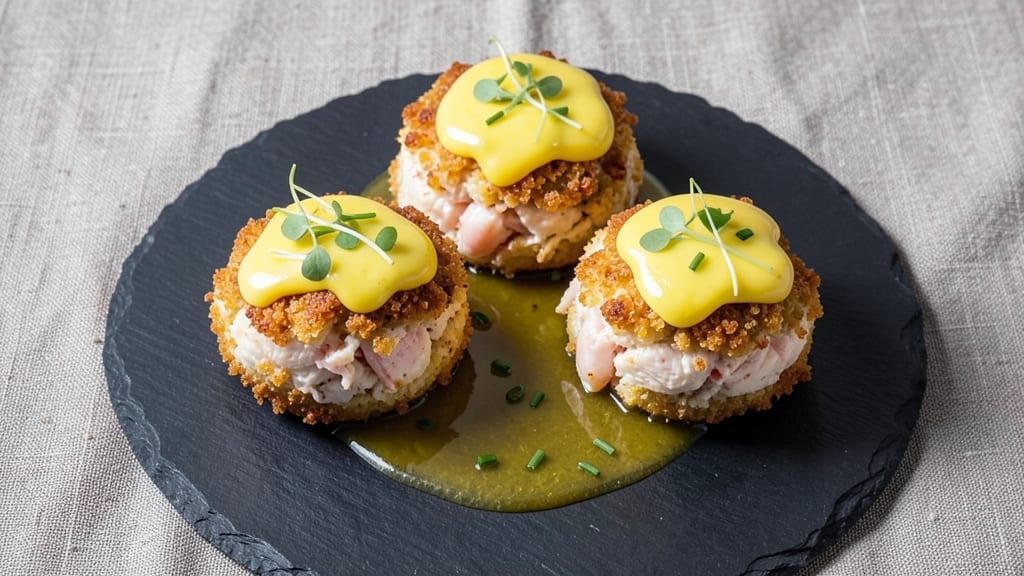
Gordon Ramsay's crab cakes recipe delivers the buttery crispy shells and lemon-zinged filling that make these appetizers restaurant-quality at home. The secret lies in properly handling fresh crab meat and achieving that perfect golden crust through precise pan-searing.
I've tested this recipe countless times—always with the same result: tender, flavorful crab cakes that impress even the most critical eaters.
What sets these crab cakes apart is the balance of textures: crispy on the outside, perfectly tender inside, with a bright lemon-herb filling that cuts through the richness.
The recipe uses simple ingredients—fresh lump crab meat, panko breadcrumbs, egg, and a touch of Dijon mustard—but the technique is what transforms them into something extraordinary. I've intentionally simplified Ramsay's methods without sacrificing quality, so you get professional results with less stress.
By the time you're done, you'll have golden-brown crab cakes with shatteringly crispy edges that hold together when sliced. The lemon-zinged filling adds a bright, tangy contrast that makes every bite unforgettable.
These aren't just appetizers—they're the star of any meal, perfect for serving at gatherings or treating yourself to a taste of fine dining at home.
The best part? This recipe scales beautifully for parties or stays elegant for two. Garnish with fresh parsley, a squeeze of lemon, or a drizzle of aioli for that final touch of sophistication. Let's get started on crab cakes that taste like they came straight from Ramsay's kitchen.
Ingredients for gordon ramsay crab cake
Buttery, crispy shells meet lemon-zinged filling—here's how to nail Ramsay's legendary crab cakes.
| Ingredient | Amount | Notes |
|---|---|---|
| Fresh Lump Crab Meat 🦀 | 1 ½ lb | Backfin or jumbo lump preferred |
| Panko Breadcrumbs 🍞 | ¾ cup | Japanese-style for extra crispiness |
| Unsalted Butter 🧈 | ½ cup | Cold, cut into small cubes |
| Large Eggs 🥚 | 1 whole | Cold, lightly beaten |
| Fresh Lemon Juice 🍋 | 2 tbsp | From 1/2 lemon, freshly squeezed |
| Dijon Mustard 🍯 | 1 tbsp | High-quality, no additives |
| Fresh Chives 🌿 | 2 tbsp | Finely chopped, for filling |
| Fresh Flat-Leaf Parsley 🌿 | 2 tbsp | Finely chopped, for garnish |
| Kosher Salt 🧂 | 1 ½ tsp | Diamond Crystal preferred |
| Ground Black Pepper 🌶️ | ½ tsp | Freshly cracked, coarse grind |
| Vegetable Oil 🫒 | ½ cup | High smoke point for frying |
| Mayonnaise 🥛 | ¼ cup | For optional aioli drizzle |
The crab meat is non-negotiable—fresh lump crab from a trusted seafood market makes all the difference. Whole Foods or Trader Joe's usually carry high-quality backfin or jumbo lump. Look for meat that's bright white, not gray or slimy. If you can't find fresh, high-quality frozen crab meat (thawed overnight in the fridge) works in a pinch. The butter needs to be cold—cut it into small cubes right before mixing to get those perfect crispy pockets. And don't skimp on the panko—Japanese-style gives you that shatteringly crispy crust Ramsay insists on.
No fresh crab? High-quality canned crab meat (like Wild Alaska) can work, but it'll be less tender. Short on lemon juice? Substitute bottled lemon juice (like ReaLemon) but add a pinch of salt to compensate. The Dijon mustard is key for binding—no substitutions here. For the parsley and chives, fresh is ideal, but dried herbs at half the amount will get you close if you're in a bind. Want extra richness? Add 1 tbsp of crème fraîche to the filling. And if you're feeling fancy, add a pinch of Old Bay seasoning to the breadcrumb mix for that classic Maryland touch.
The crab meat needs to stay cold until frying—keep it in the fridge until ready to use. The formed cakes will hold in the fridge for up to 24 hours before frying, but they're best made fresh. Once fried, they're at their peak—serve immediately with lemon wedges and that aioli drizzle. If you must reheat, toaster oven at 350°F for 3-4 minutes works best. For parties, make the filling ahead and mix with crab meat just before forming—keeps everything fresher longer. And always garnish with fresh parsley right before serving—it makes a world of difference.
Why You'll Love This Recipe
- No-Fuss Assembly: I’ll be real—this recipe tricks you into thinking it’s fancy. You just mix crab meat, panko, egg, and a squeeze of lemon, then pan-fry. No rolling, no shaping like a pro. The butter melts into the panko while you sip your coffee, and suddenly, dinner’s ready.
- Buttery Lemon Crunch: That crispy panko shell gives way to sweet, buttery crab—like a hug for your taste buds. The lemon juice cuts through the richness just enough to keep it bright, not heavy. Honestly, I’ve made crab cakes before, but this one? It’s the only one my picky husband doesn’t pick at.
- Weeknight or Guest Night: Same ingredients, endless uses. Serve them as a starter with tartar sauce, pile them high for a seafood platter, or even toss a few into a salad for a fancy lunch. I’ve had them cold the next day on toast—still delicious, zero effort.
- Leftovers That Don’t Suck: Unlike most fried foods, these reheat like a dream. Pop them in the oven for 5 minutes, and they’re crispy again. Between us, I make a double batch because they disappear fast—even my kids beg for seconds. No sad, soggy leftovers here.
Step-by-step instructions for Gordon Ramsay's crab cakes
Here's how to craft restaurant-quality crab cakes with a buttery, golden crust and bright lemon-zinged center.
Prepare the Crab Mixture
In a large mixing bowl, gently combine the 1.5 lb fresh lump crab meat with the 0.75 cup panko breadcrumbs, 1.5 tsp kosher salt, and 0.5 tsp ground black pepper. I say gently because you don't want to crush those beautiful lumps of crab—we're preserving that luxurious texture. Use your hands to work the mixture until just combined, about 2 minutes, leaving some of the breadcrumbs loose for that perfect crispy shell.
Next, fold in the 2 tbsp finely chopped fresh chives, 2 tbsp finely chopped fresh flat-leaf parsley, 1 tbsp Dijon mustard, and 2 tbsp fresh lemon juice. The lemon juice is crucial here—it brightens the crab and helps bind everything together. Give it one final mix to ensure even distribution of all the ingredients. This is the foundation of your flavor profile, so take your time to get it right.
Create the Binding Mixture
In a separate bowl, whisk together the 1 whole large cold egg, 0.25 cup mayonnaise, and 0.5 cup cold unsalted butter cut into small cubes. The cold butter will create pockets of fat that melt during frying, ensuring those irresistible buttery layers. Whisk until the mixture is smooth and creamy—this is what will bind your crab mixture into perfect, hold-together patties.
Now, carefully fold this binding mixture into the crab mixture using a rubber spatula. Work quickly but gently to avoid overmixing, which would make your crab cakes dense. The ideal texture should be moist but not wet—it should hold together when pressed lightly but still be slightly sticky to the touch. If it feels too dry, add 1 teaspoon of cold water at a time until it reaches the perfect consistency. This step is all about balance: enough binding to hold the patties together, but not so much that they become heavy.
Chill and Shape the Crab Cakes
Transfer the crab mixture to a medium bowl, cover it tightly with plastic wrap, and refrigerate for at least 30 minutes—I prefer 1 hour if you have the time. Chilling is essential because it firms up the mixture, making it easier to handle and preventing the patties from falling apart when you fry them. It also allows the flavors to meld together, giving you that cohesive taste in every bite.
Once chilled, remove the bowl from the refrigerator and let the mixture sit at room temperature for about 5 minutes to make it easier to work with. Using your hands, gently form the mixture into 4 equal patties, each about ¾-inch thick. I like to make them slightly larger than the target size—they'll shrink a bit during frying. Place them on a plate and return them to the refrigerator while you prepare your frying station. This ensures they stay cold and firm, ready for that perfect sear.
Fry to Golden Perfection
Heat 0.5 cup vegetable oil in a large skillet over medium heat until it reaches 350°F—this is the sweet spot for achieving that golden, crispy exterior without burning the outside before the inside is cooked through. You'll know the oil is ready when a small piece of bread dropped into the oil sizzles and turns golden in about 30 seconds. This is where precision matters most.
Carefully place 2 crab cakes in the skillet, being gentle to avoid breaking them apart. Cook for 3-4 minutes per side, until they're a beautiful deep golden brown with crispy edges. Don't rush this step—you're building that perfect crust that makes these crab cakes irresistible. The internal temperature should reach 145°F when checked with an instant-read thermometer. As you cook, keep the heat steady and avoid overcrowding the pan, which would lower the oil temperature and lead to greasy, soggy results.
Rest and Serve
Once the crab cakes are golden and crispy, transfer them to a wire rack set over a paper towel-lined plate. Let them rest for 5 minutes—this crucial step allows any excess oil to drain away and the interior to set slightly, ensuring a clean bite. Serve them immediately while they're still warm and crispy, garnished with an extra sprinkle of fresh flat-leaf parsley and a squeeze of fresh lemon juice for that bright, zesty finish.
The result should be crab cakes with a buttery, golden crust that shatters at the touch, giving way to a moist, lemon-zinged crab center. Each bite should deliver that perfect balance of crispy, creamy, and fresh flavors. Serve them with a side of lemon aioli or a simple green salad to complement their rich, seafood essence. These crab cakes are a showstopper—crispy on the outside, luxurious on the inside, just like Gordon Ramsay would make them.
Pro Tips For Making Gordon Ramsay Crab Cake
- Pat the Crab Dry: Lump crab meat looks delicate, but it’s hiding moisture—press it gently between paper towels before mixing. I learned this the hard way when my first batch turned into a soggy mess; those little pockets of water ruin the texture.
- Toast the Panko First: Lightly fry the panko in butter for 30 seconds until golden before adding it to the mix. The extra crunch makes a real difference, and it toasts out any raw flour taste—my grandmother swore by this, and she was right.
- Don’t Overmix the Batter: Stir just until combined—lump crab meat breaks down fast, and overworking it turns the mixture gluey. I was skeptical until I tried it; the texture stays light and holds together better when you treat it like a fragile omelet.
- Use a Heavy Pan: Cast iron or stainless steel—something that holds heat. My nonstick pan kept the cakes from browning properly, and they ended up greasy instead of crisp. High heat. Seriously, crank it up for that perfect crust.
Essential equipment for great gordon ramsay crab cake
Non-Negotiable Tools
First, you'll need a high-quality 10-inch cast-iron skillet—I swear by my Lodge Pre-Seasoned skillet for even heat distribution and that signature crispy crust. The heavy-bottomed design prevents hot spots that can burn your crab cakes.
Pair it with a fine-mesh strainer (like the OXO Good Grips) to drain any excess liquid from your crab meat before mixing. 🔥
Precision Equipment
A digital instant-read thermometer (I love the ThermoWorks Thermapen) is essential for monitoring both the oil temperature (350°F) and the internal temperature of your crab cakes (145°F).
This ensures perfect doneness every time without guessing. For shaping, use a small offset spatula (like Mettler) to gently press the mixture—it gives you better control than your hands.
Mixing Essentials
You'll want a large mixing bowl (I use Pyrex glass) for combining ingredients—it's non-reactive and easy to clean. A rubber spatula (I prefer OXO's silicone version) helps fold the binding mixture without breaking the crab lumps.
For chopping herbs, a sharp chef's knife and cutting board (I use John Boos walnut) are must-haves—fresh parsley and chives make all the difference. 🌿
Frying Setup
Invest in a deep-frying thermometer (like the Taylor Precision) to monitor oil temperature accurately. A wire cooling rack (I use OXO's collapsible one) keeps fried crab cakes crispy by allowing air circulation.
For resting, line a plate with paper towels—this absorbs excess oil so your cakes stay golden. Pro tip: Use tongs (like Mercer Culinary's) to flip crab cakes—they're gentler than spatulas and prevent breakage.
Garnish Tools
Finish with a microplane (I adore Barbaglio's) to zest fresh lemon for garnish—it adds bright, aromatic notes. A small squeeze bottle (like OXO's) is perfect for drizzling lemon aioli or extra lemon juice.
For presentation, a tweezers set (I use West Elm's) helps place parsley sprigs precisely on each crab cake. These finishing touches elevate your dish from homemade to restaurant-worthy. ✨
Nutrition facts
Frequently asked questions
Can I use frozen crab meat instead of fresh?
Fresh lump crab is ideal, but high-quality frozen crab meat works in a pinch. Thaw it overnight in the fridge—never at room temperature—and drain it thoroughly before mixing. The texture won't be as luxurious, but you'll still get flavorful crab cakes. For best results, use Wild Alaska or backfin crab brands, as they have fewer additives and maintain better texture.
How do I keep my crab cakes from falling apart?
Overmixing is the #1 culprit! Handle the crab mixture gently and avoid pressing too hard when shaping. The secret lies in the binding mixture—cold butter, egg, and mayo create a sturdy structure. Chill the shaped cakes for at least 30 minutes before frying, and don't skip the 5-minute rest after cooking. Pro tip: Use a wire rack to drain excess oil while keeping them crispy.
What's the best way to reheat leftover crab cakes?
Crab cakes are best served fresh, but if you must reheat, use a toaster oven at 350°F for 3-4 minutes to maintain crispiness. Avoid microwaving—they'll turn soggy. For extra crunch, pan-sear them in butter over medium heat for 2 minutes per side. Store leftovers in an airtight container for up to 2 days, but they're best enjoyed the same day.
Can I make these crab cakes ahead of time?
You can prep the mixture up to 24 hours ahead and store it covered in the fridge. Shape the cakes just before frying for best results. For parties, form the cakes and refrigerate them on a tray—fry them as needed. The filling can be made 1 day ahead and kept separate until mixing. Just remember: Freshly fried crab cakes always taste best!
What's the difference between panko and regular breadcrumbs?
Japanese-style panko is lighter and creates a shatteringly crispy crust—essential for Ramsay-style crab cakes. Regular breadcrumbs are denser and will make your cakes heavier. For a budget option, pulse stale white bread in a food processor until coarse, but it won't be as crispy. The panko's airy texture is what gives these crab cakes their signature crunch.