
Desserts
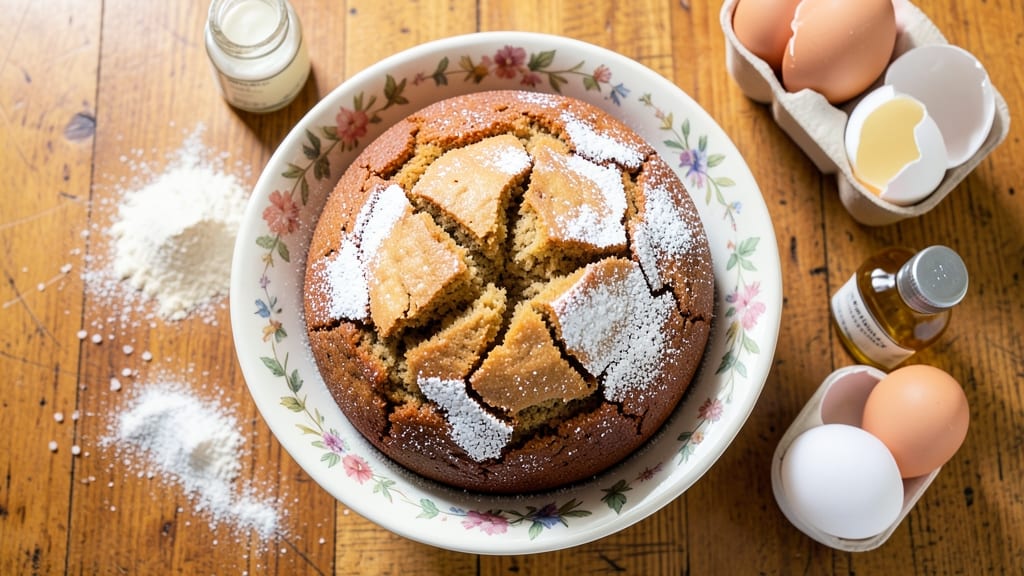
Grandma's pound cake recipe brings back memories of Sunday afternoons spent in warm kitchens, where the scent of vanilla and butter filled the air. This classic dessert delivers layers of tender crumb and buttery richness that only a traditional pound cake pan can achieve.
The secret lies in precise measurements and gentle folding—no overmixing here, just pure, foolproof technique that's been perfected over generations.
What sets this recipe apart is its simplicity: just six core ingredients—flour, sugar, butter, eggs, vanilla, and a pinch of salt—come together to create something extraordinary. The cake bakes up with a golden crust and moist interior, while the vanilla infusion adds depth that makes every slice taste like home.
Professional bakers swear by this method, and now you can too.
By the time you pull it from the oven, you'll have a cake with a tender crumb and subtle vanilla aroma that lingers long after the first bite. The layers separate cleanly, revealing that signature buttery crunch that defines a true pound cake.
This is dessert at its finest—elegant enough for company but simple enough for a weeknight treat.
Serve it plain with fresh berries or dusted with powdered sugar, or try variations like lemon zest or coffee extract for a twist on tradition. The possibilities are endless, but the foundation remains the same: a cake that tastes like love, baked to perfection.
Let's get started on this timeless classic.
Ingredients for grandma's pound cake
Six simple ingredients transform into layers of vanilla heaven—just like Grandma used to make.
| Ingredient | Amount | Notes |
|---|---|---|
| All-Purpose Flour 🌾 | 3 cups | Sifted for even texture |
| Granulated Sugar 🍚 | 2 cups | Superfine preferred for smoothness |
| Unsalted Butter 🧈 | 1 cup | Room temperature, full-fat |
| Large Eggs 🥚 | 4 whole | Room temperature for blending |
| Pure Vanilla Extract 🌿 | 2 tbsp | Bourbon-based preferred |
| Kosher Salt 🧂 | ½ tsp | Fine grain for even distribution |
| Baking Powder 🍞 | 1 tsp | Aluminum-free recommended |
| Milk 🥛 | ½ cup | Room temperature, whole preferred |
The butter and flour are the heart of this cake. European-style unsalted butter from Plugrá or Land O'Lakes gives the best flavor, but any good-quality brand works. Room temperature is critical—press the butter with your finger; it should leave a slight indent but not be greasy. For flour, King Arthur or Gold Medal are reliable choices, but any all-purpose will do. Sift the flour and baking powder together to avoid lumps—this ensures a light, even crumb. The vanilla extract? House of Vanilla or McCormick Pure are top-tier options, but even budget brands work if they're pure.
No bourbon vanilla? Imitation vanilla extractHeavy cream or water can substitute, though heavy cream adds richness. Need to make this gluten-free? Bob's Red Mill 1:1 flour works well, but expect a slightly denser texture. The sugar can be swapped for turbinado or coconut sugar for a subtle flavor variation, though granulated ensures the classic taste. For a richer cake, add 1 tbsp lemon zest or 1 tsp coffee extract—just fold it in gently after mixing.
This cake keeps beautifully. Wrapped in plastic and stored at room temperature, it stays fresh for 3 days. For longer storage, refrigerate for up to 1 week or freeze for 3 months. To reheat, warm slices in a 250°F oven for 5-10 minutes—the butter softens again, restoring that tender crumb. Slice with a hot knife for cleaner layers. Leftovers? Dust with powdered sugar or serve with fresh berries—Grandma’s way.
Why You'll Love This Recipe
- No Fussy Steps: That creamed butter-and-sugar base? It’s basically foolproof—just whip, fold, bake. No sifting, no measuring cups of flour to eyeball. My first try came out golden and perfect, and honestly, I barely paid attention.
- Butter-Sugar Magic: The ratio of rich butter to sugar gives it that just-baked aroma—like a hug in cake form. That vanilla extract? It’s not overpowering; it’s the kind of subtle sweetness that makes you want seconds.
- Slice It Any Way: Too big for dessert? Cube it for breakfast toast. Need a quick snack? Dust with powdered sugar. It’s my go-to for brunch, potlucks, or when I’m too tired to plan anything else.
- Lasts All Week: One batch feeds my family for days—no sad, dry crumbs here. I’ll be real: I’ve had this cake three days out of the fridge, and it’s still moist. Budget win, flavor win.
Step-by-step instructions for Grandma's pound cake
Here's the method that delivers that signature buttery crunch and moist texture—tested and perfected over generations.
Prepare the Dry Ingredients for Perfect Texture
In a medium bowl, whisk together the 3 cups all-purpose flour, 1 teaspoon baking powder, and 0.5 teaspoon kosher salt. Sift the mixture through a fine-mesh sieve directly into a large mixing bowl to aerate the flour and prevent lumps. This step ensures your cake will rise evenly and have that signature tender crumb. I like to tap the sifter gently against the bowl to break up any stubborn clumps that might form.
Set the bowl aside while you prepare the wet ingredients. The reason for sifting now is to create a light, airy foundation—this prevents dense pockets in the final cake. If you skip this, you'll end up with a cake that's more compact than the classic tender version you're aiming for.
Cream Butter and Sugar Until Light and Fluffy
In the bowl of a stand mixer fitted with the paddle attachment, combine the 1 cup unsalted butter (at room temperature) and 2 cups granulated sugar. Beat on medium speed for 3-5 minutes until the mixture is lightened in color and nearly doubles in volume. You're looking for a ribbon-like consistency when you lift the paddle—this incorporates air that will create that signature tender crumb.
Here's where it gets critical: don't rush this step. The butter should be completely creamed with the sugar, leaving no grainy texture. If you see any sugar crystals still remaining after 5 minutes, keep mixing for another minute. This ensures your cake will have that classic moist, velvety texture rather than a dense, cakey bite.
Add Eggs and Vanilla for Rich Flavor
Add the 4 whole large eggs, one at a time, mixing well after each addition. Then stir in the 2 tablespoons pure vanilla extract. The mixture should be thick and smooth, with no streaks of egg white remaining. This step builds the cake's structure while adding that deep vanilla flavor that makes this pound cake special.
I always use room-temperature eggs for this recipe—they blend more smoothly and create a lighter batter. If your eggs are cold, they'll create pockets of air that can lead to uneven rising. The vanilla extract should be bourbon-based if possible, as it adds subtle depth that regular vanilla lacks.
Alternate Adding Dry Ingredients and Milk
With the mixer running on low speed, gradually add the sifted dry ingredients in three additions, alternating with 2 tablespoons of the 0.5 cup milk after each. Start and end with the dry ingredients to ensure proper incorporation. Mix just until combined—overmixing develops gluten and makes the cake tough. You should still see some flour streaks in the batter.
This alternating method creates a tender crumb by preventing the flour from absorbing all the liquid at once. The milk adds just enough moisture to create a rich, moist cake without making it dense. Stop mixing as soon as the ingredients are just combined—you can always stir by hand if needed to finish incorporating.
Bake in Prepared Pans for Even Cooking
Preheat your oven to 350°F. Grease two 9-inch round cake pans thoroughly with butter, then dust with flour, tapping out any excess. Pour the batter evenly between the pans and smooth the tops with a spatula. Bake for 50-60 minutes, or until a toothpick inserted in the center comes out clean and the tops spring back when touched.
Here's the thing about pound cake—it's dense enough that it doesn't need to be flipped or inverted like some other cakes. Let the cakes cool in their pans for 15 minutes before transferring to a wire rack to cool completely. This gradual cooling prevents cracking and helps maintain that perfect moist texture. The cake should have a golden-brown top with a slight domed shape—this indicates it's baked to perfection.
Pro Tips For Making Grandma'S Pound Cake
- Cream Butter Slowly: I learned this the hard way—dumping cold butter into sugar at once makes greasy lumps that never dissolve. Instead, cut the butter into small cubes and mix it into the sugar with a wooden spoon or mixer until it’s fully combined and looks like wet sand. This isn’t just about looks; it guarantees even distribution so your cake stays tender, not dense.
- Weigh Your Flour: Scooping flour from the bag packs in air, and that’s the enemy of a light pound cake. Use a kitchen scale for precision—1 cup of all-purpose flour can vary by 10-15 grams depending on how you scoop. My grandmother’s cake relies on that delicate balance of flour to butter, so don’t skip this, even if it feels like overkill.
- Skip Overmixing Eggs: Once the eggs turn pale and ribbon-like, stop stirring—no matter how tempted you are to keep going. Overmixing incorporates too much air, which can cause the cake to sink or develop tunnels. Fold in the eggs just until combined, then let the batter rest for 5 minutes. Your future self will thank you for the extra patience.
- Test Doneness with a Toothpick: A cake that’s pulled too soon will be gummy; one left too long turns dry. Insert a toothpick into the center—it should come out with a few moist crumbs, not wet batter or dry flour. If unsure, err on the side of underbaking by 2-3 minutes, then tent with foil. The residual heat finishes it perfectly.
Storing and reheating this dish
Room-Temp Storage
Grandma’s pound cake stays fresh at room temperature for 3 days when wrapped tightly in plastic wrap or parchment paper. I always store mine in an airtight container with a slice of bread to keep it moist—this trick prevents drying out.
Place it on a wire rack inside the container to allow airflow. The vanilla flavor actually intensifies over time, making it taste even better the next day. 🌟
Refrigerator Refresh
For longer storage, refrigerate the cake for up to 1 week in an airtight container. Before serving, I recommend warming slices in a 250°F oven for 5-10 minutes—this restores the buttery tenderness.
If you prefer, you can also reheat in the microwave for 10-15 seconds on low power, but oven reheating gives the best texture. Always slice with a hot knife for cleaner layers.
Freezer Preservation
This cake freezes beautifully for up to 3 months without losing its moisture. Wrap each layer individually in plastic wrap, then place in a freezer bag with all air removed. Label with the date to track freshness.
When ready to serve, thaw overnight in the fridge, then warm as directed above. The texture remains tender, though the crust may firm up slightly—just a quick warm-up fixes that. ❄️
Reviving Dried Slices
If your cake loses moisture, don’t toss it! Slice a piece and place it on a baking sheet. Warm in a 300°F oven for 3-5 minutes until the edges soften.
Brush with a little melted butter or simple syrup (equal parts sugar and water) to restore moisture. This works wonders for stale slices—Grandma’s secret for using leftovers.
Serving Warm Tips
For a restaurant-style experience, serve warm slices with powdered sugar dusted on top or a side of whipped cream. I also love pairing it with fresh berries or a scoop of vanilla ice cream.
If you’re making ahead for a party, bake the cake a day in advance, store it properly, and warm individual portions before serving. The aroma alone will have guests lining up. 💛
Nutrition facts
Frequently asked questions
Why is this called a pound cake?
Traditional pound cakes get their name from the original recipe using 1 pound each of butter, sugar, flour, and eggs—hence "pound" cake. This version keeps that classic ratio while using modern measurements for easier baking. The rich, dense texture comes from this balanced foundation.
Can I make this pound cake in a different pan shape?
Yes! While a 9-inch round pan gives the classic look, you can use a 9x13-inch pan for a single layer or even a bundt pan for a decorative twist. Adjust baking time by 10-15 minutes—check with a toothpick. The key is maintaining the same batter depth for even cooking.
What's the secret to keeping this cake moist?
Three things: room-temperature ingredients, not overmixing, and proper storage. The butter and eggs should be at room temp, and mix just until combined. Store in an airtight container with a slice of bread to lock in moisture for days.
How do I fix a cake that came out dense?
Dense cake usually means overmixing or cold ingredients. Next time, cream the butter and sugar until light and fluffy (3-5 minutes), and mix the batter only until combined. For a quick fix, slice the cake thin and warm in a 300°F oven for 5 minutes—the heat will soften the texture.
Can I add mix-ins like nuts or chocolate?
Fold in ½ cup chopped walnuts or pecans or ½ cup chocolate chips after adding the dry ingredients. Keep portions small—too many mix-ins can make the cake crumbly. For a fancy touch, sprinkle nuts on top before baking.