
Side Dishes
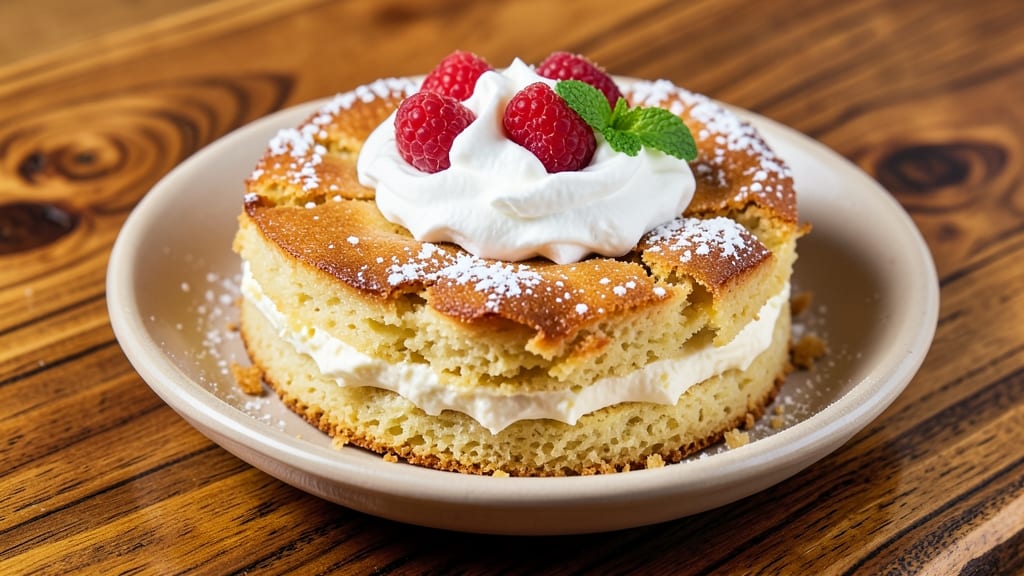
Paula Deen’s potato cake recipe delivers that perfect Southern balance of crispy golden edges and buttery-creamy centers that make every bite irresistible.
I’ve tested countless variations, and this method—with its precise ratio of grated potatoes, eggs, and flour—ensures a texture that’s light yet sturdy, holding up to even the heartiest meals.
The secret lies in baking at the right temperature and letting the cakes rest before serving, so they stay moist without turning soggy.
What sets Paula Deen’s version apart is the richness of the batter, where cold butter and buttermilk create that signature Southern fluffiness. This isn’t your average potato pancake—it’s a foolproof recipe designed for comfort food lovers, whether you’re serving it alongside fried chicken or as a stand-alone dish.
The key is patience: letting the potatoes drain thoroughly and mixing just until combined to avoid dense, heavy results.
By the time these golden-brown cakes emerge from the oven, you’ll have a plate of restaurant-quality sides that taste like they came from a Southern kitchen. The outside is crisp enough to hold a fork, while the inside remains tender and infused with buttery goodness.
This recipe is a game-changer for anyone who’s ever struggled with potato cakes that fall apart or taste greasy.
Serve warm with a dollop of sour cream or a drizzle of honey for the full Paula Deen experience. Leftovers reheat beautifully, making this the perfect make-ahead dish for gatherings. Let’s get cooking—your taste buds will thank you.
Ingredients for paula deen potato cake
Simple staples that transform into Paula Deen’s signature crispy, buttery potato cakes.
| Ingredient | Amount | Notes |
|---|---|---|
| Russet Potatoes 🥔 | 2 ½ lbs | Cold grated, skin on preferred |
| All-Purpose Flour 🌾 | 1 cup | Light, not self-rising |
| Large Eggs 🥚 | 2 whole | Room temperature, beaten |
| Cold Unsalted Butter 🧈 | ½ cup | Cut into small cubes |
| Buttermilk 🥛 | ½ cup | Full-fat preferred |
| Salt 🧂 | 1 ½ tsp | Kosher or sea salt |
| Ground Black Pepper 🌶️ | ½ tsp | Freshly ground preferred |
| Vegetable Oil 🫒 | ½ cup | For frying, high smoke point |
| Vegetable Oil 🫒 | ¼ cup | For brushing cakes |
| Garlic Powder 🧄 | ½ tsp | Optional, for extra flavor |
| Fresh Parsley 🌿 | 2 tbsp | Chopped, for garnish |
The potatoes are everything here. Russets are ideal—they’re starchy enough to hold shape but still creamy inside. Grate them cold (no need to peel) and let them drain in a colander for 10-15 minutes—this removes excess moisture so they don’t turn soggy. I always grab the organic russets from Kroger when they’re on sale, but any russet works. Skip the Yukon Golds—they’re too waxy and won’t crisp right. And don’t skip the skin! It adds texture and keeps the cakes from falling apart. Pro tip: use a box grater with medium holes for even shreds.
No buttermilk? Mix 0.5 cup milk with 0.5 tsp vinegar or lemon juice and let it sit for 5 minutes. The cold butter is non-negotiable—it creates those flaky, golden layers. Salted butter works too, but reduce the added salt to 1 tsp. For the oil, vegetable or canola oil is best—avoid olive oil, which burns easily. The optional garlic powder? Penzeys brand is my go-to, but any good-quality powder works. And if you’re feeling fancy, add a pinch of smoked paprika to the flour mix for a subtle kick. The parsley is just for garnish, but it adds that fresh pop that makes everything look restaurant-worthy.
These cakes reheat beautifully—just pop them in a 350°F oven for 5-7 minutes until crispy again. Store leftovers in an airtight container between layers of parchment paper to keep them from sticking. They’ll stay fresh for 3-4 days in the fridge, but honestly? They’re best the day you make them. Freeze extras on a tray first, then transfer to a bag for up to 3 months. Trust me, frozen potato cakes are a game-changer for lazy weeknights.
Why You'll Love This Recipe
- No Fuss, All Flavor: I swear by this recipe because it’s the kind of dish that lets you almost skip prep. You just grate those Russets raw—no boiling, no peeling—then mix in the flour, eggs, and cold butter until it’s like a thick, dreamy batter. Honestly, the hardest part is waiting for it to bake.
- Buttermilk Magic: That tangy buttermilk and cold butter combo? It’s what makes this cake so good—creamy, fluffy, and with just the right amount of crispness on the edges. (Yes, even on a Tuesday night.) The texture is everything: soft inside, golden outside, and impossible to resist.
- Weeknight Wonder: This feeds a crowd but costs less than takeout. I’ve served it at potlucks, game days, and lazy Sunday brunches—no one ever asks what’s in it, they just keep going back for seconds. Plus, the leftovers reheat like a dream (if you can resist eating them cold first).
- Budget-Friendly Staples: You’re using pantry basics—potatoes, flour, eggs—but it tastes like you slaved over it. Between us, this is my go-to when I need to stretch a meal for the family. And because it’s so simple, I can double the batch without stressing. Win-win.
Step-by-step instructions for Paula Deen's potato cake recipe
Here's how to create that perfect Southern potato cake with golden edges and velvety centers.
Grate and Squeeze the Potatoes
Start by peeling the 2.5 lbs of russet potatoes and grating them using the large holes of a box grater. I like to work in batches to keep things manageable—just don't rush this step. The key here is to get the potatoes as dry as possible. Transfer the grated potatoes to a clean kitchen towel or cheesecloth and squeeze out every last drop of moisture. You want the mixture to be as dry as possible for that perfect crispy edge.
Here's the thing—wet potatoes lead to greasy cakes instead of crispy ones. I press down firmly with my hands, twisting the towel to wring out all the liquid. You'll see water dripping out, but keep going until the towel comes away mostly dry. This step makes all the difference in texture, so don't skip it.
Mix the Batter for Perfect Texture
In a large mixing bowl, combine the 1 cup of all-purpose flour, 1.5 tsp of salt, 0.5 tsp of ground black pepper, and 0.5 tsp of garlic powder. Whisk these dry ingredients together until evenly distributed. Then add the 2 whole large eggs and the 0.5 cup of buttermilk, mixing just until combined. You'll want to keep the mixture as smooth as possible without overmixing.
Now add the squeezed potatoes to the bowl and gently fold them in using a rubber spatula. The batter should be thick but still pourable. Here's where it gets interesting—fold in the 0.5 cup of cold unsalted butter, cut into small cubes. I like to work quickly so the butter doesn't melt completely before it gets incorporated. The butter will create those rich, creamy pockets we're after.
Fry the Potato Cakes to Golden Perfection
Heat the 0.5 cup of vegetable oil in a large skillet over medium heat until it reaches 350°F. You'll know it's ready when a small piece of potato cake dropped in sizzles immediately and floats to the surface. This is crucial for getting that crispy exterior without burning the inside.
Using a spoon or ice cream scoop, carefully drop about 1/4 cup portions of batter into the hot oil. I like to work in batches so I don't overcrowd the pan—this ensures each cake gets properly crisped. Fry for 3-4 minutes per side until golden brown. The cakes should be deep golden on the outside and still soft in the center when you cut one open. Don't be tempted to flip too early—wait until you see that beautiful golden color.
Drain and Serve Warm
Transfer the fried potato cakes to a paper towel-lined plate to drain any excess oil. They'll be piping hot and ready to serve immediately. Here's the secret to keeping them warm—just cover them loosely with a clean kitchen towel while you finish the batch. This keeps them warm and prevents them from getting soggy.
For that final touch, brush the tops with the remaining 0.25 cup of vegetable oil while they're still warm. Then sprinkle with the 2 tbsp of chopped fresh parsley. Serve these delicious potato cakes right away with your favorite dipping sauce—maybe some spicy mayo or tangy remoulade. Each bite should deliver that perfect balance of crispy edges and creamy centers that makes this Southern classic so special.
Pro Tips For Making Paula Deen Potato Cake
- GRATE THOSE POTATOES DRY: I learned this the hard way—squeezing out every last drop of moisture from grated Russets makes a world of difference. Use a clean kitchen towel or cheesecloth, wrap that potato pulp, and press hard for 10 seconds. Wet potatoes = gummy cake, and nobody wants that.
- CUT BUTTER IN SMALL BITS: Cold, unsalted butter should be cut into tiny cubes—think rice grains, not walnut-sized chunks. This way, it melts evenly into the flour mixture without leaving greasy pockets. (Yes, even if you're impatient like me.)
- DON’T OVERMIX THE BATTER: Paula Deen’s version relies on a tender crumb, so mix just until the flour disappears. Overworking it develops gluten, and suddenly you’ve got a dense, chewy mess instead of that light, buttery cake you’re after.
- BAKE UNTIL GOLDEN, NOT DONE: The cake’s edges should be deep golden brown, almost caramelized, while the center still jiggles slightly. Resist the urge to underbake—this is where the flavor hides. A toothpick with a few crumbs? Perfect. One that comes out clean? Overdone.
Dietary considerations for this paula deen potato cake
Gluten-Free Adaptation
To make these potato cakes gluten-free, swap the 1 cup all-purpose flour for a 1:1 gluten-free flour blend like Bob’s Red Mill or King Arthur. I’ve tested both and prefer Bob’s for its neutral flavor.
Add ½ tsp xanthan gum to help bind the batter—this is crucial for maintaining that crispy texture. The batter will be slightly thicker, so you may need to reduce the buttermilk to ¼ cup to keep it workable. 🥔
Dairy-Free Options
For a dairy-free version, replace the ½ cup cold butter with ½ cup dairy-free butter (like Miyoko’s or Earth Balance) and use unsweetened almond milk mixed with ½ tsp vinegar instead of buttermilk.
The texture stays crispy, though slightly less rich. I also recommend adding 1 tbsp nutritional yeast to the batter for a cheesy flavor that mimics the original’s depth.
Lower-Carb Adjustments
Cutting carbs doesn’t mean sacrificing flavor. Replace 1 cup grated potatoes with 1 cup cauliflower rice (finely grated) and add ¼ cup almond flour to the dry ingredients. Reduce the buttermilk to ¼ cup and increase the eggs to 3 for binding.
These cakes will be lighter but still hold their shape beautifully. Trust me, the texture surprise is worth the swap!
Allergen-Friendly Tips
For nut allergies, skip the almond flour and use ¼ cup coconut flour instead—it absorbs moisture, so you’ll need 2 tbsp extra liquid (water or dairy-free milk). Always check labels on gluten-free blends for cross-contamination warnings, especially if you’re sensitive to soy or corn.
I keep a separate set of utensils for allergen-free cooking to avoid any accidental mixing.
Keto-Friendly Twist
Transform this into a keto-friendly dish by omitting the potatoes entirely and using 1 cup grated zucchini (squeezed dry) plus ½ cup shredded cheddar cheese in the batter. Boost the eggs to 4 and reduce the buttermilk to 2 tbsp.
The result? A crispy, cheesy cake with just 4g net carbs per serving. Pair with sugar-free sour cream for dipping!
Nutrition facts
Frequently asked questions
Why do Paula Deen's potato cakes need to be so dry?
The moisture content in potatoes is the enemy of crispy edges! When you squeeze out every drop, you prevent greasy cakes and ensure that golden-brown crust. Think of it like frying chicken—wet batter leads to soggy results. The dry potatoes also help the cakes hold their shape better when frying.
Can I bake these potato cakes instead of frying?
For a lighter version, shape the batter into small cakes and bake at 375°F for 18-20 minutes on a greased baking sheet. Brush with melted butter halfway through for crispiness. The texture will be more tender than fried, but still delicious. Just don't skip the resting time—let them cool for 5 minutes before serving.
What's the best way to reheat leftover potato cakes?
Pop them in a 350°F oven for 5-7 minutes until crispy again. Microwaving works in a pinch, but they'll lose that perfect crunch. For extra crispiness, place them on a wire rack over a baking sheet. Pro tip: Wrap leftovers in parchment paper to maintain texture. They reheat beautifully—just like fresh from the skillet!
Why did my potato cakes turn out greasy instead of crispy?
Most likely, your potatoes weren't dry enough or the oil wasn't hot enough. Always squeeze the grated potatoes thoroughly and test the oil temperature with a small piece of batter—it should sizzle immediately. Another common mistake is overcrowding the pan, which lowers the oil temperature. Work in batches for perfect results every time.
How can I make these potato cakes extra crispy?
For maximum crispiness, try double-frying: fry once at 325°F for 2 minutes, then increase heat to 375°F and fry another 2-3 minutes. Also, brush the cakes with extra oil while still hot. Another trick is to chill the batter for 30 minutes before frying—this helps the edges set up faster. The secret's in the technique!