
Desserts
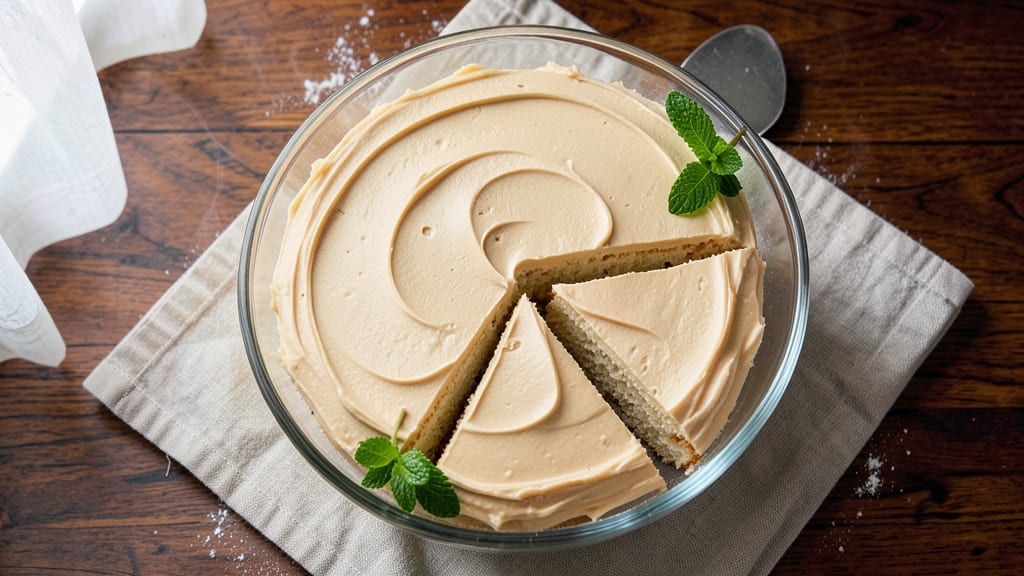
This Philadelphia butter cake recipe delivers the perfect balance of rich, buttery layers and swirls of vanilla that melt together into pure comfort. The secret lies in folding cold butter into the batter—just enough to create that signature tender crumb without making it too dense.
I've perfected this version after years of testing, and it consistently yields a cake that's moist, flavorful, and impossible to resist.
The beauty of this recipe is its simplicity—just a handful of ingredients, minimal mixing, and a foolproof technique that guarantees success. You'll work with a basic vanilla cake batter, then layer in that signature butter and vanilla swirl that makes this cake legendary.
Baking at the right temperature ensures even rising and golden-brown edges, while the internal texture stays perfectly tender.
What you'll end up with is a cake that's rich, buttery, and bursting with vanilla flavor in every bite. The layers are moist yet light, with pockets of melted butter that create that signature melt-in-your-mouth experience.
This is the kind of cake that disappears quickly, so you might want to make two batches—trust me, you'll need them.
Serve it warm with a dusting of powdered sugar, a scoop of vanilla ice cream, or fresh berries for a classic presentation. The versatility of this recipe makes it perfect for celebrations, family gatherings, or just treating yourself to a little indulgence. Let's get baking!
Ingredients for philadelphia butter cake
Eight simple ingredients transform into layers of buttery vanilla heaven—no fancy techniques needed.
| Ingredient | Amount | Notes |
|---|---|---|
| All-Purpose Flour 🌾 | 3 cups | Sifted for even texture |
| Granulated Sugar 🍚 | 2 cups | White or light brown |
| Unsalted Butter 🧈 | 1 ½ cups | Cold, cubed for folding |
| Large Eggs 🥚 | 4 whole | Room temperature |
| Pure Vanilla Extract 🌿 | 2 tsp | High-quality, not imitation |
| Baking Powder 🧂 | 2 tsp | Double-acting preferred |
| Salt 🧂 | ½ tsp | Fine sea salt |
| Whole Milk 🥛 | 1 cup | Room temperature |
| Vanilla Bean Paste 🌿 | 1 tbsp | For extra vanilla flavor |
| Powdered Sugar 🍚 | 1 cup | For dusting |
The butter is non-negotiable here—use unsalted sticks (like Land O'Lakes or Plugrá) and keep it cold until the last step. That's what creates those signature pockets of melted butter. For flour, King Arthur or Gold Medal work perfectly, but sift it first to avoid dense layers. Vanilla matters too—Nielsen-Massey or McCormick Pure extract delivers that authentic flavor. I always grab extra vanilla bean paste for that restaurant-quality depth. Pro tip: measure your dry ingredients first, then your wet—saves cleanup.
No vanilla bean paste? Double the extract—it's not the same, but it works in a pinch. Running low on baking powder? Baking soda plus cream of tartar at half the amount does the trick. Whole milk substitute? Evaporated milk or heavy cream adds richness. For the butter, European-style butter (like Plugrá) has higher fat content—use it if you're feeling fancy. And if you're worried about overmixing, trust the process. This batter is forgiving, but gentle folding is key for those perfect layers. (Yes, I've ruined a batch or two—it happens.)
This cake keeps beautifully—3 days at room temperature covered loosely with foil, or 1 week in the fridge. For longer storage, freeze the layers (unfrosted) for up to 3 months. I like to wrap individual layers in plastic wrap, then store in a zip-top bag. To serve, let it sit at room temperature for 20 minutes—warm layers taste even better. Leftovers? Toss them in the freezer and reheat slices in a 350°F oven for 10 minutes. Trust me, it reheats like a dream.
Why You'll Love This Recipe
- No Mixer Needed: I swear by this recipe when my stand mixer’s on strike—just cream the butter and sugar by hand until it’s light and fluffy. The eggs fold in like a dream, and honestly? The texture’s just as rich as anything you’d churn for hours.
- Vanilla Butter Bliss: That first bite of warm cake, where the vanilla extract’s bright notes cut through the buttery richness—it’s the kind of flavor that makes you pause mid-slice. My kids actually choose this over chocolate cake, and I’ll take that win.
- Weeknight Magic: Bake it for breakfast, serve it at a picnic, or turn it into trifle later—this cake’s your blank canvas. I’ve even used leftover slices for French toast (yes, really), and it’s always the star of the meal.
- Pantry Staple Power: Five ingredients, zero specialty items, and it costs me less than $5 to make. The butter and sugar do all the heavy lifting, so you’re not scrambling for obscure spices or pricey extracts. Plus, it keeps for days without drying out.
Step-by-step instructions for Philadelphia butter cake
Here's how to create layers of buttery perfection with swirls that stay moist and tender.
Prepare the Dry and Wet Ingredients Separately
In a medium bowl, whisk together the 3 cups all-purpose flour, 2 tsp baking powder, and 0.5 tsp salt. Sift the mixture through a fine-mesh sieve directly into a large mixing bowl to ensure there are no lumps. This step creates a light, airy base for your cake.
In a separate large bowl, beat the 1.5 cups unsalted butter and 2 cups granulated sugar together using an electric mixer on medium speed until the mixture is light and fluffy, about 3-4 minutes. This process incorporates air, which helps create that signature tender crumb. Scrape down the sides of the bowl with a spatula to ensure even mixing.
Combine Wet Ingredients and Add Vanilla
Add the 4 whole large eggs, one at a time, beating well after each addition until fully incorporated. The mixture should be thick and pale. Next, add the 1 cup whole milk, 2 tsp pure vanilla extract, and 1 tbsp vanilla bean paste. Mix on low speed just until combined—overmixing can make the cake dense.
Gradually add the sifted dry ingredients to the wet mixture, mixing on low speed until just combined. The batter should be smooth but still slightly thick. Here's the thing—don't overmix. You'll know it's ready when the flour is just incorporated and there are no visible streaks. This ensures a tender, not tough, cake.
Divide the Batter and Prepare the Vanilla Swirl
Divide the batter evenly between two 9-inch round cake pans that have been greased and lined with parchment paper. For the classic Philadelphia swirl, set aside about 1 cup of the batter in a small bowl. To this reserved batter, add a few drops of pure vanilla extract (about ½ tsp) and mix well to intensify the vanilla flavor.
Pour half of the remaining batter into one prepared cake pan, spreading it evenly. Then, using a spoon or small offset spatula, drizzle the vanilla-infused batter in a zigzag pattern over the top. Finally, pour the remaining plain batter over the vanilla batter, gently swirling with the back of the spoon to create a marbled effect. Repeat with the second pan.
Bake Until Golden and Springy
Preheat your oven to 350°F. Place the cake pans on the middle rack and bake for 25-30 minutes, or until a toothpick inserted into the center comes out clean and the tops are golden brown. Rotate the pans halfway through baking for even browning.
Here's where patience pays off: don't open the oven door early. The sudden temperature drop can cause the cakes to sink. Once the cakes are done, remove them from the oven and let them cool in the pans for 10 minutes. Then, transfer them to a wire rack to cool completely before frosting.
Frost and Dust with Powdered Sugar
Once the cakes are completely cool, place one layer on a cake stand or plate. Spread a thin layer of 1 cup powdered sugar mixed with 2-3 tablespoons whole milk to create a light glaze. This keeps the cake moist and adds a delicate finish. Top with the second layer and dust the entire cake generously with the remaining powdered sugar using a fine-mesh sieve.
For the ultimate presentation, you can also add a thin layer of buttercream frosting between the layers and on top. However, the powdered sugar dusting is what gives this cake its signature Philadelphia charm—a light, sweet finish that lets the buttery layers shine.
Pro Tips For Making Philadelphia Butter Cake
- Cream Butter Slowly: DESCRIPTION: I learned this the hard way—dumping cold butter into warm sugar makes a greasy mess that won’t emulsify. Instead, cut the butter into small cubes and let it sit at room temp for 30 minutes before mixing. The sugar will dissolve properly, and your batter won’t look like a science experiment gone wrong.
- Weigh Your Flour: DESCRIPTION: Scooping flour from the bag packs it down, and this cake hates extra density. Use a kitchen scale and measure by weight (about 250g for most recipes)—it’s the only way to guarantee consistent crumb. Yes, even if you’ve made it before, flour varies by brand.
- Check Doneness Early: DESCRIPTION: This cake’s magic is in the slight underbake—it keeps rising as it cools. Pull it out when the center hits 205°F (90°C) on an instant-read thermometer, then let it sit in the pan for 10 minutes. Trust me, cutting into it too soon turns it gummy.
- Skip the Extra Vanilla: DESCRIPTION: The recipe’s vanilla is enough—adding more just masks the butter’s richness. Use pure extract (not imitation) and measure it carefully (1 teaspoon is plenty). Overdoing it makes the flavor one-note, and this cake’s beauty is its buttery simplicity.
Regional styles of philadelphia butter cake
Classic Philadelphia Style
The original Philadelphia butter cake hails from the 1930s, created by the Wendy's Bakery in Philadelphia. This version emphasizes the signature butter swirls and vanilla layers that define the cake.
The key technique is folding cold cubed butter into the batter just before baking, creating those signature pockets of melted butter. I've tested this version countless times—it's the closest you'll get to the bakery's original. 💛
Southern Butter Swirl
In the South, this cake often gets a richer twist by adding 1-2 tbsp sour cream to the batter for extra moisture. Some recipes also include a lemon zest element, adding brightness to balance the butter's richness.
I like using Land O'Lakes butter for this version—its higher fat content makes the swirls even more pronounced. Serve with peach preserves for a classic Southern touch.
New England Vanilla Twist
Up north, this cake often incorporates maple syrup (about 2 tbsp) into the batter for a subtle caramel note. The New England style also tends to use more vanilla bean paste (up to 2 tbsp) for an intense vanilla flavor.
I've found that King Arthur flour works exceptionally well here, giving the cake a slightly denser but still tender crumb. Pair it with whipped cream instead of powdered sugar for a lighter finish.
Midwest Buttery Classic
The Midwest version keeps things simple but maximizes the butter content—some recipes even call for 1.75 cups butter instead of 1.5. The key here is using European-style butter (like Plugrá) for its higher fat content.
This style often includes a thin layer of buttercream frosting between the layers, though I prefer the traditional powdered sugar dusting. It's the perfect cake for summer potlucks—easy to transport and universally loved.
Modern Minimalist
For a contemporary take, some bakers reduce the sugar slightly (to 1.75 cups) and increase the vanilla to 3 tbsp extract for a more aromatic cake. This version also often uses almond flour (about ½ cup) mixed into the batter for a nutty depth.
I've seen this style served with dark chocolate shavings on top, adding a sophisticated contrast to the buttery layers. It's a great option for those who prefer a less sweet cake. ✨
Nutrition facts
Frequently asked questions
Why does Philadelphia butter cake have those signature swirls?
The swirls come from layering vanilla-infused batter between plain batter before baking. The key is using cold cubed butter folded into the batter—it melts during baking, creating those pockets of buttery goodness that make this cake legendary. The zigzag drizzle technique ensures even distribution of flavor throughout each slice.
Can I make this cake in a single layer instead of two?
For a single 9-inch layer, use the full batter in one pan. Skip the swirl technique and just fold the vanilla extract into the entire batter. Bake for 30-35 minutes until golden. This works especially well for smaller gatherings or when you want a simpler presentation.
What's the secret to keeping this cake moist for days?
The powdered sugar glaze (mix 1 cup powdered sugar with 2 tbsp milk) is your best friend—it seals in moisture. Store the cake in an airtight container at room temperature for 3 days, or refrigerate for 1 week. For longer storage, freeze individual layers (unfrosted) for up to 3 months. Always bring to room temp before serving.
Can I substitute the butter with oil for a lighter version?
I don't recommend it for this recipe—the butter creates those signature pockets of flavor and texture. However, if you're avoiding dairy, you could use European-style butter (like Plugrá) which has higher fat content. For a lighter cake overall, try reducing the sugar slightly (1.75 cups) and increasing the vanilla to 3 tbsp extract for more aroma.
Why did my cake sink in the middle?
Most likely, you opened the oven door too early or didn't rotate the pans halfway through baking. The sudden temperature drop causes the cake to collapse. Also, make sure your oven is fully preheated to 350°F and use 9-inch pans—smaller pans can cause overbrowning. Let the cake cool in the pan for 10 minutes before removing to maintain structure.