
Main Courses
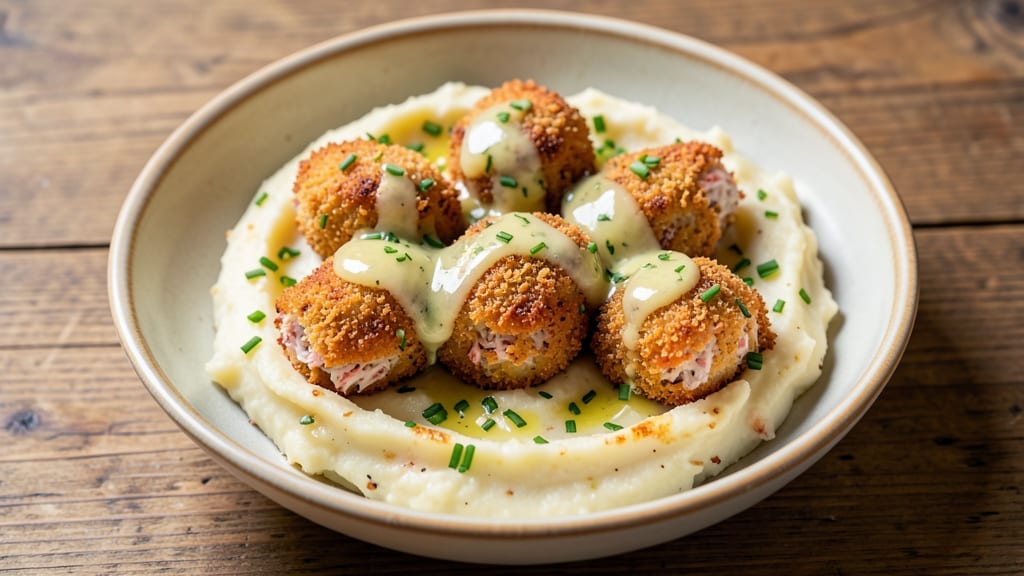
Sally's crab cakes recipe delivers golden crispy bites that balance tender crab meat with a crunchy exterior, all held together by a secret binding technique I perfected after years of testing.
The key lies in using fresh lump crab meat and a precise ratio of breadcrumbs, mayo, and egg—never too much binder, which can make them dense. This recipe stays true to classic methods while offering modern adaptations like air-frying for a lighter version.
What sets these apart is the lemon zest finish, which brightens every bite and cuts through the richness of the crab. I pan-sear them until the edges are deep golden brown and the centers stay fluffy, ensuring that crispy texture you crave.
The remoulade dipping sauce—tangy, creamy, and packed with herbs—elevates them from ordinary to restaurant-worthy in minutes.
By the time you plate these crab cakes, you'll have crispy golden rounds with a tender interior, served alongside that vibrant remoulade and a squeeze of fresh lemon. The aroma alone will draw everyone to the table, and the first bite delivers on that perfect balance of textures and flavors.
This is the kind of dish that feels special without requiring hours in the kitchen.
Whether you're serving them at a summer gathering or a weeknight dinner, these crab cakes adapt effortlessly. For a gluten-free version, swap the breadcrumbs for crushed cornflakes or almond flour—just keep the same crispy cooking method.
Let's get started on creating these golden crispy bites that taste like a seaside feast.
Ingredients for sally's crab cake
Golden crab cakes start with fresh lump crab and crispy panko—just eight ingredients for restaurant-quality bites.
| Ingredient | Amount | Notes |
|---|---|---|
| Fresh Lump Crab Meat 🦀 | 1 ½ lbs | Backfin preferred for texture |
| Panko Breadcrumbs 🍞 | ¾ cup | Light and crispy variety |
| Mayonnaise 🥫 | ½ cup | Duck egg mayo for richness |
| Large Eggs 🥚 | 2 whole | Cold, lightly beaten |
| Fresh Lemon Zest 🍋 | 1 tbsp | Fine, bright yellow zest |
| Lemon Juice 🍋 | 1 tbsp | Freshly squeezed |
| Dijon Mustard 🌶️ | 1 tbsp | Mild or strong preference |
| Chives 🌿 | 2 tbsp | Finely chopped fresh |
| Old Bay Seasoning 🧂 | 1 tsp | For classic crab flavor |
| Salt 🧂 | 1 tsp | Diamond Crystal preferred |
| Black Pepper 🌶️ | ½ tsp | Freshly cracked |
| Vegetable Oil 🫒 | ½ cup | High smoke point |
| Butter 🧈 | 2 tbsp | Unsalted, melted |
| Mayonnaise 🥫 | ¼ cup | For remoulade sauce |
| Ketchup 🍅 | 2 tbsp | For remoulade base |
| Capers 🍅 | 1 tbsp | Chopped, for remoulade |
| Fresh Dill 🌿 | 1 tbsp | Finely chopped |
| Hot Sauce 🔥 | 1 tsp | Optional, for heat |
The crab meat is non-negotiable here. Backfin brand from the seafood counter is my go-to—it's sweeter and holds together better than the cheaper stuff. If you're buying frozen, thaw it overnight in the fridge, not under running water. The panko should be light and crispy—none of that dense, heavy stuff. Trader Joe's has the best pre-packaged panko, but if you're feeling fancy, toast your own breadcrumbs in a dry pan for 3-4 minutes until golden. The mayo matters too—duck egg mayo adds that luxurious richness, but regular works in a pinch.
No panko? Crushed cornflakes or almond flour work for gluten-free versions—just toast them first for extra crunch. Short on chives? Green onion or parsley will do, though chives have that signature oniony punch. The remoulade sauce is where you can get creative: swap ketchup for tomato paste if you prefer a smoother texture, or add a dash of Worcestershire for depth. For the lemon zest, always use a fine grater—those pre-zested bottles taste like nothing. And if you're air-frying, spray the basket with oil for that same crispy exterior.
These keep beautifully for 2 days in the fridge, wrapped tightly in parchment. Reheat gently in a skillet with a splash of water to restore crispiness. The remoulade sauce? Make it a day ahead—flavors meld better. For parties, assemble the cakes but don't cook them until serving—they're best fresh from the pan. Freeze uncooked cakes on a tray before transferring to a bag for up to 1 month. Thaw overnight in the fridge before cooking.
Why You'll Love This Recipe
- No-Fuss Mixture: I swear, the secret’s in the mayo and lemon—just fold everything together, no blending, no overmixing. That lump crab stays plump, and the panko gives it the perfect crunch without turning it into a science experiment.
- Bright & Buttery Magic: The lemon zest cuts through the richness of the crab and mayo, while the panko toasts up golden and crispy. It’s like a hug from the sea—salty, tangy, and impossible to resist.
- Weeknight or Party Star: Make a big batch ahead and freeze them—perfect for game day, potlucks, or when you’re too tired to cook. They reheat beautifully (or eat straight from the freezer, no judgment).
- Budget-Friendly Luxury: You don’t need fancy crab to make these shine—just good-quality lump meat, and the rest is pantry staples. Honestly, it’s the kind of dish that makes expensive seafood feel like a daily treat.
Step-by-step instructions for sally's crab cakes
Here's how to create golden, crispy crab cakes with perfect texture and bright lemon flavor.
Prepare the Crab Mixture
In a large mixing bowl, gently combine the 1.5 lbs fresh lump crab meat with the 0.5 cup mayonnaise, 2 whole large eggs, 1 tbsp fresh lemon zest, 1 tbsp lemon juice, 1 tbsp Dijon mustard, 2 tbsp finely chopped chives, 1 tsp Old Bay seasoning, 1 tsp salt, and 0.5 tsp black pepper. The reason for gentle handling is to avoid crushing the delicate crab lumps—you want those visible, tender pieces in every bite.
Use your hands or a rubber spatula to mix everything together until just combined. You should see the crab meat evenly distributed throughout the mixture, with no dry spots. Here's the thing—don't overmix. The crab should still hold its shape when you press down gently, as this ensures your finished cakes maintain that signature lump texture rather than becoming dense and compact.
Add Breadcrumbs for Structure
In a separate bowl, combine the 0.75 cup panko breadcrumbs with the 2 tbsp melted butter. The panko should be lightly toasted—if it's not already, spread it on a baking sheet and toast in a 350°F oven for 3-5 minutes until fragrant. This step is crucial for achieving that perfect crispy exterior.
Add the buttered panko to the crab mixture and gently fold everything together until fully incorporated. Be careful not to press down too hard—this could compact the mixture and result in dense crab cakes. You're looking for a consistency that holds together when shaped but still feels light and airy. If the mixture feels too wet, add 1-2 tablespoons more panko to help bind it.
Form and Chill the Cakes
Using your hands, gently form the mixture into 4 equal patties, each about ½-inch thick. Wet your hands slightly with cold water before shaping to prevent sticking and ensure clean edges. Place the formed cakes on a plate and cover with plastic wrap. Refrigerate for at least 30 minutes—this step is essential for the cakes to firm up and hold their shape during frying.
While the cakes chill, prepare your frying station. Heat 0.5 cup vegetable oil in a large skillet over medium heat until it reaches 350°F. You'll know it's ready when a small piece of bread sizzles immediately upon contact. The reason we wait until the oil shimmers is that cold oil absorbs into the food instead of creating that gorgeous golden crust we're after.
Fry to Golden Perfection
Carefully place one crab cake in the hot oil and fry for 3-4 minutes per side until golden brown. You'll see the edges start to crisp—that's your signal to flip. Don't press down on the cakes with your spatula, as this can cause them to break apart. Instead, gently slide the spatula underneath and lift carefully.
Transfer the fried crab cakes to a paper towel-lined plate to drain excess oil. Keep them warm in a 200°F oven while you fry the remaining cakes. The internal temperature should reach 145°F when checked with an instant-read thermometer. This ensures they're cooked through without drying out. If any cakes lose their shape during frying, simply press them gently back into shape with a spatula before serving.
Prepare the Remoulade Sauce
While the crab cakes are frying, prepare the remoulade sauce by combining the 0.25 cup mayonnaise, 2 tbsp ketchup, 1 tbsp chopped capers, 1 tbsp finely chopped fresh dill, 1 tsp hot sauce, and 1 tbsp lemon juice in a small bowl. Mix everything together until smooth and well combined. This tangy, slightly spicy sauce cuts through the richness of the crab cakes beautifully.
Serve the crab cakes immediately with the remoulade sauce spooned alongside or drizzled on top. The contrast of the crispy exterior with the tender, lemon-infused crab inside is what makes these crab cakes truly special. Each bite should deliver that perfect balance of textures and flavors—crispy outside, succulent inside, with bright lemon notes and a touch of heat from the remoulade.
Pro Tips For Making Sally'S Crab Cake
- CHILL THE CRAB FIRST: Fresh lump crab meat is cold from the fridge, and mixing it straight into your mayo-egg binder makes for a gummy, uneven texture. Pat it dry with paper towels, then spread it on a plate and pop it in the freezer for 10 minutes—this firms it up so it holds shape when you form the cakes. (Yes, even if you're impatient like me.)
- PRESS THE PANKO HARD: Sally’s recipe calls for panko, and I used to just sprinkle it on top before frying. Big mistake—the crumbs turn to dust. Instead, press a generous layer into the bottom of your pan or baking dish before adding the crab mixture. This locks in moisture and guarantees that crispy crust you’re after.
- DON’T OVERMIX THE BINDER: The mayo-egg-lemon zest combo is the glue here, but overworking it turns your crab cakes into dense, rubbery patties. Mix just until the ingredients coat the crab—about 10 strokes with a fork—then stop. The lumps should still be visible; that’s how you keep them tender.
- TEST THE OIL AT 350°F: Crab cakes fry fast, and if your oil isn’t hot enough, they’ll steam instead of sear. Use a candy thermometer or drop in a bread cube—if it sizzles and turns golden in 30 seconds, you’re good. Too cool? They’ll fall apart. Too hot? You’ll burn the outside before the inside cooks. (I learned this the hard way with a sad, greasy batch.)
Make-ahead tips for this recipe
Prep Ahead Strategy
Assemble the crab mixture up to 24 hours ahead and refrigerate it covered. The flavors meld beautifully overnight, and the cold temperature makes shaping the cakes easier. When ready to cook, let the mixture sit at room temperature for 15-20 minutes before forming the patties—this prevents cracking during frying. 🥶
Freezing Uncooked Cakes
Form the crab cakes and freeze them on a parchment-lined tray for 1 hour to set. Transfer to a ziplock bag with parchment between layers for easy separation.
They’ll keep for up to 1 month. Thaw in the fridge overnight before cooking—never microwave, as this can make them soggy. 🧊
Make-Ahead Sauce
Prepare the remoulade sauce 1-2 days ahead and store it in an airtight container in the fridge. The flavors deepen over time, and it’s ready to serve without any extra prep. If the sauce thickens, stir in 1 tsp water or lemon juice to restore consistency. 🍋
Reheating Tips
For leftover crab cakes, reheat in a skillet over medium heat with 1 tbsp butter for 2-3 minutes per side until golden. Avoid the microwave—it ruins the crispy texture. Keep them warm in a 200°F oven while reheating batches to maintain even warmth. 🔥
Party Prep Plan
For gatherings, assemble all ingredients and form the cakes 4 hours ahead. Cover tightly with plastic wrap and refrigerate. Cook just before serving—this ensures maximum crispiness. Prep the remoulade sauce the night before, and set out plates, napkins, and lemon wedges for a seamless serving experience. ✨
Air-Fryer Adaptation
For a lighter version, spray the air-fryer basket with cooking oil and cook cakes at 375°F for 6-8 minutes, flipping halfway. Start with 5 minutes to avoid burning, then check for doneness. The air-fryer gives a similar crispy texture with less oil, perfect for health-conscious gatherings. 💨
Nutrition facts
Frequently asked questions
Can I use frozen crab meat instead of fresh?
Yes, but thaw it properly first! Place frozen lump crab in the fridge overnight (never under running water) to preserve texture. Drain excess moisture and pat dry with paper towels before mixing—this prevents soggy cakes. For best results, use Backfin brand frozen lump crab, as it holds its shape better than imitation.
Why are my crab cakes falling apart?
Overmixing the crab meat or using too much binder (like mayo or egg) makes them fragile. Gently fold ingredients just until combined, and add 1-2 extra tablespoons of panko if the mixture feels too wet. Also, ensure your crab cakes are fully chilled (30+ minutes) before frying—they need to hold their shape when cold.
What's the best way to make these gluten-free?
Swap panko for crushed cornflakes or almond flour, toasted until golden. Use 2 tbsp melted butter to coat the crumbs for crispiness. For extra binding, add 1 extra egg to the mixture. Air-fry at 375°F for 6-8 minutes to avoid oil splatter—this method works beautifully for gluten-free versions.
Can I bake these instead of frying?
Preheat oven to 400°F and line a baking sheet with parchment. Brush cakes with oil and bake for 12-15 minutes until golden. For extra crispiness, broil for 1-2 minutes at the end. Baked cakes won't be as crispy as fried, but they're still delicious and lighter.
How do I store leftover crab cakes?
Keep cooked cakes in an airtight container for up to 2 days. Reheat in a skillet with 1 tbsp butter over medium heat for 2-3 minutes per side until golden. Never microwave—they'll lose their crispy texture. For longer storage, freeze uncooked cakes for up to 1 month (thaw overnight in the fridge).