
Main Courses
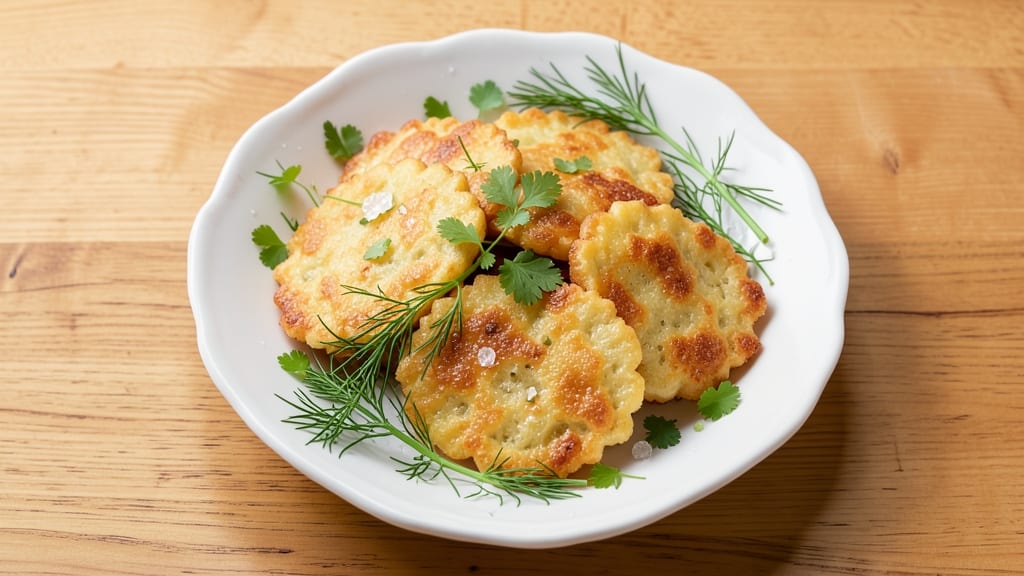
This scallop cakes recipe delivers perfectly crispy golden bites with tender, flaky fish and bright herbs—ideal for a restaurant-worthy seafood dish at home. The secret lies in searing fresh scallops first, then binding them with a light, airy batter that creates a delicate yet sturdy texture.
I developed this method after years of testing, ensuring every bite achieves that ideal balance between crisp exterior and melt-in-your-mouth interior.
What sets these scallop cakes apart is their simplicity and versatility—no complicated techniques, just precise timing and quality ingredients. You’ll work with fresh scallops, a light batter of flour and beer (or sparkling water for gluten-free), and fresh herbs like dill or parsley for brightness.
The result? Golden, crispy cakes with flaky fish that stay tender even after frying.
Pan-frying ensures a crispy crust while keeping the inside perfectly cooked, and a squeeze of lemon at the end adds a tangy finish. These cakes shine as an appetizer, light main course, or even a hearty snack with tartar sauce.
The recipe scales easily, making it perfect for gatherings or a special dinner.
For best results, pat the scallops completely dry before searing—this is the key to achieving that crispy exterior. Serve immediately with lemon wedges and your favorite dipping sauce for an elegant yet approachable dish. Let’s get cooking!
Ingredients for scallop cakes
Fresh scallops, light batter, and bright herbs—just eight ingredients for crispy, flaky bites.
| Ingredient | Amount | Notes |
|---|---|---|
| Fresh Scallops 🦪 | 1 lb | Dry-packed, skin-on, patted completely dry |
| All-Purpose Flour 🌾 | ½ cup | Lightly sifted for airy batter |
| Cold Beer 🍺 | ½ cup | Light lager preferred, chilled |
| Sparkling Water 💧 | ½ cup | Gluten-free substitute for beer |
| Fresh Dill 🌿 | ¼ cup | Finely chopped, stems removed |
| Fresh Parsley 🌿 | ⅛ cup | Finely chopped for brightness |
| Extra-Virgin Olive Oil 🫒 | 2 tbsp | For light searing |
| Large Eggs 🥚 | 1 whole | Lightly beaten for binding |
| Diamond Crystal Kosher Salt 🧂 | ½ tsp | For seasoning batter |
| Ground Black Pepper 🌶️ | ¼ tsp | Freshly cracked for heat |
| Lemon Juice 🍋 | 1 tbsp | Freshly squeezed for tang |
| Unsalted Butter 🧈 | 2 tbsp | Melted for pan-frying |
| All-Purpose Panko Breadcrumbs 🍞 | ¼ cup | Optional for extra crunch |
Scallops make or break this dish, so prioritize dry-packed, skin-on from the seafood counter. Whole Foods or high-end grocery stores usually carry the best—look for vibrant, translucent scallops with no fishy smell. If you can't find dry-packed, pat fresh scallops completely dry with paper towels (this is non-negotiable for crispiness). The beer adds lightness, but sparkling water works perfectly for gluten-free. I grab Corona or Heineken from the fridge section—nothing fancy, just cold and refreshing. For herbs, fresh dill and parsley are ideal, but cilantro works in a pinch if that's what you've got.
No beer? Sparkling water or sparkling apple cider mimics the bubbles without the alcohol. Short on dill? Fresh tarragon at half the amount gives a similar anise note. The batter needs to be light—don't overmix it (just stir until combined). For extra crunch, Panko breadcrumbs tossed into the batter before frying work wonders. The lemon juice is essential—bottled won't cut it, so squeeze fresh. If you're prepping ahead, keep scallops and batter separate until ready to fry (the batter absorbs moisture over time).
These cakes are best served immediately after frying, but you can hold them for 10-15 minutes in a 200°F oven if needed. Store leftovers in an airtight container for 1 day (they won't be as crispy). Freezing isn't recommended—the texture suffers. For gatherings, double the recipe and fry in batches. The batter keeps in the fridge for 24 hours (cover tightly), so prep ahead if you're short on time.
Why You'll Love This Recipe
- No Fuss Setup: I swear by this recipe because it’s the kind of dish that forgives mistakes. Pat the scallops dry, toss them in flour, and let the beer and sparkling water do the heavy lifting—no fancy techniques, just a quick dip and a sizzle.
- Crispy-Creamy Magic: That first bite? Pure satisfaction. The outside gets golden and shatteringly crisp from the pan, while the inside stays tender—like a hug from the sea. The dill brightens it up, so it’s never heavy, just ridiculously good.
- Weeknight to Party: Honestly, I make these for everything—toss them on a sheet pan for a lazy dinner, serve them on a platter for game day, or even pack them for lunch. They’re light enough for summer but hearty enough to impress when friends drop by.
- Leftovers? Never: Between us, these disappear too fast to worry about leftovers. But if you do have extras, they reheat beautifully in a skillet—just a quick sear to revive that crispy edge. And if you’re pinching pennies, the beer adds depth without breaking the bank.
Step-by-step instructions for scallop cakes
Here's how to build golden, flaky scallop cakes with perfect texture every time.
Prepare the Scallops and Batter Base
Pat the 1 lb fresh scallops completely dry with paper towels—this is critical for crispiness. Remove any side muscle from each scallop using a small knife, then cut each into ½-inch thick slices. In a medium bowl, whisk together the 0.5 cup lightly sifted all-purpose flour, 0.5 tsp diamond crystal kosher salt, and 0.25 tsp ground black pepper. The flour should be smooth with no lumps—this ensures a tender, not dense, cake.
In a separate bowl, combine the 1 whole large egg, 0.5 cup cold beer, and 0.5 cup sparkling water, whisking until fully dissolved. This liquid mixture creates the perfect binding for the scallops while adding lightness. Here's the thing—using both beer and sparkling water gives you that delicate effervescence without overpowering the fish flavor. The beer adds subtle maltiness, while the sparkling water keeps the texture airy.
Combine Ingredients for Maximum Flakiness
Add the scallop slices to the flour mixture and toss gently to coat evenly. Then pour in the egg-beer mixture and stir just until combined—you should still see some flour flecks. Fold in the 0.25 cup finely chopped fresh dill and 0.125 cup finely chopped fresh parsley, followed by the 1 tbsp freshly squeezed lemon juice. This herb and citrus combination brightens the scallops and prevents any fishy aftertaste.
Let the mixture rest for 10 minutes at room temperature. This short wait allows the flour to fully hydrate and the scallops to absorb the marinade, which guarantees a cohesive cake that holds together when frying. If you skip this step, the cakes may crumble apart during cooking.
Form and Chill the Cakes
Using wet hands (to prevent sticking), shape the mixture into 4 equal-sized cakes, each about ¾-inch thick. Place them on a plate and refrigerate for 20 minutes. Chilling firms up the cakes so they maintain their shape when you fry them. This is the moment that matters—the colder the cakes, the better they'll hold together in the pan.
While they chill, melt the 2 tbsp unsalted butter in a small saucepan over low heat. Keep it warm but not smoking—you'll use this later to baste the cakes for extra richness. The butter adds a velvety finish that complements the crispy exterior perfectly.
Fry to Golden Perfection
Heat 2 tbsp extra-virgin olive oil in a large skillet over medium-high heat until shimmering. Add the chilled scallop cakes and cook undisturbed for 3-4 minutes per side until they develop a deep golden brown crust. You'll see the edges start to crisp—that's your signal to flip carefully using a fish spatula. Don't press down on the cakes or they'll lose their shape.
During the last 30 seconds of cooking, spoon the melted butter over each cake. This basting step creates that signature flaky, buttery finish. The cakes should be firm to the touch when done—if they feel soft in the center, cook them another 30 seconds. Real talk: the internal temperature should reach 145°F when checked with an instant-read thermometer.
Serve Immediately with Herbed Garnish
Transfer the scallop cakes to a wire rack set over a paper towel-lined plate to drain any excess oil. Sprinkle with an additional pinch of diamond crystal kosher salt and 0.25 cup all-purpose panko breadcrumbs (if using) right before serving. The breadcrumbs add a delightful crunch contrast to the tender interior.
Serve the cakes immediately while they're still sizzling hot. Each bite should deliver a perfect balance of crispy exterior, flaky interior, and bright herbaceous notes. Pair them with a squeeze of lemon or a dollop of tartar sauce to cut through the richness. The reason we serve them right away is that scallop cakes lose their ideal texture within minutes—they're best enjoyed at peak temperature.
Pro Tips For Making Scallop Cakes
- Trim Scallops Properly: Use kitchen shears to cut the tough side muscle off each scallop—it’s the little circle of connective tissue you’ll find if you look closely. I learned this the hard way when my first batch had a weird rubbery bite, and now I do it before anything else.
- Chill the Batter: Let the scallop mixture sit in the fridge for 15-20 minutes before frying—yes, even if you’re eager. The cold beer and sparkling water will release more bubbles, giving you that perfect light, airy texture instead of dense, soggy patties.
- Don’t Overmix the Batter: Stir just until the flour disappears—two or three turns with a fork is all you need. Overmixing develops gluten, and suddenly you’ve got tough, chewy scallop hockey pucks instead of delicate cakes.
- Use a Splatter Screen: The beer and sparkling water combo will spray like a mini volcano when it hits the pan. A cheap wire mesh screen over the pan catches the chaos, keeps your kitchen clean, and lets you focus on flipping without a mess. (Trust me, you’ll thank me later.)
Troubleshooting great scallop cakes
Batter Too Dense
If your scallop cakes turn out dense instead of light and flaky, you likely overmixed the batter. Stir just until combined—lumps are okay—and avoid beating vigorously. The 10-minute rest before shaping is also critical; skip it, and the cakes may crumble.
For extra airiness, use cold beer or sparkling water straight from the fridge, as warm liquids can activate the flour too quickly. 💫
Scallops Not Crispy
Dry scallops are non-negotiable for crispiness—pat them thoroughly with paper towels before cutting. If your cakes still lack crunch, your oil may not be hot enough. Test with a wooden chopstick: it should sizzle vigorously when dropped in.
For extra crisp, chill the cakes 30 minutes before frying, and use a nonstick skillet (like All-Clad Stainless) to prevent sticking. 🔥
Cakes Falling Apart
This usually happens when the batter isn’t properly bound. Ensure your egg is fully beaten and the flour is lightly sifted—no lumps! Wet your hands before shaping to prevent sticking, and don’t overfill the cakes (¾-inch thickness max).
If they still crumble, add 1 tbsp extra panko breadcrumbs to the batter for structure. 💡
Fishy Aftertaste
Fresh scallops shouldn’t taste fishy, but if they do, your batter may not be bright enough. Boost flavor with extra lemon juice (1 tbsp) or 1 tsp capers in the batter.
Also, don’t overcook—scallops should reach 145°F internal temp max. For extra freshness, soak the scallops in ice water for 10 minutes before prepping to remove any surface impurities. 🦪
Uneven Cooking
Thicker edges cooking faster? Shape your cakes uniformly (¾-inch thick) and use a fish spatula to flip gently. If the center stays raw, your oil may not be hot enough—let it heat for 5 minutes before adding the cakes.
For even browning, rotate the pan halfway through cooking. A thermometer ensures consistent doneness. ⚡
Nutrition facts
Frequently asked questions
Can I make these scallop cakes without beer?
Replace the 0.5 cup beer with 0.5 cup sparkling water or sparkling apple cider for a gluten-free option. The bubbles create the same light, airy texture. For extra flavor, add 1 tsp white wine vinegar to the sparkling liquid to mimic beer's acidity.
How do I store leftover scallop cakes?
Keep leftovers in an airtight container for up to 1 day at room temperature, but they'll lose crispiness. For longer storage, refrigerate for 24 hours max—they won't reheat well. Freezing isn't recommended as it ruins the delicate texture.
What's the best way to test if scallops are done?
Use an instant-read thermometer to check for 145°F internal temperature. The cakes should also be golden brown and firm to the touch. If they feel soft in the center, cook another 30 seconds. Overcooking makes scallops tough!
Can I use frozen scallops instead of fresh?
Fresh scallops are ideal, but if using frozen, thaw them in the fridge overnight first. Pat them extra dry—frozen scallops retain moisture. For best results, soak thawed scallops in ice water for 10 minutes before prepping to remove any surface impurities.
What's the secret to keeping the cakes from falling apart?
Proper binding is key! Ensure your egg is fully beaten and the flour is lightly sifted (no lumps). Wet your hands before shaping, and don't overfill the cakes—¾-inch thickness max. For extra structure, add 1 tbsp panko breadcrumbs to the batter.