
Desserts
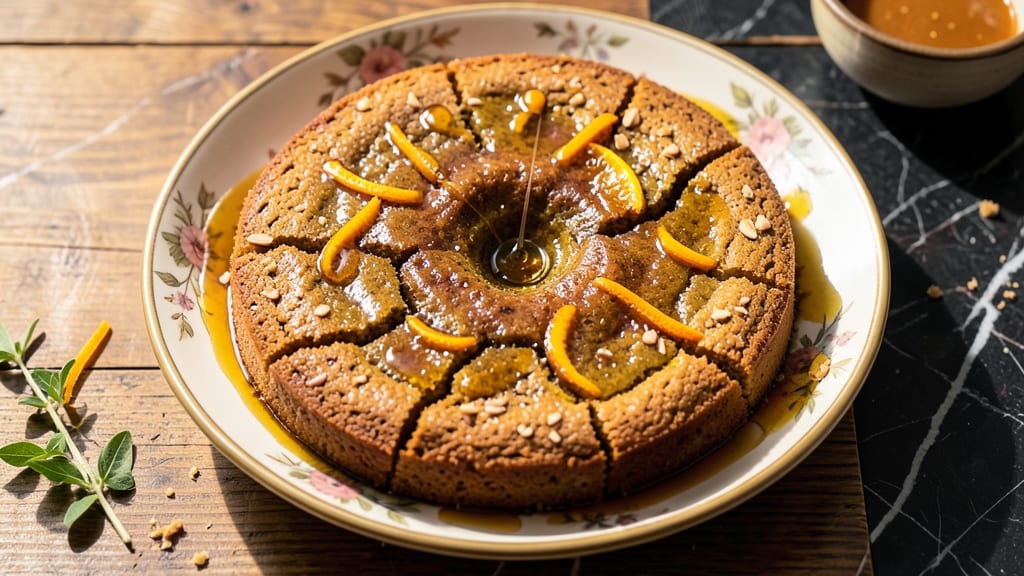
This almond flour olive oil cake recipe delivers a surprisingly light, moist crumb that defies its flour-heavy base—thanks to olive oil's rich fat content and a touch of citrus zest that brightens every bite. The secret lies in properly hydrating the almond flour without overmixing, which creates that signature tender, fudgy texture while keeping it naturally gluten-free and vegan. I've baked this version dozens of times for dietary-sensitive friends, and it never disappoints.
The combination of olive oil and almond flour creates a cake with a delicate crumb that's moist for days without needing butter or eggs. A splash of orange zest adds just enough brightness to complement the nutty depth, while a simple lemon glaze ties everything together with a glossy finish.
What makes this recipe work is the technique—folding dry ingredients gently into the wet mixture preserves air pockets for that signature lightness.
By the time it emerges from the oven, you'll have a cake that's rich, tender, and subtly fragrant with citrus notes—perfect for brunch, dessert, or even breakfast. The texture stays moist for 3-4 days when stored properly, making it ideal for meal prep or special occasions.
This isn't your average almond flour cake; it's a revelation for those who think gluten-free baking means dry, crumbly results.
Pair it with fresh berries, a dollop of coconut whipped cream, or serve it plain to let the flavors shine. The recipe scales perfectly for gatherings, and the preparation is straightforward enough for weeknight baking.
Here's how to achieve that perfect balance of nutty richness and citrus brightness in every slice.
Ingredients for almond flour olive oil cake
Eight simple ingredients transform into a moist, citrus-kissed almond flour cake that stays fresh for days.
| Ingredient | Amount | Notes |
|---|---|---|
| Superfine Almond Flour 🌰 | 2 ½ cups | Blanched preferred for lighter texture |
| Extra-Virgin Olive Oil 🫒 | 1 cup | Light or medium variety for balance |
| Granulated Sugar 🍬 | 1 ½ cups | Coconut sugar works for refined-free version |
| Orange Zest 🍊 | 1 tbsp | Freshly grated organic preferred |
| Fresh Orange Juice 🍊 | ½ cup | No pulp for smooth texture |
| Vanilla Extract 🌿 | 1 tsp | Pure Madagascar vanilla preferred |
| Unsweetened Almond Milk 🥛 | ¾ cup | Room temperature for best blending |
| Baking Powder 🍞 | 1 tsp | Metal container for freshness |
| Salt 🧂 | ½ tsp | Fine sea salt preferred |
| Lemon Juice 🍋 | 2 tbsp | Freshly squeezed for glaze |
| Powdered Sugar 🍬 | ½ cup | For lemon glaze finish |
The almond flour makes or breaks this recipe—Bob's Red Mill or Anthony's Goods are my go-tos for consistent texture. Superfine grind is key for that tender crumb, not the coarse kind. Olive oil should be light or medium—avoid the extra-virgin with strong peppery notes, or you'll taste it too much. For the zest, grab organic oranges—their thicker skins yield more flavor. I always buy a bag of oranges when I see them on sale at Trader Joe's, then freeze the juice for smoothies later. The sugar can be coconut sugar if you're avoiding refined sweeteners, but regular white sugar gives that classic cake texture.
No almond milk? Oat milk or coconut milk work in a pinch, but they add slight flavors—stick with almond for neutrality. Short on orange zest? Double the lemon zest and add 1/2 tsp more vanilla to compensate. The glaze can be skipped if you prefer a more rustic finish, but that powdered sugar coating is what makes this cake feel special. For extra moisture, add 1 tbsp of unsweetened applesauce to the batter. The vanilla extract is non-negotiable—imitation extracts have no depth. If you're using vanilla beans, scrape out 1/2 tsp of seeds for maximum flavor.
This cake keeps beautifully—3-4 days at room temperature wrapped in parchment, or 1 week in the fridge. For longer storage, slice and freeze portions for up to 3 months. I always bake an extra batch to freeze for lazy mornings. The glaze sets quickly, so assemble the cake right after baking. Serve at room temperature to let the citrus flavors fully develop. Pair with fresh berries or a dollop of coconut whipped cream for a vegan-friendly dessert.
Why You'll Love This Recipe
- No Mixer Needed: I swear by this—just whisk the almond flour and olive oil until it’s smoother than my morning coffee. No standing at the counter for 10 minutes, no weird lumps, just a silky batter that comes together faster than you can say "dessert."
- Bright & Buttery Magic: That orange zest and juice? It’s like sunshine in cake form. The olive oil keeps it rich without being heavy, while the citrus lifts every bite—like a fancy pastry, but with ingredients you already own.
- Weeknight Hero: Slice it warm for breakfast, pack it for lunch, or serve it at 7 PM when you’re too tired to bake. It stays moist for days, so you’re never stuck scrambling for something sweet when hunger hits.
- Budget-Friendly Luxury: Superfine almond flour might sound pricey, but a little goes a long way—this recipe feeds four (or two very hungry people) without breaking the bank. Plus, olive oil and sugar are pantry staples that won’t leave you reaching for fancy shortcuts.
Step-by-step instructions for almond flour olive oil cake
This method ensures a perfectly moist crumb with citrus brightness and olive oil richness every time.
Whisk Dry Ingredients Together
In a large mixing bowl, sift together the 2.5 cups Superfine Almond Flour, 1.5 cups Granulated Sugar, 1 tsp Baking Powder, and 0.5 tsp Salt. I use a fine-mesh sieve to eliminate any lumps and aerate the flour slightly—this creates a lighter texture. Use a whisk to combine these ingredients until completely homogeneous, breaking up any remaining clumps with your fingers.
Set this mixture aside while you prepare the wet ingredients. The key here is to avoid overmixing—just until everything is evenly distributed. Overworking the dry ingredients can develop gluten and make the cake dense rather than tender.
Combine Wet Ingredients
In a separate bowl, whisk together the 1 cup Extra-Virgin Olive Oil, 0.5 cup Fresh Orange Juice, 1 tsp Vanilla Extract, and 0.75 cup Unsweetened Almond Milk until smooth. I like to use room-temperature almond milk here—it blends more easily and creates a smoother batter. Add the 1 tbsp Orange Zest and 2 tbsp Lemon Juice to this mixture and stir well to distribute the citrus flavors evenly.
This is where the magic happens—the olive oil provides moisture while the citrus adds brightness. The zest and juice should be fully incorporated without any visible flecks of orange. If you notice any pulp from the orange juice, strain it out for the smoothest texture.
Gently Fold Wet and Dry Ingredients
With the mixer on low speed, gradually add the wet ingredients to the dry ingredients. I use a hand mixer for this step—it's gentle enough to maintain air pockets while ensuring everything combines evenly. Mix just until the batter comes together, about 1-2 minutes total. You should see a thick, smooth batter that coats the back of a spoon.
Here's the thing—don't overmix. You're looking for a consistency similar to thick pancake batter. If you see streaks of flour remaining, that's okay; they'll disappear as you pour the batter into the pan. The goal is to maintain as much air as possible for a light, tender crumb.
Bake at Low Temperature for Even Cooking
Preheat your oven to 350°F and grease an 8-inch round cake pan with additional olive oil or line it with parchment paper. Pour the batter into the prepared pan and smooth the top with a spatula. Bake for 40-45 minutes, or until a toothpick inserted into the center comes out clean with just a few moist crumbs clinging to it.
The low temperature ensures even cooking throughout the dense almond flour batter. I check for doneness at the 35-minute mark—the cake should be springy to the touch and pulling away slightly from the edges of the pan. If the top browns too quickly, tent the cake with aluminum foil to prevent overbrowning while maintaining moisture.
Glaze and Cool for Maximum Moisture
While the cake is still warm, whisk together the 0.5 cup Powdered Sugar and 2 tbsp Lemon Juice in a small bowl until smooth. This creates a simple yet elegant lemon glaze that adds a bright finish. Immediately pour the glaze over the warm cake and let it sit for 5 minutes to soak in.
Transfer the cake to a wire rack to cool completely. The glaze will set as it cools, creating that beautiful glossy finish. I know it's tempting to slice into it warm, but allowing it to cool completely ensures clean slices and prevents the glaze from running. For best results, let it cool for at least 1 hour before serving.
Pro Tips For Making Almond Flour Olive Oil Cake
- Preheat Like a Pro: Crank your oven to 350°F and let it scream hot for 15 minutes before baking—this recipe’s delicate structure needs that head start. I learned this the hard way when my first batch collapsed like a sad soufflé because the pan was still cold.
- Whisk the Olive Oil: Mix the extra-virgin olive oil into the wet ingredients until it’s fully emulsified—no lumps, no streaks. Superfine almond flour hates hiding spots, and you’ll end up with a cake that tastes like a dry, greasy brick if you skip this.
- Measure Sugar Precisely: Use a kitchen scale for the granulated sugar—1 tablespoon packed vs. scooped can throw off the moisture balance. This isn’t just about sweetness; it’s about keeping the crumb tender without turning the cake into a gummy mess.
- Fold, Don’t Stir: When combining the dry almond flour with the wet mixture, use a spatula to gently fold in thirds—overmixing aerates the batter too much, and you’ll end up with a dense, sad cake instead of that light, airy texture you’re after. (Yes, even if you’re impatient like me.)
Storing and reheating your leftovers
Room Temperature Storage
This cake stays moist for 3-4 days at room temperature when properly wrapped. I like to cover it with a layer of parchment paper followed by plastic wrap to lock in moisture. Store it in an airtight container if you have one that fits the cake shape.
The citrus flavors actually deepen slightly as it sits, making it even more delicious the next day. 🌟
Refrigerator Freshness
For longer storage, refrigerate the cake for up to 1 week in an airtight container. The cold temperature helps preserve the moist texture, though the glaze may develop a slight sheen. Let it sit at room temperature for 10-15 minutes before serving to bring out the full citrus aroma.
I often bake this cake on Sunday mornings and keep it chilled for the week.
Freezing for Later
Slice the cake before freezing for individual portions that thaw quickly. Wrap each slice tightly in plastic wrap, then place them in a freezer bag with all the air removed. This cake freezes beautifully for up to 3 months without losing its moist texture.
To serve, thaw at room temperature for 1-2 hours or warm briefly in the microwave for 10-15 seconds.
Reheating Slices
For a quick treat, warm individual slices in the microwave for 10-15 seconds on medium power. The heat reactivates the citrus flavors and softens the glaze slightly. If you prefer oven reheating, place slices on a baking sheet at 300°F for 5-7 minutes until warmed through.
This method works best for thicker slices that need more time to heat evenly.
Glaze Preservation
The lemon glaze stays fresh on refrigerated cake, but it may become slightly sticky. To refresh, gently reheat the glaze by microwaving 5-10 seconds and brushing it back over the cake.
For extra shine, add ½ tsp lemon juice to the glaze before reheating. The glaze acts as a moisture barrier, helping the cake stay tender even after storage. 💫
Nutrition facts
Frequently asked questions
Can I substitute regular flour for almond flour in this recipe?
Not recommended! Almond flour's high fat content and lack of gluten create that signature moist, tender texture. If you must substitute, use a 1:1 ratio of gluten-free 1:1 baking flour (like Bob's Red Mill) and add 1 extra egg per cup of flour to bind it properly. The texture will differ significantly—expect a denser, less fluffy result.
Why does my almond flour cake turn out dense instead of light?
Overmixing is the #1 culprit! Almond flour develops no gluten, so gentle folding is key. Also check: baking powder freshness (old powder loses lift), proper hydration (almond flour needs moisture), and oven temperature (too high = dense center). For extra lightness, whisk egg whites separately and fold them in last if you're adding eggs.
How do I make this cake nut-free?
Replace almond flour with a 1:1 gluten-free blend (like oat + rice flour) and use avocado oil instead of olive oil for moisture. Add 1 extra tbsp of applesauce or 1 mashed banana to help bind the batter. The texture will be slightly different but still delicious. Always check labels for cross-contamination warnings.
Can I bake this in a different pan size?
Yes! For an 8-inch square pan, bake 35-40 minutes at 350°F. For a 9-inch round pan, reduce baking time to 30-35 minutes. The cake should be springy to touch and pull away from edges. Use a toothpick test—it should come out with moist crumbs, not wet batter. Adjust oven racks to middle position for even cooking.
What's the best way to add chocolate flavor?
Add ½ cup melted dark chocolate (60% or higher) to the wet ingredients or ¼ cup cocoa powder to the dry mix. For a marbled effect, swirl in 2 tbsp melted chocolate chips before baking. The citrus still shines through—think orange-chocolate pairing! If using cocoa, reduce sugar by 1 tbsp to balance bitterness.