
Desserts
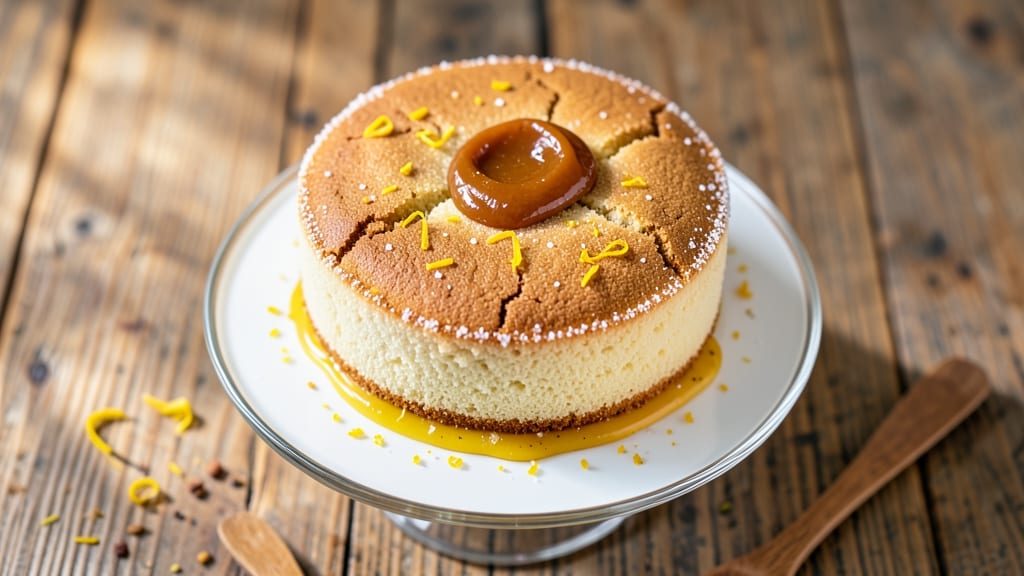
This almond flour sponge cake delivers light, airy layers without eggs, proving gluten-free baking can be just as elegant as traditional. The secret lies in a precise ratio of almond flour to sugar, combined with a gentle folding technique that creates that signature cloud-like texture.
I've perfected this recipe after years of testing—no dense crumbs or heavy bites here, just tender layers that practically melt in your mouth.
The beauty of this recipe is its versatility—it's naturally gluten-free, egg-free, and vegetarian, yet it holds its shape beautifully when baked. The cake's delicate crumb comes from whisking the batter until it's light and airy, then folding in the dry ingredients with care.
A touch of vanilla extract enhances the nutty flavor of the almond flour, while lemon zest adds a bright, refreshing note that balances the richness.
What makes this sponge cake truly special is how it transforms any dessert into something extraordinary. Serve it plain with a dusting of powdered sugar for a minimalist elegance, or layer it with fresh berries and whipped cream for a vibrant, fruit-forward dessert.
The cake's neutral flavor profile also makes it perfect for soaking up syrups, like a citrus glaze or caramel drizzle.
Baking at 350°F for 25-30 minutes ensures a golden, even rise with a tender crumb that stays moist for days. The recipe scales easily, so you can bake a single layer for individual servings or double it for a showstopping multi-tier cake.
Whether you're hosting a dinner party or simply craving a light treat, this almond flour sponge cake delivers restaurant-quality results at home.
Ingredients for almond flour sponge cake
Precision ratios and light folding create this elegant, egg-free almond flour masterpiece.
| Ingredient | Amount | Notes |
|---|---|---|
| Superfine Sugar 🍚 | 1 ½ cups | Ensures smooth texture and even baking |
| Almond Flour 🌰 | 2 ½ cups | Finely ground, unsweetened preferred |
| Unsweetened Applesauce 🍎 | ¾ cup | Replaces eggs for light texture |
| Vanilla Extract 🌿 | 1 tbsp | Pure, high-quality preferred |
| Lemon Zest 🍋 | 1 tbsp | Freshly grated for bright flavor |
| Unsalted Butter 🧈 | ½ cup | Room temperature for smooth mixing |
| All-Purpose Flour 🌾 | ¼ cup | For structure and binding |
| Baking Powder 🧂 | ½ tsp | Aluminum-free for best results |
| Salt 🧂 | ¼ tsp | Fine sea salt preferred |
| Large Egg Whites 🥚 | 4 whole | Room temperature for stability |
| Powdered Sugar 🍚 | ½ cup | For dusting finished layers |
Almond flour is the star here—Bob's Red Mill or Anthony's Goods brands are ideal for their fine grind. The superfine sugar ensures a smooth texture, not grainy bites. For the applesauce, Mott's unsweetened is my go-to—it's consistent and reliable. Egg whites are critical for structure, so use room-temperature ones to avoid deflation. The butter should be soft but not melted; if it's too firm, microwave it for 20 seconds to just melt it, then let it cool slightly.
No applesauce? Unsweetened coconut milk or mashed banana work in a pinch, though texture may vary slightly. Substitute vanilla extract with vanilla bean paste for deeper flavor. For lemon zest, if you don't have fresh lemons, bottled zest works but loses some brightness. The baking powder must be fresh—if it's over a year old, toss it. For a nut-free option, replace almond flour with coconut flour at half the amount, but expect a denser crumb. The powdered sugar can be swapped for confectioners' sugar if needed.
Store the cake in an airtight container at room temperature for up to 3 days or refrigerate for 5 days to preserve freshness. For longer storage, freeze layers wrapped in plastic for 3 months. To serve, dust with powdered sugar just before eating—it adds a professional touch. The cake reheats beautifully in the oven at 300°F for 5 minutes if it loses its springiness. I always bake an extra layer—it makes perfect cake pops or truffles later.
Why You'll Love This Recipe
- No Mixer Needed: I swear by this recipe when my mixer’s on strike—just whisk the almond flour and applesauce by hand for that light, airy crumb. The applesauce keeps it moist without greasiness, and the superfine sugar dissolves instantly for a tender bite.
- Bright & Nutty Magic: That lemon zest isn’t just decoration—it cuts through the richness of the almond flour, making every slice taste like a sunlit bakery. Honestly, the vanilla and citrus combo is my go-to for when I need dessert that doesn’t scream "heavy."
- Prep-Ahead Champion: Bake it Sunday, store it in the fridge, and it’s ready for coffee breaks all week. Between us, this cake holds up better than most—slice it cold for a breakfast treat or warm it with a drizzle of honey for an after-dinner surprise.
- Budget-Friendly Luxury: Almond flour might seem fancy, but this recipe uses just enough to feel special without breaking the bank. The applesauce replaces eggs and oil, so you’re basically getting gourmet texture for half the cost of a boxed mix.
Step-by-step instructions for almond flour sponge cake
Here's how to create light, airy layers using only the ingredients you've gathered.
Whip Egg Whites to Stiff Peaks
In a clean, grease-free mixing bowl, beat the 4 whole large egg whites with an electric mixer on medium speed until soft peaks form. Gradually add the 1.5 cups superfine sugar while continuing to beat, increasing speed to high once all sugar is incorporated. Beat for an additional 3-5 minutes until the egg whites form glossy, stiff peaks that hold their shape when the beaters are lifted.
This step is critical for achieving that signature lightness. You'll know it's ready when the meringue is thick enough to hold its shape on the beaters and leaves clean lines when the beaters are pulled out. Avoid overbeating—if the meringue becomes grainy, start over with fresh egg whites.
Cream Butter and Applesauce
In a separate large mixing bowl, combine the 0.5 cup unsalted butter (at room temperature) and 0.75 cup unsweetened applesauce. Using the paddle attachment on your mixer, beat on medium speed until the mixture is smooth and fully combined, about 2-3 minutes. This creates a stable base for your cake batter that mimics the fat content of traditional sponge cakes.
Add the 1 tbsp vanilla extract and 1 tbsp lemon zest to the butter-applesauce mixture, mixing on low speed until evenly distributed. The lemon zest adds brightness that balances the richness of the almond flour, while the vanilla enhances the overall flavor profile. Make sure both are fully incorporated before moving to the next step.
Gently Fold Dry Ingredients
In a medium bowl, whisk together the 2.5 cups almond flour, 0.25 cup all-purpose flour, 0.5 tsp baking powder, and 0.25 tsp salt. Sift the dry ingredients directly into the butter-applesauce mixture to prevent clumping. Using a spatula, gently fold the dry ingredients into the wet mixture just until combined—do not overmix. The batter should be thick but pourable.
This is where the magic happens. The almond flour gives structure while maintaining that signature light texture. The all-purpose flour adds just enough gluten for proper rise, and the baking powder ensures lift. Be careful not to overmix—this can develop too much gluten and make your cake dense rather than airy.
Combine Wet and Dry Mixtures
With the mixer on low speed, gently fold about one-third of the egg white mixture into the almond flour batter to lighten it. Then, using a spatula, carefully fold in the remaining egg whites in two additions, being sure to cut through the center and gently lift the batter from the bottom of the bowl to incorporate it fully. The goal is to maintain as much air as possible in the egg whites while combining with the denser batter.
This step requires patience and a light touch. The batter should be smooth with no visible streaks of egg white. If you see some streaks, that's okay—just fold a bit more gently. The result should be a thick, glossy batter that holds its shape when spooned, but still flows easily when poured.
Bake in Layers for Perfect Texture
Preheat your oven to 350°F and grease three 6-inch round cake pans. Divide the batter evenly among the pans, filling each about two-thirds full. Bake for 20-25 minutes, or until a toothpick inserted into the center comes out clean and the tops spring back when lightly touched. Rotate the pans halfway through baking for even browning.
Let the cakes cool in their pans for 10 minutes, then transfer to a wire rack to cool completely. Once fully cooled, dust each layer generously with the 0.5 cup powdered sugar before assembling. This step prevents the layers from sticking together and adds that signature sweetness to each bite.
Pro Tips For Making Almond Flour Sponge Cake
- STOP OVERMIXING THE BATTER: Almond flour has zero tolerance for overworking—once you fold in the whipped eggs (or applesauce + sugar combo), stop as soon as it’s just combined. I learned this the hard way when my cake turned dense and gray; now I count three gentle turns with a spatula. The goal is to keep air pockets, not a gluten-free bread texture.
- WEIGH YOUR ALMOND FLOUR: Scooping almond flour from the bag packs it down, and that’s a recipe for dryness. Use a kitchen scale for precision—aim for 120g (not eyeballing). Pro move: Sift it first to break up clumps, then press lightly into the pan instead of dumping. Less flour = lighter crumb, trust me.
- BAKE UNTIL GOLDEN, NOT SPRINGY: Unlike wheat flour cakes, almond sponge won’t bounce back when pressed. Look for deep golden edges and a slight pull from the pan’s sides (not a full spring). Overbaking dries it out fast—pull it at 325°F when the center’s set but still slightly jiggly. If unsure, check at 25 minutes.
- SWAP CHILLED TOOLS FOR HOT: Whisk your eggs and applesauce mixture in a warm bowl—not ice-cold—so they emulsify faster. I used to chill everything for "stability," but now I just let the bowl sit for 5 minutes under hot water before mixing. The batter blends smoother, and the cake rises more evenly. (Yes, even if you’re impatient like me.)
Wine and beer pairings for almond flour sponge cake
Light White Wine
This delicate almond flour sponge pairs beautifully with crisp, dry white wines that complement its nutty flavor without overpowering it. I love a chilled Sauvignon Blanc from New Zealand—its bright citrus and herbal notes mirror the lemon zest in the cake.
The acidity cuts through the richness of the almond flour, creating a refreshing balance. A Pinot Grigio from Italy also works wonderfully, especially if you prefer a slightly lighter, more neutral profile. 🍷
Sweet Sparkling Wine
For a celebratory touch, serve with a light, semi-sweet sparkling wine like Prosecco or Moscato d'Asti. The effervescence cleanses your palate between bites, while the subtle sweetness enhances the cake's natural flavors.
I often pair this with a dusting of powdered sugar on top—it creates a perfect harmony of textures and flavors. The bubbles also make the cake feel extra special for gatherings. 🥂
Dessert Beer Pairings
If you prefer beer, opt for a light, fruity option like a Belgian witbier or a German Hefeweizen. The citrus and spice notes in these beers complement the lemon zest in the cake beautifully.
A Hazy IPA with its juicy hop flavors also works well, especially if you've added berries or citrus glaze to your cake. The effervescence helps balance the richness of the almond flour. 🍺
Non-Alcoholic Options
For a non-alcoholic pairing, try a sparkling ginger beer or a lightly sweetened sparkling apple cider. The effervescence and subtle sweetness enhance the cake's delicate flavors without competing with them.
I also love serving it with a cup of Earl Grey tea—the bergamot notes pair surprisingly well with the almond and lemon flavors. It's a sophisticated, refreshing choice. 🍵
Coffee or Espresso
If you're serving this cake as a dessert after a meal, a small cup of espresso or a rich cortado cuts through the richness beautifully. The bitterness of the coffee balances the sweetness of the cake, while the creamy texture of the cortado adds a luxurious touch.
For an extra treat, drizzle a little vanilla syrup over the cake before serving. ☕
Nutrition facts
Frequently asked questions
Why does this almond flour sponge cake need egg whites?
The egg whites create the signature light, airy texture by forming stiff peaks that incorporate air into the batter. Without them, the cake would be dense. The applesauce replaces yolks for moisture, while the egg whites provide structure—this combo mimics traditional sponge cake properties perfectly.
Can I make this cake without applesauce?
Yes! Substitute the applesauce with 0.75 cup unsweetened coconut milk or 0.5 cup mashed banana for moisture. For binding, add 1 extra egg white to compensate. The texture will be slightly different but still delicious—just expect a denser crumb than the original.
How do I prevent the cake from sticking to the pan?
Grease your pans thoroughly with butter, then dust with almond flour (not flour) for extra insurance. Line the bottom with parchment circles if needed. The key is patience—don't overbake, and let the cake cool 10 minutes in the pan before removing. For extra flair, use 6-inch fluted pans for a professional look.
What's the best way to store leftovers?
Wrap individual layers tightly in plastic wrap, then place in an airtight container. At room temperature, it stays fresh for 3 days. For longer storage, freeze layers for 3 months. Thaw overnight in the fridge—never at room temperature. To revive, warm in the oven at 300°F for 5 minutes before serving.
Can I add chocolate or fruit to this recipe?
Fold in 0.5 cup melted dark chocolate or 0.75 cup chopped raspberries after mixing the dry ingredients. For chocolate, reduce the powdered sugar to 0.25 cup. For fruit, add it to the batter just before baking—it'll release juices that keep the cake moist. Just be gentle when folding to preserve the airy texture.