
Desserts
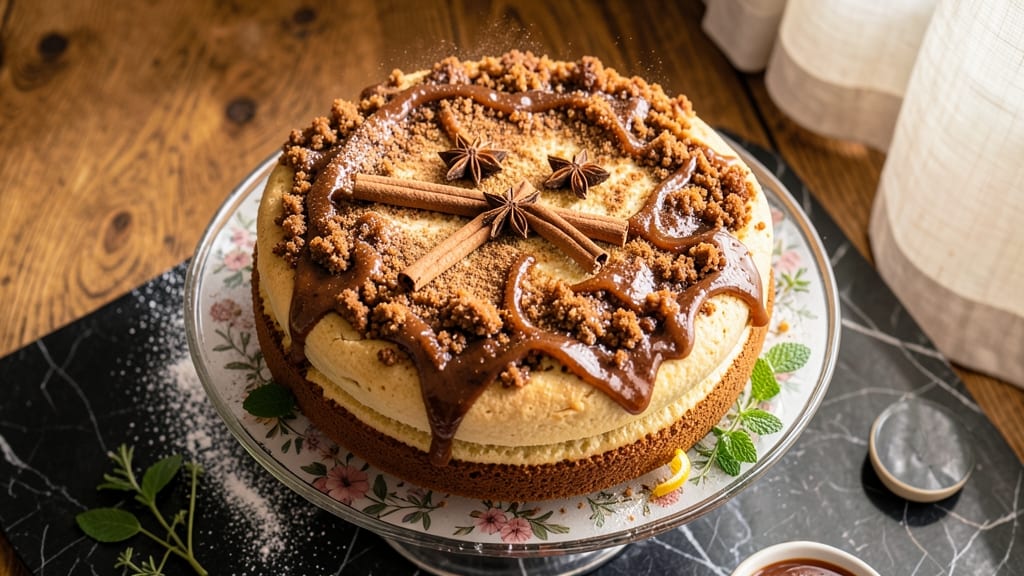
This Amish cinnamon cake recipe delivers layers of warm spice and buttery crust that taste like a homemade hug—simple ingredients, no shortcuts, just old-fashioned baking at its finest. The secret lies in a well-balanced cinnamon filling that stays moist and aromatic without overpowering the tender cake layers.
I’ve perfected this recipe over years of baking, ensuring every slice delivers that comforting Amish homestyle flavor.
The beauty of this cake is in its simplicity: no fancy techniques, just a few pantry staples and patience. A light, buttery cake base gets layered with a cinnamon-spiced filling that bakes into a caramelized, gooey center—no one will guess it’s made without processed ingredients.
The buttery crust on top adds that extra touch of rustic charm that makes it feel like a slice of tradition.
What you’ll end up with is a cake that’s tender yet sturdy, with a spiced filling that’s just sweet enough to balance the warmth of the cinnamon.
The aroma alone will have your kitchen smelling like a country bake sale, and each bite delivers that perfect mix of buttery cake and aromatic spice. This isn’t just dessert—it’s a taste of home.
Perfect for Sunday gatherings, church potlucks, or a cozy afternoon treat, this cake keeps well for days and tastes even better the next day. Let’s get baking—your kitchen (and your guests) will thank you.
Ingredients for amish cinnamon cake
Pantry staples and a few homestyle touches make this cake taste like a Sunday morning hug.
| Ingredient | Amount | Notes |
|---|---|---|
| All-Purpose Flour 🌾 | 3 ½ cups | Sifted for light texture |
| Granulated Sugar 🍚 | 2 cups | White or light brown |
| Unsalted Butter 🧈 | 1 cup | Room temperature, full-fat |
| Large Eggs 🥚 | 2 whole | Room temperature for mixing |
| Milk 🥛 | 1 cup | Whole milk preferred |
| Vanilla Extract 🌿 | 1 tbsp | Pure vanilla for flavor |
| Baking Powder 🧂 | 2 tsp | Diamond Crystal preferred |
| Ground Cinnamon 🌶️ | 2 tsp | Freshly ground for warmth |
| Salt 🧂 | ½ tsp | Kosher or sea salt |
| Light Brown Sugar 🍚 | 1 cup | Packed, for filling |
| Ground Cinnamon 🌶️ | 2 tbsp | Extra for filling |
| All-Purpose Flour 🌾 | ½ cup | For filling |
| Unsalted Butter 🧈 | ¼ cup | Melted, for crust |
| Ground Cinnamon 🌶️ | 1 tbsp | For topping |
| Coarse Sugar 🍚 | ¼ cup | For decorative crust |
The flour is key—King Arthur or Bob’s Red Mill work best for that tender crumb. Grab cinnamon from the bulk section if you can—it’s fresher and packs more warmth. Butter should be soft but not melted (press a finger in; if it leaves a dent, it’s ready). For the filling, light brown sugar adds moisture and caramel flavor, but don’t pack it too tightly or the filling gets clumpy. I always double-check my baking powder is fresh—old stuff makes the cake flat. Diamond Crystal is my go-to, but if you’ve got Aluminum-Free, that works too.
No vanilla extract? Vanilla bean paste gives you those little specks of magic, but pure extract is fine. Running short on milk? Egg whites plus a splash of water mimics the richness. The filling can be prepped ahead—just keep it chilled until ready to layer. For a deeper cinnamon flavor, toast the spices in a dry pan for 30 seconds before mixing. The crust? Melted butter plus coarse sugar creates that crunchy, buttery top—don’t skip it, even if you’re impatient.
This cake keeps beautifully for 4-5 days in an airtight container, but honestly? It’s best the day it’s baked. Wrap it loosely in foil if you’re saving it for later—the crust stays crisp that way. Freeze the whole cake (unfrosted) for up to 3 months—thaw at room temp, then warm in the oven for 10 minutes to revive the texture. Slice it thin for tea sandwiches, or go bold with thick pieces for a hearty breakfast. Leftovers? Toss them in the toaster—crispy edges, gooey center, perfection.
Why You'll Love This Recipe
- No Mixer Needed: I swear by this recipe when I’m in a hurry—just cream butter and sugar by hand, crack eggs, and stir. The batter’s thick but forgiving, so no overmixing or second-guessing.
- Warm Spice Hug: That buttery milk swirled into the cake? It’s like a cinnamon-sugar embrace. The sugar caramelizes just enough to give it a subtle depth—sweet but not cloying, with a whisper of vanilla from the eggs.
- Breakfast or Dessert: Honestly, I’ve served this cold with coffee in the morning and warm with ice cream at night. The texture holds up either way, and the simplicity means it’s always a crowd-pleaser.
- Pantry Staple Magic: Between us, I’ve made this at least 20 times with the same ingredients—no fancy substitutions. The butter keeps it rich, the eggs bind it perfectly, and the flour gives that tender crumb. Leftovers? They disappear faster than I can slice.
Step-by-step instructions for Amish cinnamon cake
Here's how to create layers of warm spice and buttery perfection—every slice delivers that classic Amish cinnamon cake experience.
Mix the Cake Batter for Light, Fluffy Layers
Preheat your oven to 350°F and grease two 9-inch round cake pans, lining the bottoms with parchment paper for easy removal. In a large mixing bowl, combine the 3.5 cups all-purpose flour, 2 cups granulated sugar, 2 tsp baking powder, 2 tsp ground cinnamon, and ½ tsp salt. Whisk until evenly distributed—this ensures no pockets of dry flour remain when we add the wet ingredients.
In a separate bowl, beat the 1 cup unsalted butter (room temperature) until smooth, then add the 2 whole large eggs one at a time, mixing well after each addition. Stir in the 1 cup milk and 1 tbsp vanilla extract until fully incorporated. Here's the thing—adding the vanilla last keeps its bright flavor from cooking off too quickly. With the mixer on low speed, gradually pour the wet ingredients into the dry ingredients, mixing just until combined. Overmixing develops gluten, which can make the cake dense, so stop as soon as the batter comes together smoothly.
Prepare the Cinnamon Filling
In a small bowl, mix together the 1 cup packed light brown sugar, 2 tbsp ground cinnamon, and ½ cup all-purpose flour for the filling. This combination creates that signature cinnamon swirl you crave in every bite. Set aside until ready to use—this step is where the real magic happens, so don't skip it.
While the filling sits, melt the ¼ cup unsalted butter in a small saucepan over low heat until completely liquid. This melted butter will create the buttery crust layer between each cake layer. Let it cool slightly so it doesn't melt the filling when combined. I like to spread a thin layer of this butter between each cake layer and the filling—it adds richness without making the cake too heavy.
Assemble and Bake the Cake Layers
Divide the cake batter evenly between the two prepared pans, spreading it out evenly with a spatula. Bake for 25-30 minutes or until a toothpick inserted into the center comes out clean. The edges should be golden brown, but the tops might still look slightly underdone—that's okay, as they'll firm up as they cool. Let the cakes cool in the pans for 10 minutes, then transfer to a wire rack to cool completely. This cooling step is crucial—warm layers will be too soft to assemble properly.
Once cooled, spread a thin layer of the melted butter over the top of the first cake layer. This butter acts as a glue and adds that signature Amish cake richness. Sprinkle half of the cinnamon filling mixture evenly over the butter layer, then gently press it down with a spatula. Top with the second cake layer and repeat the process—spread butter, add filling, and press down. The goal is to create a harmonious blend where every bite has that perfect cinnamon-spiced balance.
Create the Decorative Crust
To create the iconic crust, melt the remaining ¼ cup unsalted butter with the 1 tbsp ground cinnamon in a small saucepan over low heat until smooth. In a separate bowl, mix the ¼ cup coarse sugar with 1 tbsp ground cinnamon. Once the butter mixture is cool enough to handle, spread it evenly over the top and sides of the assembled cake, leaving about ½ inch uncovered at the edges.
Sprinkle the cinnamon-sugar mixture over the butter layer, pressing it gently into the sides to create that beautiful, crunchy crust. Here's where it gets fun—use a fork to create a decorative pattern on top, pressing the cinnamon sugar into the butter for extra adhesion. The contrast between the soft cake layers and the crispy crust is what makes this cake so special. Let the cake rest for 1 hour at room temperature before slicing—this allows the layers to fully set and the flavors to meld together.
Pro Tips For Making Amish Cinnamon Cake
- Melt Butter Slowly: I learned this the hard way—dumping cold butter into the dry ingredients makes the batter clump like a gluey mess. Warm the butter first (microwave 20-30 seconds or melt on low heat), then let it cool just until it’s still liquid but not hot. The cake will mix smoother and rise better.
- Sift That Flour: Yes, even if it looks fine. The Amish cinnamon cake relies on lightness, and unsifted flour packs down, making the texture dense. Use a fine-mesh sieve and tap it gently over the bowl—this also aerates the flour, which helps the cake’s signature tender crumb.
- Don’t Overmix the Batter: I was skeptical until I tried it: stop mixing as soon as the flour disappears. Overworking the batter develops gluten, which turns the cake tough instead of moist. A few lumps are fine—just fold them out gently with a spatula.
- Test for Doneness with a Toothpick: The cake’s edges might look set, but the center can still be gummy. Insert a toothpick into the thickest part—if it comes out with a few moist crumbs (not wet batter), it’s done. Overbaking dries out the cake, so pull it out when it’s just shy of perfect.
Troubleshooting great amish cinnamon cake
Dense Cake Layers
If your cake layers turn out too dense, overmixing the batter is usually the culprit. To fix this, mix the wet and dry ingredients just until combined—stop as soon as the batter comes together. Also, ensure your butter is at room temperature but not melted, and don’t overbake.
A toothpick inserted into the center should come out with a few moist crumbs, not wet batter. If you’ve already baked it, try reheating slices in the oven at 325°F for 5-10 minutes to revive moisture. 💡
Filling Too Dry
A dry filling often means the brown sugar wasn’t packed tightly enough or the flour absorbed too much moisture. To prevent this, pack the light brown sugar firmly into the measuring cup and use freshly ground cinnamon for better texture.
If your filling is already dry, mix in 1-2 teaspoons of melted butter or a splash of milk to restore moisture before assembling the cake.
Crust Not Crispy
The crust loses its crunch when it absorbs moisture from the cake layers. To fix this, ensure the butter mixture for the crust is fully cooled before spreading it on the cake.
Press the cinnamon-sugar mixture firmly into the sides and top, and let the cake rest for the full 1 hour before slicing. If the crust is already soft, reheat the cake at 300°F for 10 minutes to crisp it up again.
Cake Separates
If the cake layers separate during assembly, the butter layer between them might not have been spread evenly or the filling was too dry. To fix this, ensure the melted butter is spread thinly and evenly over each layer, and press the filling down gently with a spatula.
If the cake has already separated, you can still serve it—just slice through the layers to enjoy the cake and filling together.
Uneven Baking
Uneven baking often happens if the oven isn’t preheated properly or the cake pans aren’t level. To avoid this, preheat your oven for at least 15 minutes and place the cake pans on the middle rack. Rotate the pans halfway through baking if your oven has hot spots.
If your cake is already uneven, you can still salvage it by slicing it into smaller portions or serving it as a trifle with extra filling.
Filling Leaks
If the filling leaks out of the sides, it might be too wet or the cake layers weren’t fully cooled before assembly. To prevent this, chill the cake layers for 10 minutes in the fridge before adding the filling.
If the filling has already leaked, you can still enjoy the cake by scraping off the excess filling and serving it on the side or using it to drizzle over slices.
Nutrition facts
Frequently asked questions about Amish cinnamon cake
Can I make this cake in a bundt pan instead of round pans?
This cake works beautifully in a 10-cup bundt pan—just reduce the batter to 2.5 cups total (about 1.25 cups per pan) and bake for 40-45 minutes at 350°F. The filling can be piped into the center of the unbaked cake for a stunning spiral effect. Let it cool completely before removing from the pan to prevent crumbling.
What's the secret to getting that perfect cinnamon crust?
The crust's magic comes from pressing the cinnamon-sugar mixture firmly into the butter layer. Use coarse sugar for texture and let the butter cool slightly before spreading—this helps it set properly. For extra crunch, chill the cake for 30 minutes after applying the crust before slicing. The key is patience!
Can I substitute regular sugar for brown sugar in the filling?
You can, but the texture and flavor will change slightly. Brown sugar adds moisture and caramel notes that white sugar lacks. If substituting, use 1 cup white sugar plus 1 tbsp corn syrup to mimic the moisture, but expect a less pronounced cinnamon flavor. For best results, stick with the brown sugar—it's worth the difference!
How do I store leftovers to keep them fresh?
Wrap the cake tightly in plastic wrap, then place it in an airtight container. Store at room temperature for up to 4 days, or freeze for 3 months. To revive stale slices, warm them in the oven at 300°F for 5-7 minutes until crispy again. The crust stays best when protected from moisture!
Why does my cake sometimes have a raw center?
This usually happens from underbaking or using cold batter. Always preheat your oven for 15 minutes and use room-temperature ingredients. Check doneness at 25 minutes—if the center jiggles slightly, it's done. For next time, bake 2-3 minutes longer. A toothpick should come out with moist crumbs, not wet batter.