
Main Courses
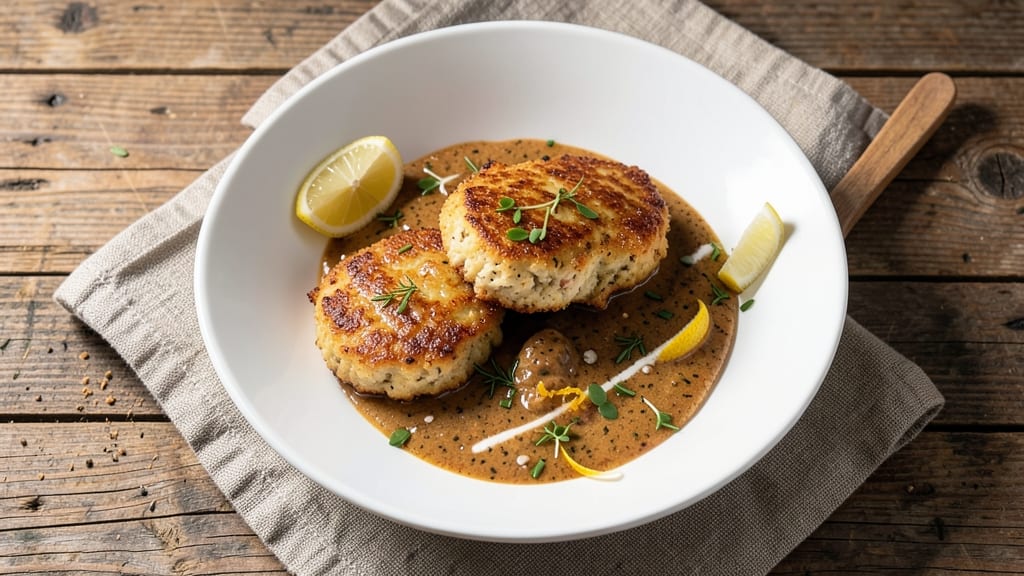
Angelina Jolie's crab cakes recipe delivers the perfect balance of buttery crispy edges and tender, zesty crab meat that feels like a coastal escape.
This dish became iconic after its appearance in In the Heart of the Sea, and the secret lies in using fresh lump crab meat and a precise breading technique. The result is a restaurant-quality bite that’s both elegant and satisfying—ideal for special occasions or weekend brunch.
The magic starts with properly chilling the crab mixture to keep it compact and flavorful, then creating a crispy exterior through a light, seasoned breading. Pan-searing in hot oil ensures a golden crust without overcooking the delicate crab inside.
Every step is designed to replicate the dish’s signature texture and taste, making it feel like a true culinary experience at home.
What you’ll end up with is a stack of golden, crispy crab cakes that hold their shape and deliver a burst of lemony, savory flavor in every bite. The exterior stays crisp while the interior remains tender and packed with sweet crab meat.
This recipe is perfect for serving with a tangy lemon aioli or a fresh mixed green salad to complement its rich, oceanic taste.
Whether you're hosting a dinner party or treating yourself to a luxurious meal, these crab cakes will impress. The process is straightforward but requires attention to detail—especially when it comes to chilling the mixture and maintaining the right frying temperature.
Let’s get started on creating a dish that feels like a taste of the sea.
Ingredients for angelina's crab cake
Sixteen ingredients to recreate Angelina Jolie's iconic buttery crab cakes—crispy outside, tender inside.
| Ingredient | Amount | Notes |
|---|---|---|
| Fresh Lump Crab Meat 🦀 | 1 ½ lb | Backfin preferred, no shell fragments |
| Large Eggs 🥚 | 2 whole | Cold, beaten until frothy |
| Unsalted Butter 🧈 | 4 tbsp | Cold, cubed for breading |
| All-Purpose Flour 🌾 | ½ cup | Sifted for light texture |
| Cornstarch 🌾 | 2 tbsp | For extra crispiness |
| Granulated Sugar 🍚 | 1 tsp | Balances flavors |
| Old Bay Seasoning 🌶️ | 1 tbsp | Classic seafood blend |
| Fresh Lemon Juice 🍋 | 2 tbsp | Freshly squeezed |
| Fresh Chives 🌿 | 2 tbsp | Finely chopped, for garnish |
| Vegetable Oil 🫒 | 2 cups | For frying, high smoke point |
| Salt 🧂 | 1 tsp | Kosher or sea salt |
| Black Pepper 🌶️ | ½ tsp | Freshly ground |
| Mayonnaise 🥫 | ¼ cup | For optional binding |
The crab meat is non-negotiable here—backfin lump is the gold standard, but jumbo chunks work in a pinch. Most seafood markets sell it pre-picked, but if buying whole, ask for the meat to be picked fresh. Costco and Whole Foods are reliable sources for quality crab. Avoid any with a strong fishy odor or shell fragments. For the Old Bay, McCormick is the brand used in professional kitchens, but any reputable brand will do. The butter must be cold—take it out of the fridge 10 minutes before using to soften slightly, but not melt. This ensures the breading stays crisp rather than turning greasy.
No lump crab? Jumbo chunks or even imitation crab (though texture won't be identical) can substitute, but expect a less luxurious result. Short on Old Bay? Mix 1 tsp paprika, 1 tsp celery salt, ½ tsp garlic powder, and ½ tsp black pepper. The mayonnaise is optional but helps bind the mixture if your crab is particularly wet. For the lemon juice, fresh is a must—bottled won’t cut it. If you’re frying and the oil isn’t hot enough, the crab cakes will absorb oil and turn greasy. Test with a breadcrumb—if it sizzles immediately, it’s ready.
Keep the crab mixture chilled until ready to fry—this prevents it from getting too warm and losing its shape. The breaded crab cakes can be refrigerated for up to 4 hours before frying, but don’t leave them sitting in the fridge longer than that or they’ll absorb moisture. Fry in batches to avoid overcrowding the pan, which drops the oil temperature. Once cooked, keep them warm in a 200°F oven while finishing the rest. They’re best served immediately, but any leftovers can be reheated in the oven for 5-10 minutes at 350°F to restore crispiness.
Why You'll Love This Recipe
- No-Fuss Binding: I swear by the cornstarch trick—just mix it with flour, and those crab cakes hold together like magic. No messy crumbs, no stressing over texture, and honestly? It’s saved me from throwing out more failed batches than I’ll admit.
- Buttery Crisp Magic: That butter-browned crust? It’s everything. The flour-butter combo gives you a golden, shatteringly crisp exterior while keeping the inside tender—like a hug from the sea. (Yes, even on a Tuesday night.)
- Weeknight to Dinner Party: Same recipe, endless occasions. Pan-sear for a quick weeknight dinner or bake ahead for a crowd—they reheat beautifully. Between us, I’ve used these to impress in-laws and feed a soccer team. No judgment.
- Leftovers? More Like Leftovers: They’re that good. The crab meat stays juicy, the crust stays crispy, and honestly? I’ve had them cold the next day with lemon—still delicious. Plus, the eggs and butter make this budget-friendly for what feels like a fancy meal. Win.
Step-by-step instructions for Angelina Jolie's crab cakes
Here's the method for golden, crispy crab cakes with tender centers and bright lemon flavor.
Prepare the Crab Mixture
In a large mixing bowl, combine the 1.5 lb fresh lump crab meat with the 2 whole large eggs, 0.25 cup mayonnaise, 1 tbsp Old Bay seasoning, 1 tsp granulated sugar, 1 tsp salt, and 0.5 tsp black pepper. The crab should be just broken down with your hands—avoid overworking it or the cakes will turn dense.
Gently fold in the 2 tbsp fresh lemon juice and 2 tbsp finely chopped fresh chives. You'll notice the mixture becomes slightly sticky but still holds its shape when pressed. This is perfect—it ensures moisture retention while allowing for crispy edges. If the mixture feels too loose, add 1-2 tbsp additional flour until it forms a thick, moldable paste.
Create the Breading Station
In a shallow dish, whisk together the 0.5 cup all-purpose flour, 2 tbsp cornstarch, 1 tsp salt, and 0.5 tsp black pepper. The cornstarch is key here—it creates that signature crispy texture while keeping the interior tender. Set this aside along with two other shallow dishes: one for the 4 tbsp cold cubed unsalted butter and one for the 2 tbsp fresh lemon juice.
Melt the 4 tbsp unsalted butter in a small saucepan over low heat until just melted but not browned. Let it cool slightly so it's warm but not hot when you dip the crab cakes. This butter will add richness and help create that golden crust during frying.
Form and Bread the Crab Cakes
Using a cookie scoop or your hands, form the crab mixture into 4 equal patties, each about 3/4-inch thick. Gently flatten them to create even surfaces for crispy searing. Place them on a plate and refrigerate for 15 minutes—this helps them hold their shape during frying.
Working in batches, dip each chilled crab cake into the lemon juice, then coat evenly in the butter, allowing any excess to drip off. Finally, press the cakes into the flour mixture, pressing firmly to adhere the coating. The double-dip technique ensures maximum crispiness while keeping the interior moist. Let the breaded cakes rest for 5 minutes before frying.
Fry to Golden Perfection
Heat 2 cups vegetable oil in a deep skillet over medium heat until it reaches 350°F—use a thermometer for accuracy. The oil should shimmer gently but not smoke. Fry the crab cakes in batches, 2 at a time, for 3-4 minutes per side until they achieve a deep golden brown color. Avoid overcrowding the pan or the oil temperature will drop, leading to greasy cakes instead of crispy ones.
Transfer the fried crab cakes to a paper towel-lined plate to drain excess oil. They should be crispy on the outside with a warm, golden crust, while maintaining a tender, slightly moist interior. Keep them warm in a 200°F oven while frying the remaining batches.
Serve Immediately
Serve the crab cakes immediately while still crispy. Garnish each with an extra sprinkle of fresh chives and a wedge of fresh lemon for that bright, zesty finish. The contrast between the crispy exterior and tender interior is what makes these crab cakes truly special.
For best results, serve with a side of lemon aioli or a simple tartar sauce to complement the flavors. The secret to perfect crab cakes lies in the balance of crispy edges and moist centers—this method delivers both every time.
Pro Tips For Making Angelina'S Crab Cake
- CHILL THE CRAB FIRST: I learned this the hard way—skip the ice bath, and your crab cakes turn into a sad, watery mess. Pat the lump crab thoroughly with paper towels, then refrigerate it uncovered for 30 minutes. The moisture drains out, and your mixture stays together instead of falling apart when you fry it.
- USE CORNSTARCH LAST: Tossing the cornstarch into the flour mix too early makes a gummy paste that soaks up all the butter’s richness. Instead, add it right before mixing in the eggs—just a quick fold to distribute it evenly. This keeps the crust crisp without stealing moisture from the crab.
- DON’T OVERMIX THE BATTER: I used to beat this like I was punishing it, and the crab cakes came out dense and rubbery. Gently fold the eggs and butter into the crab just until combined—lumps are fine. Overworking the mixture releases too much gluten, and suddenly you’ve got a crab fritter, not a cake.
- FRY IN BATCHES OF TWO: Crowding the pan drops the oil temperature, and your crab cakes steam instead of sear. Use a heavy skillet and fry two at a time, turning once for a golden crust. If you’re impatient like me, resist the urge to add more—wait 2 minutes between batches to reset the heat.
Common mistakes when making your angelina's crab cake
Skipping the Chill
One of the biggest mistakes is skipping the 15-minute chill before breading. The crab mixture needs time to firm up—otherwise, it’ll crumble apart when you dip it in the flour. I’ve seen this happen when people rush, and suddenly you’re dealing with a messy, unshapely disaster.
Place your formed crab cakes on a plate and pop them in the fridge while you prep the breading station. Trust me, this step makes all the difference. ❄️
Overworking the Crab
Don’t turn the crab mixture into a paste by overmixing. The moment you start folding in the eggs and mayo, stop when it just comes together—no more. Overworking releases too much moisture, which leads to dense, rubbery crab cakes instead of tender, fluffy ones.
Use your hands to gently combine everything, and resist the urge to stir vigorously. The texture should feel like wet sand that holds its shape when pressed. 🦀
Wrong Oil Temperature
Frying at the wrong temperature is a fast track to greasy, soggy crab cakes. The oil needs to be at a steady 350°F—any lower, and the cakes will absorb oil instead of getting crispy. Too high, and the outside burns before the inside cooks.
Use a thermometer to monitor the temperature, and test it with a breadcrumb: if it sizzles immediately, it’s ready. If you’re unsure, err on the side of slightly cooler oil—you can always adjust heat while frying. 🌡️
Breading Too Thick
A thick, clumpy breading is another common pitfall. The flour mixture should be smooth and fine—no lumps! Sift the all-purpose flour and cornstarch together before mixing, and whisk in the salt and pepper until fully combined.
If your breading feels gritty, it’ll create uneven crispiness. Also, don’t press too hard when coating—the goal is an even layer, not a crusty shell. A light, even coat ensures crispiness without heaviness. 🌾
Not Resting After Frying
Freshly fried crab cakes need a brief rest before serving. Transfer them to a wire rack or paper towel-lined plate and let them sit for 2-3 minutes. This allows the breading to set and the interior to redistribute juices, preventing them from falling apart when you cut in.
Skipping this step means your first bite might be soggy instead of crispy. Patience here pays off—trust the process! 🕒
Using Old or Low-Quality Crab
Finally, never compromise on the crab. Fresh, high-quality lump crab meat is non-negotiable for that signature texture and sweetness. If your crab has a strong fishy odor or feels mushy, it’s past its prime.
Buy from a reputable seafood market or trusted brand like Costco or Whole Foods, and ask for it to be picked fresh if buying whole. The flavor and texture of your crab cakes depend entirely on this step—don’t skimp! 🦀
Nutrition facts
Frequently asked questions
Can I make these crab cakes ahead of time?
Yes, but with a few key adjustments. Form and bread the crab cakes up to 4 hours ahead, then refrigerate them on a wire rack (not a plate) to prevent sogginess. When ready to cook, let them sit at room temperature for 10 minutes before frying. For best results, serve immediately after cooking—though you can reheat leftovers in a 350°F oven for 5-10 minutes to restore crispiness.
What's the best way to test if the oil is hot enough?
Use the breadcrumb test: drop a small piece of breading into the oil. If it sizzles immediately and floats to the surface within 10 seconds, your oil is at the perfect 350°F. Too slow? Increase heat by 25°F and wait 2 minutes for the oil to recover. Never exceed 375°F or the exterior will burn before the interior cooks.
Can I substitute imitation crab for real lump crab?
While possible, the texture and flavor won't be identical. Imitation crab lacks the delicate sweetness and firmness of real lump crab, making the finished cakes denser. If substituting, use 1 lb imitation crab plus 0.5 lb jumbo white crab meat for better texture. Add 1 extra tbsp mayo to help bind the mixture, and expect a slightly less luxurious result.
How do I keep the crab cakes from falling apart?
Two key steps: chill the mixture for 15 minutes before frying, and don't overwork the crab when combining ingredients. The eggs and mayo act as binders, but excessive handling releases moisture. Also, avoid moving the cakes too soon after frying—let them rest 2-3 minutes on a wire rack before serving to set the breading.
What's the best side dish pairing?
Angelina's original presentation pairs beautifully with lemon aioli or tartar sauce, plus a simple mixed green salad with a light vinaigrette. For a more substantial meal, try roasted asparagus with a sprinkle of lemon zest or creamy polenta. The bright acidity of lemon cuts through the richness of the crab, while the crispness of greens balances the buttery texture.