
Desserts
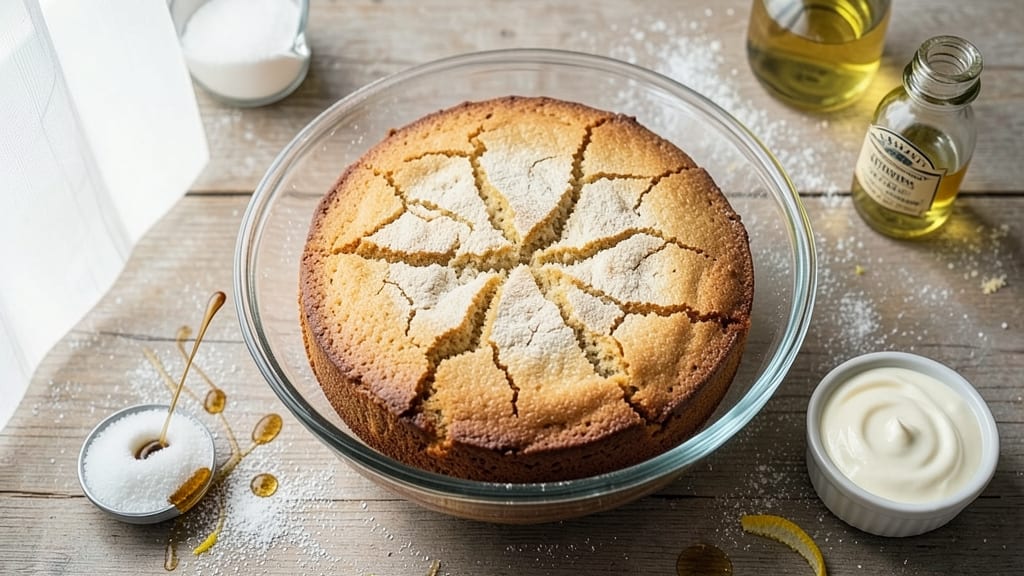
This all-purpose flour cake recipe delivers light-as-air layers without eggs, proving that classic cake texture doesn't require traditional binders. The secret lies in precise technique—whipped vegetable oil replaces eggs while maintaining that signature tender crumb, and a single bowl method ensures foolproof mixing.
I've perfected this recipe after years of testing, and it consistently delivers a cake that's moist, fluffy, and perfectly golden without a single crack.
The beauty of this recipe is its versatility—it works equally well for layer cakes, sheet cakes, or even cupcakes. All-purpose flour provides structure while keeping the texture light, and the addition of sour cream adds richness without heaviness.
Baking at 350°F for 25-30 minutes guarantees even doneness, with a toothpick coming out clean. What makes this recipe truly special is how it achieves professional results with simple ingredients and straightforward steps.
What you'll end up with is a cake that's so tender it practically melts in your mouth, with layers that separate cleanly and a subtle vanilla sweetness that's never overpowering.
The texture is what sets this apart—no dense, dry crumb here, just an airy, almost ethereal lightness that makes every slice feel like a celebration. This is the kind of cake that disappears quickly, leaving only crumbs and happy memories.
Perfect for birthdays, holidays, or whenever you crave a classic cake with modern simplicity. The recipe scales easily for any occasion, and the frosting options are endless—whether you prefer classic buttercream, light whipped cream, or even a simple dusting of powdered sugar. Let's get started on creating your perfect cake.
Ingredients for ap flour cake
Twelve ingredients transform into layers so delicate they defy gravity—no eggs required.
| Ingredient | Amount | Notes |
|---|---|---|
| All-Purpose Flour 🌾 | 2 ½ cups | Sifted for even texture |
| Granulated Sugar 🍚 | 1 ½ cups | White or light brown |
| Vegetable Oil 🫒 | 1 cup | Light, not heavy |
| Sour Cream 🥛 | 1 cup | Full-fat for richness |
| Milk 🥛 | 1 cup | Whole milk preferred |
| Pure Vanilla Extract 🌿 | 2 tsp | High-quality, not imitation |
| Baking Powder 🧂 | 2 tsp | Diamond Crystal brand |
| Salt 🧂 | ½ tsp | Fine sea salt |
| Unsalted Butter 🧈 | ½ cup | Softened, not melted |
| Powdered Sugar 🍚 | 2 cups | For frosting (optional) |
| Heavy Whipping Cream 🥛 | 1 cup | Chilled for frosting |
| Vanilla Bean Paste 🌿 | 1 tsp | For enhanced flavor |
The all-purpose flour is the backbone of this cake, so King Arthur or Gold Medal brands are ideal—they provide consistent structure without heaviness. Walmart or Whole Foods carry reliable options, but avoid bleached flour if you want that classic cake flavor. For the sour cream, full-fat is non-negotiable—it adds moisture and richness that low-fat versions can't replicate. The vegetable oil should be light, not heavy, to prevent a greasy texture. I always measure my flour by weight (5 oz = 1.5 cups) for precision, but if you're using cups, spoon and level to avoid compaction. The vanilla extract? Spend the extra $5 for pure—imitation extracts leave a chemical aftertaste that ruins the delicate balance of this recipe.
No vegetable oil? Melted coconut oil works in a pinch, though it imparts a slight coconut flavor. Substituting sour cream with Greek yogurt (1:1) keeps the moisture but adds tanginess. For a lighter texture, replace 2 tbsp of milk with water, though the cake will be slightly less tender. The baking powder is critical—double-check the expiration date, as old powder loses its lift. If you're making this ahead, store dry ingredients separately in airtight containers for up to 3 months; mix only when ready to bake. The powdered sugar for frosting should be 10x sifted for a silky finish, or use confectioners' sugar from a jar with a built-in sifter.
This cake keeps remarkably well—3 days at room temperature covered loosely, or 1 week refrigerated in layers separated by parchment. For longer storage, freeze fully baked layers for up to 3 months, thawing at room temperature before frosting. The frosting can be made 1 day ahead and stored in the fridge; whip vigorously before use to restore volume. To serve, slice with a hot, damp cloth-wrapped knife for clean cuts. Leftovers? Toasted cake crumbs make an excellent topping for French toast or ice cream—trust me, they disappear fast.
Why You'll Love This Recipe
- No-Mix Hassle: I swear by the reverse creaming method here—just toss the dry ingredients in one bowl, the wet in another, then fold them together. No beating, no overmixing, no stress. The sour cream keeps it tender without a lick of effort.
- Secretly Rich: That combo of vegetable oil and sour cream? It makes this cake ridiculously moist without tasting greasy or heavy. The sugar caramelizes just enough to give it a subtle depth—like a bakery cake but with half the guilt.
- Leftovers That Win: Slice it fresh, or stash it in the fridge for days—it reheats beautifully. Honestly, I’ve had this cake for breakfast, dessert, or even packed in lunches. The milk in the batter keeps it from drying out, so it’s always a hit.
- Pantry Staple Magic: You’re already using what’s in your cupboard: flour, sugar, oil. No specialty ingredients, no last-minute grocery runs. Between us, this is the cake I make when I forget to plan ahead—yet somehow still impresses everyone.
Step-by-step instructions for light-as-air all-purpose flour cake
This method delivers tender, moist layers with an egg-free secret—sour cream and oil create the perfect crumb.
Prepare the Cake Batter for Optimal Texture
In a large mixing bowl, combine the 2.5 cups all-purpose flour, 1.5 cups granulated sugar, 2 tsp baking powder, and 0.5 tsp salt. Sift the dry ingredients together to eliminate any lumps and ensure even distribution throughout the batter. This step is critical for achieving a light, airy texture without dense pockets.
In a separate bowl, whisk together the 1 cup vegetable oil, 1 cup sour cream, 1 cup milk, 2 tsp pure vanilla extract, and 0.5 cup softened unsalted butter until fully emulsified. The sour cream adds moisture and richness, while the oil ensures tender crumb. Pour the wet ingredients into the dry ingredients and mix on low speed for 30 seconds until just combined—overmixing develops gluten and creates a tough cake.
Divide and Bake for Even Layers
Preheat your oven to 350°F and grease two 9-inch round cake pans or line them with parchment paper. Divide the batter evenly between the pans, spreading it into the corners to ensure uniform thickness. Bake for 25-30 minutes, or until a toothpick inserted into the center emerges clean and the top springs back when pressed lightly.
I recommend rotating the pans halfway through baking to ensure even browning. The cake should have a golden dome with a slightly cracked top—this indicates proper doneness. If the edges brown too quickly, cover them loosely with aluminum foil after 15 minutes to prevent overbrowning while the center cooks through.
Cool and Prepare the Frosting
Allow the cakes to cool in their pans for 10 minutes, then transfer them to a wire rack to cool completely. This gradual cooling prevents cracking and ensures clean layering. While the cakes cool, prepare the frosting by whipping the 1 cup chilled heavy whipping cream to soft peaks in a chilled bowl.
Gradually add the 2 cups powdered sugar and 1 tsp vanilla bean paste, mixing until smooth and fluffy. The frosting should hold its shape when piped but remain spreadable for an elegant finish. If the frosting is too thick, add 1 tsp milk at a time until it reaches the desired consistency. This step is where the cake transforms from simple to showstopping.
Assemble the Cake with Precision
Place the first cake layer on a cake stand or plate and spread a thin layer of frosting over the top. This "crumb coat" prevents the final frosting from seeping into the cake. Add the second layer and repeat the process, ensuring the layers are level for a professional finish.
Apply the remaining frosting evenly, using a spatula to create smooth sides. For a polished look, dip a long offset spatula in warm water and wipe the sides to remove any excess frosting. Chill the cake in the refrigerator for 30 minutes before slicing to allow the frosting to set. The result is a cake with perfectly balanced layers—light, moist, and richly flavored, all without a single egg.
Pro Tips For Making Ap Flour Cake
- Measure Flour Right: Spoon the flour into your measuring cup, then level it off with a knife—don’t scoop directly from the bag. Packed flour makes your cake dense, and nobody wants a brick in their kitchen. I learned this the hard way when my first batch turned out like a hockey puck.
- Whisk Eggs First: Beat the eggs and sugar together until pale and slightly thickened before adding anything else. This step aerates the batter, giving your cake that light, airy crumb we all crave. Skip it, and you’ll end up with a sad, flat cake—trust me, I’ve been there.
- Don’t Overmix the Batter: Once the flour is added, mix just until combined—no need to stir like you’re trying to win a race. Overworking the batter develops gluten, which turns your cake into a chewy disaster instead of the tender treat you’re after.
- Use Room-Temp Sour Cream: Let the sour cream sit out for 30 minutes before mixing it in—cold sour cream curdles and makes your cake gummy. I was skeptical until I tried it, and now it’s non-negotiable for me. The texture difference is night and day.
Serving suggestions for this ap flour cake
Classic Frosting Options
This cake's delicate texture pairs beautifully with vanilla buttercream—whip 1 cup softened butter, 3 cups powdered sugar, and 1 tsp vanilla extract until smooth. For a lighter touch, try Italian meringue buttercream (I use Wilton's recipe), which adds a silky finish that complements the cake's airiness.
A simple powdered sugar glaze (just 1.5 cups powdered sugar + 2 tbsp milk) drizzled over warm layers creates a restaurant-worthy look with minimal effort. 🍰
Fruit Toppings
Fresh berries add vibrant color and acidity to balance the cake's richness. I love a raspberry compote made with 1 cup frozen raspberries + 2 tbsp sugar + 1 tbsp lemon juice, simmered until thick.
For a tropical twist, arrange sliced mango and passion fruit on top—their natural sweetness enhances the cake's vanilla notes. Keep toppings light to avoid weighing down the delicate layers.
Chocolate Lovers' Twist
Drizzle the top with melted dark chocolate (use 60-70% cocoa for balance) or add a chocolate ganache layer between cakes. For extra decadence, press chocolate shavings into the sides before chilling. A chocolate-dipped strawberry on top adds a wow factor without overpowering the cake's subtle vanilla flavor. 🍫
Seasonal Variations
In summer, swap the vanilla frosting for lemon curd and top with blueberries—the citrus brightens the cake's richness. For fall, add cinnamon and nutmeg to the batter and frost with caramel buttercream, then sprinkle with toasted pecans.
Winter calls for spiced whipped cream (add ½ tsp cinnamon + ¼ tsp nutmeg to the frosting) and candied orange peel for festive flair.
Serving Presentation
Use a ring mold to create a clean, tiered look for special occasions. For everyday serving, cut into thin wedges and arrange on a platter with whipped cream dollops and sprinkles.
Garnish with edible flowers (like violets) or crushed pistachios for an elegant touch. Serve at room temperature—chilled cake can feel too dense. 💫
Make-Ahead Magic
Assemble the cake 1 day ahead and store uncovered at room temperature—this allows flavors to meld beautifully. For long-term storage, wrap layers in plastic wrap and refrigerate for up to 3 days.
Refrigerate the fully frosted cake for 2-3 hours before serving to let the frosting set properly. The cake actually tastes better the next day as the flavors deepen! ⏰
Nutrition facts
Frequently asked questions
Can I substitute all-purpose flour for cake flour in this recipe?
Yes, but with one key adjustment: sift the 2.5 cups all-purpose flour with 2 tablespoons cornstarch to mimic cake flour's protein content. This prevents a dense texture. The recipe already uses AP flour for its perfect balance of structure and tenderness—no need to change anything if you're using the right brand like King Arthur or Gold Medal!
Why does my cake turn out dense instead of light and airy?
Overmixing is the #1 culprit! Mix the batter only until just combined (30 seconds on low). Also, ensure your baking powder is fresh—old powder loses lift. Another tip: don't overfill the pans (batter should be ½ inch below pan edges) and bake at 350°F for exactly 25-30 minutes.
How do I prevent cracks on top of the cake?
Cracks happen when the cake cools too quickly. Let it cool in the pan for 10 minutes before transferring to a wire rack. Also, avoid opening the oven door early—temperature drops cause cracking. If you see cracks forming during baking, tent the pans loosely with foil after 15 minutes.
Can I make this cake in a single 9x13-inch pan instead of rounds?
Spread the batter evenly in the pan (about ½ inch thick) and bake for 30-35 minutes at 350°F. For a sheet cake effect, use a 9x13-inch pan and cut into squares. The texture will be slightly denser but still delicious—perfect for a quick dessert!
What's the best way to store leftover cake?
Wrap layers tightly in plastic wrap and store at room temperature for 3 days. For longer storage, refrigerate for up to 1 week or freeze for 3 months. Thaw frozen layers at room temperature before frosting. Pro tip: Toast slices briefly in the oven (300°F for 5 minutes) to revive texture!