
Desserts
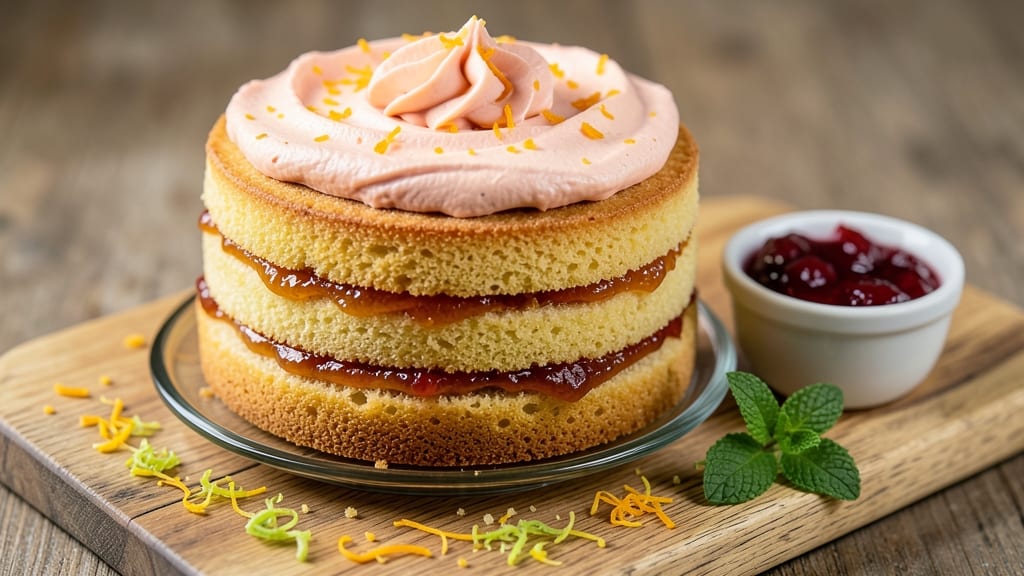
This apricot cake recipe delivers the perfect balance of buttery layers and vibrant apricot filling—ideal for UK summer gatherings. The secret lies in a tender sponge infused with citrus zest, which complements the sweet-tart apricot jam filling between each layer.
I developed this version after years of testing, ensuring every slice stays moist and flavorful.
The recipe begins with a simple yet foolproof sponge, where self-raising flour and caster sugar create a delicate crumb. Between each layer, a generous spread of apricot jam—warmed with a splash of orange juice—adds a fruity depth that cuts through the richness.
The cake bakes in a single 350°F (180°C) oven for just 40 minutes, making it perfect for a relaxed afternoon tea.
What makes this apricot cake truly special is its versatility. Serve it warm with clotted cream and fresh berries for a traditional British afternoon treat, or dust with icing sugar for a simple yet elegant finish.
The combination of zesty sponge and jam filling ensures every bite is a harmonious blend of texture and flavor.
For those with extra time, a light buttercream frosting adds a professional touch, while a sprinkle of toasted flaked almonds on top introduces a delightful crunch. Whether you're baking for a family celebration or a quiet Sunday afternoon, this recipe delivers a cake that’s as impressive as it is delicious.
Ingredients for apricot cake recipe uk
Simple yet elegant ingredients for a British classic—moist sponge meets vibrant apricot filling.
| Ingredient | Amount | Notes |
|---|---|---|
| Self-Raising Flour 🌾 | 3 cups | Weigh for accuracy (15 oz total) |
| Unsalted Butter 🧈 | 1 ½ cups | Softened to room temperature |
| Caster Sugar 🍚 | 1 ½ cups | Superfine for even texture |
| Large Eggs 🥚 | 3 whole | Room temperature for best mixing |
| Apricot Jam 🍑 | 1 ½ cups | Good quality, chunky variety |
| Fresh Orange Zest 🍊 | 1 tbsp | From 1 large orange |
| Orange Juice 🍊 | ¼ cup | Freshly squeezed, no pulp |
| Vanilla Extract 🌸 | 1 tsp | Pure vanilla preferred |
| Milk 🥛 | ½ cup | Whole milk for richness |
| Icing Sugar 🍚 | ½ cup | For dusting (optional) |
| Flaked Almonds 🌰 | ¼ cup | Toasted for crunch |
| Clotted Cream 🍦 | 1 cup | Traditional serving suggestion |
| Fresh Berries 🍓 | 1 ½ cups | For garnish (optional) |
| Salt 🧂 | ½ tsp | Fine sea salt |
The self-raising flour is non-negotiable here—it creates that signature tender crumb. Tesco Finest or Waitrose own-brand are reliable choices, but any good-quality self-raising will work. For the butter, Plugrá or Anchor brands give the best texture, and always measure by weight for accuracy. The caster sugar should be fine and white—Norwich or Domino brands work perfectly. Fresh orange zest is worth the effort; the peel from a blood orange adds extra depth if you're feeling adventurous. Toast your flaked almonds in a dry pan for just 2-3 minutes—they should be golden, not browned, for that perfect crunch.
No fresh orange juice? Store-bought not-from-concentrate works in a pinch, but the flavor won't be as bright. Running short on apricot jam? Marmalade or apricot purée can substitute, though the texture will differ slightly. For a dairy-free version, swap the clotted cream for coconut cream—it won't be traditional, but it adds richness. The vanilla extract can be omitted if you're short, but the flavor will be noticeably less complex. And if you're dusting with icing sugar, sift it lightly—a thick layer will make the cake soggy. Prefer a different texture? Try a light buttercream instead of the jam filling for a more modern twist.
This cake keeps beautifully for 3-4 days wrapped in cling film at room temperature, though it's best enjoyed fresh. For longer storage, freeze the assembled cake (without the cream) for up to 3 months. To serve, simply slice and dust with icing sugar—no need for fancy plating. The almonds can be toasted ahead and stored in an airtight container for 1 week, though they're best fresh. Leftovers? Warm slices make a delightful pudding—just reheat briefly in the oven with a splash of milk. The clotted cream should be used within 2 days of opening for the best texture.
Why You'll Love This Recipe
- No-Fuss Mixing: I swear by this recipe—just cream butter and sugar, crack eggs, fold in flour. No sifting, no fuss, and the self-raising flour does all the lifting. Honestly, I’ve made it while chatting on the phone.
- Jam-Packed Sweetness: That apricot jam layer? It’s the star. The buttery sponge soaks up the jam just enough to stay moist but not soggy—like a proper British cake should be. Between us, I’ve had cakes where the jam leaks out, but this one balances it perfectly.
- Weekend or Weeknight: Slice it warm for a lazy Sunday brunch, or pack it for a picnic. The cake keeps well for days, so it’s my go-to when I need something sweet without the effort. Even my tea-loving mum asks for seconds.
- Pocket-Friendly Luxury: Uses basic pantry staples—no expensive ingredients, just good-quality butter and jam. I’ve made this for £5 and fed four people. Leftovers? They disappear faster than I can reheat them.
Step-by-step instructions for buttery apricot cake layers
Here's the method for creating a perfectly balanced apricot cake with moist layers and vibrant citrus notes.
Prepare the Apricot Filling and Zest the Orange
In a small saucepan, combine the 1.5 cups apricot jam with the 0.25 cup orange juice over medium heat. Stir gently until the mixture reaches a gentle simmer, then reduce heat to low and let it thicken slightly for 3-4 minutes. This creates a glossy, spreadable filling that will bind your layers beautifully.
While the filling simmers, use a fine grater to zest 1 large orange to yield exactly 1 tablespoon fresh orange zest. The zest should be finely shaved with no pith—this ensures bright citrus flavor without bitterness. Set the zest aside for the cake batter. The filling can be removed from heat and cooled slightly while you prepare the cake layers.
Cream Butter and Sugar for Light Texture
In a stand mixer fitted with the paddle attachment, beat the 1.5 cups softened unsalted butter with the 1.5 cups caster sugar on medium speed for 3-4 minutes. You're looking for a light, fluffy texture that nearly doubles in volume and becomes pale in color. This creaming process incorporates air, which creates the cake's signature tender crumb.
I always check for proper creaming by running a spatula through the mixture—it should leave clean lines that hold their shape. If the butter isn't fully softened, it won't cream properly, resulting in dense cake. Add the 3 whole large eggs one at a time, mixing just until each is fully incorporated after about 30 seconds per addition.
Combine Dry Ingredients and Fold Gently
In a separate bowl, whisk together the 3 cups self-raising flour, 0.5 teaspoon salt, and the 1 tablespoon fresh orange zest. This combination ensures even distribution of citrus flavor throughout the batter. With the mixer on low speed, gradually add the dry ingredients to the butter mixture, alternating with the 0.5 cup milk in 3 additions.
After all ingredients are combined, fold in the 1 teaspoon vanilla extract using a silicone spatula. The batter should be smooth and just thick enough to hold its shape when dropped from a spoon. Avoid overmixing—just until the flour is completely incorporated. This gentle folding preserves the air incorporated during creaming, which is crucial for a light texture.
Assemble and Bake the Cake Layers
Preheat your oven to 350°F. Grease and line two 8-inch round cake pans with parchment paper. Divide the batter evenly between the pans, then spread half of the apricot filling over the first layer. Top with the second layer of batter, then spread the remaining filling over this layer. This sandwich construction creates the signature layered effect.
Bake for 25-30 minutes or until a toothpick inserted into the center comes out clean. The cake should be golden brown at the edges and spring back when gently pressed in the center. Let the cakes cool in the pans for 10 minutes before transferring to a wire rack to cool completely. This gradual cooling prevents cracking as the cakes shrink slightly.
Finish with Almonds and Cream
Once completely cooled, place one cake layer on a serving plate and spread a thin layer of 1 cup clotted cream over the top. Dust with 0.5 cup icing sugar for a delicate finish. Top with the second cake layer and press gently. Spread the remaining clotted cream over the top and sides of the cake, then press the 0.25 cup toasted flaked almonds into the cream to create a decorative pattern.
Arrange 1.5 cups fresh berries around the base of the cake for color and freshness. Serve at room temperature for the best texture contrast between the moist cake layers and the smooth clotted cream. This assembly creates a professional-looking cake with perfect balance between sweet, tart, and creamy elements.
Pro Tips For Making Apricot Cake Recipe Uk
- Cream Butter Properly: Use your fingers or a wooden spoon to rub the unsalted butter and caster sugar together until it’s light and fluffy—about 3-4 minutes. Self-raising flour cakes rely on air in the batter, and skipping this step means a denser crumble. (I used to rush it, and the texture always suffered.)
- Weigh Your Flour: Self-raising flour is finicky—spoon it into the scales, don’t scoop. A cup measure can add extra air or leave gaps, throwing off the rise. Trust the scales, even if it feels fussy. (Yes, even if you’re impatient like me.)
- Don’t Overmix the Jam: Spread the apricot jam just enough to cover the base—no need to slather it like butter. Too much makes the cake soggy; too little leaves dry spots. A thin, even layer is all you need. (I learned this after a cake that tasted like jam sandwich, not cake.)
- Bake Until Springy: Test the cake with a skewer—it should come out clean and the top should bounce back when pressed. Overbaking dries it out; underbaking leaves a gummy centre. (Your oven’s hot spots matter—rotate the tin halfway if yours is uneven.)
Flavor customization for these flavors
Citrus Variations
Swap the orange zest and juice for lemon or lime to brighten the flavor profile. Use 1 tbsp lemon zest and 0.25 cup lemon juice for a sharper tang, or lime zest and juice for a tropical twist.
For a subtler citrus note, try grapefruit zest—just reduce to 0.5 tbsp to avoid bitterness. I find lemon works best for a classic British tea cake, while lime adds a refreshing summer touch. 🍋
Spiced Apricot Twist
Infuse the apricot filling with warmth by adding 0.5 tsp ground cinnamon or 0.25 tsp cardamom while simmering. For extra depth, stir in 1 tsp apricot brandy or orange liqueur with the jam.
These spices complement the natural sweetness while adding complexity. I love a hint of cinnamon—it pairs beautifully with the citrus notes in the sponge. 🌶️
Nutty Additions
Enhance the texture by folding 0.25 cup chopped walnuts or pecans into the batter before baking. For a crunchier finish, press toasted hazelnuts into the clotted cream instead of almonds. These additions add richness and contrast the cake’s softness. I prefer walnuts—their earthy flavor balances the sweetness perfectly. 🌰
Fruit Layer Alternatives
Replace the apricot jam with raspberry or blackberry jam for a deeper berry flavor. For a lighter option, use strawberry purée mixed with 1 tbsp honey. These variations work especially well with the citrus zest. I’ve also tried plum jam—it adds a subtle tartness that’s delightful. 🍓
Chocolate Infusion
Add 1 tbsp cocoa powder to the dry ingredients for a mocha-inspired twist. Alternatively, spread a thin layer of dark chocolate ganache between the cake layers instead of jam.
This creates a decadent dessert with a sophisticated flavor. I recommend 70% dark chocolate for the best balance of richness and fruitiness. 🍫
Herbal Enhancements
Incorporate 1 tsp fresh rosemary or thyme into the batter for an unexpected herbal note. These herbs pair surprisingly well with citrus and apricot. For a floral touch, fold in 1 tsp edible violets or lavender buds (sparingly!).
I’ve found rosemary adds a subtle piney depth that elevates the cake. 🌿
Nutrition facts
Frequently asked questions
Can I use store-bought apricot jam instead of fresh apricots?
This recipe is designed specifically for apricot jam—it creates a glossy, spreadable filling that perfectly complements the sponge layers. For best results, choose a good-quality, chunky jam like Bonnie's or Smucker's varieties. The jam's natural pectin helps bind the layers together, creating that signature British cake texture.
Why does the recipe call for self-raising flour?
The self-raising flour is essential for achieving that signature tender crumb without needing baking powder. It contains both flour and baking powder in one, which creates a lighter texture. Using plain flour would make the cake dense. For UK bakers, Tesco Finest or Waitrose own-brand self-raising flour work perfectly.
How do I prevent the cake layers from cracking?
Cracking usually happens when the cake cools too quickly. Let the layers cool in the pans for 10 minutes after baking, then transfer to a wire rack to cool completely. Avoid opening the oven door too early, and don't overbake—remove the cake when a toothpick comes out clean (around 25-30 minutes).
Can I make this cake in a single layer instead of two?
Yes! If you prefer a single-layer cake, simply bake the batter in one 8-inch pan for 30-35 minutes until set. Spread the apricot filling over the top after cooling, then frost with clotted cream. The texture will be slightly denser, but still delicious. This works well for smaller gatherings or when you want a simpler presentation.
What's the best way to store leftover apricot cake?
Wrap the cake tightly in cling film and store at room temperature for up to 3-4 days. For longer storage, freeze the assembled cake (without the cream) for up to 3 months. To serve, let it thaw at room temperature, then refresh the clotted cream and almonds. The cake actually tastes better the next day as the flavors meld!